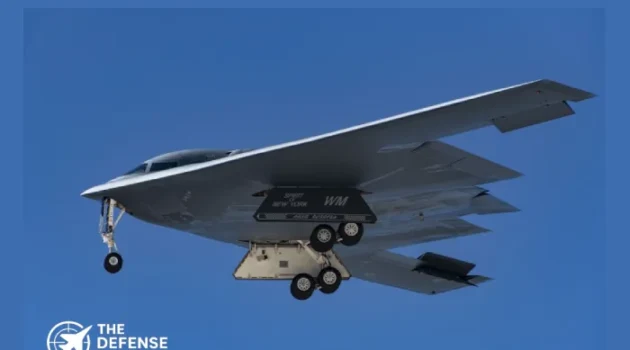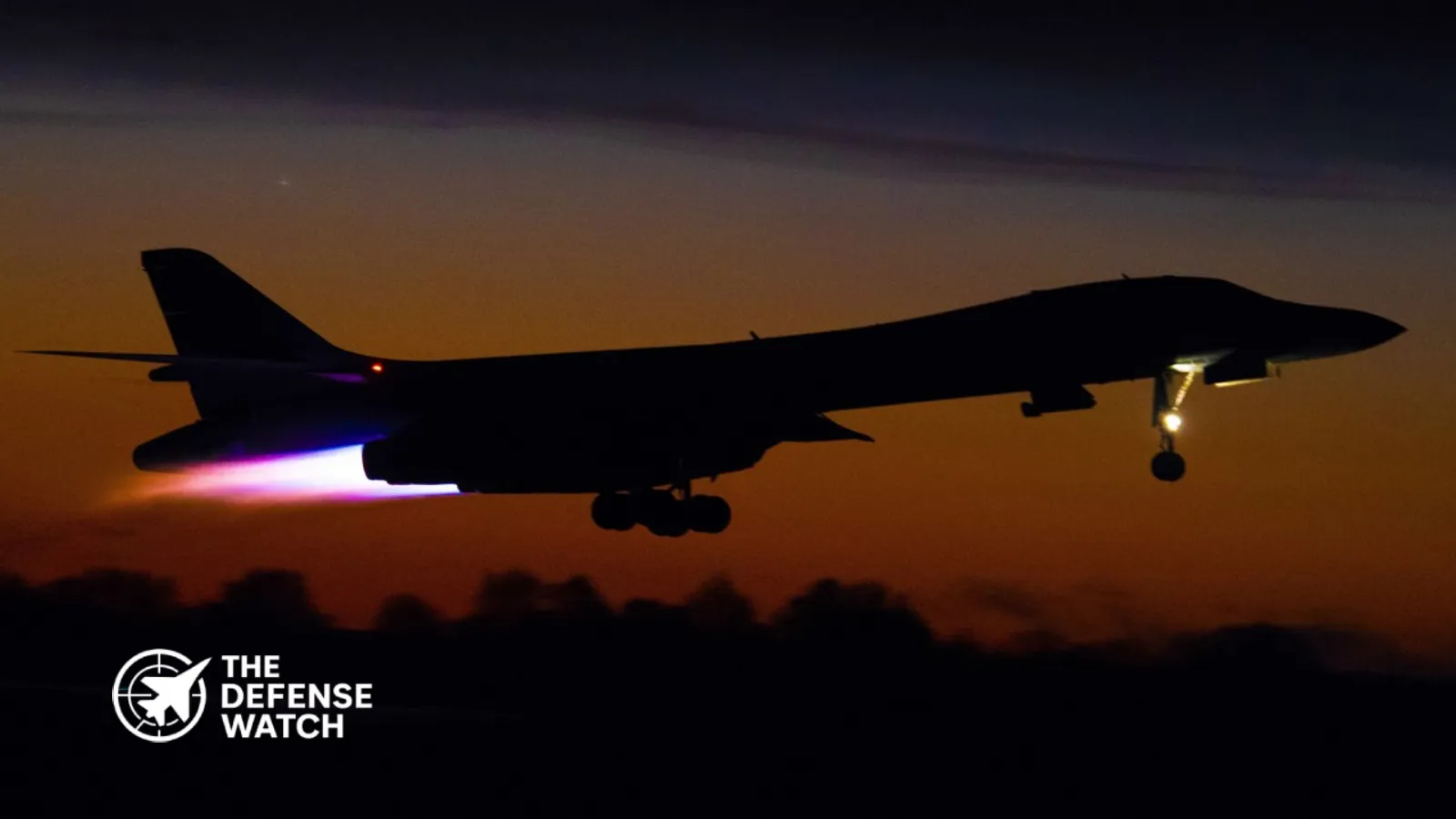
- US bombers avoided European airspace during missions targeting Iran.
- Aircraft used extended flight paths, likely supported by aerial refueling.
- Routing reflects political sensitivities among European allies.
- Missions demonstrate long-range strike capability and operational flexibility.
- Strategic takeaway: route selection is now as critical as strike capability.
US Bombers Avoid European Airspace On Iran Bombing Runs
US bombers avoid European airspace during Iran bombing runs, signaling a deliberate shift in operational routing while maintaining long-range strike capability. The development highlights how geopolitical constraints increasingly shape military flight planning alongside tactical requirements.
The Big Picture
Long-range bomber operations remain central to US global power projection. Platforms such as the B-52 and B-2 allow the United States to strike targets across continents without forward basing, a capability emphasized in recent US Department of Defense posture statements.
Operational routing, however, has become more complex. European airspace access depends on diplomatic clearance, alliance politics, and domestic sensitivities within NATO member states. As tensions in the Middle East persist, Washington appears to be adjusting mission profiles to reduce political friction while preserving operational reach.
This shift reflects a broader trend in US military planning. Commanders increasingly balance kinetic effectiveness with alliance management, especially in regions where partners may not support escalation.
What’s Happening
Recent reporting indicates that US bombers conducting Iran-related strike missions deliberately avoided flying over European airspace. Instead, aircraft used alternative routes that extended flight distances.
These missions likely involved long-range bombers operating from bases outside Europe, supported by aerial refueling assets to sustain extended flight durations. Tanker aircraft remain critical in enabling such missions, allowing bombers to bypass politically sensitive corridors.
The rerouting suggests coordination at the strategic level, where flight paths are chosen not only for efficiency but also for diplomatic acceptability. European nations often require advance approval for overflight, particularly for combat operations tied to active conflict zones.
Why It Matters
Route selection directly affects operational tempo and mission complexity. Avoiding European airspace increases flight time, fuel requirements, and reliance on tanker support. This adds logistical strain but reduces the risk of diplomatic friction with allies.
The decision also reflects sensitivity to domestic politics within NATO countries. Some European governments face public opposition to involvement in Middle East conflicts, even indirectly through airspace access.
From a military perspective, the ability to execute these missions despite longer routes demonstrates resilience in US strike planning. It shows that operational effectiveness does not depend on any single geographic corridor.
Strategic Implications
This development underscores the flexibility of US global strike architecture. By rerouting bombers, the United States preserves freedom of action even when traditional transit routes become politically constrained.
It also highlights the growing importance of distributed basing and tanker fleets. Without robust aerial refueling, extended routes would significantly degrade mission effectiveness.
At the alliance level, the move signals a careful balancing act. Washington appears willing to absorb operational costs to avoid straining relationships with European partners. This approach supports long-term alliance cohesion, even if it complicates short-term mission planning.
Competitor View
Iran likely interprets these operations as evidence of sustained US strike capability despite geographic constraints. The use of indirect routes may also signal caution, suggesting Washington seeks to limit escalation pathways while retaining deterrence.
Russia and China may view the development differently. Both countries have invested in anti-access strategies designed to complicate US operations. The ability of US bombers to adapt routing reinforces the credibility of long-range strike forces even in contested or politically restricted environments.
At the same time, reliance on tankers exposes a known vulnerability. Peer competitors continue to develop capabilities aimed at targeting aerial refueling assets in future conflicts.
What To Watch Next
Future operations will likely continue to reflect a balance between operational efficiency and political considerations. Key indicators include:
Increased tanker deployments supporting long-range missions
Expanded use of alternative basing locations outside Europe
Changes in NATO overflight policies or political alignment
Integration of stealth platforms to reduce exposure along longer routesUS Air Force modernization efforts, including next-generation bomber programs, may also influence how these missions evolve.
Capability Gap
The reliance on extended routing highlights a persistent challenge in US operations. Access denial, whether political or military, can complicate mission planning and increase logistical demands.
Aerial refueling mitigates this gap, but it introduces additional risk. Tankers are high-value assets and may become targets in contested environments. This creates a tradeoff between operational reach and vulnerability.
Additionally, longer routes reduce sortie generation rates, which could affect sustained operations during high-intensity conflict.
The Bottom Line
US bombers avoid European airspace on Iran missions, demonstrating that modern airpower depends as much on geopolitical navigation as it does on technological capability.