

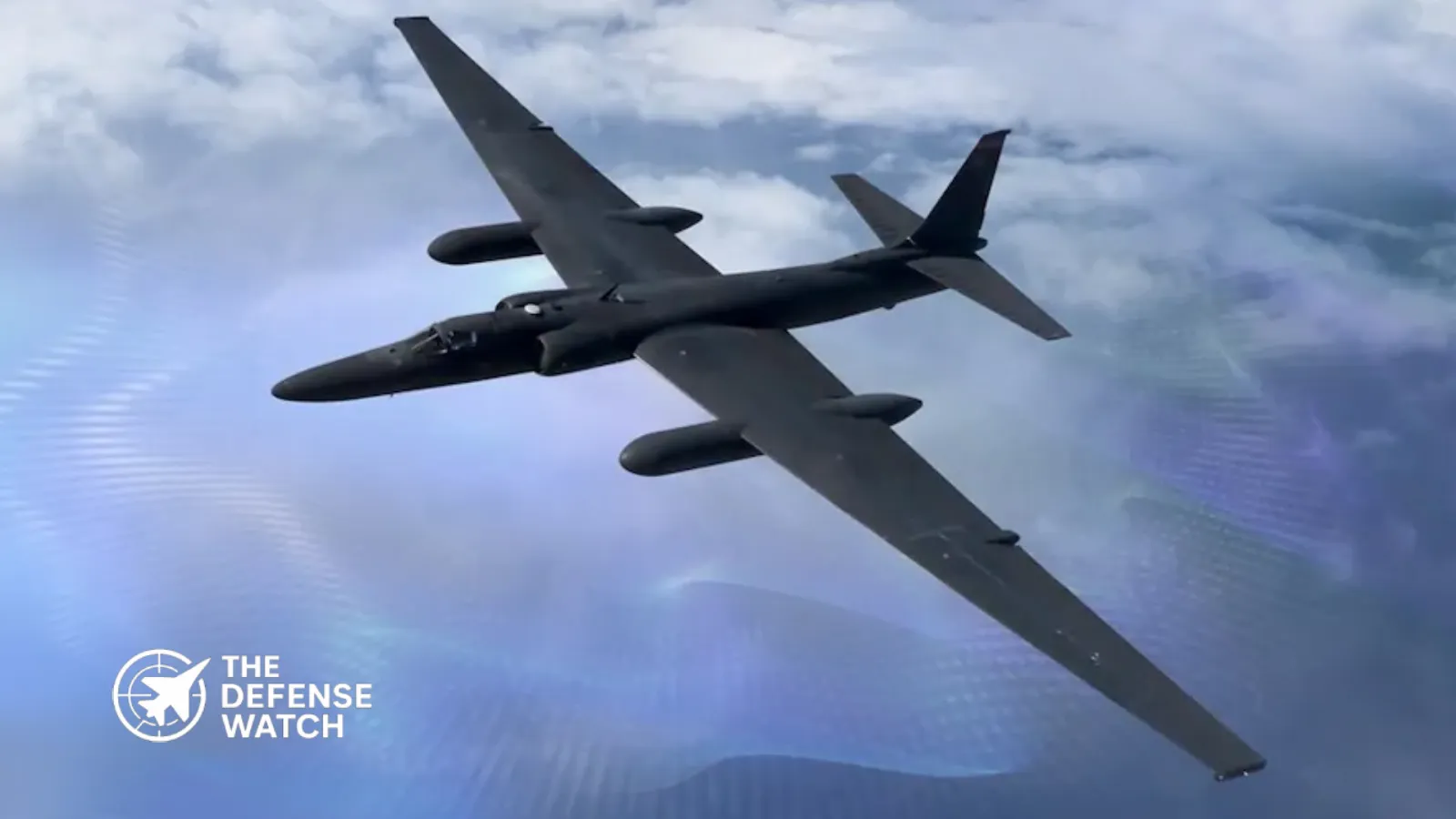
- BAE Systems will modernize the ALQ-221 electronic warfare system on U.S. Air Force U-2 aircraft.
- Upgrade enhances radar warning, threat detection, and electronic countermeasure capabilities.
- Supports U.S. ISR operations in contested and high-threat environments.
- Contract focuses on system sustainment and modernization of legacy high-altitude platforms.
- Reinforces electronic warfare as a critical pillar of survivability in modern air operations.
BAE Systems ALQ-221 Electronic Warfare System Upgrade Strengthens U-2 Survivability
The ALQ-221 electronic warfare system upgrade is central to a new contract awarded to BAE Systems to modernize defensive capabilities on U.S. Air Force U-2 aircraft. The effort aims to improve threat detection and survivability for one of the military’s most enduring high-altitude intelligence platforms.
The Big Picture
The U.S. Air Force continues to invest in electronic warfare as a core element of air dominance. Modern battlefields increasingly rely on advanced radar systems, integrated air defenses, and electronic attack capabilities. Legacy platforms such as the U-2 remain operationally relevant, but only if they can survive in contested electromagnetic environments.
High-altitude intelligence, surveillance, and reconnaissance missions play a key role in strategic competition, particularly in regions where access is denied or heavily contested. Upgrading onboard defensive systems ensures these aircraft can continue operating without unacceptable risk.
What’s Happening
BAE Systems received a contract to modernize the ALQ-221 electronic warfare system installed on U-2 aircraft operated by the U.S. Air Force.
The ALQ-221 is a defensive system designed to detect, identify, and counter radar-based threats. It provides radar warning capabilities and supports electronic countermeasures that help the aircraft avoid or defeat enemy tracking and targeting systems.
The modernization effort will update system components to address evolving threats and maintain operational effectiveness. Work will focus on enhancing performance against modern radar systems and improving system reliability.
The U-2 fleet operates primarily in high-altitude ISR roles, supporting global missions from forward-deployed locations.
Why It Matters
Electronic warfare defines survivability in modern air operations. The ALQ-221 electronic warfare system upgrade ensures that the U-2 can continue to operate in environments where adversaries deploy advanced surface-to-air missile systems and sophisticated radar networks.
Modern integrated air defense systems rely on layered sensors and data fusion. Without upgraded electronic warfare capabilities, legacy aircraft face increased detection risk and reduced mission effectiveness.
The upgrade also reflects a broader trend. The U.S. Air Force is extending the service life of proven platforms while integrating modern subsystems to keep pace with emerging threats.
Strategic Implications
The modernization of the ALQ-221 electronic warfare system directly strengthens U.S. military readiness. It allows the U-2 to operate closer to contested areas, collect higher-quality intelligence, and support decision-making at the strategic level.
Deterrence also benefits. Adversaries must assume that U.S. ISR platforms can penetrate or operate near defended airspace, complicating their planning and reducing confidence in their defensive systems.
The upgrade aligns with a wider shift toward electromagnetic spectrum dominance. Control of the spectrum increasingly determines success in air, land, and maritime operations.
Competitor View
China and Russia have invested heavily in advanced air defense systems, including long-range surface-to-air missiles and multi-band radar networks. These systems aim to deny access to high-value ISR platforms like the U-2.
From their perspective, upgrades to the ALQ-221 electronic warfare system signal continued U.S. commitment to penetrating contested environments. It reinforces the need for further investment in counter-electronic warfare capabilities and more resilient sensor networks.
Regional actors with developing air defense systems may also view this move as evidence that electronic warfare remains a decisive factor in modern conflict.
What To Watch Next
The next phase will likely involve integration, testing, and validation of the upgraded system on operational aircraft.
Key milestones include:
System integration on U-2 platforms
Flight testing in representative threat environments
Operational deployment across the fleet
Future updates may also incorporate software-defined capabilities, allowing faster adaptation to new threats without major hardware changes.
Capability Gap
The ALQ-221 electronic warfare system upgrade addresses a clear gap between legacy defensive systems and modern radar threats.
Older systems struggle against:
Digitally networked air defenses
Frequency-agile radar systems
Advanced signal processing techniques
By upgrading detection and countermeasure capabilities, the Air Force reduces vulnerability during high-altitude ISR missions.
However, limitations remain. The U-2 is not a stealth platform, and electronic warfare alone cannot fully offset advances in sensor technology. Survivability will continue to depend on a combination of altitude, mission planning, and defensive systems.
The Bottom Line
The ALQ-221 electronic warfare system upgrade ensures the U-2 remains a viable ISR asset in contested environments by strengthening its ability to detect and counter modern threats.
