Singapore Prepares For Historic F-35 Stealth Fighter Arrival
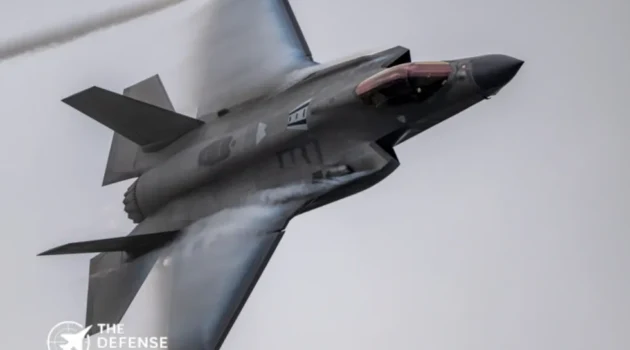
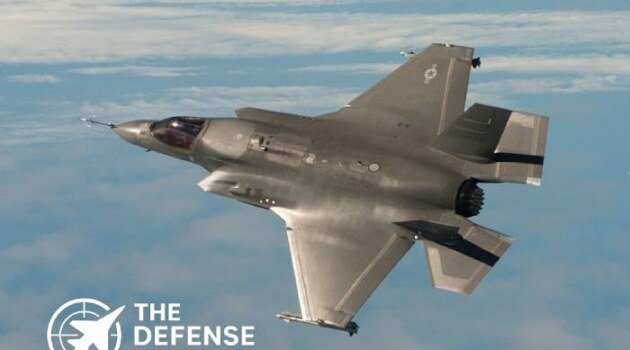
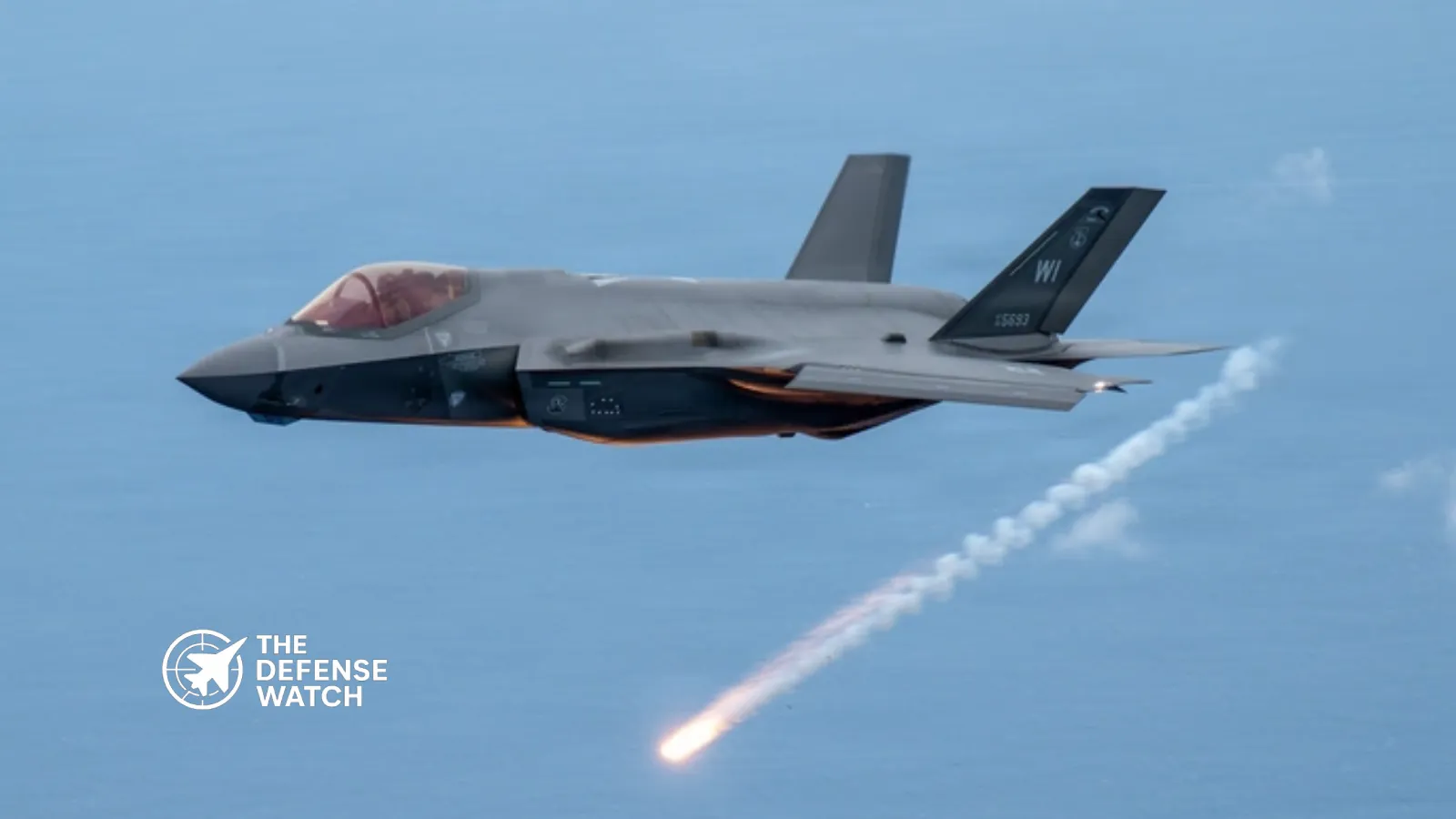
Singapore is on track to receive its first F-35 Lightning II stealth fighters later this year, marking a significant milestone in the Republic of Singapore Air Force’s (RSAF) modernization efforts. According to Defense News reporting, the Southeast Asian nation will join an exclusive group of operators flying the world’s most advanced fifth-generation fighter aircraft, strengthening its defense capabilities amid evolving regional security challenges.
The anticipated delivery represents the culmination of Singapore’s 2020 decision to procure the F-35, positioning the city-state as the first Southeast Asian nation to operate the Joint Strike Fighter. This acquisition fundamentally transforms Singapore’s air combat capabilities and reinforces its position as a key U.S. defense partner in the Indo-Pacific region.
Background: Singapore’s F-35 Acquisition Program
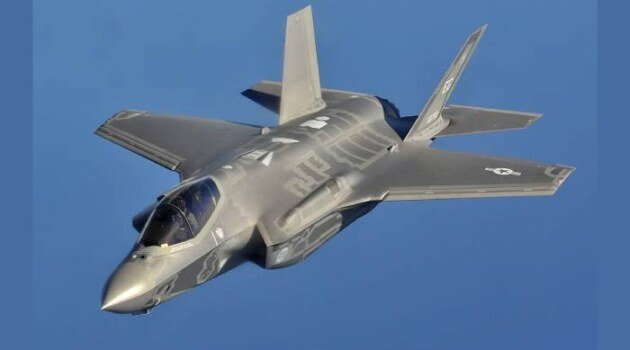
Singapore announced its intention to purchase the F-35B and F-35A variants in January 2020, with an initial order reportedly covering up to 12 aircraft in the first phase. The F-35B variant, capable of short takeoff and vertical landing (STOVL), offers unique operational flexibility for Singapore’s space-constrained environment, while the conventional takeoff and landing F-35A provides complementary capabilities.
The procurement decision followed years of evaluation and came after Singapore’s participation in the F-35 program as a Security Cooperation Participant since 2003. This long-standing involvement provided RSAF personnel valuable exposure to the platform’s development and operational concepts well before finalizing the purchase.
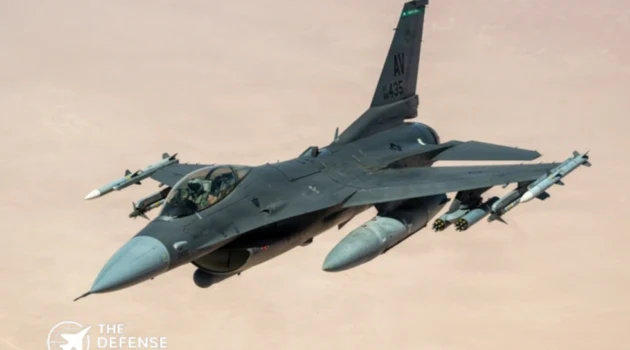
Defense officials indicated that the F-35 acquisition aligns with Singapore’s comprehensive fleet modernization strategy, which includes replacing aging F-16C/D Fighting Falcons that have served as the backbone of the RSAF fighter force for decades.
Technical Capabilities And Strategic Implications
The F-35 Lightning II brings transformative capabilities to the Republic of Singapore Air Force, including advanced stealth characteristics, sensor fusion technology, and network-centric warfare capabilities that far exceed fourth-generation platforms. The aircraft’s AN/APG-81 Active Electronically Scanned Array (AESA) radar, Electro-Optical Targeting System (EOTS), and Distributed Aperture System (DAS) create an unprecedented situational awareness picture for pilots.
(adsbygoogle = window.adsbygoogle || []).push({});Singapore’s F-35 fleet will provide critical advantages in contested airspace scenarios, including the ability to detect, track, and engage threats while remaining difficult to detect. The aircraft’s advanced electronic warfare suite and low-observable design enable operations in highly defended environments that would pose significant challenges to conventional fighters.
The stealth fighter’s interoperability with U.S. and allied forces represents another strategic dimension. As tensions in the South China Sea and broader Indo-Pacific region continue, Singapore’s F-35s will enhance coalition operations and information sharing with other F-35 operators including the United States, Australia, Japan, and South Korea.
Training And Infrastructure Development
Preparing for F-35 operations has required substantial investments in infrastructure, training, and support systems. According to industry sources, RSAF pilots and maintainers have been conducting training at U.S. facilities, including Luke Air Force Base in Arizona, which hosts international F-35 training operations.
Singapore has also invested in specialized maintenance facilities, secure communications infrastructure, and Autonomic Logistics Information System (ALIS) — now transitioning to the Operational Data Integrated Network (ODIN) — to support F-35 operations. These systems enable predictive maintenance and global sustainment coordination essential for maintaining the sophisticated fifth-generation platform.
The training pipeline for F-35 pilots typically requires 12-18 months, beginning with academic instruction on aircraft systems, followed by simulator training, and culminating in live flying operations. RSAF personnel have reportedly been progressing through this pipeline in preparation for the aircraft’s arrival.
Regional Context And Balance Of Power
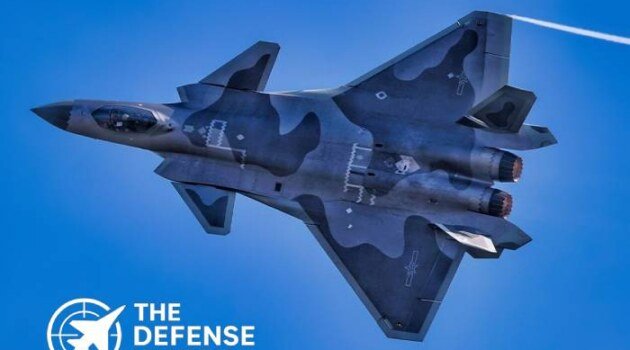
Singapore’s F-35 acquisition occurs against a backdrop of significant military modernization across the Asia-Pacific region. China has deployed its own fifth-generation fighters, including the J-20 and FC-31/J-35, while neighboring countries have pursued advanced fourth-generation-plus platforms.
The arrival of F-35s in Singapore reinforces the nation’s defense deterrence posture without dramatically altering regional military balances. Singapore has historically maintained a policy of active defense and technological superiority to compensate for its small geographic size and limited strategic depth.
(adsbygoogle = window.adsbygoogle || []).push({});Defense analysts note that Singapore’s F-35 fleet will likely focus on air defense, maritime strike, and intelligence, surveillance, and reconnaissance (ISR) missions within the immediate region. The aircraft’s advanced sensors make it particularly valuable for monitoring maritime approaches and contested waters, including critical sea lanes through the Strait of Malacca.
Economic And Industrial Participation
Singapore’s involvement in the F-35 program extends beyond simple procurement. Local defense companies have secured positions in the global F-35 supply chain, providing components and support services for the international fleet of over 1,000 aircraft across multiple operators.
ST Engineering, Singapore’s defense industrial champion, manufactures components including aircraft structures and participates in maintenance, repair, and overhaul activities for the F-35 program. This industrial participation generates economic returns while building domestic expertise in advanced aerospace technologies.
The F-35 program office has emphasized that Security Cooperation Participants like Singapore benefit from technology transfer opportunities, industrial partnerships, and long-term sustainment contracts that extend well beyond initial aircraft deliveries.
Operational Timeline And Fleet Expansion
While the first F-35 deliveries are expected in late 2026, achieving full operational capability will require additional time for pilot training, tactics development, and operational testing under tropical conditions specific to Southeast Asia. Defense sources suggest initial operational capability could be achieved by 2027-2028.
Singapore has indicated that the F-35 acquisition may extend beyond the initial batch, with potential for additional orders as older F-16 fighters reach the end of their service lives. The RSAF currently operates approximately 60 F-16C/D aircraft alongside F-15SG Strike Eagles, and the F-35 is positioned to eventually replace the F-16 fleet entirely.
The phased approach allows Singapore to manage costs, develop operational expertise gradually, and assess the platform’s performance before committing to larger fleet numbers. This measured strategy reflects Singapore’s typically prudent approach to major defense acquisitions.
Challenges And Considerations
Operating the F-35 in Singapore’s tropical environment presents unique challenges, including high temperatures, humidity, and corrosive salt air that can affect aircraft systems and maintenance requirements. The RSAF will need to develop location-specific maintenance procedures and potentially modify existing infrastructure to accommodate the platform’s environmental sensitivities.
The F-35’s operating costs, which remain higher than fourth-generation fighters despite continuous reduction efforts, will require sustained defense budget commitments. Singapore’s robust economy and consistent defense spending — typically 3-4% of GDP — position the nation to sustain F-35 operations long-term.
Cybersecurity considerations also factor prominently, as the F-35’s network-centric design and reliance on software updates require robust information security measures. Singapore has invested heavily in cyber defense capabilities that will support secure F-35 operations.
(adsbygoogle = window.adsbygoogle || []).push({});International Cooperation And Partnerships
Singapore’s F-35 acquisition strengthens defense ties with the United States, already formalized through multiple agreements including the 1990 Memorandum of Understanding on U.S. military access to Singapore’s facilities. The F-35 program includes extensive information sharing, joint training opportunities, and coordinated sustainment activities that deepen bilateral defense cooperation.
The platform also facilitates multilateral cooperation with other regional F-35 operators. Australia, Japan, and South Korea all operate F-35s, creating opportunities for combined exercises, tactics development, and interoperability enhancement across the Indo-Pacific theater.
Singapore’s Defense Minister has emphasized that the F-35 acquisition supports the nation’s commitment to regional stability and its role as a responsible stakeholder in Southeast Asian security architecture. The RSAF regularly participates in multilateral exercises including Red Flag, Cope Tiger, and Pitch Black, where F-35 integration will enhance training value.
Looking Ahead: Future Capabilities
The F-35 program continues evolving through ongoing software upgrades and capability enhancements under the Continuous Capability Development and Delivery (C2D2) process. Singapore’s aircraft will benefit from these improvements, including enhanced weapons integration, improved electronic warfare capabilities, and advanced networking features.
(adsbygoogle = window.adsbygoogle || []).push({});Future Block 4 upgrades promise significant capability expansions, including integration of new weapons, improved radar performance, and enhanced survivability features. As these upgrades become available, Singapore’s F-35 fleet will maintain its technological edge throughout its multi-decade service life.
The RSAF has also expressed interest in unmanned systems and loyal wingman concepts that could operate alongside manned F-35s, potentially including platforms like the MQ-28 Ghost Bat being developed by Australia and Boeing. Such collaborative combat aircraft could multiply F-35 effectiveness while reducing pilot risk in high-threat scenarios.