China Expands Defense Aviation Presence at Asia’s Largest Aerospace Exhibition
China leveraged Singapore Airshow 2026 to demonstrate military and aviation capabilities, attracting significant attention from regional delegations as Beijing intensifies its Southeast Asian influence campaig. The February 3-8 exhibition at Changi Exhibition Centre marked a strategic moment for Chinese defense manufacturers, occurring against a backdrop of evolving regional security calculations and uncertainty regarding U.S. alliance commitments under the Trump administration.
The biennial Singapore Airshow represents Asia’s most influential international aerospace and defense exhibition, with over 100,000 expected attendees and more than 1,000 companies from 50 countries. This year’s event provided Chinese state-owned manufacturers an unprecedented platform to showcase advanced military platforms alongside commercial aviation products.
J-35A Stealth Fighter Makes International Exhibition Debut
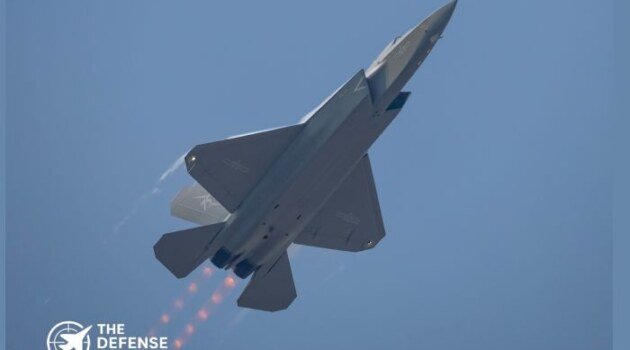
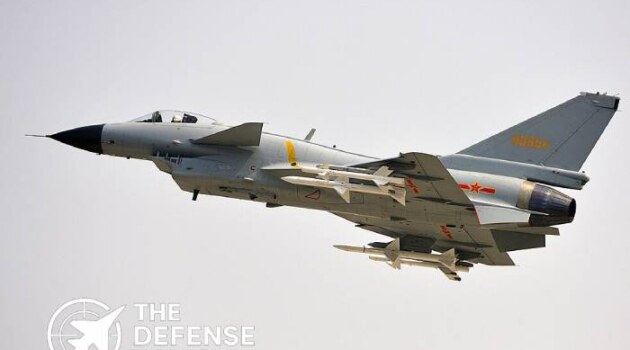
Aviation Industry Corporation of China (AVIC) displayed a detailed scale model of the J-35A stealth fighter alongside the J-10CE export variant marking the most comprehensive public presentation of the land-based fifth-generation aircraft to international observers. The J-35A represents China’s second indigenous stealth fighter platform, designed to complement the heavier J-20 in People’s Liberation Army Air Force (PLAAF) operations.
Chinese defense analysts characterized the J-35A as offering balanced performance, reliability, maintainability and cost considerations based on PLAAF feedback from J-20 operations. The twin-engine configuration differs from carrier-capable J-35 variants, optimizing the platform for conventional runway operations and mainland air defense integration.
AVIC indicated the J-35A’s primary mission focuses on achieving and maintaining air superiority, with secondary strike capabilities against land and maritime targets The platform is designed for engagement of hostile aircraft including fighters and bombers, cruise missile intercept, and neutralization of adversary air defense systems.
Defense industry observers note the Singapore presentation signals program maturity and China’s readiness to position the aircraft for international procurement consideration beyond Western fifth-generation platforms.
PLAAF Bayi Aerobatic Team Demonstrates J-10C Capabilities
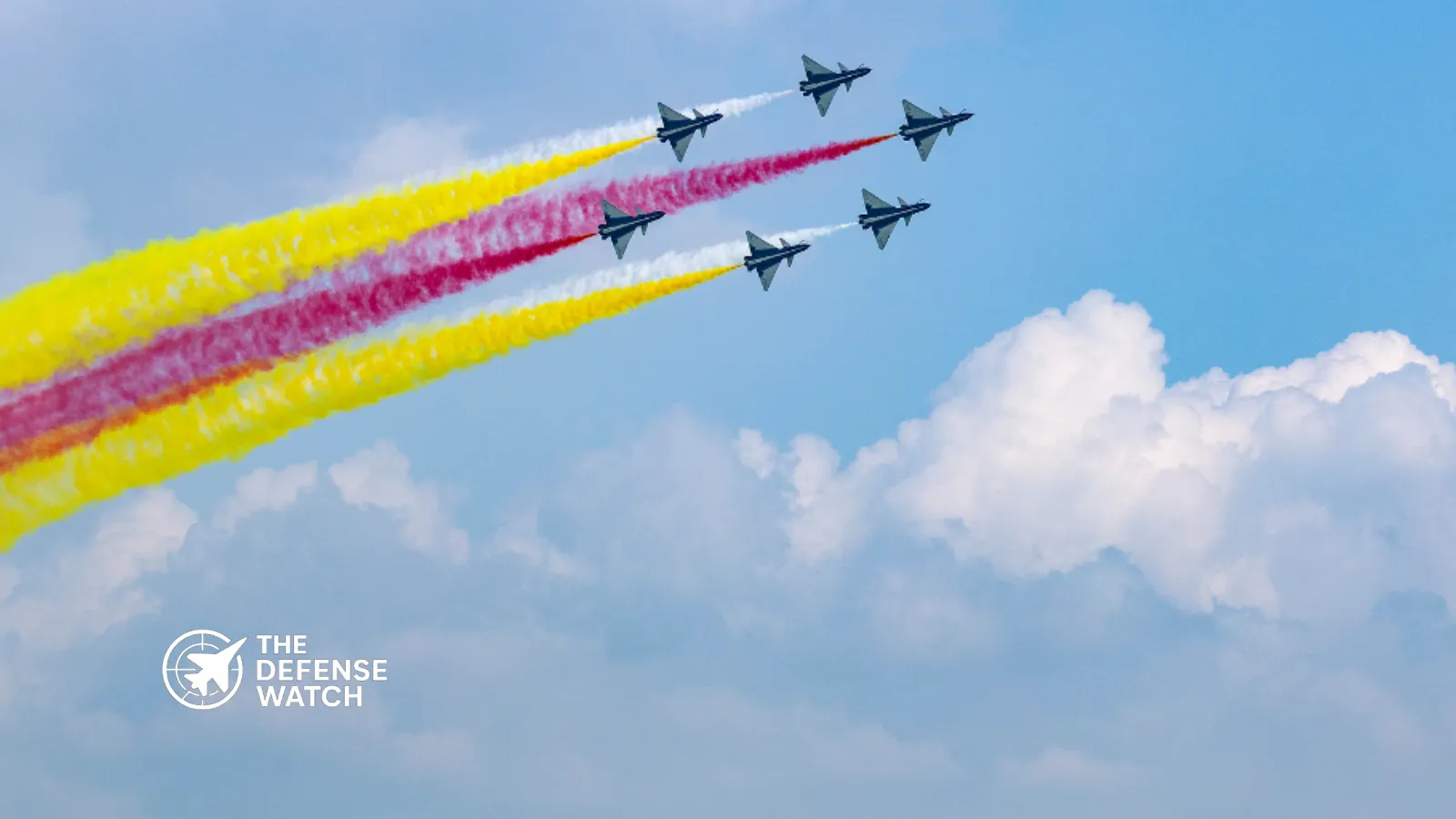
The PLAAF’s Bayi Aerobatic Team conducted its Singapore Airshow debut flying J-10C fighters, executing multiple performances showcasing aircraft maneuverability and controllability. The team deployed six aircraft—three J-10SY and three J-10CY variants—performing various formations, solo maneuvers and colored smoke displays.
The aerobatic team flew directly to Singapore from southwestern China utilizing in-flight refueling support from a YU-20A tanker aircraft, demonstrating extended-range operational capabilities and combat-oriented training standards now widely adopted across PLAAF units.
The J-10C features AESA radar and diverterless intake configurations compared to earlier variants. The platform gained international attention following its May 2025 combat debut with Pakistan Air Force during clashes with Indian forces, where the export J-10CE variant reportedly engaged Indian Rafale fighters.
(adsbygoogle = window.adsbygoogle || []).push({});Chinese aviation experts indicated the flight demonstrations provide potential international customers direct observation of J-10C flight characteristics, potentially increasing interest in the export-configured J-10CE.
COMAC Advances Commercial Aviation Export Campaign
State-owned Commercial Aircraft Corporation of China (COMAC) continued its international commercial aviation push, conducting flight demonstrations of the C919 narrowbody airliner while showcasing C929 widebody development models.
The C919 seats 158 to 192 passengers with range between 4,075 and 5,555 kilometers. COMAC also presented specialized C909 regional aircraft variants, including medical rescue and firefighting configurations, targeting niche aviation markets.
COMAC secured orders for six C909 firefighting aircraft during the exhibition, including three firm contracts and three letters of intent with Shanxi Victory General Aviation. Indonesian airline TransNusa displayed an operational C909, demonstrating international service capability.
Chinese delegates indicated Southeast Asia represents a priority target market for COMAC, with Indonesian attendees among those inquiring about aircraft procurement. However, Western analysts note establishing the global support infrastructure and certification necessary to challenge Airbus and Boeing dominance will require extended timeframes.
Geopolitical Context Shapes Regional Defense Procurement Considerations
The Chinese aviation展示 occurred during a politically sensitive period, with Southeast Asian governments expressing increased concern regarding U.S. security commitments under a more isolationist Washington administration.
President Trump’s vocal criticism of U.S. allies and implementation of tariffs has created potential openings for Chinese defense manufacturers. A senior Western arms company official noted that while delegation attendance remained consistent, the nature of procurement discussions had fundamentally shifted.
China defense specialist Bradley Perrett assessed that Chinese arms manufacturers may perceive opportunities if countries lose confidence in American procurement reliability, though most U.S. customers would likely prioritize European, South Korean and Japanese equipment when seeking alternative suppliers.
Asia-Pacific defense spending continues expanding as regional nations respond to China’s sustained military modernization and increasingly assertive regional posture. The strategic calculations driving procurement decisions now incorporate concerns regarding supplier reliability and alliance stability alongside traditional capability and interoperability considerations.
U.S. Defense Industry Maintains Regional Presence
Multiple U.S. drone manufacturers made Singapore Airshow debuts, seeking to expand business beyond Pentagon contracts into Asian markets increasingly concerned about Chinese military capabilities. Companies including Anduril Industries and Shield AI showcased unmanned systems and artificial intelligence-enabled military technologies.
(adsbygoogle = window.adsbygoogle || []).push({});The lethal effectiveness of unmanned systems in Ukraine has driven significant Silicon Valley investment in drone and military AI startups, reshaping major airshow character beyond traditional manned platforms. U.S. manufacturers emphasized providing regional partners advanced capabilities for countering evolving aerial threats.
Despite geopolitical tensions and tariff concerns, American defense contractors maintained substantial exhibition presence, highlighting continued commitment to Indo-Pacific partnerships and technology transfer programs supporting allied defense modernization.
Analysis and Strategic Implications
Singapore Airshow 2026 reflected fundamental shifts in regional defense industrial dynamics and procurement considerations. China’s expanded presence—combining fifth-generation fighter technology, proven fourth-generation platforms with combat experience, and commercial aviation alternatives—demonstrates sustained commitment to establishing credibility as comprehensive aerospace supplier.
The J-35A presentation signals Chinese confidence in fifth-generation technology maturity and willingness to compete internationally in advanced combat aircraft markets previously dominated by American platforms. For nations unable to procure F-35s due to political considerations or budgetary constraints, the J-35A may eventually represent an alternative fifth-generation option.
However, significant barriers remain before Chinese military aviation products achieve mass international adoption. These include certification requirements, establishing global maintenance and logistics infrastructure, integration with existing Western-equipped forces, and ongoing concerns regarding technology transfer implications and political dependencies.
The geopolitical context—particularly uncertainty regarding U.S. alliance commitments and trade policies—creates conditions potentially favorable to Chinese defense export expansion. Regional nations may increasingly pursue procurement diversification strategies, reducing dependence on single suppliers while maintaining interoperability with primary security partners.
(adsbygoogle = window.adsbygoogle || []).push({});Industry observers anticipate continued Chinese investment in international airshow presence and customer engagement, particularly targeting markets where political considerations complicate Western defense procurement or where cost-effectiveness considerations prioritize capable fourth-generation platforms over more expensive fifth-generation alternatives.
The Singapore exhibition demonstrated that while Western defense manufacturers retain technological advantages and established customer relationships, China has achieved capability levels warranting serious consideration in specific market segments and geographic regions, fundamentally altering the competitive landscape for defense aviation exports across the Indo-Pacific.