China Expands Defense Aviation Presence at Asia’s Largest Aerospace Exhibition
China leveraged Singapore Airshow 2026 to demonstrate military and aviation capabilities, attracting significant attention from regional delegations as Beijing intensifies its Southeast Asian influence campaig. The February 3-8 exhibition at Changi Exhibition Centre marked a strategic moment for Chinese defense manufacturers, occurring against a backdrop of evolving regional security calculations and uncertainty regarding U.S. alliance commitments under the Trump administration.
(adsbygoogle = window.adsbygoogle || []).push({});The biennial Singapore Airshow represents Asia’s most influential international aerospace and defense exhibition, with over 100,000 expected attendees and more than 1,000 companies from 50 countries. This year’s event provided Chinese state-owned manufacturers an unprecedented platform to showcase advanced military platforms alongside commercial aviation products.
J-35A Stealth Fighter Makes International Exhibition Debut
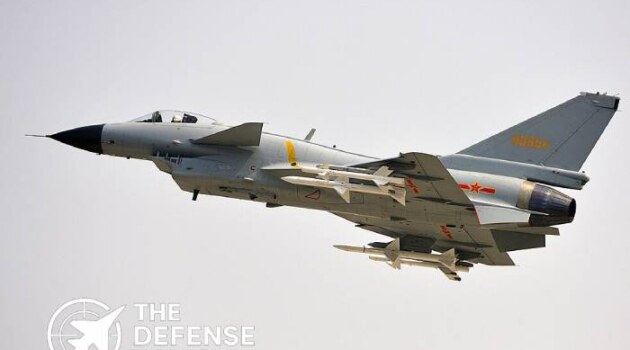
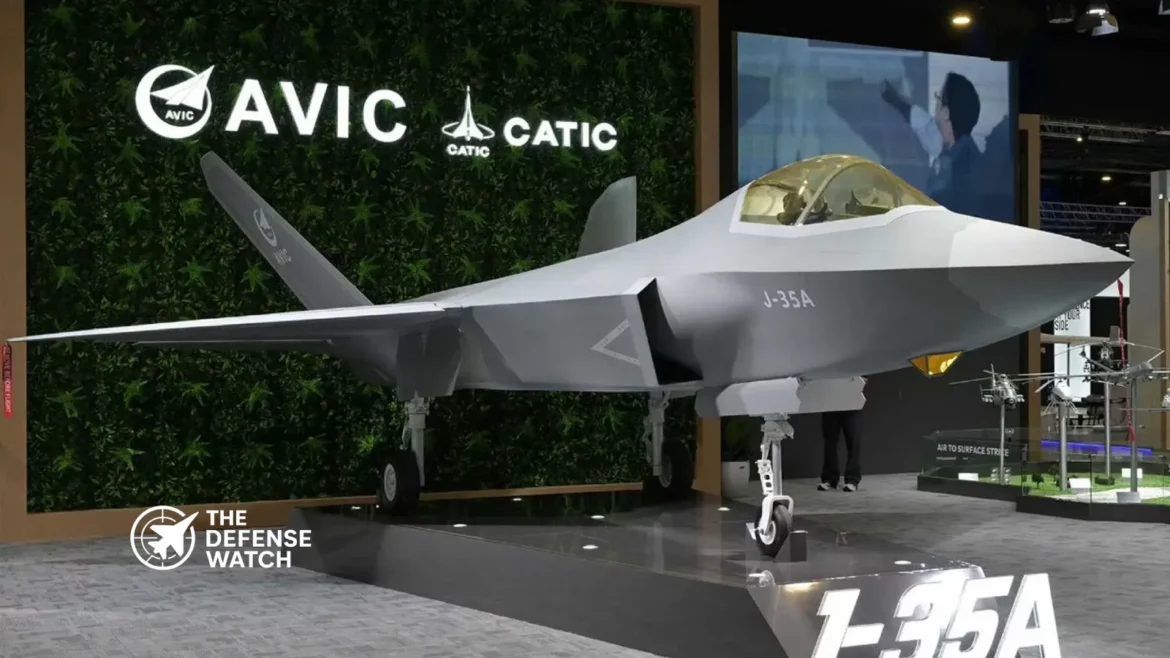
Aviation Industry Corporation of China (AVIC) displayed a detailed scale model of the J-35A stealth fighter alongside the J-10CE export variant marking the most comprehensive public presentation of the land-based fifth-generation aircraft to international observers. The J-35A represents China’s second indigenous stealth fighter platform, designed to complement the heavier J-20 in People’s Liberation Army Air Force (PLAAF) operations.
Chinese defense analysts characterized the J-35A as offering balanced performance, reliability, maintainability and cost considerations based on PLAAF feedback from J-20 operations. The twin-engine configuration differs from carrier-capable J-35 variants, optimizing the platform for conventional runway operations and mainland air defense integration.
AVIC indicated the J-35A’s primary mission focuses on achieving and maintaining air superiority, with secondary strike capabilities against land and maritime targets The platform is designed for engagement of hostile aircraft including fighters and bombers, cruise missile intercept, and neutralization of adversary air defense systems.
Defense industry observers note the Singapore presentation signals program maturity and China’s readiness to position the aircraft for international procurement consideration beyond Western fifth-generation platforms.
PLAAF Bayi Aerobatic Team Demonstrates J-10C Capabilities
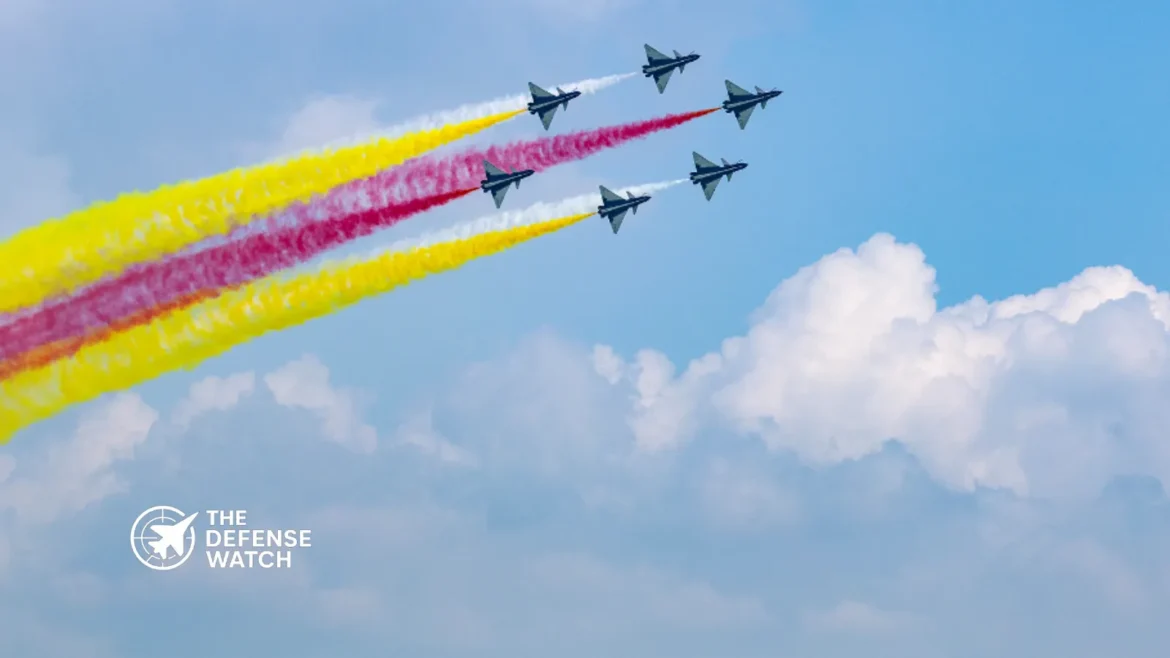
The PLAAF’s Bayi Aerobatic Team conducted its Singapore Airshow debut flying J-10C fighters, executing multiple performances showcasing aircraft maneuverability and controllability. The team deployed six aircraft—three J-10SY and three J-10CY variants—performing various formations, solo maneuvers and colored smoke displays.
The aerobatic team flew directly to Singapore from southwestern China utilizing in-flight refueling support from a YU-20A tanker aircraft, demonstrating extended-range operational capabilities and combat-oriented training standards now widely adopted across PLAAF units.
The J-10C features AESA radar and diverterless intake configurations compared to earlier variants. The platform gained international attention following its May 2025 combat debut with Pakistan Air Force during clashes with Indian forces, where the export J-10CE variant reportedly engaged Indian Rafale fighters.
(adsbygoogle = window.adsbygoogle || []).push({});Chinese aviation experts indicated the flight demonstrations provide potential international customers direct observation of J-10C flight characteristics, potentially increasing interest in the export-configured J-10CE.
COMAC Advances Commercial Aviation Export Campaign
State-owned Commercial Aircraft Corporation of China (COMAC) continued its international commercial aviation push, conducting flight demonstrations of the C919 narrowbody airliner while showcasing C929 widebody development models.
The C919 seats 158 to 192 passengers with range between 4,075 and 5,555 kilometers. COMAC also presented specialized C909 regional aircraft variants, including medical rescue and firefighting configurations, targeting niche aviation markets.
COMAC secured orders for six C909 firefighting aircraft during the exhibition, including three firm contracts and three letters of intent with Shanxi Victory General Aviation. Indonesian airline TransNusa displayed an operational C909, demonstrating international service capability.
Chinese delegates indicated Southeast Asia represents a priority target market for COMAC, with Indonesian attendees among those inquiring about aircraft procurement. However, Western analysts note establishing the global support infrastructure and certification necessary to challenge Airbus and Boeing dominance will require extended timeframes.
Geopolitical Context Shapes Regional Defense Procurement Considerations
The Chinese aviation展示 occurred during a politically sensitive period, with Southeast Asian governments expressing increased concern regarding U.S. security commitments under a more isolationist Washington administration.
President Trump’s vocal criticism of U.S. allies and implementation of tariffs has created potential openings for Chinese defense manufacturers. A senior Western arms company official noted that while delegation attendance remained consistent, the nature of procurement discussions had fundamentally shifted.
China defense specialist Bradley Perrett assessed that Chinese arms manufacturers may perceive opportunities if countries lose confidence in American procurement reliability, though most U.S. customers would likely prioritize European, South Korean and Japanese equipment when seeking alternative suppliers.
Asia-Pacific defense spending continues expanding as regional nations respond to China’s sustained military modernization and increasingly assertive regional posture. The strategic calculations driving procurement decisions now incorporate concerns regarding supplier reliability and alliance stability alongside traditional capability and interoperability considerations.
U.S. Defense Industry Maintains Regional Presence
Multiple U.S. drone manufacturers made Singapore Airshow debuts, seeking to expand business beyond Pentagon contracts into Asian markets increasingly concerned about Chinese military capabilities. Companies including Anduril Industries and Shield AI showcased unmanned systems and artificial intelligence-enabled military technologies.
(adsbygoogle = window.adsbygoogle || []).push({});The lethal effectiveness of unmanned systems in Ukraine has driven significant Silicon Valley investment in drone and military AI startups, reshaping major airshow character beyond traditional manned platforms. U.S. manufacturers emphasized providing regional partners advanced capabilities for countering evolving aerial threats.
Despite geopolitical tensions and tariff concerns, American defense contractors maintained substantial exhibition presence, highlighting continued commitment to Indo-Pacific partnerships and technology transfer programs supporting allied defense modernization.
Analysis and Strategic Implications
Singapore Airshow 2026 reflected fundamental shifts in regional defense industrial dynamics and procurement considerations. China’s expanded presence—combining fifth-generation fighter technology, proven fourth-generation platforms with combat experience, and commercial aviation alternatives—demonstrates sustained commitment to establishing credibility as comprehensive aerospace supplier.
The J-35A presentation signals Chinese confidence in fifth-generation technology maturity and willingness to compete internationally in advanced combat aircraft markets previously dominated by American platforms. For nations unable to procure F-35s due to political considerations or budgetary constraints, the J-35A may eventually represent an alternative fifth-generation option.
However, significant barriers remain before Chinese military aviation products achieve mass international adoption. These include certification requirements, establishing global maintenance and logistics infrastructure, integration with existing Western-equipped forces, and ongoing concerns regarding technology transfer implications and political dependencies.
The geopolitical context—particularly uncertainty regarding U.S. alliance commitments and trade policies—creates conditions potentially favorable to Chinese defense export expansion. Regional nations may increasingly pursue procurement diversification strategies, reducing dependence on single suppliers while maintaining interoperability with primary security partners.
(adsbygoogle = window.adsbygoogle || []).push({});Industry observers anticipate continued Chinese investment in international airshow presence and customer engagement, particularly targeting markets where political considerations complicate Western defense procurement or where cost-effectiveness considerations prioritize capable fourth-generation platforms over more expensive fifth-generation alternatives.
The Singapore exhibition demonstrated that while Western defense manufacturers retain technological advantages and established customer relationships, China has achieved capability levels warranting serious consideration in specific market segments and geographic regions, fundamentally altering the competitive landscape for defense aviation exports across the Indo-Pacific.
China Reveals Advanced J-35A Stealth Fighter Platform
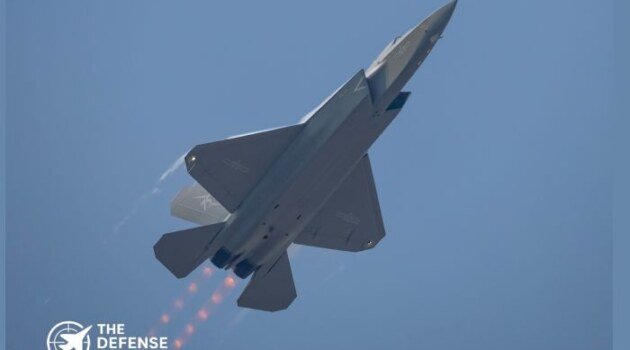
China’s state-owned Aviation Industry Corporation of China (AVIC) unveiled a detailed scale model of the J-35A stealth fighter at Singapore Airshow 2026, marking the clearest public presentation of the land-based fifth-generation aircraft to date. The February 3-8 exhibition at Changi Exhibition Centre provided international observers with the first comprehensive look at the People’s Liberation Army Air Force (PLAAF) platform designed to complement China’s existing J-20 heavy stealth fighter.
(adsbygoogle = window.adsbygoogle || []).push({});The J-35A represents Beijing’s continued advancement in low-observable combat aircraft technology and signals China’s intent to field a diversified fifth-generation air combat force across multiple mission profiles.
Technical Design and Stealth Characteristics
The scale model displayed at Singapore showcases several hallmark fifth-generation design elements optimized for reduced radar cross-section and enhanced survivability in contested airspace. The aircraft features diverterless supersonic intakes, canted twin vertical stabilizers, and edge-aligned control surfaces that minimize radar returns.
AVIC’s presentation emphasizes the J-35A’s blended fuselage lines and internal weapons bay configuration, which eliminates external stores during combat operations to maintain stealth characteristics. This design philosophy aligns with contemporary multi-domain air combat concepts employed by advanced air forces worldwide.
The platform’s aerodynamic shaping suggests optimization for both air superiority and precision strike missions, with geometry balancing stealth, maneuverability, and payload capacity requirements.
Strategic Role Within PLAAF Modernization
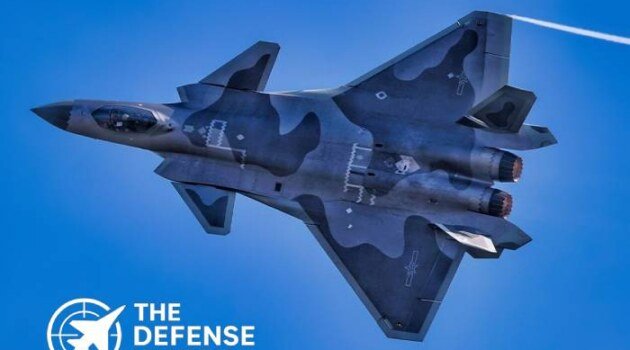
Defense analysts characterize the J-35A as a complementary system to China’s heavier J-20 stealth fighter, potentially offering the PLAAF a more flexible and numerically scalable fifth-generation option for various operational scenarios. The land-based configuration differs from naval variants associated with carrier aviation programs.
Unlike carrier-capable variants that require reinforced structures and specialized landing systems, the J-35A is optimized for conventional runway operations and integration into mainland air defense architectures. This design choice potentially reduces production complexity and maintenance demands compared to navalized versions.
Industry observers note the aircraft is expected to incorporate advanced sensor suites including active electronically scanned array (AESA) radar systems, electro-optical targeting capabilities, and comprehensive sensor fusion architecture designed to support network-centric operations.
Propulsion and Indigenous Technology Development
While AVIC did not release detailed performance specifications during the Singapore exhibition, the J-35A model configuration suggests compatibility with China’s latest-generation indigenous turbofan engines. This reflects Beijing’s ongoing efforts to achieve complete autonomy in high-performance military propulsion systems, reducing dependence on foreign technology suppliers.
(adsbygoogle = window.adsbygoogle || []).push({});The propulsion system development represents a critical component of China’s broader defense industrial modernization strategy, enabling sustained production and operational deployment without external dependencies.
International Exhibition Strategic Messaging
AVIC’s decision to showcase the J-35A at one of Asia’s premier aerospace events carries significant strategic implications. Singapore Airshow attracts senior defense officials and procurement authorities from across the Indo-Pacific region, Middle East, and Africa, providing China with a platform to demonstrate advanced military aviation capabilities to potential partner nations.
The public display signals both program maturity and Beijing’s readiness to position the aircraft as a future option for countries seeking advanced combat aircraft beyond traditional Western suppliers. This export-oriented messaging aligns with China’s expanding defense industrial outreach to developing nations and regional partners.
Fifth-Generation Fighter Ecosystem Integration
The J-35A is designed to operate within China’s evolving networked air combat architecture, integrating with airborne early warning platforms, unmanned systems, and ground-based command nodes. This multi-domain integration approach reflects modern air warfare concepts emphasizing distributed operations and real-time information sharing.
The platform’s sensor fusion capabilities enable coordinated operations with other PLAAF assets, potentially including the heavier J-20 fighter in high-low force structure arrangements similar to those employed by other major air forces.
Regional Security Implications
The J-35A’s development occurs within the broader context of intensifying military modernization across the Indo-Pacific region. Multiple nations are acquiring or developing fifth-generation fighter capabilities, driving regional arms competition and altering established air power balances.
U.S. defense officials have previously noted China’s rapid advancement in stealth aircraft technology as a key factor in Indo-Pacific security planning. The J-35A’s emergence as a mature platform adds another dimension to regional military calculations and alliance defense planning considerations.
Future Development and Deployment Timeline
While official PLAAF deployment timelines remain undisclosed, the Singapore Airshow presentation suggests the J-35A program has progressed beyond initial development phases. Scale model displays at major international exhibitions typically indicate approaching operational deployment or active production preparation.
(adsbygoogle = window.adsbygoogle || []).push({});Defense industry analysts anticipate the PLAAF may pursue substantial J-35A procurement to complement existing fourth-generation fighter fleets and augment the more limited numbers of J-20 heavy fighters in service. This two-platform fifth-generation approach would provide operational flexibility across diverse mission requirements.
Comparative Analysis With Global Competitors
The J-35A enters a competitive global market for fifth-generation fighters dominated by the United States’ F-35 Lightning II family and supplemented by platforms including Russia’s Su-57, South Korea’s KF-21, and Turkey’s KAAN development program.
China’s ability to offer a stealth fighter option independent of Western political constraints may appeal to nations seeking advanced capabilities without alignment conditions or operational restrictions typically associated with U.S. defense exports.
Technology Transfer and Export Potential
Beijing’s historical approach to defense exports includes varying levels of technology transfer and co-production arrangements, particularly with long-term strategic partners. The J-35A’s presentation at Singapore suggests China may pursue similar export strategies with this platform, though specific arrangements would likely depend on recipient nation relationships and strategic alignment.
Export versions of Chinese military aircraft have previously featured modified avionics and weapons integration compared to PLAAF operational variants, a pattern that may continue with any potential J-35A international sales.

Singapore Giraffe 1X Radar Acquisition Confirmed
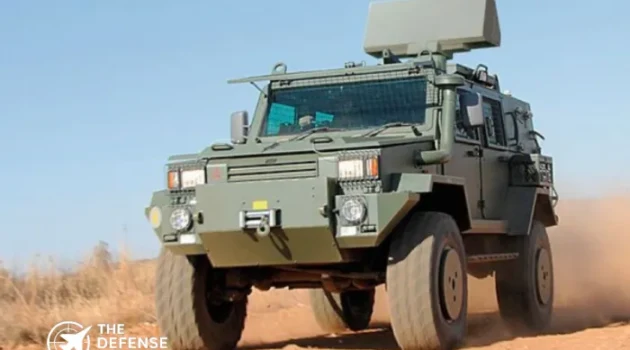
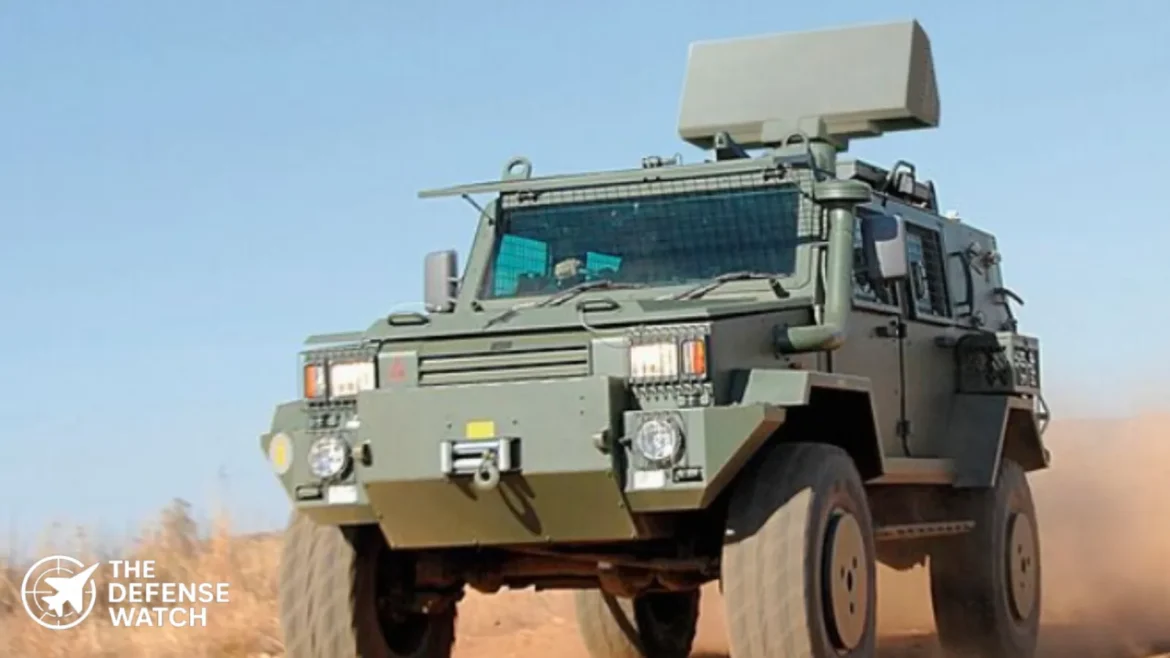
Singapore has confirmed plans to acquire the Saab Giraffe 1X radar, strengthening its short-range air defense and low-altitude surveillance capabilities, according to a report published by Janes at the Singapore Airshow 2026. The move reflects Singapore’s continued investment in modern, mobile air surveillance systems designed to counter emerging aerial threats, including unmanned aircraft and low-flying targets.
The announcement was made during the biennial airshow, one of Asia’s most important defense and aerospace exhibitions, where Singapore routinely outlines key modernization priorities for the Singapore Armed Forces.
Strengthening Short-Range Air Surveillance
The Giraffe 1X radar is a lightweight, three-dimensional air surveillance radar developed by Saab, optimized for short-range air defense missions. Designed for rapid deployment, the system provides detection, tracking, and classification of a wide range of aerial targets, including helicopters, fixed-wing aircraft, and small unmanned aerial systems.
According to Janes, the radar will support Singapore’s layered air defense architecture by enhancing situational awareness at low altitudes, a domain increasingly challenged by the proliferation of small drones and cruise missile threats. The system’s mobility allows it to be deployed quickly across different operational environments, including urban and littoral areas.
Saab has positioned the Giraffe 1X as a flexible sensor suitable for expeditionary forces and homeland defense roles, aligning closely with Singapore’s operational requirements.
Key Capabilities of the Giraffe 1X Radar
The Singapore Giraffe 1X radar offers several features relevant to modern air defense operations:
- Three-dimensional radar coverage with high update rates
- Detection of low, slow, and small aerial targets
- Integrated identification friend or foe support
- Compact design enabling vehicle-mounted or tripod-based deployment
- Low logistical footprint and rapid setup time
These characteristics make the Giraffe 1X particularly effective against asymmetric threats, including commercial and military drones, which have become a growing concern for regional militaries.
Integration with Singapore’s Air Defense Network
Singapore maintains a highly integrated air defense and command network, combining ground-based sensors, airborne early warning aircraft, and surface-to-air missile systems. The addition of the Giraffe 1X radar is expected to complement existing surveillance assets by filling coverage gaps at very low altitudes.
Janes notes that the radar can operate as a standalone sensor or be networked into broader command and control systems, supporting cueing for short-range air defense weapons. This aligns with Singapore’s emphasis on network-centric warfare and resilient C4ISR architectures.
While Singapore’s Ministry of Defence has not disclosed the number of systems to be acquired or delivery timelines, the confirmation at Singapore Airshow 2026 indicates the program has moved beyond the evaluation stage.
Saab’s Expanding Presence in Asian Defense Markets
Saab has steadily expanded its footprint across Asia, supplying radar, electronic warfare, and combat system solutions to several regional armed forces. The selection of the Giraffe 1X radar by Singapore further reinforces Saab’s position in the competitive air surveillance market.
The company has marketed the Giraffe family of radars as scalable solutions, ranging from short-range systems like the 1X to longer-range variants used for national air defense. Singapore’s choice reflects confidence in Saab’s sensor performance and system reliability.
Regional Context and Operational Relevance
The acquisition comes amid heightened regional focus on airspace security, driven by increased drone activity, congested air corridors, and the growing accessibility of low-cost aerial platforms. For a densely populated city-state like Singapore, early detection of low-altitude threats is a critical security requirement.
By investing in mobile, short-range radar systems, Singapore enhances its ability to protect critical infrastructure, military installations, and civilian airspace without relying solely on fixed sensor sites.