China deploys stealth destroyers toward Iranian waters
China deploys stealth destroyers toward Iranian waters as part of preparations for joint naval drills with Iran and Russia near the Strait of Hormuz, according to multiple regional defense and maritime tracking sources.
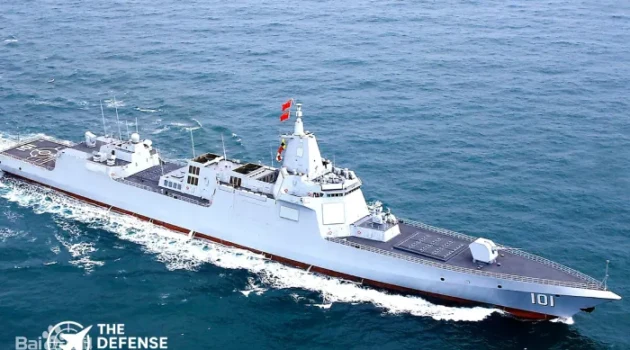
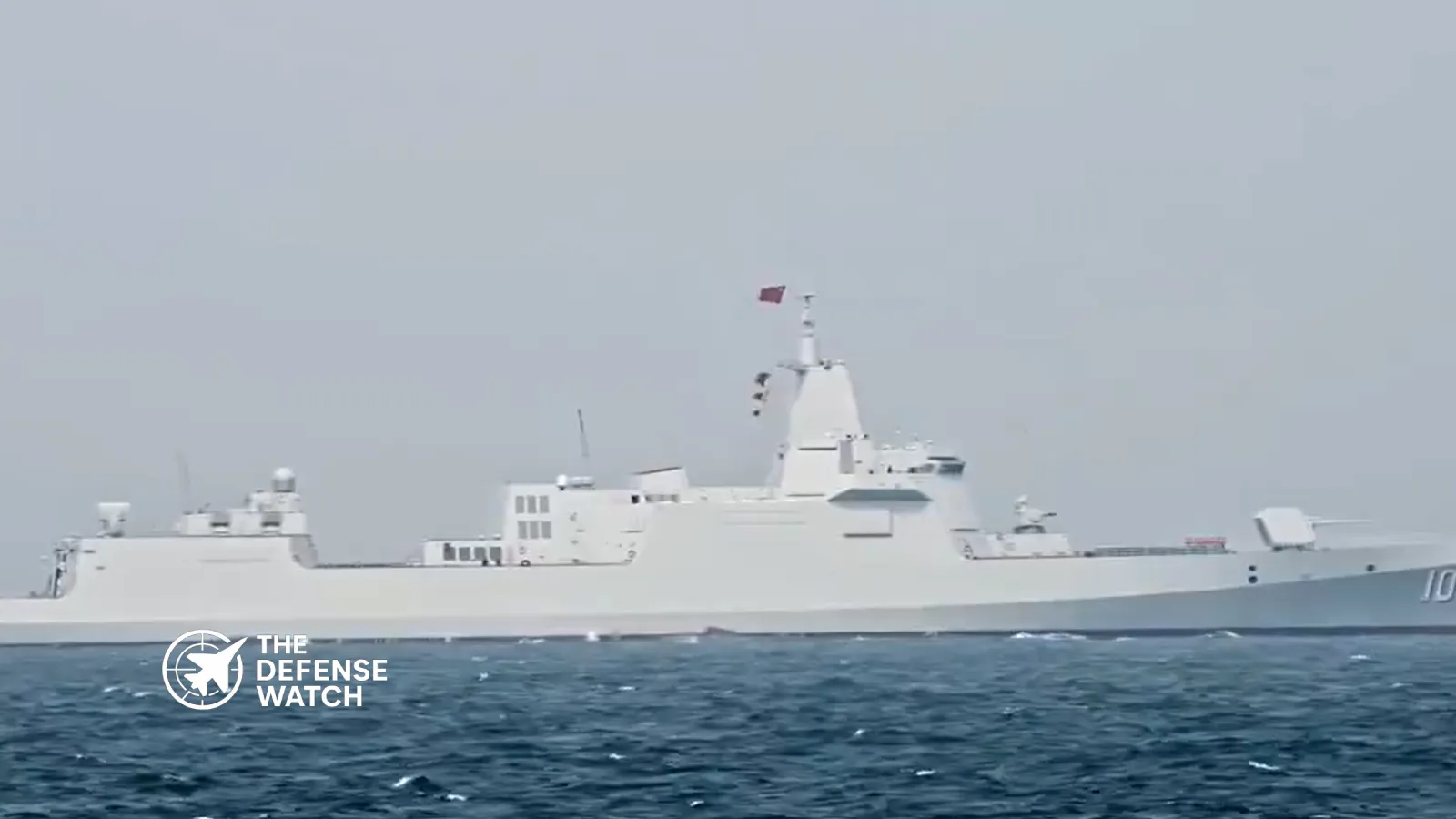
The deployment includes at least one Type 055 large guided missile destroyer and several Type 052D destroyers sailing west from the PLA Navy base complex on Hainan Island. The task group is assessed to be heading toward the Gulf of Oman and northern Indian Ocean, where trilateral exercises are expected to begin around February 1, 2026.
The drills are taking place against a backdrop of elevated regional tension, with Iran conducting live fire naval exercises near the Strait of Hormuz and a US Navy carrier strike group operating in the wider region.
Trilateral naval drills near a strategic chokepoint
The upcoming exercise is expected to follow previous iterations of the Security Belt maritime drills held by China, Iran, and Russia in 2019, 2022, 2023, and 2024. Those exercises focused on maritime security, counter piracy operations, and coordinated naval maneuvers in the Gulf of Oman.
While official details remain limited, Chinese and Iranian state media have confirmed preparations for a new trilateral naval engagement in early February. Russian defense outlets have also acknowledged Moscow’s participation with surface combatants from its Pacific Fleet.
The Strait of Hormuz remains one of the world’s most critical maritime chokepoints, carrying roughly one fifth of global oil shipments. Naval activity near the strait is closely monitored by the United States, Gulf states, and energy markets worldwide.
Type 055 and Type 052D, China’s top surface combatants
The deployment marks one of the most distant operational appearances of the PLA Navy’s most advanced surface warships.
The Type 055 destroyer, often described by Western analysts as cruiser sized, displaces over 12,000 tons and carries up to 112 vertical launch system cells. These can accommodate long range surface to air missiles, anti ship cruise missiles, land attack weapons, and anti submarine rockets.
Type 055 ships are equipped with advanced phased array radar systems, integrated electronic warfare suites, and reduced radar cross section hull shaping. They are designed for fleet air defense, long range strike, and command roles within carrier or expeditionary task groups.
The Type 052D destroyer complements the larger platform with a 64 cell vertical launch system, modern sensors, and proven blue water endurance. Together, the two classes form the backbone of China’s modern surface fleet.
Expanding Chinese naval presence in the Middle East
China’s decision to send high end surface combatants toward Iranian waters underscores the PLA Navy’s expanding operational reach well beyond the Western Pacific.
Over the past decade, China has steadily increased its naval presence in the Indian Ocean, Gulf of Aden, and Middle East through anti piracy patrols, port visits, and joint exercises. Beijing maintains a permanent logistics base in Djibouti, supporting sustained operations in the region.
Defense analysts view the deployment as a signal of China’s growing interest in protecting sea lines of communication that support its energy imports from the Middle East. More than 40 percent of China’s crude oil imports transit the Strait of Hormuz.
Strategic messaging amid US and Iranian naval activity
The exercises come as Iran conducts its own live fire naval drills in and around the Strait of Hormuz, showcasing anti ship missiles, fast attack craft, and unmanned systems operated by the Islamic Revolutionary Guard Corps Navy.
At the same time, the US Navy has maintained a visible presence in the region, including the Nimitz class aircraft carrier USS Abraham Lincoln and its accompanying strike group operating in the Arabian Sea and Gulf of Oman.
US defense officials have repeatedly stated that American forces remain prepared to ensure freedom of navigation and deter any attempts to disrupt commercial shipping through the strait.
China and Russia have both framed their participation in trilateral drills as defensive and focused on regional stability. Western officials, however, see the exercises as part of a broader effort by Beijing and Moscow to deepen military ties with Tehran and challenge US naval dominance in key maritime corridors.
Russia’s role and broader geopolitical context
Russia’s involvement is expected to include surface combatants and support vessels from its Pacific Fleet, continuing a pattern of regular joint drills with China despite Moscow’s ongoing military commitments elsewhere.
For Moscow, participation reinforces its strategic alignment with both Beijing and Tehran, while demonstrating continued global naval reach.
For Iran, hosting advanced Chinese and Russian warships provides political signaling and operational experience alongside two permanent members of the UN Security Council.
What to watch next
Naval analysts will closely monitor the scope and complexity of the drills, including any live fire events, integrated air defense exercises, or coordinated command and control operations.
The presence of a Type 055 destroyer in particular will draw attention, as it offers rare insight into how China employs its most capable surface combatant in distant waters.
Any interaction between the trilateral task group and US or allied naval forces operating nearby will also be scrutinized for signs of escalation or deconfliction.