China deploys stealth destroyers toward Iranian waters
China deploys stealth destroyers toward Iranian waters as part of preparations for joint naval drills with Iran and Russia near the Strait of Hormuz, according to multiple regional defense and maritime tracking sources.
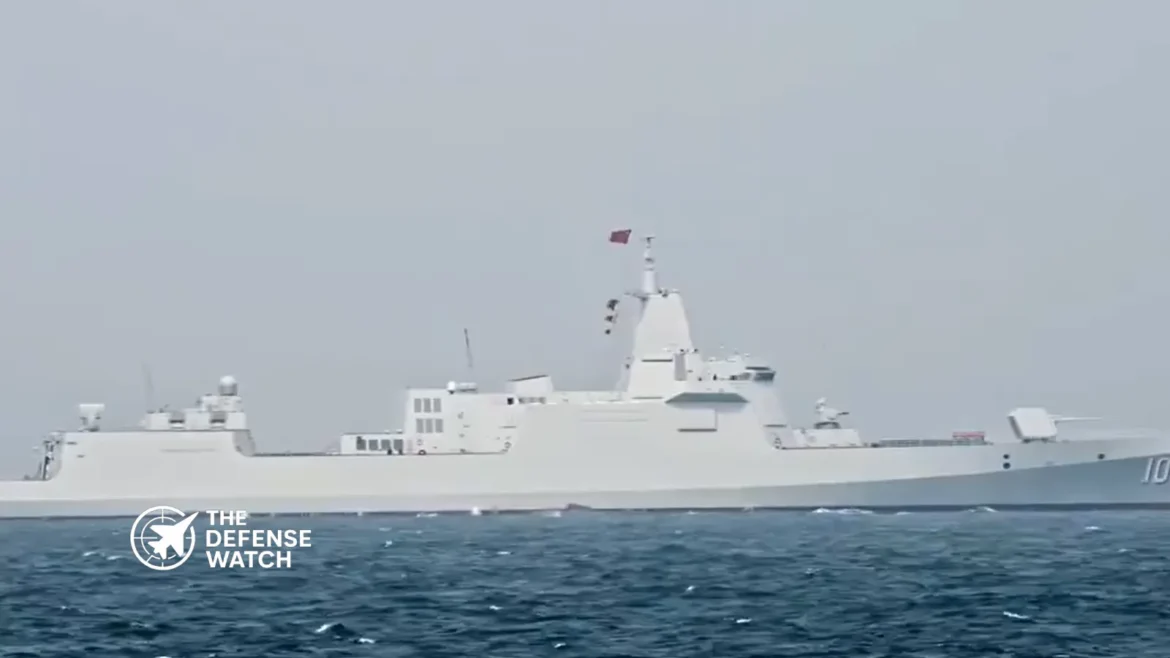
The deployment includes at least one Type 055 large guided missile destroyer and several Type 052D destroyers sailing west from the PLA Navy base complex on Hainan Island. The task group is assessed to be heading toward the Gulf of Oman and northern Indian Ocean, where trilateral exercises are expected to begin around February 1, 2026.
(adsbygoogle = window.adsbygoogle || []).push({});The drills are taking place against a backdrop of elevated regional tension, with Iran conducting live fire naval exercises near the Strait of Hormuz and a US Navy carrier strike group operating in the wider region.
Trilateral naval drills near a strategic chokepoint
The upcoming exercise is expected to follow previous iterations of the Security Belt maritime drills held by China, Iran, and Russia in 2019, 2022, 2023, and 2024. Those exercises focused on maritime security, counter piracy operations, and coordinated naval maneuvers in the Gulf of Oman.
While official details remain limited, Chinese and Iranian state media have confirmed preparations for a new trilateral naval engagement in early February. Russian defense outlets have also acknowledged Moscow’s participation with surface combatants from its Pacific Fleet.
The Strait of Hormuz remains one of the world’s most critical maritime chokepoints, carrying roughly one fifth of global oil shipments. Naval activity near the strait is closely monitored by the United States, Gulf states, and energy markets worldwide.
Type 055 and Type 052D, China’s top surface combatants
The deployment marks one of the most distant operational appearances of the PLA Navy’s most advanced surface warships.
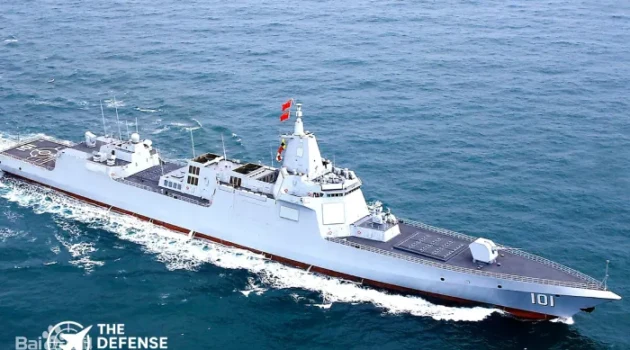
The Type 055 destroyer, often described by Western analysts as cruiser sized, displaces over 12,000 tons and carries up to 112 vertical launch system cells. These can accommodate long range surface to air missiles, anti ship cruise missiles, land attack weapons, and anti submarine rockets.
Type 055 ships are equipped with advanced phased array radar systems, integrated electronic warfare suites, and reduced radar cross section hull shaping. They are designed for fleet air defense, long range strike, and command roles within carrier or expeditionary task groups.
The Type 052D destroyer complements the larger platform with a 64 cell vertical launch system, modern sensors, and proven blue water endurance. Together, the two classes form the backbone of China’s modern surface fleet.
Expanding Chinese naval presence in the Middle East
China’s decision to send high end surface combatants toward Iranian waters underscores the PLA Navy’s expanding operational reach well beyond the Western Pacific.
Over the past decade, China has steadily increased its naval presence in the Indian Ocean, Gulf of Aden, and Middle East through anti piracy patrols, port visits, and joint exercises. Beijing maintains a permanent logistics base in Djibouti, supporting sustained operations in the region.
Defense analysts view the deployment as a signal of China’s growing interest in protecting sea lines of communication that support its energy imports from the Middle East. More than 40 percent of China’s crude oil imports transit the Strait of Hormuz.
Strategic messaging amid US and Iranian naval activity
The exercises come as Iran conducts its own live fire naval drills in and around the Strait of Hormuz, showcasing anti ship missiles, fast attack craft, and unmanned systems operated by the Islamic Revolutionary Guard Corps Navy.
At the same time, the US Navy has maintained a visible presence in the region, including the Nimitz class aircraft carrier USS Abraham Lincoln and its accompanying strike group operating in the Arabian Sea and Gulf of Oman.
US defense officials have repeatedly stated that American forces remain prepared to ensure freedom of navigation and deter any attempts to disrupt commercial shipping through the strait.
China and Russia have both framed their participation in trilateral drills as defensive and focused on regional stability. Western officials, however, see the exercises as part of a broader effort by Beijing and Moscow to deepen military ties with Tehran and challenge US naval dominance in key maritime corridors.
Russia’s role and broader geopolitical context
Russia’s involvement is expected to include surface combatants and support vessels from its Pacific Fleet, continuing a pattern of regular joint drills with China despite Moscow’s ongoing military commitments elsewhere.
For Moscow, participation reinforces its strategic alignment with both Beijing and Tehran, while demonstrating continued global naval reach.
For Iran, hosting advanced Chinese and Russian warships provides political signaling and operational experience alongside two permanent members of the UN Security Council.
What to watch next
Naval analysts will closely monitor the scope and complexity of the drills, including any live fire events, integrated air defense exercises, or coordinated command and control operations.
The presence of a Type 055 destroyer in particular will draw attention, as it offers rare insight into how China employs its most capable surface combatant in distant waters.
Any interaction between the trilateral task group and US or allied naval forces operating nearby will also be scrutinized for signs of escalation or deconfliction.

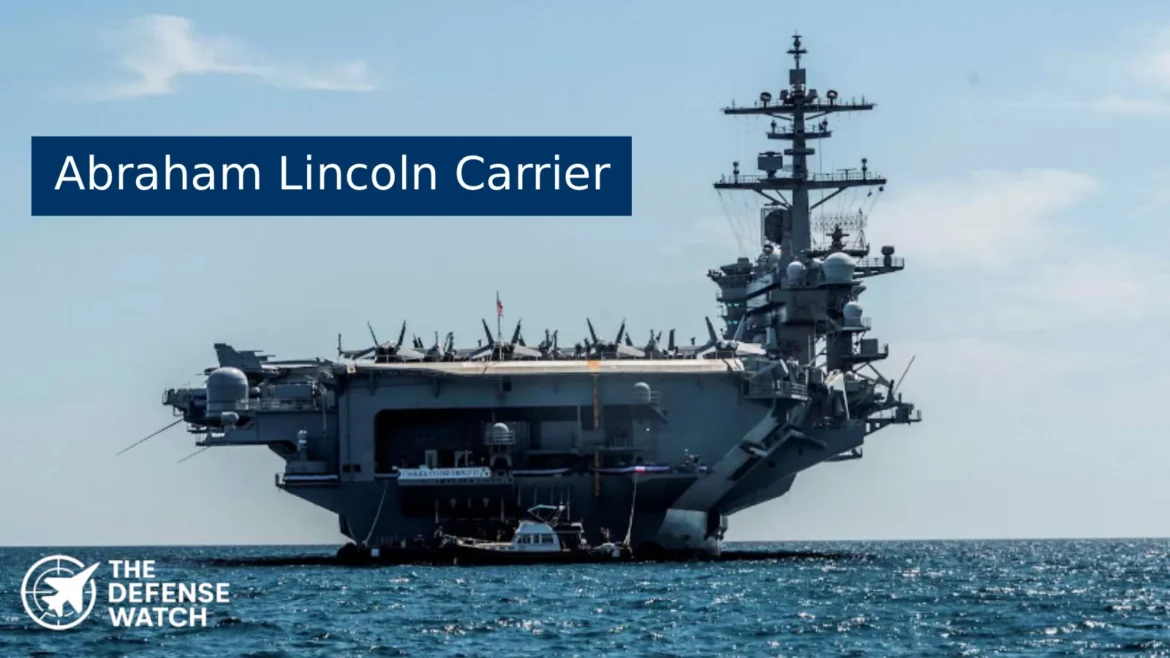
USS Abraham Lincoln Arrives Near Iran as U.S. Pressure Increases
The USS Abraham Lincoln arrives near Iran as the United States sharply increases its military and economic pressure on Tehran, deploying a carrier strike group into the Middle East while announcing new sanctions targeting Iran linked shipping networks.
(adsbygoogle = window.adsbygoogle || []).push({});The arrival, reported Sunday evening by Israel Channel 13, places a U.S. nuclear powered aircraft carrier within operational range of Iran at a moment of heightened regional tension, marking one of the most visible U.S. naval movements in the area in years.
Carrier Strike Group Enters the Region
According to regional media reports, the USS Abraham Lincoln Carrier Strike Group entered Middle Eastern waters accompanied by guided missile destroyers and supporting naval assets. The deployment includes layered missile defense capabilities designed to counter cruise missiles, ballistic missiles, and unmanned aerial threats.
U.S. officials have not publicly disclosed the carrier’s exact operating area, consistent with Navy practice. However, the positioning places the strike group within reach of the Persian Gulf, Gulf of Oman, and Arabian Sea, all key maritime corridors tied to Iran’s security calculus.
President Donald Trump described the deployment as an approaching U.S. armada, signaling a willingness to apply overwhelming force if American interests or partners are threatened.
Sanctions Expand Alongside Military Pressure
The carrier deployment coincides with fresh U.S. sanctions imposed on nine vessels and their management companies, according to U.S. Treasury statements issued earlier this week. The sanctions target shipping networks accused of facilitating Iranian oil exports and revenue generation in violation of U.S. restrictions.
(adsbygoogle = window.adsbygoogle || []).push({});U.S. officials say the measures are intended to restrict Iran’s access to hard currency while reinforcing deterrence through visible military presence. The dual track approach reflects a broader U.S. strategy of economic pressure backed by forward deployed military power.
Treasury officials emphasized that maritime sanctions remain a core tool for limiting Iran’s regional activities and funding streams.
Role and Capabilities of USS Abraham Lincoln
The USS Abraham Lincoln is a Nimitz class aircraft carrier powered by two nuclear reactors, allowing virtually unlimited range and sustained operations. The carrier typically embarks a full air wing of strike fighters, electronic warfare aircraft, airborne early warning platforms, and helicopters.
A standard carrier air wing provides:
Strike and close air support
Air superiority missions
Intelligence, surveillance, and reconnaissance
Electronic attack and suppression of enemy air defenses
When combined with escorting destroyers armed with Aegis missile defense systems, the carrier strike group forms a self contained force capable of sustained combat operations.
Defense analysts note that the presence of a carrier near Iran significantly complicates Tehran’s military planning, particularly in the maritime domain.
Strategic Signal to Iran and Regional Actors
The U.S. naval buildup near Iran sends a clear signal not only to Tehran, but also to U.S. allies and adversaries across the Middle East. Carrier deployments are among the most visible indicators of American military intent, often used to reassure partners and deter escalation.
(adsbygoogle = window.adsbygoogle || []).push({});Iran has previously responded to carrier movements with naval exercises, missile tests, and rhetoric emphasizing its anti access and area denial capabilities. These include fast attack craft, shore based missile systems, and armed drones.
U.S. defense officials argue that forward naval presence reduces the risk of miscalculation by maintaining clear deterrent lines.
Regional Security Context
The arrival of the USS Abraham Lincoln near Iran occurs amid broader instability across the Middle East, including maritime security concerns, regional proxy conflicts, and heightened alert levels among Gulf states.
U.S. naval forces routinely conduct freedom of navigation operations and maritime security patrols in the region. However, the introduction of a carrier strike group represents a significant escalation in posture rather than routine presence.
Military planners stress that carriers offer decision makers flexible response options without requiring basing agreements or permanent ground deployments.
U.S. Navy Force Posture in the Middle East
The U.S. Navy maintains rotational forces across the Fifth Fleet area of responsibility, headquartered in Bahrain. Assets typically include destroyers, patrol aircraft, logistics ships, and allied naval forces.
Carrier strike groups are deployed as needed, often during periods of crisis or elevated risk. The Abraham Lincoln deployment reinforces U.S. commitments to freedom of navigation and regional stability.
(adsbygoogle = window.adsbygoogle || []).push({});Pentagon officials have emphasized that the United States seeks to deter conflict, not provoke it, while remaining prepared to respond decisively if required.
What Comes Next
While U.S. officials have avoided setting timelines or objectives for the deployment, analysts expect the USS Abraham Lincoln Carrier Strike Group to remain in the region as long as tensions persist.
Future developments will likely depend on diplomatic signaling, Iranian responses, and regional security dynamics. For now, the carrier’s presence underscores Washington’s intent to pair economic pressure with credible military capability.

U.S. Navy Aircraft Carriers Dominate Global Sea Power in 2025
The U.S. Navy maintains a fleet of 11 aircraft carriers in 2025, fulfilling its statutory requirement under the National Defense Authorization Act. These nuclear-powered supercarriers represent the most potent projection of American military power, capable of deploying air wings that rival entire nations’ air forces. As the service transitions from the venerable Nimitz class to the technologically advanced Gerald R. Ford class, u.s. navy aircraft carriers 2025 remain the cornerstone of maritime dominance in an increasingly contested global environment.
As of November 2025, carrier strike groups are deployed globally, with USS Gerald R. Ford operating in the Caribbean Sea, USS George Washington underway in the Philippine Sea, and USS Nimitz conducting operations in the South China Sea. This forward presence demonstrates the Navy’s ability to respond rapidly to crises while maintaining deterrent posture in critical regions.
The Ford-Class Revolution: Next-Generation Carrier Technology
The Fiscal Year 2025 Budget Request allocates continued funding for three Gerald R. Ford-class carriers: USS John F. Kennedy (CVN-79), USS Enterprise (CVN-80), and USS Doris Miller (CVN-81). These vessels incorporate technologies that fundamentally transform carrier operations.
Electromagnetic Launch and Recovery Systems
The Ford class features the Electromagnetic Aircraft Launch System (EMALS), which replaces traditional steam catapults with electromagnetic induction to smoothly accelerate aircraft during takeoff. This innovation reduces stress on airframes while enabling the launch of a broader range of aircraft weights, from lightweight unmanned aerial vehicles to heavy strike fighters.
The Advanced Arresting Gear (AAG) uses digital controls for more precise braking and energy absorption during aircraft recovery. Together, EMALS and AAG increase sortie generation rates by approximately 30 percent compared to Nimitz-class carriers, dramatically enhancing combat tempo.
Enhanced Power Generation and Automation
Ford-class carriers employ an all-electric power system, eliminating steam service lines used on previous Nimitz-class carriers. The new Bechtel A1B reactor generates at least 25 percent greater power capacity than Nimitz-class A4W reactors, with electrical generation capacity tripled.
Despite being massive warships, Ford-class carriers operate with approximately 2,600 sailors—nearly 700 fewer than Nimitz-class vessels—made possible by automation technologies handling munitions transport, aircraft handling, and maintenance tracking. This reduced crew requirement translates to lower operational costs and improved quality of life for personnel.
Advanced Sensors and Combat Systems
The Dual Band Radar (DBR) system provides comprehensive detection and tracking capabilities, significantly improving radar performance in hostile and contested environments. The DBR integrates S-band Multi-Function Radar and X-band Volume Search Radar into a single cohesive unit, enabling simultaneous tracking of multiple targets while providing enhanced situational awareness.
Current Fleet Status and Deployments
USS Gerald R. Ford (CVN-78): The Flagship
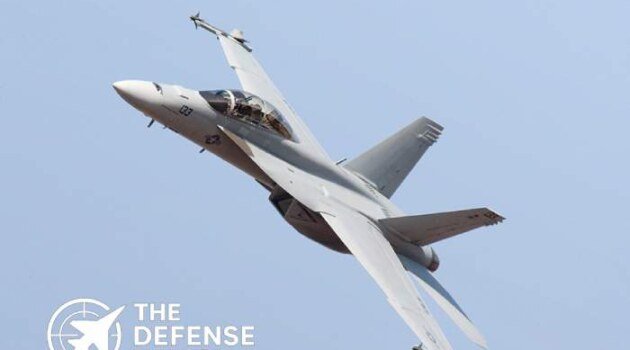
USS Gerald R. Ford, commissioned in July 2017, replaced the aging USS Enterprise (CVN-65) and is now an active part of the fleet with enhanced power projection capabilities. The Ford carries twin-engine F/A-18E/F Super Hornets with a maximum combat range of 1,250 miles, along with electronic-jamming aircraft, airborne early warning and control planes, cargo and passenger planes, and helicopters.
In November 2025, the USS Gerald R. Ford Carrier Strike Group entered the Caribbean Sea, with 4,000 sailors and dozens of military aircraft aboard the lead ship, as part of Operation Southern Spear. The strike group includes nine carrier air wing squadrons, two Arleigh Burke-class guided-missile destroyers, and an integrated air and missile defense command ship.
Nimitz-Class: Enduring Workhorses
USS George Washington (CVN-73) operates as the forward-deployed carrier in Yokosuka, Japan, while USS Nimitz (CVN-68) conducts operations in the South China Sea. The Nimitz class continues to shoulder the burden of global presence operations while Ford-class vessels complete their transition to full operational capability.
The USS Nimitz, commissioned in 1975, is scheduled for deactivation in May 2026, marking the beginning of the Nimitz-class retirement process. However, the USS Dwight D. Eisenhower (CVN-69), originally scheduled to retire in 2026, will remain in service until 2030 due to delays in Ford-class construction.
The Transition Challenge: Managing Fleet Size During Modernization
The Navy faces a delicate balancing act maintaining its 11-carrier force requirement while retiring aging Nimitz-class vessels and introducing Ford-class replacements. USS John F. Kennedy (CVN-79), initially scheduled for commissioning in 2025, is now expected to enter service in 2027. USS Enterprise (CVN-80) is under construction with a scheduled launch in 2025 and commissioning in 2029, while USS Doris Miller (CVN-81) is slated for construction in 2026 with projected delivery in 2032.
In January 2025, the Navy announced that two additional Ford-class carriers will be named USS William J. Clinton (CVN-82) and USS George W. Bush (CVN-83). The service ultimately plans to acquire 10 Ford-class carriers to completely replace the Nimitz class on a one-for-one basis.
Budget Realities and Construction Economics
According to Congressional Budget Office estimates, the Navy’s 2025 shipbuilding plan would cost an average of $40.1 billion per year over the 2025-2054 period—46 percent more than the average annual funding received over the past five years. This funding gap presents significant challenges for maintaining the carrier fleet at required strength levels.
The dual-carrier procurement contract for CVN-80 and CVN-81, awarded in FY 2019, is expected to yield approximately $4.0 billion in savings through economies of scale achieved by constructing both ships under a single contract. Navy officials have indicated that buying the fifth and sixth Ford-class carriers together could shave billions compared to serial purchases.
Operational Demands and Strategic Competition
Carrier strike group deployments have been extended multiple times over the past three years, initially for deterrence patrols in the Mediterranean Sea, then for operations in U.S. Central Command following Hamas attacks in southern Israel and Houthi attacks in the Red Sea. This persistent demand underscores the enduring relevance of aircraft carriers in modern conflict.
The Navy has only 11 aircraft carriers, and in general, only three are at sea at any one time because of the need for maintenance and training. Regional combatant commanders consistently request carrier presence, with U.S. Indo-Pacific Command requiring coverage to counter China’s growing naval capabilities, Central Command needing support for operations against Iran and the Houthis, and European Command seeking deterrence against Russia.
The China Factor
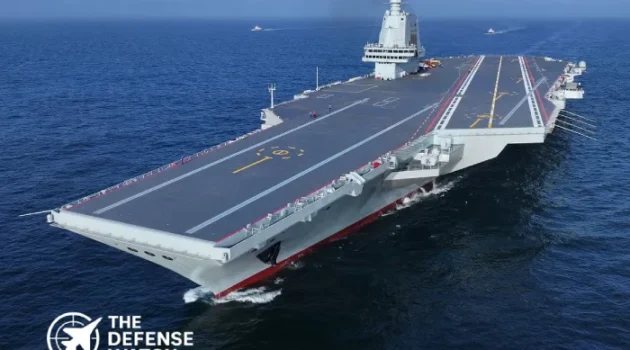
China has been rapidly expanding and modernizing its naval capabilities, with the People’s Liberation Army Navy now operating the Liaoning and Shandong carriers, while a third, Fujian, has recently been launched. China’s Fujian carrier has advanced to choreographed deck movement and catapult launches, though the U.S. maintains advantages in carrier aviation culture, magazines afloat and ashore, and allied intelligence-surveillance-reconnaissance infrastructure.
The U.S. response centers on continued investment in Ford-class carriers, which provide superior operational capabilities through technologies like EMALS and AAG, enhanced sortie generation rates, and increased power projection that allows the Navy to maintain maritime dominance in contested regions.
Air Wing Composition and Future Integration
Ford-class carriers can accommodate more than 75 aircraft, including F/A-18E/F Super Hornet strike fighters, E-2D Advanced Hawkeye early warning aircraft, EA-18G Growler electronic warfare jets, and MH-60 Seahawk helicopters. Future integration will include the F-35C Lightning II stealth fighter and the MQ-25 Stingray unmanned refueling aircraft.
The Ford does not currently carry the Navy’s newest stealth fighter jet, the F-35C, as modifications needed to support the fifth-generation aircraft are not expected until a future maintenance period. Once integrated, the F-35C will provide unprecedented stealth strike capabilities from the carrier deck.
The service plans to buy 76 MQ-25 Stingrays at an estimated cost of about $13 billion. These carrier-based unmanned tankers will extend the combat radius of manned strike fighters, effectively increasing the carrier’s power projection envelope without risking additional aircrew.
Analysis: Carriers Remain Central to Naval Strategy Despite Challenges
The U.S. Navy’s commitment to maintaining 11 aircraft carriers reflects strategic calculations that extend beyond pure military capability. Carriers serve as floating symbols of American power and commitment, providing visible deterrence that no other platform can match. As Vice Admiral Daniel Cheever noted, aircraft carriers are symbolic of America and serve as a visible deterrent around the globe, with everyone knowing when a carrier is near or approaching.
The transition from Nimitz to Ford class, while necessary, presents timing challenges that could temporarily reduce fleet availability. Extended service lives for Nimitz-class carriers like USS Eisenhower demonstrate the Navy’s pragmatic approach to maintaining force structure during this critical transition period. These extensions carry costs—older ships require more maintenance and operate less efficiently—but the alternative of falling below the 11-carrier threshold would create unacceptable capability gaps.
The Ford class has overcome its troubled early development period. By 2025, reliability issues have been largely resolved, and the carrier is settling into routine operations after a long shakedown. Recent imagery shows USS Gerald R. Ford conducting full flight operations across European waters, demonstrating that the Navy’s investment in next-generation systems is paying dividends.
Budget pressures remain the most significant long-term threat to carrier force structure. The 46 percent funding increase required to execute the Navy’s shipbuilding plan appears unrealistic in the current fiscal environment. This gap may force difficult choices between carrier numbers and other naval priorities, including submarines, surface combatants, and unmanned systems.
China’s carrier development, while impressive, still lags American capabilities in critical areas including operational experience, logistics support, and integration with allied forces. However, the pace of Chinese naval expansion cannot be ignored. The Ford-class technological edge provides a buffer, but maintaining that advantage requires continued investment in both ships and air wing modernization.
Looking ahead, the carrier’s role may evolve as unmanned systems, directed-energy weapons, and advanced missiles reshape naval warfare. The Ford class’s expanded electrical generation capacity positions these ships to integrate future technologies, ensuring relevance through mid-century. Whether 11 carriers remain sufficient in future high-intensity conflicts against peer competitors remains an open question that doctrine, budget, and geopolitics will ultimately answer.
FAQs
How many aircraft carriers does the U.S. Navy have in 2025?The U.S. Navy operates 11 aircraft carriers in 2025, consisting of one Ford-class carrier (USS Gerald R. Ford) and 10 Nimitz-class carriers. This meets the statutory requirement established by Congress for maintaining a minimum 11-carrier force.
What is the difference between Ford-class and Nimitz-class carriers?Ford-class carriers incorporate electromagnetic aircraft launch systems, advanced arresting gear, increased electrical power generation, reduced crew requirements, and enhanced automation compared to Nimitz-class ships. These improvements enable 30 percent higher sortie rates while operating with 700 fewer sailors.
When will USS John F. Kennedy be commissioned?USS John F. Kennedy (CVN-79), the second Ford-class carrier, is now expected to be commissioned in 2027. The delivery was delayed by two years from the original 2025 target due to construction challenges and technical integration issues.
Why is the USS Nimitz being retired?The USS Nimitz, commissioned in 1975, has reached the end of its 50-year designed service life. The carrier is scheduled for deactivation in May 2026 to be replaced by newer Ford-class carriers that offer improved capabilities and reduced operating costs.
How much does a Ford-class aircraft carrier cost?The USS Gerald R. Ford cost approximately $13 billion to construct, making it the most expensive aircraft carrier ever built. Subsequent Ford-class ships benefit from lessons learned and dual-procurement strategies that reduce per-unit costs through economies of scale.