

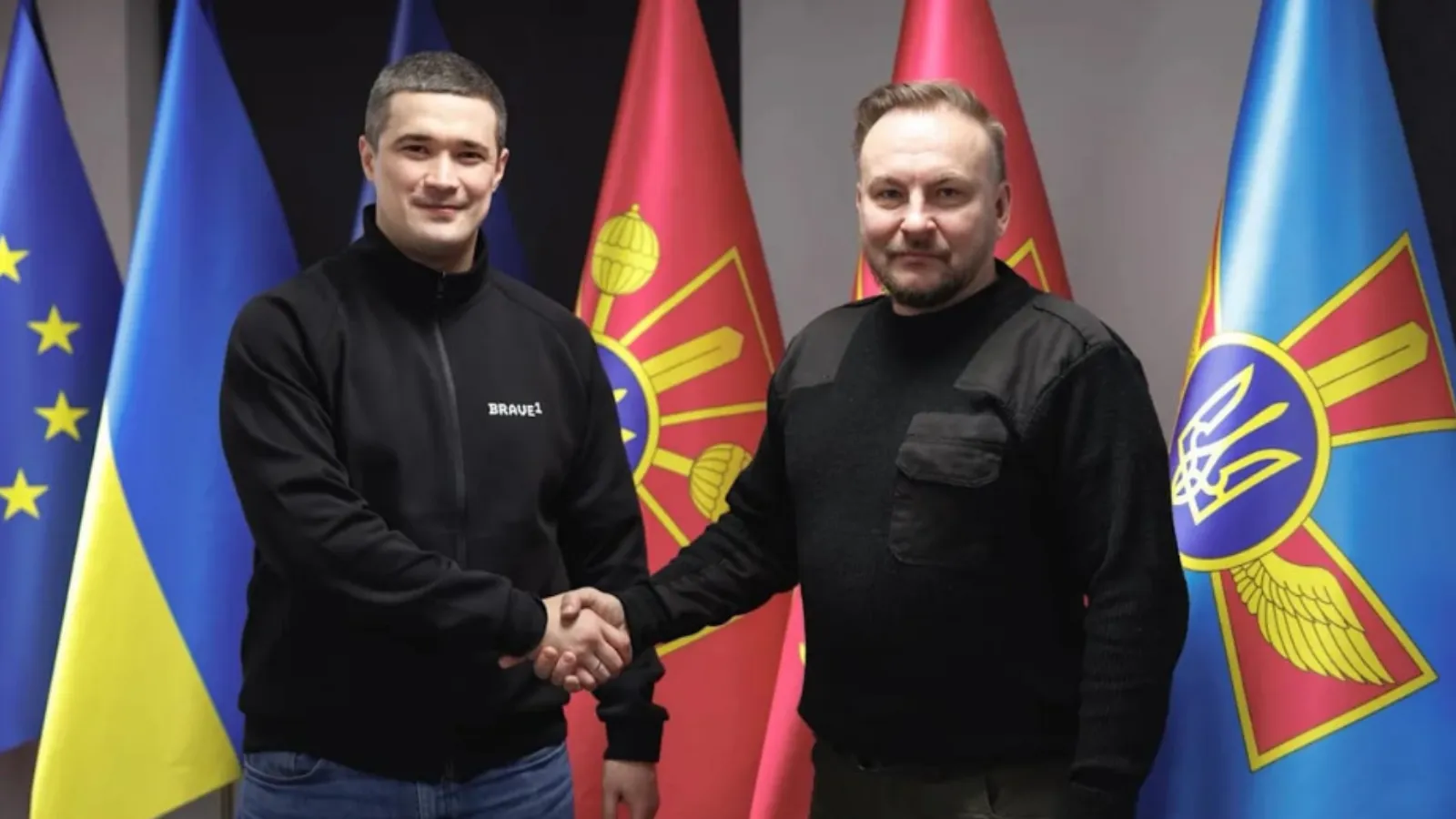
Ukraine Responds to Starlink-Controlled Drone Threat
Ukraine has appointed a new defense technology adviser following reports that Russian forces used Starlink-controlled drones in a combat strike for the first time, signaling a significant shift in drone warfare tactics during the conflict.
The development came after Russian Shahed loitering munitions struck Ukrainian military assets near Kropyvnytskyi in central Ukraine on January 24, according to Ukrainian military technology specialists. The incident has raised fresh concerns over the growing role of satellite internet systems in enabling long-range, resilient drone operations.
Russia Deploys Starlink-Equipped Shahed Drones
According to Serhii Flash Beskrestnov, a Ukrainian military radio technology expert, Russian forces appear to have integrated Starlink satellite internet terminals into Shahed-series loitering munitions. Beskrestnov disclosed the assessment via Telegram shortly after being appointed as a defense adviser on technology matters.
He reported that the drones were capable of both automatic target acquisition and manual operator guidance, using a real-time video feed transmitted through satellite communications. This setup would allow operators to control the drones beyond the reach of conventional radio-frequency jamming systems.
The Shahed drones were observed flying at extremely low altitude, a tactic designed to reduce detection by Ukrainian radar systems and air defense sensors. The strike reportedly targeted helicopters positioned near Kropyvnytskyi, though Ukrainian authorities have not released full damage assessments.
Why Starlink Integration Matters
The reported use of Starlink-controlled drones marks a notable evolution in Russian unmanned aerial vehicle operations. Traditionally, Shahed drones rely on pre-programmed GPS navigation and limited line-of-sight communications. Satellite internet integration significantly enhances flexibility and survivability.
With satellite connectivity, drone operators can adjust flight paths in real time, confirm targets visually, and continue control even in heavily contested electronic warfare environments. This reduces the effectiveness of standard jamming and spoofing techniques widely employed by Ukrainian forces.
Military analysts have long warned that commercially available satellite internet systems could be adapted for battlefield use, particularly for unmanned systems. The January 24 strike may represent one of the clearest examples to date of this transition from theory to operational reality.
Ukraine Appoints New Defense Technology Adviser
In response to the emerging threat, Ukraine has appointed Beskrestnov as an adviser to Defense Minister Mykhailo Fedorov, focusing on technology and electronic warfare challenges.
Beskrestnov is widely known within Ukraine for his work analyzing Russian drone communications, radio-frequency threats, and countermeasures. His appointment signals a prioritization of electronic warfare, drone interception, and satellite communication defense within Ukraine’s broader military strategy.
Ukrainian officials have increasingly emphasized the need to adapt faster than Russian forces in the technology domain, particularly as both sides accelerate the use of unmanned systems, artificial intelligence, and networked targeting.
Implications for Electronic Warfare and Air Defense
The emergence of Starlink-controlled drones complicates Ukraine’s existing air defense posture. Low-altitude flight profiles already challenge radar coverage, and satellite-based control further reduces reliance on vulnerable terrestrial links.
Traditional counter-drone systems often focus on disrupting GPS signals or command-and-control links. Satellite internet connectivity introduces new variables, requiring different interception, detection, and neutralization approaches.
Ukrainian forces have invested heavily in layered air defense and electronic warfare systems, but the reported strike underscores the constant adaptation cycle between offensive drone capabilities and defensive countermeasures.
Commercial Satellite Systems in Modern Warfare
The incident highlights the expanding role of commercial satellite systems in modern conflicts. While Starlink has been widely used by Ukraine for secure communications since the early stages of the war, concerns have periodically surfaced about adversarial access or misuse.
There is no public confirmation regarding how Russian forces obtained or integrated Starlink hardware into their drone platforms. However, defense experts note that commercial availability, black market procurement, or third-party intermediaries could enable such use.
The issue raises broader policy questions about export controls, satellite network governance, and the responsibilities of commercial providers operating in active conflict zones.
Broader Strategic Context
Russia has steadily expanded its use of Shahed drones, originally supplied by Iran and later produced domestically, as a cost-effective strike option against Ukrainian military and infrastructure targets.
By adding satellite connectivity and real-time control, these systems move closer to precision-guided munitions rather than expendable autonomous weapons. This evolution reflects a broader trend toward networked warfare, even among relatively low-cost platforms.
For Ukraine, the challenge will be to counter these developments without diverting limited resources from other critical defense priorities.
What Comes Next
Ukrainian defense officials are expected to accelerate efforts to detect, disrupt, and defeat satellite-linked drones. This may include enhanced sensor fusion, improved low-altitude radar coverage, and new electronic warfare techniques designed to interfere with satellite terminals.
The appointment of a dedicated technology adviser suggests Kyiv views the issue as both immediate and strategic, with implications extending beyond the current phase of the war.
As drone warfare continues to evolve, the January 24 strike may be remembered as a turning point in how satellite internet reshapes the unmanned battlefield.
