U.S. Navy Nuclear Attack Submarines Conduct Forward Deployment Exercise Near Guam
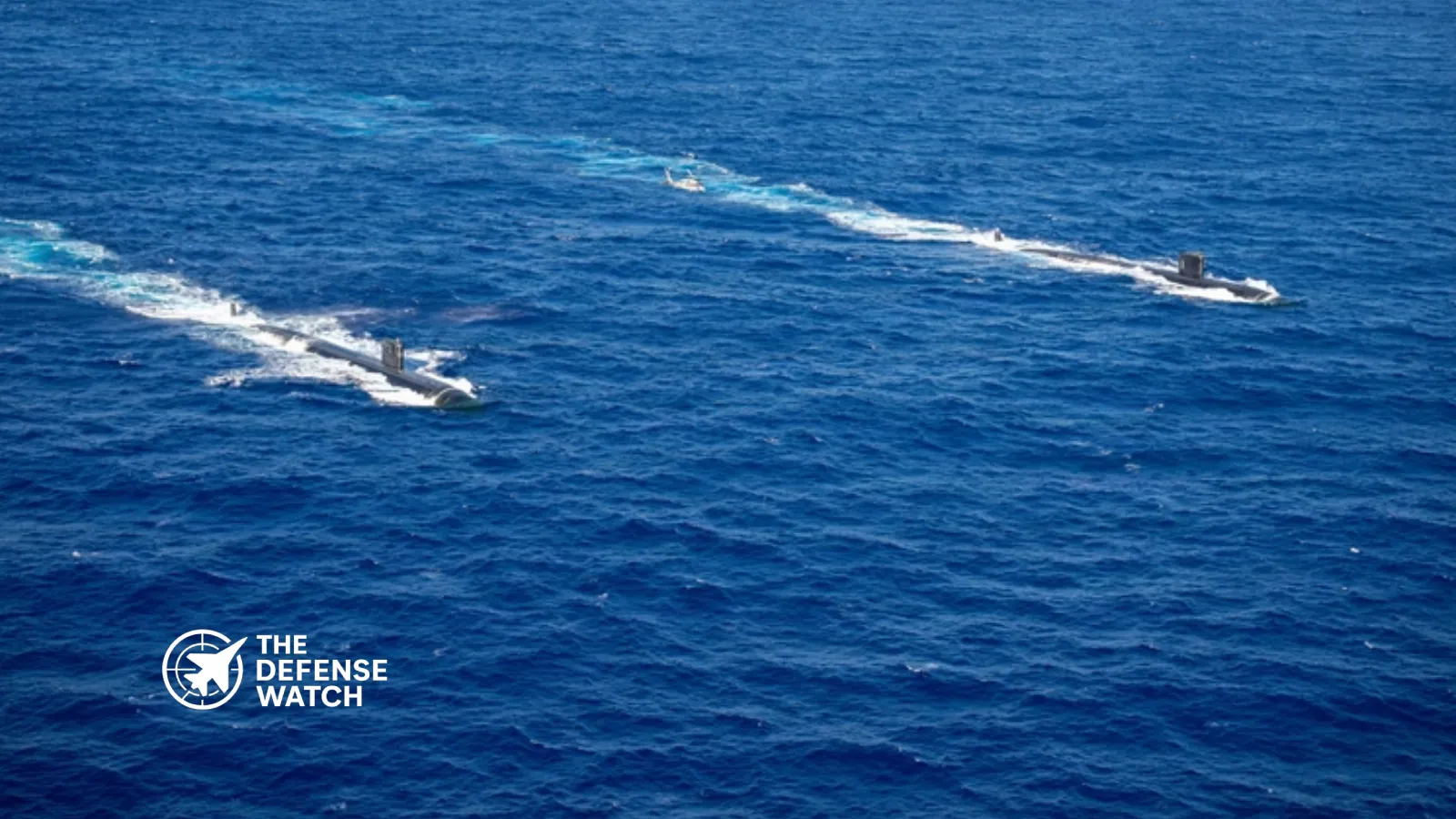
The U.S. Navy deployed two Los Angeles-class nuclear attack submarines near Guam in a rare coordinated surface exercise that underscores forward-deployed undersea capabilities in the Indo-Pacific theater. USS Asheville (SSN 758) and USS Annapolis (SSN 760) surfaced together on December 17, 2025, conducting a tightly controlled photo exercise with aviation support from Helicopter Sea Combat Squadron 25.
According to Commander, Submarine Squadron 15, the operation demonstrated coordination between forward-deployed undersea platforms and naval aviation assets stationed at Naval Base Guam. The exercise represents an uncommon operational posture for attack submarines designed for stealth operations, offering a deliberate signal of readiness in a region where military response timelines continue to compress.
Los Angeles-Class Submarines: Capabilities and Strategic Value
USS Asheville and USS Annapolis are improved Los Angeles-class attack submarines, representing late-production variants with enhanced acoustic quieting and upgraded combat systems. The class displaces approximately 6,900 tons submerged, measures 360 feet in length, and operates at speeds exceeding 25 knots with diving capabilities beyond 800 feet.
Strike and Sea Denial Capabilities
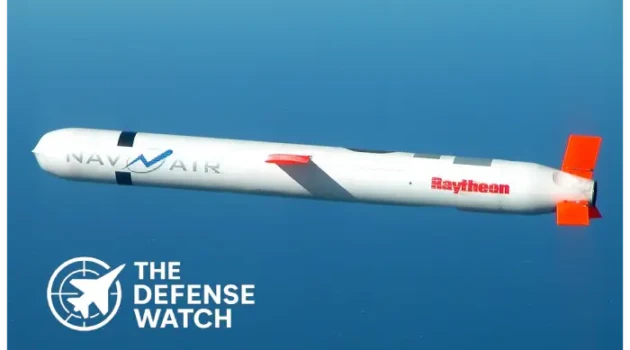
Each submarine carries 12 Vertical Launch System (VLS) tubes for Tomahawk cruise missiles, providing land-attack capabilities without consuming torpedo-room capacity. The Navy fields Tomahawk Block IV and Block V variants with ranges approaching 900 nautical miles, incorporating GPS guidance, terrain-matching navigation, and two-way satellite communications for in-flight retargeting.
The submarines retain full torpedo-tube launch capability for Mk 48 ADCAP heavyweight torpedoes, designed to defeat deep-diving nuclear submarines and surface combatants through wire-guided and active-passive acoustic homing. This dual-payload configuration enables mission flexibility across intelligence collection, sea denial, and precision strike operations.
Forward Deployment Advantages
Naval Base Guam’s strategic location provides critical forward positioning for submarine operations. The facility enables faster rearmament, maintenance, and deployment cycles compared to continental U.S. bases, maintaining persistent undersea presence across the Western Pacific’s vast operational areas.
Submarine Squadron 15 operates from Polaris Point as a forward-deployed force supporting free and open Indo-Pacific operations. The squadron includes multiple Los Angeles-class boats alongside newer Virginia-class submarines, providing layered undersea capabilities across anti-submarine warfare, intelligence gathering, and strike missions.
Coordinated Operations: Why Surface Two Submarines Together?
Submarine doctrine emphasizes stealth, separation, and operational ambiguity. Coordinated surface operations with two attack submarines represent exceptional circumstances, typically limited to permissive waters during training, transit coordination, or deliberate signaling.
Aviation Support and Safety
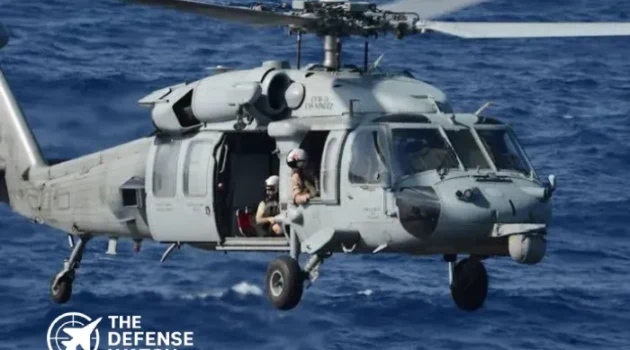
The MH-60S Sea Hawk from HSC-25 provided communications relay, search-and-rescue coverage, and airborne oversight during close-quarters maneuvering. While MH-60S helicopters lack the anti-submarine warfare capabilities of MH-60R variants, they maintain critical medical evacuation readiness and surface coordination functions for forward-deployed submarine operations.
Guam-based helicopter squadrons provide continuous SAR and medevac posture across the 7th Fleet area of operations, making them natural aviation partners when submarines conduct controlled evolutions near high-traffic sea lanes.
Operational Messaging
The exercise signals several operational realities. First, multiple attack submarines operate from forward bases with coordinated procedures and safety protocols. Second, submarine forces can surge from forward hubs rather than relying on trans-Pacific deployments. Third, even legacy improved Los Angeles-class boats maintain modern Tomahawk strike capabilities and credible sea denial effects.
Indo-Pacific Strategic Context
The deployment occurs against a backdrop of regional security challenges including territorial disputes, military modernization programs, and contested sea lanes across the South China Sea and Western Pacific. U.S. Navy leadership has consistently emphasized forward presence as central to deterrence strategy and alliance commitments.
Guam’s Strategic Position
Guam’s geographic location provides proximity to potential contingency areas while maintaining sufficient distance for sustained operations. The island serves as a critical logistics node, enabling faster maintenance cycles and reducing the visible logistics footprint that accompanies surface combatant operations.
Forward deployment from Guam allows submarines to maintain station times, conduct intelligence collection, and provide strike options across multiple operational arcs without revealing intent through trans-oceanic transits.
Deterrence Through Controlled Visibility
The exercise represents deterrence through limited transparency—using rare surface-level operations to communicate undersea readiness while submarines remain among the hardest targets to detect once submerged. In a region defined by long-range sensors, missile salvo exchanges, and contested logistics, the Navy demonstrated that forward undersea forces are armed, trained, and coordinated for rapid response.
Platform Evolution and Future Capabilities
While Los Angeles-class submarines represent mature technology, continuous modernization maintains combat relevance. Tomahawk Block V incorporates navigation upgrades and structures future variants including Maritime Strike Tomahawk with anti-ship seeker capabilities and Joint Multiple Effects Warhead Systems for harder target sets.
The submarines’ combat systems receive regular updates maintaining compatibility with fleet networks and enabling dynamic targeting against mobile threats. Combined with Mk 48 ADCAP torpedoes designed to defeat modern countermeasures, Los Angeles-class boats retain credible lethality against both undersea and surface threats.
Undersea Warfare in a Contested Environment
Modern undersea operations require coordination across multiple domains. Attack submarines work distributed across operational areas using deconfliction measures that preserve acoustic advantage while enabling synchronized effects. Surface exercises like the December event rehearse procedures, demonstrate capabilities, and validate coordination between undersea platforms and supporting aviation assets.
The Navy’s approach balances operational security with strategic messaging—submarines survive through stealth and ambiguity, but controlled visibility serves deterrence when adversaries need reminders of forward-deployed capabilities and operational readiness.
Conclusion
The deployment of USS Asheville and USS Annapolis near Guam demonstrates U.S. Navy undersea force posture in the Indo-Pacific. Through forward basing, coordinated training, and modern strike capabilities, attack submarines provide persistent deterrence and rapid-response options across the theater.
As regional security challenges evolve, forward-deployed submarine forces operating from strategically positioned bases like Guam represent critical elements of U.S. maritime strategy—maintaining presence, signaling commitment to allies, and deterring potential adversaries through demonstrated capability and readiness.
Get real time update about this post category directly on your device, subscribe now.