Two Russian missiles and a suspected jet-powered drone came down in southeastern Poland on November 20, 2026, during a major Russian bombardment of Ukraine. The incidents prompted Warsaw to accuse Moscow of an intentional provocation and NATO to condemn what it described as a grave violation of Polish airspace.
The objects landed close to a multinational European military exercise preparing forces for a possible postwar security mission in Ukraine. Although no immediate casualties or significant damage were reported, the incidents have raised concerns about the risks of Russia’s ongoing military operations spilling into NATO territory.
Polish authorities confirmed that the objects were Russian. However, whether Moscow deliberately directed them into Polish airspace remains a central unanswered question.
Three Russian objects reported in southeastern Poland
Polish Defence Minister Władysław Kosiniak-Kamysz said two missiles and a jet-powered drone fell on Polish territory during Russia’s overnight attack on Ukraine.
The reported locations were:
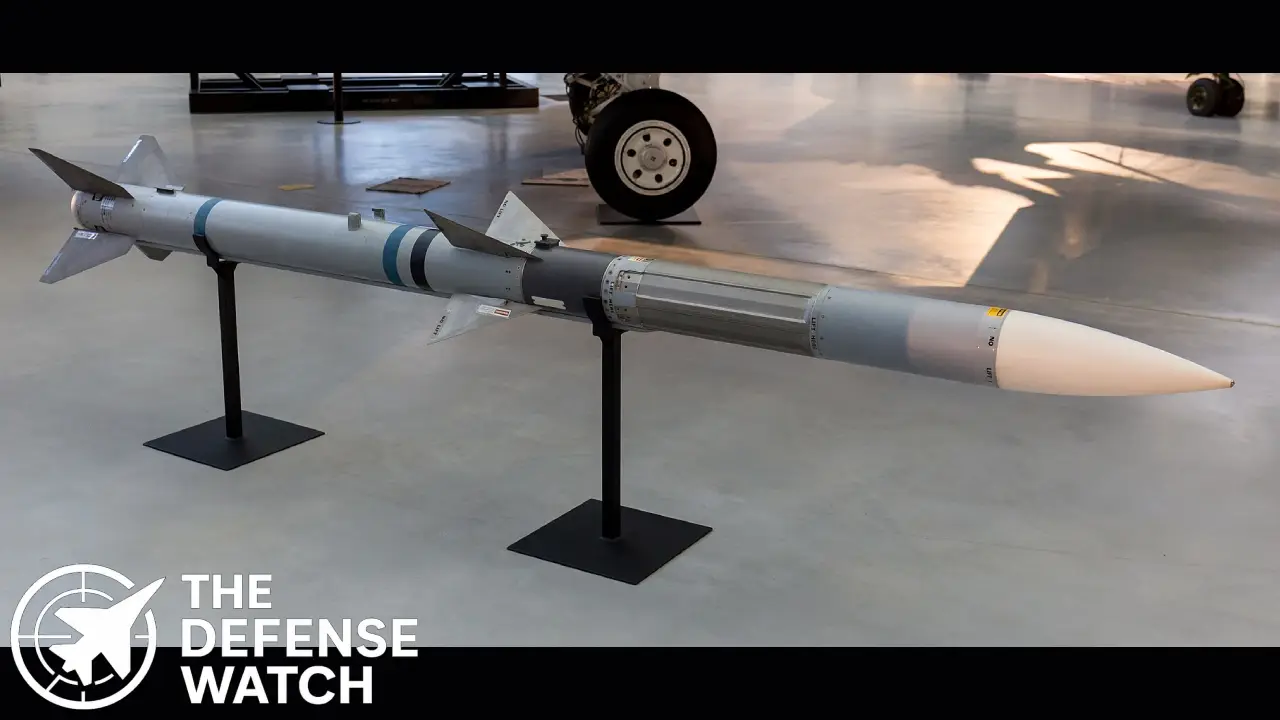
- Nowy Lipowiec: A Kh-101 cruise missile came down in the area.
- Rudnik nad Sanem: A second missile was reported to have crashed near the settlement.
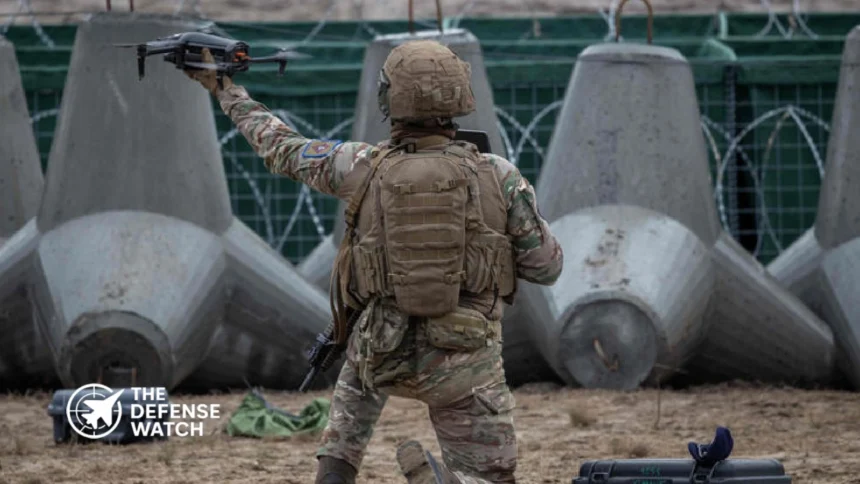
- Mołodycz: A suspected jet-powered drone came down near the village.
According to reporting by the Associated Press and Al Jazeera, the Kh-101 missile landed approximately 50 kilometers from the Ukrainian border. The suspected drone came down around 30 kilometers from the border.
One of the missile impact locations was approximately 35 kilometers from the European military exercise area.
No immediate reports indicated injuries or damage to critical infrastructure.
The identification of the Kh-101 is particularly relevant because it is a Russian air-launched cruise missile used in long-range strikes against Ukrainian military and infrastructure targets. However, publicly available reporting has not established the type of the second missile or conclusively identified the suspected drone.
Why the incidents occurred near European military exercises
The timing has become a major part of Poland’s assessment.
European forces were conducting a two-week multinational exercise in southeastern Poland that began on November 9. The activity involves countries supporting Ukraine and is intended to prepare forces for a potential postwar deployment.
The initiative operates under the Coalition of the Willing, with its military component known as the Multinational Force Ukraine.
The exercise is designed to develop interoperability, test multinational coordination and prepare participating forces for a possible security presence in Ukraine after a ceasefire or peace agreement.
Polish Prime Minister Donald Tusk said the missile and drone incidents did not appear coincidental.
He described the events as an intentional provocation by Russia, suggesting that their timing could be connected to the ongoing military activities.
The proximity of the incidents to the exercise area raises questions about whether Moscow intended to signal opposition to European military preparations for Ukraine.
However, the available evidence does not independently establish Russian targeting intent.
The exercise itself also has broader strategic implications. European governments have been exploring ways to provide security assurances to Ukraine without necessarily deploying a conventional NATO combat mission. Russia has repeatedly opposed the prospect of European troops operating inside Ukraine after a potential peace agreement.
NATO condemns the violation as Poland assesses its response
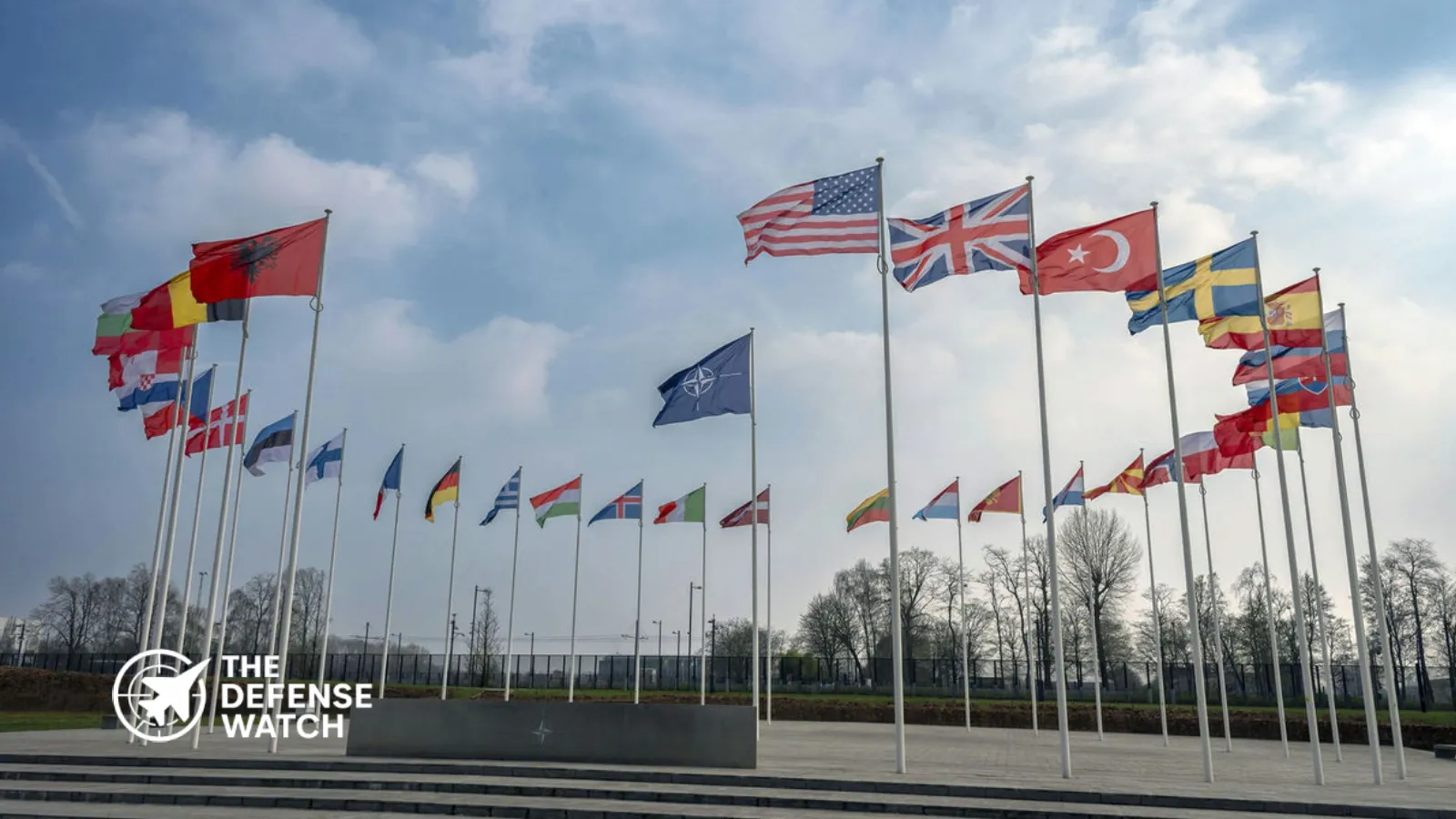
NATO Secretary-General Mark Rutte described the incident as a grave violation of Polish airspace.
He also characterized it as dangerous and connected it to Russia’s continuing war against Ukraine.
On November 21, Rutte reinforced the alliance’s position during a visit to Warsaw, saying NATO would defend every inch of Polish territory.
According to Reuters, Rutte also said NATO’s Supreme Allied Commander Europe, General Alexus Grynkewich, would assess potential threats to the alliance’s defense and deterrence capabilities and make adjustments where necessary.
The NATO response is significant because Poland occupies a central position on the alliance’s eastern flank and serves as a major logistical route for military assistance to Ukraine.
Repeated airspace incidents involving missiles and drones have placed additional pressure on NATO’s air surveillance, early-warning and air-defense arrangements.
The alliance must protect member-state territory while avoiding actions that could turn an airspace violation into a direct military confrontation with Russia.
Does the incident trigger NATO Article 5?
The presence of Russian missiles on Polish territory raises questions about NATO’s collective-defense commitment.
Article 5 of the North Atlantic Treaty establishes that an armed attack against one NATO member is considered an attack against all members.
However, Article 5 is not automatically activated whenever a foreign missile or drone enters allied territory.
The alliance would need to make a political assessment of the circumstances, including the nature, scale and consequences of the incident. NATO members would then determine the appropriate response.
Poland also has the option of requesting consultations under Article 4, which allows members to discuss security concerns when their territorial integrity, political independence or security is threatened.
Article 4 does not itself require military intervention.
For Warsaw, the immediate priorities are likely to include establishing the precise flight paths, identifying the objects, reviewing air-defense responses and coordinating additional protection with NATO partners.
The distinction matters because an isolated airspace violation, even one involving a missile, does not automatically constitute a decision by the alliance to enter direct hostilities with Russia.
Russia’s attack on Ukraine provides the wider context
The Polish incidents occurred during one of Russia’s major nighttime bombardments of Ukraine.
Ukrainian President Volodymyr Zelenskyy said Russian forces launched more than 400 drones and over 110 missiles during the assault, including 27 ballistic missiles.
At least eight civilians were reported killed, with more than two dozen injured.
The strikes targeted multiple locations, including military-industrial facilities and infrastructure.
Ukraine also reported damage to residential buildings, medical facilities, warehouses and bridges. Attacks on energy infrastructure forced the country’s three operational nuclear power plants to reduce electricity generation, according to Ukrainian officials cited by AP.
Russia’s Defence Ministry said its strikes targeted facilities connected to Ukraine’s military production, including missile assembly, rocket-fuel components and drone manufacturing.
The broader bombardment demonstrates the scale of the aerial threat facing Ukraine and the difficulty neighboring NATO countries face in monitoring and managing weapons operating close to their borders.
The military significance for NATO’s eastern flank
The Polish incidents expose a difficult operational problem for NATO: defending allied territory while maintaining escalation control during a large-scale war immediately beyond its borders.
Russia’s use of cruise missiles, ballistic missiles and unmanned aircraft against Ukraine creates a complex air-defense environment.
These weapons have different flight characteristics, trajectories and detection challenges. A large attack involving hundreds of aerial threats can place significant demands on radar coverage, air-defense coordination and the decision-making process used to determine which objects pose an immediate danger to allied territory.
For Poland, the issue is particularly important because its southeastern region borders Ukraine and forms part of the wider eastern security corridor.
The country has been expanding its military capabilities and strengthening cooperation with NATO partners as Russia’s war continues.
The latest incident also reinforces the importance of several defensive capabilities:
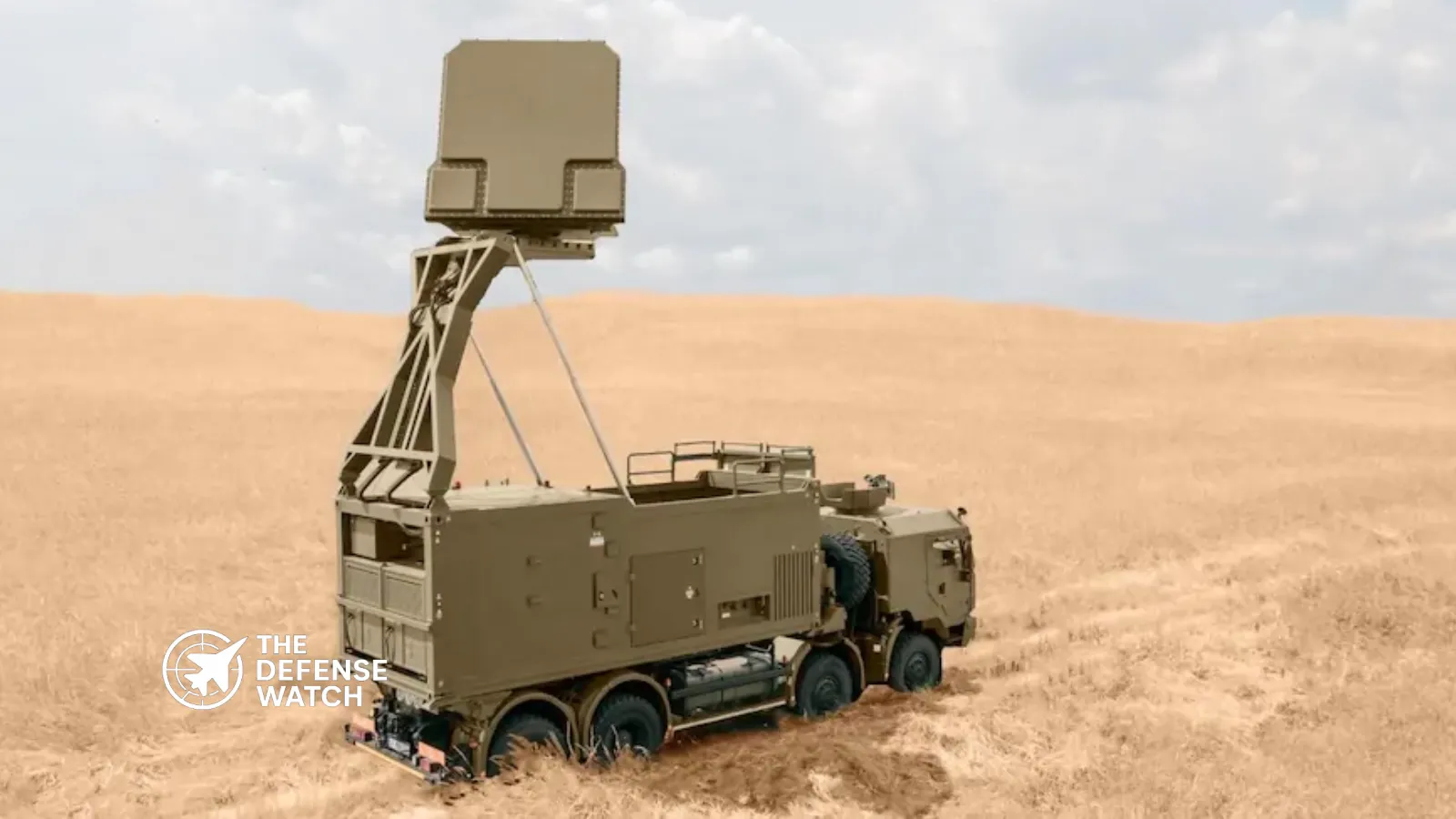
- Air surveillance: Continuous monitoring of aircraft, missiles and drones approaching NATO territory.
- Early-warning systems: Identifying potential threats early enough to support defensive decisions.
- Air-defense integration: Coordinating national and allied radar, aircraft and ground-based systems.
- Command and control: Sharing tracking information and coordinating responses across national boundaries.
Reuters reported that NATO intends to assess whether adjustments to its defense and deterrence posture are required following the latest violation.
A dangerous incident without an automatic military escalation
The immediate absence of casualties or infrastructure damage limits the direct physical consequences of the reported landings. However, the political and military implications extend beyond the three objects that came down in Poland.
The incident occurred close to a multinational exercise preparing European forces for a possible postwar role in Ukraine. That makes the timing particularly sensitive, especially as Washington attempts to advance negotiations involving Moscow and Kyiv.
Poland’s accusation of deliberate provocation remains an official assessment rather than an independently established finding of Russian intent. Moscow had not issued an immediate explanation for the objects landing in Poland.
NATO’s next steps will depend on its assessment of the incident and whether additional defensive measures are necessary.
The central concern is not simply the loss of control of individual missiles or drones. It is the possibility that repeated violations of allied airspace could increase the risk of miscalculation between Russia and NATO during an already dangerous conflict.
Enjoying our coverage?
Make The Defense Watch a preferred source on Google to see more of our geopolitical and defense insights when relevant to you.