
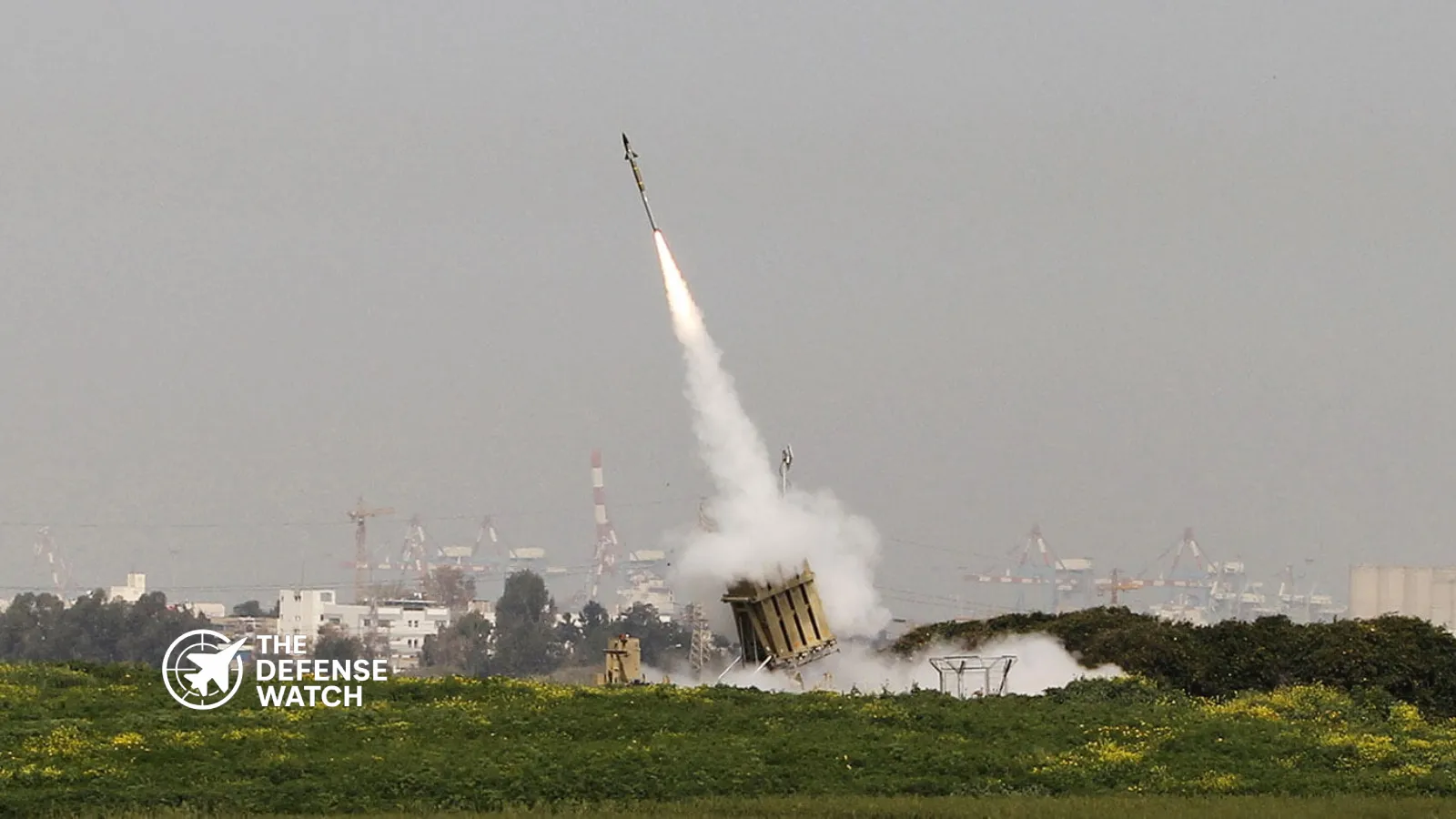
- Volkswagen is in talks to produce components for the Iron Dome system at a German facility.
- The plan involves repurposing an underutilized auto plant to support missile defense production.
- The move reflects Europe’s effort to expand domestic defense manufacturing capacity.
- Discussions are ongoing, with no finalized contract or production timeline confirmed.
- The initiative highlights growing civil military industrial integration across NATO economies.
Volkswagen Iron Dome Production Talks Signal Industrial Shift
Volkswagen Iron Dome production discussions highlight a potential shift in Europe’s defense industrial base, as the German automaker explores manufacturing missile defense components at a struggling domestic plant.
According to reporting by Defense News, the talks involve repurposing existing automotive manufacturing capacity to support production linked to Israel’s Iron Dome air defense system, widely used for intercepting short range rockets and artillery threats.
The initiative reflects both economic and strategic pressures facing Europe, as governments seek to expand defense output while stabilizing key industrial sectors.
The Big Picture
European governments are accelerating efforts to strengthen defense production capacity amid rising security concerns following the Russia Ukraine War.
Germany in particular has committed to rebuilding its defense industrial base after decades of underinvestment. Berlin’s €100 billion special defense fund and NATO obligations have driven demand for faster procurement and localized manufacturing.
At the same time, Europe’s automotive sector faces declining demand, high energy costs, and increasing competition from electric vehicle producers, especially from China. This overlap has created a strategic opportunity to redirect industrial capacity toward defense production.
Volkswagen’s potential entry into missile defense manufacturing sits at the intersection of these trends.
What’s Happening
Volkswagen is reportedly in early stage discussions to produce components for the Iron Dome, originally developed by Rafael Advanced Defense Systems in partnership with Israel Aerospace Industries.
The plan would involve converting a German auto plant that is currently underutilized due to slowing vehicle demand. While specific locations and components have not been officially confirmed, the concept centers on leveraging Volkswagen’s advanced manufacturing capabilities for precision defense production.
No formal agreement has been signed, and discussions remain exploratory.
Why It Matters
Iron Dome has become one of the most combat proven short range air defense systems in the world. It has demonstrated high interception rates against rockets and drones, particularly in operational use by Israel.
European countries are increasingly interested in layered air and missile defense systems, especially as drone and rocket threats proliferate in modern conflict environments.
By participating in Iron Dome production, Germany could:
- Shorten supply chains for critical defense systems
- Reduce reliance on external suppliers
- Accelerate deployment timelines for European customers
For Volkswagen, the move offers a pathway to diversify revenue and stabilize production capacity during a challenging period for the automotive sector.
Strategic Implications
The integration of civilian industrial giants like Volkswagen into defense production signals a broader transformation across NATO economies.
This shift enhances surge capacity, allowing countries to scale production rapidly during crises. It also strengthens resilience against supply chain disruptions, which have proven critical in recent conflicts.
Germany’s potential role in Iron Dome manufacturing could position it as a key node in Europe’s air defense ecosystem, complementing existing systems such as Patriot and future initiatives like the European Sky Shield.
At a structural level, this reflects a return to dual use industrial strategies, where civilian manufacturing supports military readiness.
Competitor View
Russia is likely to interpret expanded European missile defense production as a direct challenge to its ability to project conventional power near NATO borders.
China may view the development as part of a broader Western effort to integrate industrial and defense capabilities, particularly in response to long term strategic competition.
Iran, which has invested heavily in missile and drone capabilities, could see wider Iron Dome adoption as reducing the effectiveness of its proxy warfare model in the Middle East and potentially beyond.
These reactions align with existing geopolitical dynamics rather than representing new escalatory steps.
What To Watch Next
Key developments to monitor include:
- Formal confirmation of any Volkswagen defense manufacturing agreements
- Identification of the specific German facility involved
- Clarification on which Iron Dome components would be produced
- Potential expansion of similar partnerships across Europe
Observers should also watch whether other automotive manufacturers follow a similar path into defense production.
Capability Gap
Europe faces a growing gap in short range air defense coverage, particularly against drones, rockets, and loitering munitions.
Iron Dome addresses this gap effectively, but scaling deployment requires increased production capacity. Current manufacturing remains concentrated outside Europe, limiting rapid availability.
However, integrating automotive production lines into defense manufacturing presents challenges:
- Certification and quality standards differ significantly
- Workforce retraining is required
- Supply chains must adapt to defense grade materials
These constraints mean any transition will take time before reaching full operational impact.
The Bottom Line
Volkswagen Iron Dome production talks reflect a deeper shift as Europe mobilizes its industrial base to meet rising air defense demands.
Get real time update about this post category directly on your device, subscribe now.

