U.S. Army Redefines Abrams Future with M1E3
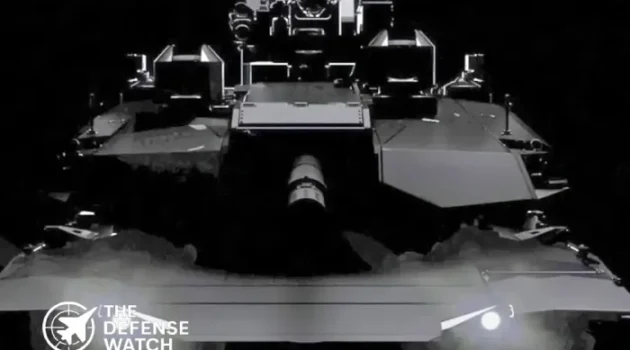
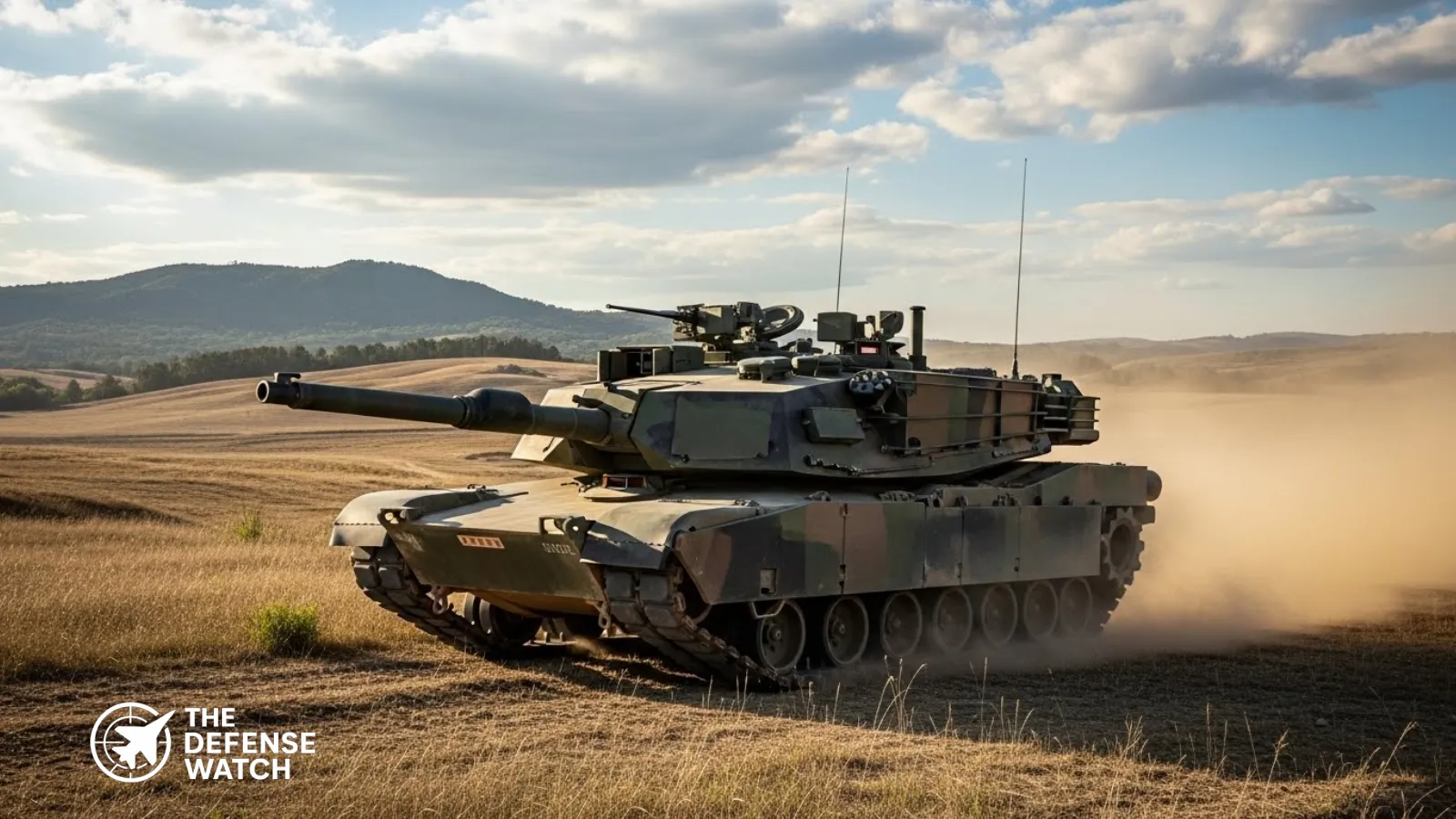
The U.S. Army has formally confirmed that the Abrams M1E3, not the M1A2 SEPv4, will be designated as its fifth generation main battle tank. The confirmation was made in 2025 through official U.S. Army modernization briefings and supporting statements, marking a major shift in the service’s armored vehicle strategy.
The decision follows the cancellation of the M1A2 System Enhancement Package Version 4 program, which had been planned as the next incremental upgrade to the long serving Abrams fleet. Instead of further modifying the existing M1A2 design, the Army is moving toward a deeper redesign under the Abrams M1E3 program.
This move reflects broader changes in U.S. Army doctrine, driven by lessons from recent conflicts and the growing demand for more survivable, mobile, and digitally integrated armored platforms.
Background: From SEPv4 to a Clean Sheet Approach
The Abrams tank has been the backbone of U.S. armored forces since the early 1980s. Over four decades, it has undergone multiple upgrades, including the M1A1, M1A2, and several SEPv variants. Each update added improved armor, sensors, computing power, and fire control systems.
The M1A2 SEPv4 was intended to continue this evolution with enhanced sensors, improved thermal sights, advanced networking, and new protection systems. However, as development progressed, the Army concluded that the Abrams platform had reached the limits of what incremental upgrades could deliver.
According to U.S. Army officials, the weight, power demands, and internal space constraints of the SEPv4 design created long term challenges. These issues made it difficult to integrate future technologies such as advanced active protection systems, next generation sensors, and expanded digital warfare capabilities.
As a result, the Army chose to cancel the M1A2 SEPv4 and redirect resources toward the Abrams M1E3, a tank designed from the outset to meet future battlefield requirements.
What Defines the Abrams M1E3 as a Fifth Generation Tank
The U.S. Army’s classification of the Abrams M1E3 as a fifth generation tank reflects a shift away from purely incremental modernization. While the M1E3 will retain the Abrams name and core lineage, it is expected to feature major architectural changes.
Key design goals for the Abrams M1E3 include reduced overall weight, improved fuel efficiency, and simplified maintenance. Army planners have emphasized the need to lower the logistical burden associated with deploying and sustaining heavy armored units, especially in contested environments.
Digital integration is another defining feature. The Abrams M1E3 is being designed with an open systems architecture, allowing faster integration of new software, sensors, and electronic warfare tools. This approach aims to keep the tank adaptable over its service life, rather than locking in fixed technologies at the time of production.
Survivability is also central to the fifth generation concept. The Abrams M1E3 is expected to incorporate advanced active protection systems, improved passive armor layouts, and better signature management. These features are intended to counter modern anti tank guided missiles, loitering munitions, and drone based threats that have become increasingly common in recent conflicts.
Mobility and Power System Changes
One of the major limitations of previous Abrams variants has been weight. Later versions of the tank exceeded 70 tons, placing strain on transport assets, bridges, and recovery vehicles. The Abrams M1E3 program aims to reverse this trend.
The U.S. Army has indicated that the new tank will feature a reworked powertrain and improved energy management. While specific engine details have not been publicly disclosed, officials have suggested that efficiency and reliability are key priorities.
Improved mobility will allow armored units to operate more effectively in urban terrain, soft ground, and regions with limited infrastructure. This is especially important as the Army prepares for potential operations in diverse theaters beyond traditional European battlefields.
Industrial and Program Management Implications
The Abrams M1E3 program also represents a shift in how the Army works with industry. Instead of tightly defined upgrade packages, the Army is pushing for more modular development, allowing industry partners to propose solutions that can evolve over time.
General Dynamics Land Systems, the prime contractor for the Abrams family, is expected to play a central role in M1E3 development. The program aligns with broader Pentagon efforts to shorten development cycles and reduce the risk of technology obsolescence.
By moving away from the M1A2 SEPv4, the Army is also acknowledging that long development timelines for incremental upgrades may no longer be viable in a rapidly changing threat environment.
Strategic Context and Global Implications
The confirmation of the Abrams M1E3 as a fifth generation tank comes at a time when several countries are reassessing their armored forces. Russia, China, and European nations are all investing in new tank designs or major upgrades in response to evolving threats.
For the U.S. Army, the Abrams M1E3 is expected to ensure continued overmatch against peer and near peer adversaries. Its emphasis on digital warfare, survivability, and adaptability reflects lessons learned from Ukraine and other recent conflicts, where tanks have faced significant threats but remain critical when properly integrated with combined arms forces.
Allied nations that operate Abrams tanks may also benefit from technologies developed under the M1E3 program, even if they do not adopt the full platform. Modular systems and shared components could influence future export upgrades.
What Comes Next for the Abrams Fleet
The Abrams M1E3 is still in the development phase, and the Army has not announced a firm timeline for production or fielding. In the interim, existing M1A2 SEPv3 tanks will remain the primary armored platform for U.S. forces.
The Army is expected to use a phased approach, incorporating lessons from testing and experimentation before committing to full scale production. This approach is intended to reduce risk and ensure that the Abrams M1E3 meets operational needs when it enters service.
As the program progresses, further details on armament, protection systems, and digital capabilities are likely to emerge. For now, the confirmation of the Abrams M1E3 as a fifth generation tank marks a clear turning point in U.S. Army armored modernization.
Get real time update about this post category directly on your device, subscribe now.