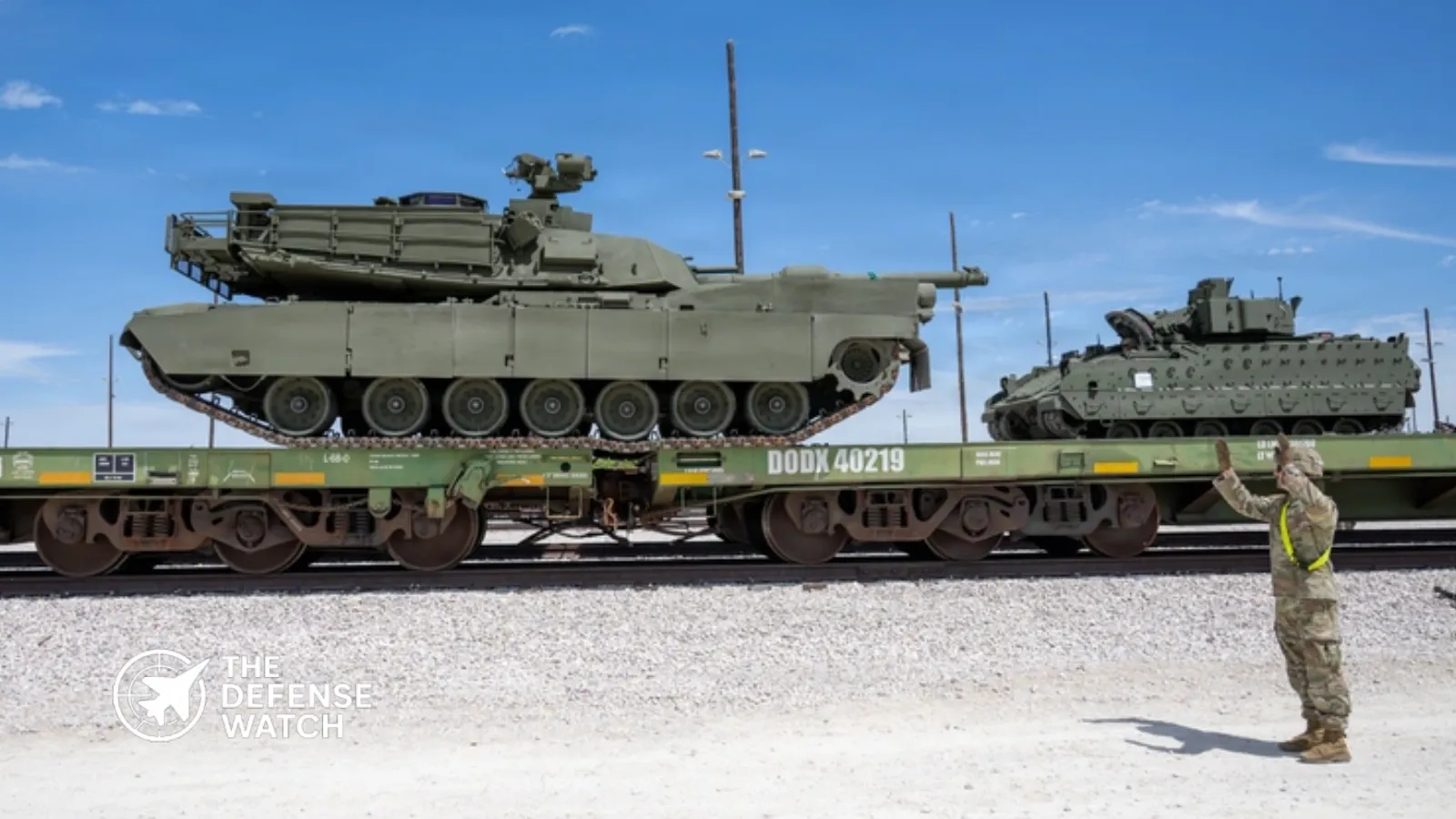
Executive Summary:
The drone-saturated battlefields of Ukraine and the Middle East have forced a reordering of what “best tank” means in 2026 — hard-kill active protection is now table stakes rather than a luxury option, and sensor fusion against top-attack munitions counts for as much as frontal armor thickness. This ranking evaluates the ten most operationally significant main battle tanks in service or imminent fielding, weighing survivability architecture, firepower and target acquisition, mobility, and logistical sustainability rather than raw specification-sheet superlatives.
Armored Warfare in 2026: Why the Old Rankings No Longer Apply
For two decades, main battle tank rankings were largely a contest of armor thickness, gun caliber, and horsepower-per-ton. That framework has been substantially rewritten by the war in Ukraine and by successive rounds of drone and loitering-munition employment across the Middle East and the Caucasus. Cheap first-person-view drones and Switchblade-class loitering munitions have repeatedly demonstrated the ability to defeat top and rear armor arrays that were never designed against plunging or top-attack threats, while proliferated anti-tank guided missiles (ATGMs) such as Javelin, NLAW, and Kornet variants have forced armor designers to treat the 360-degree, all-aspect threat envelope as the default planning assumption rather than an edge case.
The result is a shift in engineering priority. Passive composite armor remains foundational, but it is now paired — in the platforms that matter most — with hard-kill Active Protection Systems (APS) that physically intercept incoming projectiles before impact, soft-kill countermeasures that defeat missile guidance through jamming or obscurants, and hunter-killer sensor suites that let a tank identify and engage a threat before it is itself detected. Thermal signature management, once a secondary concern, is increasingly central to survivability calculus as loitering munitions and reconnaissance drones hunt primarily on infrared and electro-optical cues.
This ranking evaluates each platform across four core pillars:
- Survivability & Active Protection Systems (APS) — composite/ERA armor architecture, hard-kill and soft-kill APS integration, and counter-UAS defensive layering.
- Firepower, Optics & Sensor Fusion — main gun caliber and APFSDS penetration performance, ammunition natures (including top-attack munitions), fire-control computers, and hunter-killer target acquisition capability.
- Tactical & Operational Mobility — power-to-weight ratio, suspension architecture (including hydro-pneumatic systems), strategic transportability, and terrain adaptability.
- Logistical Sustainability & Electronics Architecture — fuel consumption, maintenance burden, digital backbone/Modular Open Systems Approach (MOSA) upgradeability, and fleet interoperability with allied logistics chains.
2026 Main Battle Tank Comparison Table
| 1 | M1A2 SEPv3 / M1E3 Abrams | USA | 120mm M256 smoothbore | Trophy (SEPv3, fielded); XM251 Iron Fist (M1E3, developmental) | ~66.8 tons / ~18.4 hp/ton (SEPv3); ~60 tons target (M1E3) |
| 2 | Leopard 2A8 | Germany | 120mm L55A1 smoothbore | Trophy APS (factory-standard) | ~66.5 tons / ~20.7 hp/ton |
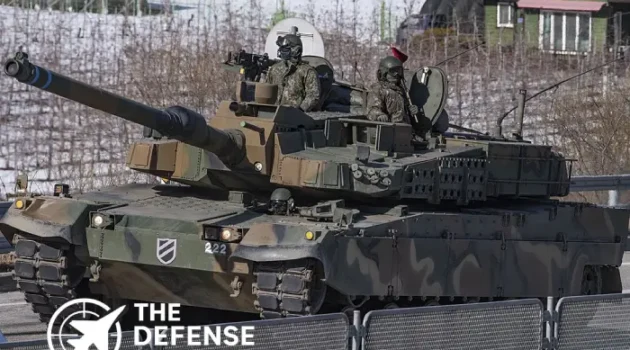
| 3 | K2 Black Panther | South Korea | 120mm L55 smoothbore | Soft-kill MSSG standard; KAPS hard-kill in PIP/K2EX upgrade path | ~56 tons / ~27.7 hp/ton |
| 4 | Challenger 3 | United Kingdom | 120mm L55A1 smoothbore | Trophy MV (partial fleet fielding) | ~66 tons / ~19 hp/ton |
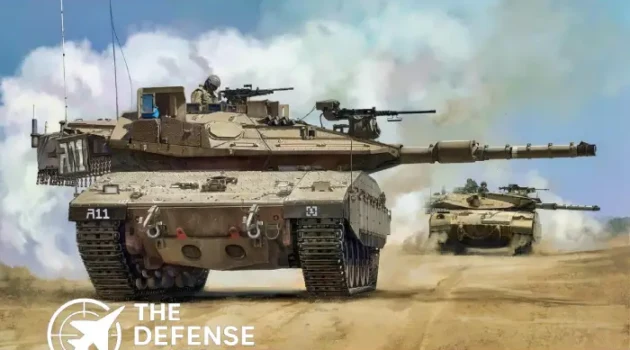
| 5 | Merkava Mk 4M | Israel | 120mm MG251-LR smoothbore | Trophy APS (combat-proven, standard) | ~65 tons / ~18.8 hp/ton |
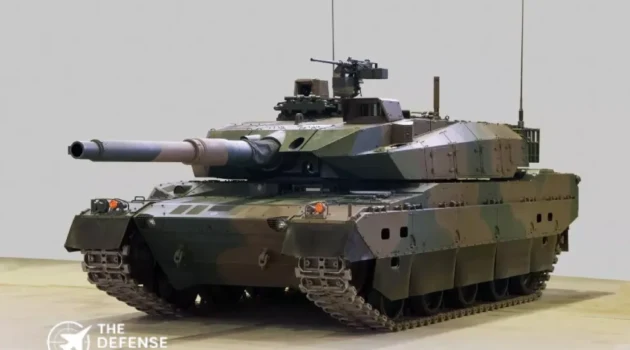
| 6 | Type 10 | Japan | 120mm L44 smoothbore | Soft-kill countermeasures; hard-kill APS not standard | ~48 tons / ~29 hp/ton |
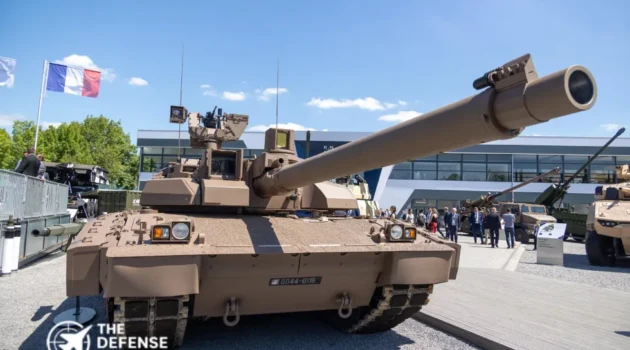
| 7 | Leclerc XLR | France | 120mm CN120-26 smoothbore | Soft-kill (GALIX); hard-kill APS not integrated | ~56.5 tons / ~24 hp/ton |
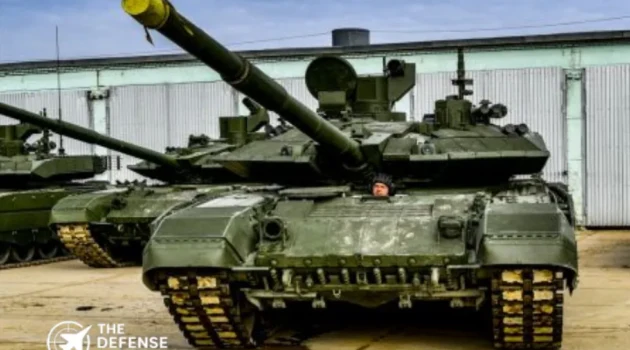
| 8 | T-90M “Proryv” | Russia | 125mm 2A46M-5 smoothbore | Shtora-1 soft-kill; Relikt ERA; hard-kill APS limited | ~48 tons / ~22.9 hp/ton |
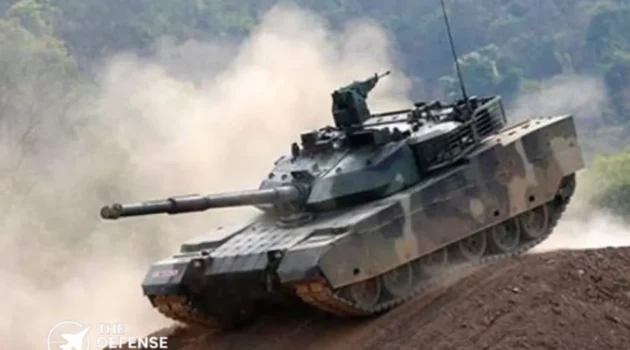
| 9 | VT-4 / Type 99A | China | 125mm smoothbore | ERA plus soft-kill countermeasures; hard-kill APS variant-dependent | ~52–58 tons / ~21–24 hp/ton |
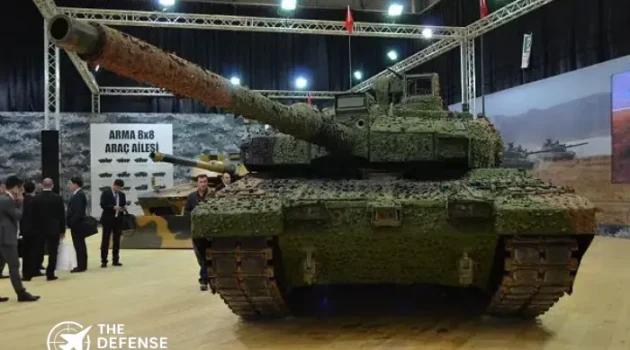
| 10 | Altay | Turkey | 120mm smoothbore | Composite/modular armor; APS integration ongoing | ~65 tons / ~18.5 hp/ton |
Figures reflect publicly disclosed baseline configurations as of mid-2026 and vary by national upgrade package; classified armor and APS performance data are excluded by design.
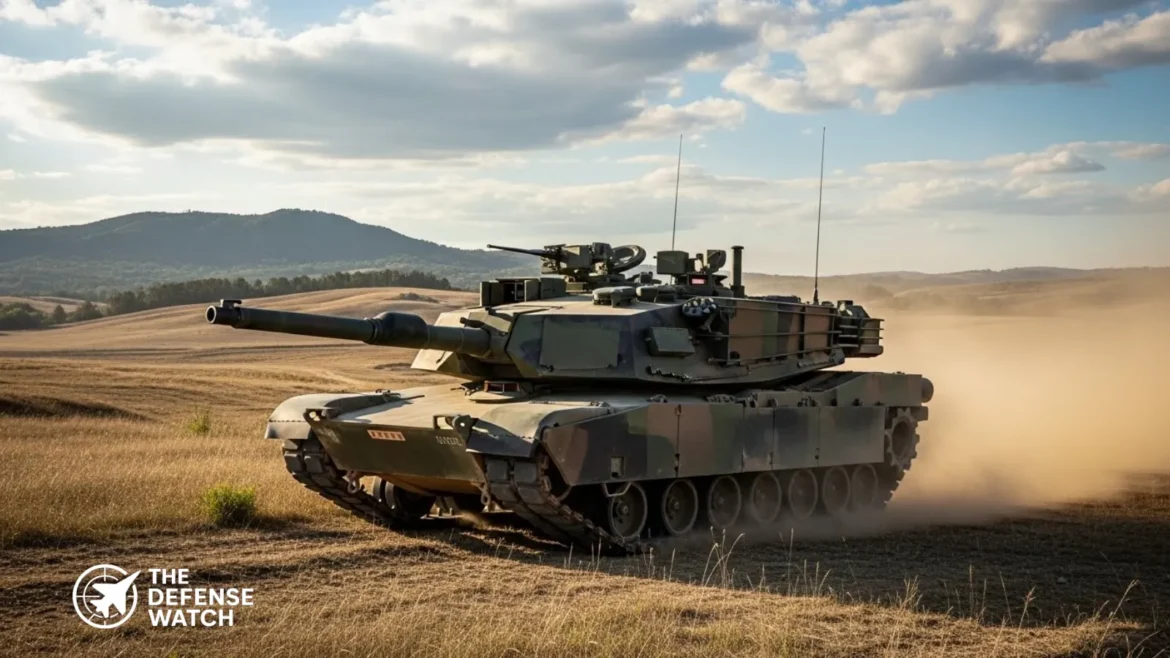
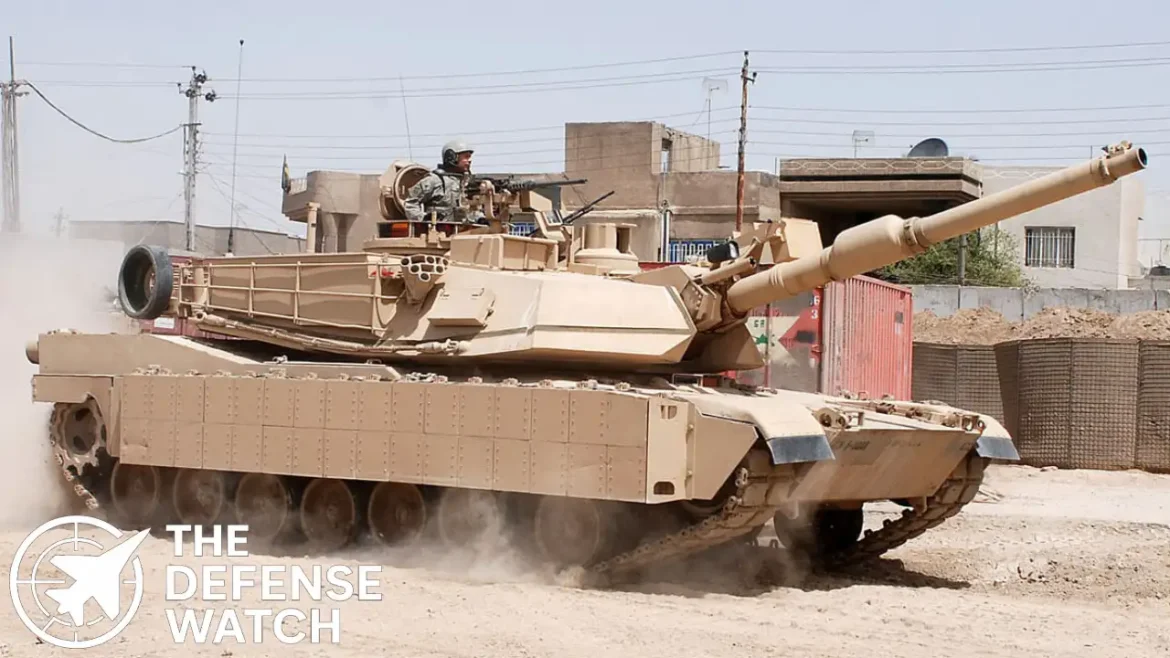
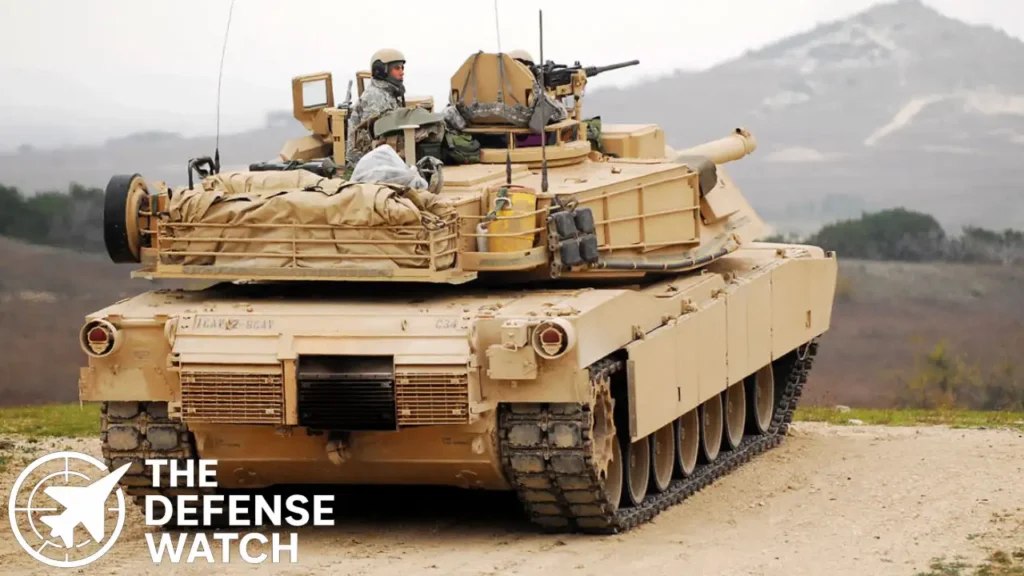
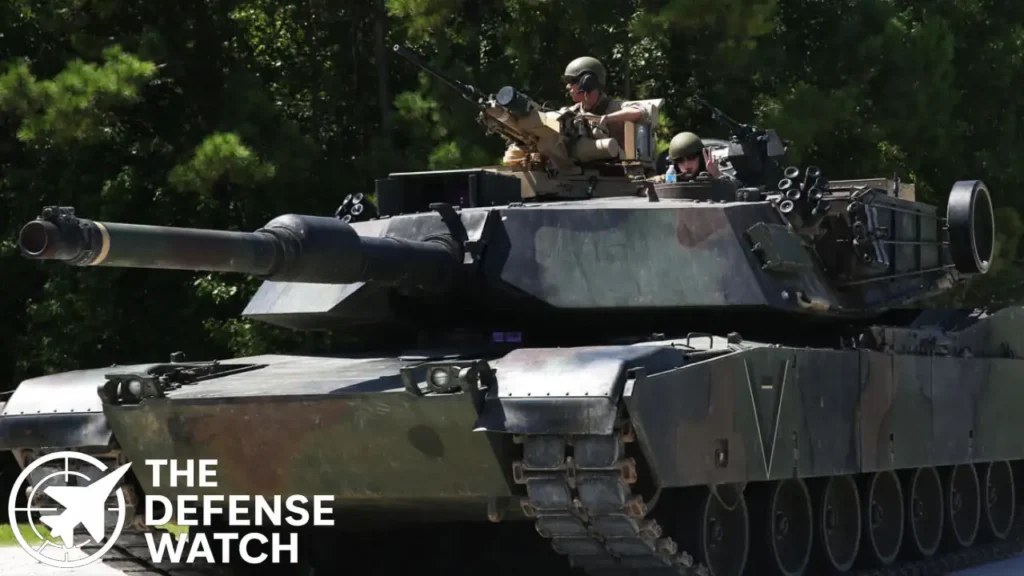
1. M1A2 SEPv3 / M1E3 Abrams (USA)
Technical Specifications Brief:
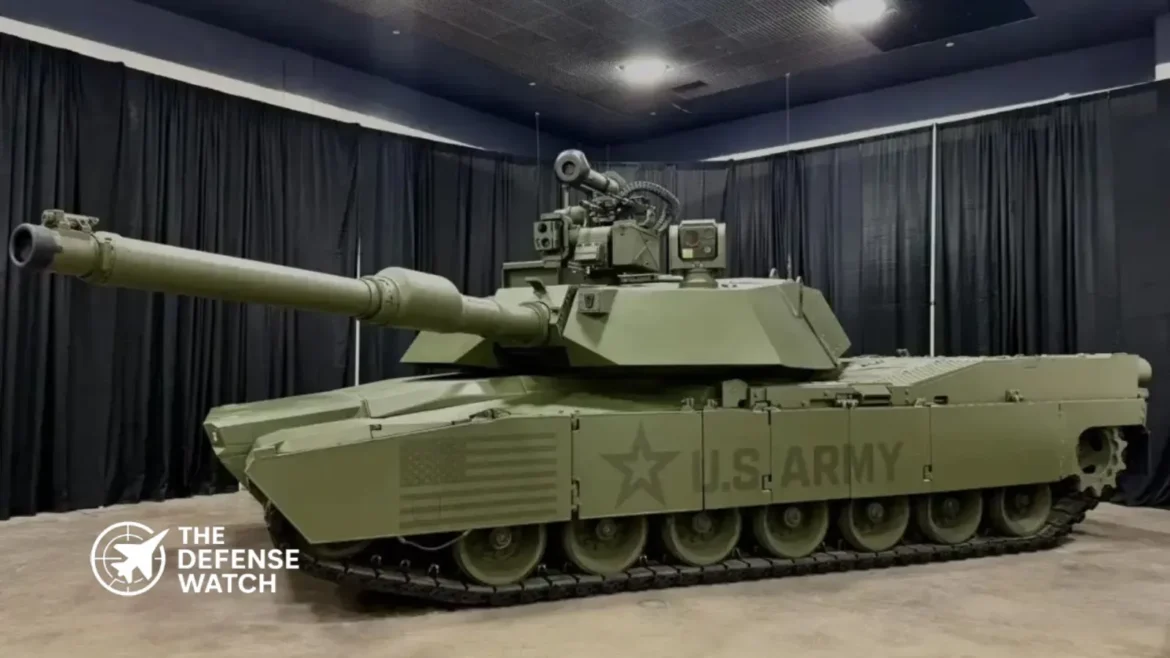
Weight ~66.8 tons (SEPv3); target ~60 tons (M1E3). Engine: 1,500 hp AGT-1500 turbine (SEPv3); hybrid diesel-electric power pack under development for M1E3. Main armament: 120mm M256 smoothbore. Secondary: coaxial 7.62mm, M2 .50 cal RWS. Armor: Chobham composite with depleted-uranium mesh (SEPv3); new-generation modular composite under evaluation for M1E3. APS: Trophy hard-kill, fielded on a portion of the SEPv3 fleet; the M1E3 program has selected Elbit’s Iron Fist, designated XM251, as its baseline hard-kill system.
Core Engineering & Operational Analysis:
The SEPv3 remains the combat-proven backbone of the U.S. armored fleet, but the Army’s own procurement decisions signal the platform’s limits: in 2023 it shelved the planned SEPv4 upgrade in favor of the M1E3, a clean-sheet redesign built around the lessons of Ukraine’s drone-saturated front lines. The M1E3 pre-prototype, unveiled at the Detroit Auto Show in January 2026, introduces an unmanned turret, a bustle autoloader, and a three-person crew relocated entirely into a protected hull cell — a survivability philosophy borrowed from Russian and Korean autoloader designs but paired with a Western-style digital backbone. A Modular Open Systems Approach lets the Army swap sensors and counter-UAS effectors as threats evolve rather than freezing a fixed defensive suite at fielding.
Mobility and sustainment drive the second half of the redesign. General Dynamics Land Systems is targeting a mass reduction to roughly 60 tons from the SEPv3’s 66.8 tons, aided by lightweight tracks and a hydro-pneumatic suspension, while Caterpillar’s hybrid diesel-electric propulsion is intended to cut fuel burn, heat signature, and acoustic detectability simultaneously — directly answering thermal-signature vulnerabilities exposed by loitering munitions.
Key Operational Trade-off:
Program risk. The Army has compressed what was once a five-plus-year development timeline into 24–30 months, meaning the autoloader, hybrid powertrain, and XM251 APS integration are all being validated concurrently with prototype soldier evaluation through 2026 — a schedule that historically produces late-stage surprises in armor programs.
2. Leopard 2A8 (Germany)
Technical Specifications Brief:
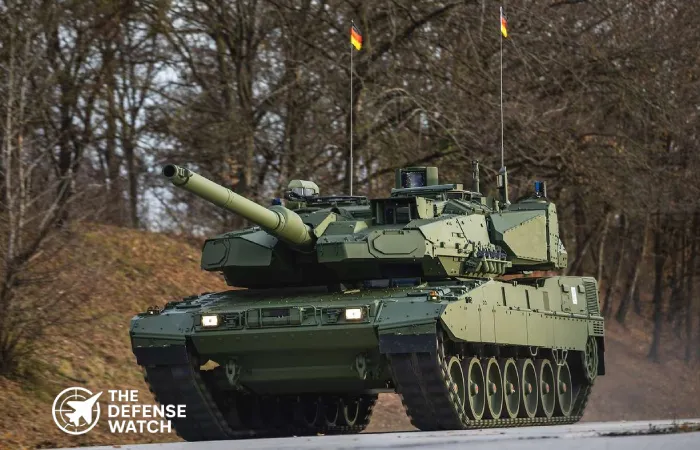
Weight ~66.5 tons. Engine: MTU MB 873 diesel, ~1,500 hp. Main armament: 120mm L55A1 smoothbore, chambered for higher-pressure APFSDS rounds including the KE2020Neo/DM83 in development. Secondary: coaxial 7.62mm MG3, RWS-mounted 12.7mm. Armor: latest-generation modular composite. APS: Trophy, integrated as a factory-standard fitment rather than a retrofit.
Core Engineering & Operational Analysis:
The Leopard 2A8 is arguably the most complete near-term answer to the ATGM/drone threat among NATO’s fielded platforms, because Trophy is designed into the vehicle from first production rather than bolted on afterward — avoiding the weight, power-budget, and structural compromises that trouble add-on APS installations. Germany’s EUR 525.6 million order for 18 tanks, with an option for a further 105, has been followed by EuroTrophy contracts extending Trophy support to Leopard 2A8 operators in Lithuania, the Netherlands, Czechia, and Croatia, positioning Trophy as the de facto NATO-standard APS and giving the 2A8 fleet unusually strong multinational logistics commonality.
The L55A1 gun’s higher chamber pressure gives it a real APFSDS performance edge over legacy L55 barrels, while updated optronics and a digital fire-control architecture preserve the hunter-killer engagement sequence that has defined Leopard 2 doctrine since the A5 generation.
Key Operational Trade-off:
Weight. At 66.5 tons, the 2A8 strains European rail and bridge infrastructure in the same way as the Abrams and Challenger 3, limiting operational mobility along NATO’s eastern flank where road and bridge classifications have not universally been upgraded for 60-plus-ton vehicles.
3. K2 Black Panther (South Korea)
Technical Specifications Brief:
Weight ~56 tons. Engine: ~1,500 hp diesel (domestic powerpack after earlier transmission delays). Main armament: 120mm L55 smoothbore with a bustle autoloader (10 rounds/minute sustained). Secondary: RWS 12.7mm. Armor: MIL-12560H steel with silicon-carbide ceramic inserts and modular ERA. APS: standard-fit Multispectral Screening Smoke Grenade (MSSG) soft-kill system, with the hard-kill Korean Active Protection System (KAPS) reserved for the K2 Product Improvement Program (K2 PIP) and export-oriented K2EX variant.
Core Engineering & Operational Analysis:
The K2 remains the field’s most mobility-optimized MBT, largely due to its In-Arm Semi-Active Suspension Unit — a hydro-pneumatic system that lets the tank crouch, kneel, or elevate its hull independently at each road wheel, enabling hull-down firing postures on ridgelines that few competitors can replicate. Combined with a power-to-weight ratio near 27.7 hp/ton, the K2 offers acceleration and cross-country agility that outpaces heavier Western designs, a factor that mattered directly in cold-weather trials against the Leopard 2A8 in Norway.
The tank’s hunter-killer fire-control system pairs a panoramic commander’s sight with pulsed-Doppler radar and a Raman laser rangefinder, and its ammunition suite includes the KSTAM fire-and-forget top-attack submunition — a direct answer to the top-armor vulnerability drone and ATGM threats now routinely exploit.
Key Operational Trade-off:
APS gap in current production. The base K2 fields only the soft-kill MSSG suite; full hard-kill KAPS integration has been deferred to the PIP/K2EX upgrade path over cost, weight, and dismounted-infantry blast-radius concerns, leaving in-service K2s more exposed to top-attack ATGMs than Trophy-equipped peers until that upgrade matures.
4. Challenger 3 (United Kingdom)
Technical Specifications Brief:
Weight ~66 tons. Engine: existing Challenger 2 diesel powerpack, ~1,200 hp (retained, not upgraded). Main armament: 120mm L55A1 smoothbore — the single biggest change from the rifled L30A1 on Challenger 2. Secondary: coaxial 7.62mm chain gun. Armor: Dorchester composite modernized to current-generation standard. APS: Trophy MV, being fielded to a portion of the fleet rather than the full inventory.
Core Engineering & Operational Analysis:
Challenger 3 represents the most significant British tank redesign in a generation, chiefly through its adoption of the Rheinmetall L55A1 smoothbore — aligning UK ammunition logistics with the Leopard 2A7/A8 family for the first time and unlocking access to higher-pressure APFSDS rounds such as the KE2020Neo/DM83 under UK-German co-development. The turret and hull retain proven Challenger 2 survivability characteristics while integrating a new digital fire-control backbone and the Trophy MV active protection suite, which uses four radar panels and paired effector launchers to intercept incoming ATGMs and rockets.
Key Operational Trade-off:
Fleet scale and APS coverage. The British Army’s planned Challenger 3 inventory is small relative to continental peers, and only a fraction of that already-limited fleet is projected to carry Trophy MV in the near term — raising sustainment questions about the UK’s ability to provide a fully protected armored division contribution to NATO over an extended campaign.
5. Merkava Mk 4M (Israel)
Technical Specifications Brief:
Weight ~65 tons. Engine: MTU 12V883, 1,500 hp diesel (power-to-weight ~18.8 hp/ton). Main armament: 120mm MG251-LR smoothbore, capable of firing the LAHAT gun-launched ATGM. Secondary: 12.7mm and 7.62mm machine guns, 60mm internal mortar. Armor: classified composite/modular arrangement with a distinctive front-engine layout for added crew protection. APS: Trophy, the system’s original combat-proven platform, standard since the mid-2010s.
Core Engineering & Operational Analysis:
The Merkava’s defining engineering choice — mounting the powerpack forward of the crew compartment — remains unique among the world’s MBTs and provides an additional layer of frontal protection along with a rear crew/troop access hatch that has proven valuable in urban and Gaza-perimeter operations. As the platform where Trophy was combat-validated against real-world ATGM and RPG salvos since 2011, the Merkava Mk 4M carries an unmatched operational track record for hard-kill APS effectiveness rather than test-range performance alone.
Its ammunition flexibility — conventional APFSDS/HEAT rounds alongside the gun-launched LAHAT — gives it precision strike options against both armor and fortified point targets without depending on a separate missile system.
Key Operational Trade-off:
Weight and strategic mobility. At 65 tons, the Merkava is not designed for long-range expeditionary deployment; its engineering logic optimizes for Israel’s specific regional threat envelope and short interior lines rather than global power-projection requirements.
6. Type 10 (Japan)
Technical Specifications Brief:
Weight ~48 tons, the lightest platform in this ranking. Engine: ~1,200 hp diesel, yielding roughly 29 hp/ton. Main armament: 120mm L44 smoothbore (Japan Steel Works). Secondary: 12.7mm and 7.62mm machine guns. Armor: modular ceramic composite, tunable to mission-specific threat levels. APS: soft-kill countermeasures standard; hard-kill APS not yet a baseline fitment.
Core Engineering & Operational Analysis:
The Type 10 was engineered specifically around Japan’s constrained road, rail, and bridge network, and its modular armor packages let commanders trade protection for weight depending on whether the tank is operating on Honshu’s main islands or in a more exposed forward posture. A C4I data-link architecture allows Type 10s to network target data across a platoon in real time, effectively extending each vehicle’s sensor reach through networked hunter-killer engagement rather than relying purely on onboard optics.
Its hydro-pneumatic suspension, similar in concept to the K2’s, allows selective hull elevation and tilt, useful for both cross-country mobility and precision gun-laying on Japan’s mountainous terrain.
Key Operational Trade-off:
Limited APS and smaller gun bore relative to 125mm/130mm peers. The Type 10’s design logic prioritizes homeland-defense mobility over the maximalist protection and firepower standards now emerging from NATO and Korean programs, leaving it comparatively under-defended against saturation drone attack absent further upgrades.
7. Leclerc XLR (France)
Technical Specifications Brief:
Weight ~56.5 tons. Engine: Wärtsilä/SACM hyperbar-assisted diesel, ~1,500 hp (~24 hp/ton). Main armament: 120mm CN120-26 smoothbore with a bustle autoloader. Secondary: coaxial 12.7mm and 7.62mm machine guns. Armor: modular composite with added turret and hull armor plus rear wire-cage protection against RPGs. APS: GALIX soft-kill smoke/countermeasure system; no hard-kill APS integrated in the baseline XLR configuration.
Core Engineering & Operational Analysis:
The Leclerc XLR modernizes rather than replaces the third-generation Leclerc hull, adding an inertial-navigation/GPS-fused digital backbone, upgraded optronics, and additional passive protection including rear engine-compartment wire cage armor — a direct, low-cost response to RPG and drone-delivered munition threats observed in recent conflicts. Its autoloader remains among the fastest in service and keeps crew size at three, consistent with French doctrine favoring compact crews and rapid sustained fire.
Follow-on French programs — the Leclerc Evolution demonstrator and the EMBT-ADT concept — point toward a 140mm Ascalon gun and expanded RCWS armament, signaling that France views the XLR as a bridge rather than an end-state platform.
Key Operational Trade-off:
No hard-kill APS. Without an integrated Trophy- or KAPS-equivalent system, the Leclerc XLR remains dependent on soft-kill smoke/jamming countermeasures against modern top-attack ATGMs and loitering munitions, a meaningful survivability gap relative to Trophy-equipped NATO peers.
8. T-90M “Proryv” (Russia)
Technical Specifications Brief:
Weight ~48 tons. Engine: ~1,130 hp diesel (~22.9 hp/ton). Main armament: 125mm 2A46M-5 smoothbore, autoloader-fed. Secondary: 12.7mm RWS, coaxial 7.62mm. Armor: Relikt explosive reactive armor over a composite base. APS: Shtora-1 soft-kill infrared jamming/laser-warning suite; hard-kill APS (Arena-class) has seen only limited operational fielding on this variant.
Core Engineering & Operational Analysis:
The T-90M represents Russia’s most combat-tested modern MBT lineage, with the Relikt ERA generation offering meaningfully improved resistance to tandem-charge ATGM warheads compared to earlier Kontakt-5 arrays. Its autoloader-fed 125mm gun preserves the traditional Soviet/Russian doctrinal advantage of a low silhouette and reduced crew exposure, at the cost of ammunition-carousel vulnerability that has been repeatedly exploited in the Ukraine conflict when frontal protection is defeated.
Networked fire control and thermal sighting upgrades bring the T-90M closer to Western hunter-killer engagement standards than earlier T-72/T-90 derivatives, though independent verification of combat performance has been complicated by the conflict environment in which most operational data has been generated.
Key Operational Trade-off:
Ammunition storage vulnerability and inconsistent hard-kill APS fielding. The autoloader carousel’s ammunition placement remains a catastrophic-kill risk when penetrated, and Shtora-1’s soft-kill approach — while useful against older laser-guided ATGMs — offers materially less protection against modern fire-and-forget missiles and loitering munitions than Trophy- or Iron Fist-class hard-kill systems.
9. VT-4 / Type 99A (China)
Technical Specifications Brief:
Weight ~52–58 tons depending on variant. Engine: ~1,200–1,500 hp diesel (~21–24 hp/ton). Main armament: 125mm smoothbore, autoloader-fed, compatible with gun-launched ATGMs. Secondary: coaxial and RWS machine guns. Armor: composite with explosive reactive armor arrays; export VT-4 configurations vary by customer. APS: soft-kill laser-warning/smoke countermeasures standard; hard-kill APS integration varies and is not confirmed as a universal fitment.
Core Engineering & Operational Analysis:
The Type 99A anchors China’s domestic armored fleet while the export-oriented VT-4 (MBT-3000) has found buyers including Pakistan and Thailand, giving Chinese armor a wider international footprint than at any prior point. Both platforms follow the autoloader-and-125mm-gun template shared with Russian designs, prioritizing a compact silhouette and gun-launched ATGM capability over the larger 120mm/130mm Western/Korean gun families.
Reported fire-control upgrades include panoramic commander sights and improved thermal imaging intended to close the hunter-killer gap with NATO and Korean platforms, though independently verified combat performance data remains far more limited than for Western or Israeli systems.
Key Operational Trade-off:
Transparency and independent verification. Chinese MBT survivability and APS claims are less independently tested in open combat than Western, Israeli, or Korean equivalents, making direct comparative assessment inherently more uncertain — a limitation this ranking notes rather than resolves.
10. Altay (Turkey)
Technical Specifications Brief:
Weight ~65 tons. Engine: domestically developed diesel powerpack (import-substitution program ongoing), targeting ~18.5 hp/ton. Main armament: 120mm smoothbore. Secondary: coaxial and RWS machine guns. Armor: modular composite armor package, developed with South Korean design assistance drawing on K2 lineage. APS: integration efforts ongoing; not yet a mature standard fitment at scale production.
Core Engineering & Operational Analysis:
The Altay is Turkey’s flagship push toward indigenous armored-vehicle sovereignty, drawing substantially on South Korean K2 design assistance for its hull and armor architecture while pursuing a fully domestic engine and transmission to escape prior European supplier restrictions. Serial production has been a multi-year process, reflecting the difficulty of building an indigenous powerpack and transmission industrial base essentially from scratch.
As production matures, Turkey has signaled intent to integrate both hard-kill APS and improved composite armor packages in follow-on batches, positioning the Altay as a platform still climbing toward — rather than already at — the survivability standard set by Trophy-equipped NATO peers.
Key Operational Trade-off:
Industrial maturity. Powerpack and transmission reliability, along with APS integration, remain works in progress relative to the more mature Western, Korean, and Israeli programs ranked above it, and production volumes to date remain modest relative to program ambitions.
Next-Generation Armor: The Fifth-Generation Concepts Reshaping the Field
Three programs illustrate where the main battle tank category is heading beyond the platforms ranked above:
- Rheinmetall KF51 Panther — built on a Leopard 2A4-derived hull but centered on an autoloaded 130mm smoothbore gun, the KF51 pairs StrikeShield modular armor with the ROSY soft-kill obscurant system rather than pursuing ever-thicker passive armor, explicitly trading raw armor mass for active protection and networked lethality.
- Leopard 2 A-RC 3.0 / Leopard 3 concept — KNDS Deutschland and Rheinmetall’s follow-on Leopard concept work, alongside Germany’s broader Main Ground Combat System (MGCS) ambitions, points toward a 130mm-class successor gun and a further-integrated digital/APS architecture intended to reach production in the 2030s.
- South Korea’s K3 concept — a low-observable, hydrogen-power-concept demonstrator emphasizing thermal and acoustic signature reduction, a 130mm gun, extended-range anti-tank missiles, and AI-assisted fire control, reflecting Seoul’s continued willingness to leapfrog rather than incrementally upgrade its armor fleet.
The common thread across all three is a deliberate shift away from armor mass as the primary survivability lever, toward layered active protection, signature management, and sensor networking — the same lessons driving the M1E3, Leopard 2A8, and K2 PIP programs already fielding today.
Tank Warfare Meets the Strategy Game Meta
For the strategic-gaming and esports audience following this category, the real-world APS-versus-saturation-drone dynamic maps closely onto the “counter unit” logic familiar from RTS and wargaming titles: a single high-value unit (the MBT) surviving only if paired with layered support systems (APS, counter-UAS screening, infantry escort) rather than relying on raw stat-sheet superiority. Just as a min-maxed “glass cannon” build in a strategy title can be countered cheaply by swarm units unless the player invests in area denial and detection, a modern MBT without integrated hard-kill APS is functionally the glass-cannon build of 2026 armored warfare — impressive on the specification sheet, exploitable in the field. Procurement decisions increasingly resemble a meta-conscious loadout choice: survivability tech now outweighs marginal gains in armor thickness or gun caliber, the same way competitive players prioritize counter-picks over raw damage output once an opposing strategy becomes widely known.
Frequently Asked Questions
What is the most survivable main battle tank in 2026?Among fielded systems, the Leopard 2A8 and Merkava Mk 4M currently offer the most mature survivability packages because both integrate Trophy hard-kill APS as a factory-standard fitment rather than a partial retrofit; the M1E3 Abrams is positioned to match or exceed this once its XM251 Iron Fist APS integration completes testing.
Which tank has the best APS: hard-kill or soft-kill?Hard-kill systems like Trophy and KAPS physically intercept incoming projectiles and provide stronger protection against modern ATGMs and RPGs, while soft-kill systems like Shtora-1 and GALIX rely on jamming or obscurants and are generally considered less effective against fire-and-forget or top-attack munitions.
Why does weight matter so much in these rankings?Heavier tanks (65+ tons) face bridge, rail, and strategic-airlift constraints that lighter platforms like the K2 (~56 tons) and Type 10 (~48 tons) avoid, directly affecting how quickly a force can be deployed and sustained forward.
Are autoloaders safer or riskier than human loaders?Autoloaders reduce crew size and turret volume but concentrate ammunition storage in ways that can be catastrophic if penetrated, as seen repeatedly with carousel-fed Russian and Chinese designs; Western programs like the M1E3 are addressing this by isolating ammunition in blow-off-panel-protected compartments away from the crew.
Conclusion
The 2026 armor hierarchy no longer rewards the heaviest gun or the thickest plate in isolation. Platforms that pair proven hard-kill active protection with digital fire control and disciplined signature management — the Leopard 2A8, the Merkava Mk 4M, and the emerging M1E3 — are pulling ahead of designs that still lean primarily on passive armor mass. At the same time, the drone and loitering-munition threat is pushing every major tank-producing nation toward the same conclusion from different starting points: survivability now depends as much on layered active defense and networked sensing as on the gun and the glacis. The next decade’s main battle tank will likely be defined less by its armor tonnage than by how intelligently it manages the airspace immediately around itself — a battlefield reality that uncrewed systems, not steel, will increasingly help it fight.

Norway Receives Leopard 2A8 Tanks To Strengthen Land Forces
Norway’s Leopard 2A8 tanks have officially entered service, marking a major step in the country’s effort to modernize its armored capabilities and reinforce NATO’s northern flank.
atOptions = { ‘key’ : ‘e7d18db8b7513fb2a224cf4c3f18bbf0’, ‘format’ : ‘iframe’, ‘height’ : 90, ‘width’ : 728, ‘params’ : {} };The first deliveries come under a procurement program aimed at replacing older Leopard 2A4 variants, which have been in service for decades. The Leopard 2A8 represents the latest evolution of Germany’s widely deployed main battle tank platform, integrating enhanced survivability, firepower, and digital systems.
¦ KEY FACTS AT A GLANCE- Norway has received its first Leopard 2A8 main battle tanks as part of a broader modernization program.
- The acquisition is part of a deal signed with Germany to replace aging Leopard 2A4 tanks.
- Leopard 2A8 features upgraded protection, advanced sensors, and improved firepower for modern combat.
- The tanks are optimized for operations in Arctic and high-intensity conflict environments.
- Delivery supports NATO’s broader effort to strengthen land forces in Northern Europe.
This move reflects a broader trend across Europe, where nations are accelerating armored vehicle upgrades in response to evolving security dynamics and lessons drawn from recent conflicts.
A Modernized Platform For High-Intensity Warfare
The Leopard 2A8 tanks delivered to Norway incorporate several upgrades over previous variants. These include improved armor protection, active and passive defensive systems, and advanced targeting and sensor suites designed to operate in contested environments.
The platform retains the proven 120mm smoothbore cannon but benefits from enhanced fire control systems, allowing for greater accuracy and faster target engagement. This is particularly relevant in modern battlefields where speed, precision, and networked operations are critical.
In addition, the Leopard 2A8 is designed with digital integration in mind, enabling better coordination with other units and systems across the battlefield. This aligns with NATO’s push toward multi-domain operations, where land forces must operate seamlessly with air, cyber, and space assets.
Arctic Operations Drive Capability Requirements
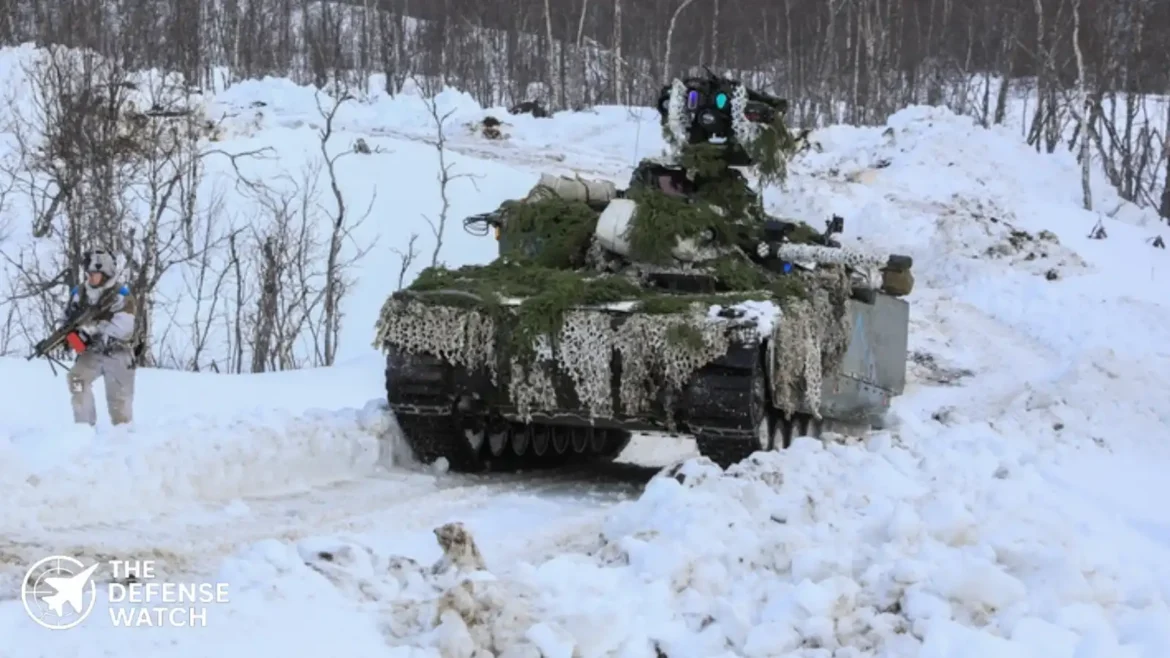
One of the defining aspects of Norway’s defense posture is its focus on Arctic and sub-Arctic operations. The Leopard 2A8 tanks are expected to play a central role in this environment, where extreme weather, rugged terrain, and limited infrastructure pose unique challenges.

Modern armored platforms must be capable of operating in freezing temperatures while maintaining mobility and reliability. Enhanced power systems, thermal management, and crew survivability features are essential in such conditions.
From an operational perspective, Norway’s investment underscores the importance of maintaining credible land combat capabilities in the High North. The region has gained increasing strategic relevance due to its proximity to Russia and its role in NATO’s collective defense planning.
Strategic Implications For NATO’s Northern Flank
The introduction of Leopard 2A8 tanks into Norwegian service has implications beyond national defense. It contributes directly to NATO’s deterrence posture in Northern Europe, where allied forces are working to strengthen readiness and interoperability.
Standardizing on advanced platforms like the Leopard 2A8 also enhances cooperation with other European armies operating similar systems. This improves logistics, training, and joint operational effectiveness.
Defense analysts note that armored forces remain a key component of deterrence, particularly in scenarios involving large-scale conventional conflict. While modern warfare increasingly incorporates drones and precision weapons, main battle tanks continue to provide critical capabilities in mobility, protection, and direct firepower.
Industrial And Procurement Context
Norway’s Leopard 2A8 acquisition is part of a broader European defense industrial effort led by German manufacturers. The program highlights ongoing collaboration between NATO allies to modernize equipment and maintain technological parity with potential adversaries.
The procurement also reflects a shift toward long-term capability planning. Rather than incremental upgrades, countries are opting for next-generation platforms that can remain operationally relevant for decades.
This approach is driven in part by the increasing complexity of modern threats, which require integrated solutions combining armor, sensors, and digital systems.
Operational Outlook
As deliveries continue, the Leopard 2A8 tanks will gradually replace older platforms within Norway’s armored units. Full operational capability is expected to be achieved over the coming years as crews complete training and integration processes.
The deployment of these tanks is likely to enhance Norway’s ability to conduct both national defense and allied operations. It also reinforces the country’s role as a key contributor to NATO’s northern security architecture.
From a broader perspective, the move signals a continued emphasis on conventional military strength in Europe, even as new domains of warfare emerge.
¦ KEY FACTS AT A GLANCE- U.S. Army plans to begin M1E3 Abrams prototype operational testing in summer 2026.
- The M1E3 focuses on reduced weight, improved survivability, and enhanced digital architecture.
- Program reflects broader U.S. shift toward more agile and deployable armored forces.
- Testing phase will validate performance before future production and fielding decisions.
- M1E3 represents a major evolution of the Abrams platform rather than a clean-sheet replacement.
M1E3 Abrams Operational Testing Marks Next Phase Of U.S. Army Modernization
The M1E3 Abrams operational testing is set to begin in summer 2026, as the United States Army advances development of its next-generation main battle tank variant. The effort signals a shift toward a lighter, more survivable, and digitally integrated armored platform designed for future high-intensity conflict.
The Big Picture
U.S. armored modernization has entered a critical transition phase. Rather than pursuing an entirely new tank, the Army is evolving the proven M1 Abrams platform into a more adaptable system that can operate effectively in contested environments.
This approach reflects lessons from recent conflicts, including the importance of mobility, logistics sustainability, and survivability against advanced anti-tank threats such as loitering munitions and top-attack weapons.
The M1E3 program aligns with broader Pentagon priorities focused on force redesign, rapid deployment, and integration of advanced technologies across multi-domain operations.
What’s Happening
The U.S. Army will initiate operational testing of M1E3 Abrams prototypes in summer 2026. These tests aim to evaluate the platform under realistic battlefield conditions.
The testing phase will focus on validating key performance improvements, including survivability enhancements, weight reduction, and updated onboard systems.
The program follows a redesign strategy that moves away from incremental upgrades seen in earlier variants like the M1A2 SEP v3 and v4. Instead, the M1E3 introduces structural and architectural changes intended to improve long-term adaptability.
Operational testing will likely involve Army units in controlled environments to assess combat effectiveness, reliability, and maintainability.
What’s Happening
The U.S. Army will initiate operational testing of M1E3 Abrams prototypes in summer 2026. These tests aim to evaluate the platform under realistic battlefield conditions.
The testing phase will focus on validating key performance improvements, including survivability enhancements, weight reduction, and updated onboard systems.
The program follows a redesign strategy that moves away from incremental upgrades seen in earlier variants like the M1A2 SEP v3 and v4. Instead, the M1E3 introduces structural and architectural changes intended to improve long-term adaptability.
Operational testing will likely involve Army units in controlled environments to assess combat effectiveness, reliability, and maintainability.
Strategic Implications
The introduction of the M1E3 will influence U.S. military readiness by improving the deployability and sustainability of armored forces.
Lighter and more efficient tanks reduce logistical strain, particularly in regions like the Indo-Pacific, where infrastructure constraints complicate heavy equipment movement. This could enhance the Army’s ability to project power in geographically dispersed theaters.
Improved survivability features also strengthen deterrence. A tank that can better withstand modern anti-armor threats increases battlefield resilience and reduces vulnerability in high-intensity conflict scenarios.
The program reinforces the U.S. commitment to maintaining technological superiority in armored warfare, even as competitors invest heavily in their own next-generation platforms.
Competitor View
China and Russia are likely to interpret the M1E3 development as part of a broader U.S. effort to modernize legacy systems rather than replace them outright.
China continues to advance its Type 99 and next-generation armored concepts, focusing on digital integration and active protection systems. Russia, despite industrial constraints, promotes platforms like the T-14 Armata as a leap in armored design.
The U.S. approach differs by emphasizing evolutionary upgrades combined with modularity. This strategy may appear less revolutionary but offers faster fielding timelines and lower technical risk.
From a competitive standpoint, the M1E3 signals that the U.S. prioritizes adaptability and operational readiness over experimental designs that may face delays.
What To Watch Next
The summer 2026 operational testing phase will serve as a key milestone for the M1E3 program.
Observers should track:
- Performance results from field evaluations
- Decisions on production timelines
- Integration of new protection and sensor systems
- Budget allocations in upcoming defense cycles
The Army’s feedback from operational units will likely shape final design adjustments before any large-scale procurement.
Capability Gap
The M1E3 addresses several known limitations in current Abrams variants.
Weight remains a central issue. Existing models exceed 70 tons, creating logistical challenges and limiting deployment flexibility. The M1E3 aims to reduce this burden without sacrificing protection.
Another gap involves survivability against emerging threats. Modern battlefields feature drones, precision-guided munitions, and advanced anti-tank systems. The M1E3 incorporates design changes intended to counter these threats more effectively.
However, trade-offs are inevitable. Reducing weight while maintaining armor protection requires advanced materials and design compromises. The effectiveness of these solutions will depend on real-world testing outcomes.
The Bottom Line
The M1E3 Abrams operational testing marks a decisive step in reshaping U.S. armored forces for future high-intensity warfare.
U.S. Army Redefines Abrams Future with M1E3
The U.S. Army has formally confirmed that the Abrams M1E3, not the M1A2 SEPv4, will be designated as its fifth generation main battle tank. The confirmation was made in 2025 through official U.S. Army modernization briefings and supporting statements, marking a major shift in the service’s armored vehicle strategy.
The decision follows the cancellation of the M1A2 System Enhancement Package Version 4 program, which had been planned as the next incremental upgrade to the long serving Abrams fleet. Instead of further modifying the existing M1A2 design, the Army is moving toward a deeper redesign under the Abrams M1E3 program.
This move reflects broader changes in U.S. Army doctrine, driven by lessons from recent conflicts and the growing demand for more survivable, mobile, and digitally integrated armored platforms.
Background: From SEPv4 to a Clean Sheet Approach
The Abrams tank has been the backbone of U.S. armored forces since the early 1980s. Over four decades, it has undergone multiple upgrades, including the M1A1, M1A2, and several SEPv variants. Each update added improved armor, sensors, computing power, and fire control systems.
The M1A2 SEPv4 was intended to continue this evolution with enhanced sensors, improved thermal sights, advanced networking, and new protection systems. However, as development progressed, the Army concluded that the Abrams platform had reached the limits of what incremental upgrades could deliver.
According to U.S. Army officials, the weight, power demands, and internal space constraints of the SEPv4 design created long term challenges. These issues made it difficult to integrate future technologies such as advanced active protection systems, next generation sensors, and expanded digital warfare capabilities.
As a result, the Army chose to cancel the M1A2 SEPv4 and redirect resources toward the Abrams M1E3, a tank designed from the outset to meet future battlefield requirements.
What Defines the Abrams M1E3 as a Fifth Generation Tank
The U.S. Army’s classification of the Abrams M1E3 as a fifth generation tank reflects a shift away from purely incremental modernization. While the M1E3 will retain the Abrams name and core lineage, it is expected to feature major architectural changes.
Key design goals for the Abrams M1E3 include reduced overall weight, improved fuel efficiency, and simplified maintenance. Army planners have emphasized the need to lower the logistical burden associated with deploying and sustaining heavy armored units, especially in contested environments.
Digital integration is another defining feature. The Abrams M1E3 is being designed with an open systems architecture, allowing faster integration of new software, sensors, and electronic warfare tools. This approach aims to keep the tank adaptable over its service life, rather than locking in fixed technologies at the time of production.
Survivability is also central to the fifth generation concept. The Abrams M1E3 is expected to incorporate advanced active protection systems, improved passive armor layouts, and better signature management. These features are intended to counter modern anti tank guided missiles, loitering munitions, and drone based threats that have become increasingly common in recent conflicts.
Mobility and Power System Changes
One of the major limitations of previous Abrams variants has been weight. Later versions of the tank exceeded 70 tons, placing strain on transport assets, bridges, and recovery vehicles. The Abrams M1E3 program aims to reverse this trend.
The U.S. Army has indicated that the new tank will feature a reworked powertrain and improved energy management. While specific engine details have not been publicly disclosed, officials have suggested that efficiency and reliability are key priorities.
Improved mobility will allow armored units to operate more effectively in urban terrain, soft ground, and regions with limited infrastructure. This is especially important as the Army prepares for potential operations in diverse theaters beyond traditional European battlefields.
Industrial and Program Management Implications
The Abrams M1E3 program also represents a shift in how the Army works with industry. Instead of tightly defined upgrade packages, the Army is pushing for more modular development, allowing industry partners to propose solutions that can evolve over time.
General Dynamics Land Systems, the prime contractor for the Abrams family, is expected to play a central role in M1E3 development. The program aligns with broader Pentagon efforts to shorten development cycles and reduce the risk of technology obsolescence.
By moving away from the M1A2 SEPv4, the Army is also acknowledging that long development timelines for incremental upgrades may no longer be viable in a rapidly changing threat environment.
Strategic Context and Global Implications
The confirmation of the Abrams M1E3 as a fifth generation tank comes at a time when several countries are reassessing their armored forces. Russia, China, and European nations are all investing in new tank designs or major upgrades in response to evolving threats.
For the U.S. Army, the Abrams M1E3 is expected to ensure continued overmatch against peer and near peer adversaries. Its emphasis on digital warfare, survivability, and adaptability reflects lessons learned from Ukraine and other recent conflicts, where tanks have faced significant threats but remain critical when properly integrated with combined arms forces.
Allied nations that operate Abrams tanks may also benefit from technologies developed under the M1E3 program, even if they do not adopt the full platform. Modular systems and shared components could influence future export upgrades.
What Comes Next for the Abrams Fleet
The Abrams M1E3 is still in the development phase, and the Army has not announced a firm timeline for production or fielding. In the interim, existing M1A2 SEPv3 tanks will remain the primary armored platform for U.S. forces.
The Army is expected to use a phased approach, incorporating lessons from testing and experimentation before committing to full scale production. This approach is intended to reduce risk and ensure that the Abrams M1E3 meets operational needs when it enters service.
As the program progresses, further details on armament, protection systems, and digital capabilities are likely to emerge. For now, the confirmation of the Abrams M1E3 as a fifth generation tank marks a clear turning point in U.S. Army armored modernization.
M1 Abrams Tank: Legacy, Upgrades, and the Future of America’s Main Battle Tank
The M1 Abrams tank has served as the backbone of U.S. armored forces for over four decades. First entering service in 1980, it has proven its effectiveness in conflicts from the Persian Gulf to Iraq and Afghanistan. Despite its age, the Abrams continues to undergo major upgrades, ensuring its relevance in a rapidly evolving battlefield shaped by drones, precision weapons, and next-generation armored threats.
Today, the Abrams faces new challenges: peer adversaries like Russia and China are fielding advanced armor, while lightweight anti-tank weapons and loitering munitions threaten heavy formations. The U.S. Army is responding with significant modernization programs to keep the Abrams combat-ready well into the 2030s.

Image courtesy of military.com Source: U.S. Army Acquisition Support Center
The Abrams Legacy: From Cold War to Modern Conflicts
Designed at the height of the Cold War, the Abrams combined speed, protection, and firepower. Its 120mm smoothbore cannon, Chobham composite armor, and 1,500-horsepower gas turbine engine set a new global standard for tank warfare.
The Abrams first proved its dominance during the 1991 Gulf War, where it outperformed Soviet-designed T-72 tanks in Iraq. Its battlefield reputation was cemented in the 2003 invasion of Iraq, where it provided decisive armored support in urban combat.
However, those same wars exposed vulnerabilities. Urban warfare and improvised explosive devices (IEDs) highlighted the need for upgraded armor protection, reactive systems, and electronic enhancements.
Modernization Efforts: M1A2 SEPv3 and Beyond
The current production standard, the M1A2 SEPv3 (System Enhancement Package Version 3), represents the most advanced Abrams variant in service. Key upgrades include:
- Improved armor protection against kinetic and chemical energy threats.
- Enhanced power generation to support modern electronics and battlefield networking.
- Upgraded communications systems for joint, multi-domain operations.
- Active protection systems (APS) such as Trophy to counter anti-tank missiles.
The upcoming M1A2 SEPv4, now under development, will further integrate advanced sensors, improved lethality, and next-generation targeting systems.
Image courtesy of military.com The Abrams in an Era of Drones and Precision Weapons
The war in Ukraine has underscored the vulnerability of heavy armor to drones, precision-guided artillery, and loitering munitions. For the Abrams, survivability will increasingly depend on layered defenses, electronic warfare support, and unmanned teaming.
U.S. Army modernization efforts are exploring integration with robotic combat vehicles, allowing Abrams formations to operate with unmanned scouts and decoys. This shift reflects a broader transition from traditional tank-on-tank warfare to multi-domain operations, where armor must survive in contested air and cyber environments.
Future Outlook: The AbramsX and Next-Generation Armor
General Dynamics Land Systems (GDLS) has unveiled the AbramsX technology demonstrator, a lighter, hybrid-electric concept tank that may shape the future of U.S. armored forces. AbramsX promises:
- Reduced weight for greater mobility and deployability.
- Hybrid-electric propulsion for fuel efficiency and reduced heat signature.
- AI-enabled targeting and crew support systems.
While AbramsX is not yet slated for full production, it reflects the Army’s recognition that the Abrams, despite its legendary record, may need a successor within the next two decades.
Analysis: Can the Abrams Stay Dominant?
The Abrams has continually proven adaptable, evolving from Cold War design to counter-insurgency and now preparing for great-power competition. Yet, its future dominance will depend on how effectively upgrades can counter drones, hypersonic threats, and electronic warfare.
While critics argue that heavy tanks are becoming obsolete in the age of drones, the Abrams remains a critical deterrent. It embodies armored presence, survivability, and firepower—qualities still essential on contested battlefields. The key question for the U.S. Army is whether modernization will keep the Abrams viable, or whether a clean-sheet next-generation design is inevitable.
FAQs
What is the latest version of the M1 Abrams?The latest operational version is the M1A2 SEPv3, with the SEPv4 currently in development.
How long will the Abrams remain in service?The U.S. Army expects the Abrams to remain in service through the 2030s, with future upgrades extending its life further.
What is AbramsX?AbramsX is a technology demonstrator showcasing hybrid-electric propulsion, reduced weight, and advanced AI systems as potential features of future tanks.