
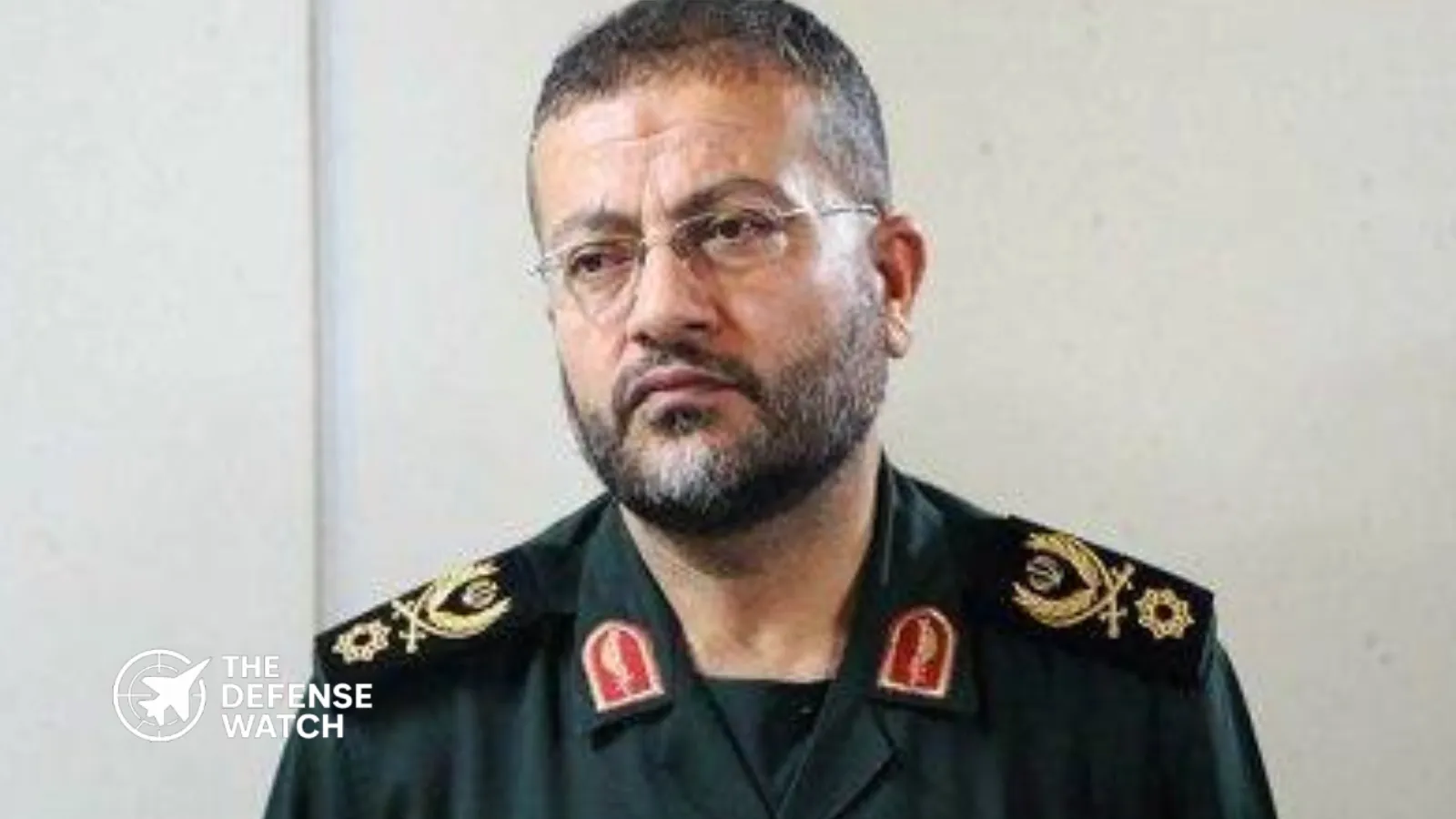
- Iran confirmed the death of a senior Basij paramilitary chief in a reported U.S.-Israeli strike.
- The Basij is a key auxiliary force under the Islamic Revolutionary Guard Corps, used for internal security and mobilization.
- The strike comes amid ongoing military tensions between Iran, Israel, and U.S. forces in the region.
- Iranian officials have vowed retaliation but provided limited operational details.
- The incident underscores growing risks of broader escalation across the Middle East.
Iran Basij Chief Killed In U.S.-Israeli Strike
Iran Basij chief killed in a U.S.-Israeli strike marks a significant development in the ongoing regional conflict, with Tehran confirming the death of a senior paramilitary commander linked to the Islamic Revolutionary Guard Corps.
The commander was killed during what officials described as a joint U.S. and Israeli military operation targeting positions associated with Iran’s security apparatus. The confirmation provides one of the clearest acknowledgments yet of senior leadership losses within Iran’s internal security structure during the current escalation.
The Basij, a volunteer paramilitary force operating under the IRGC, plays a central role in Iran’s domestic security, intelligence support, and wartime mobilization strategy. The death of a senior Basij leader therefore carries both operational and symbolic weight.
Operational Context And Strategic Significance
The reported strike reflects a broader pattern of targeted operations aimed at degrading Iran’s command and control networks. While Israel has historically conducted precision strikes against Iranian assets in Syria and beyond, the involvement or attribution to U.S. forces suggests a potential widening of operational coordination.
From a military standpoint, targeting a Basij commander differs from strikes on conventional military infrastructure. The Basij functions as a hybrid force, combining internal policing roles with expeditionary support functions. This makes its leadership structure critical not only for domestic stability but also for Iran’s asymmetric warfare posture.
Analysts note that removing key figures within such organizations can disrupt communication chains and slow mobilization efforts, even if only temporarily. However, Iran has historically demonstrated resilience in regenerating leadership within the IRGC and affiliated units.
Escalation Dynamics And Regional Impact
The confirmation that an Iran Basij chief was killed in a U.S.-Israeli strike is likely to intensify already high tensions across the Middle East. Tehran has repeatedly warned that attacks on its leadership will trigger retaliation, potentially through proxy networks across Iraq, Syria, Lebanon, and the Gulf.
The risk lies less in immediate large-scale retaliation and more in calibrated responses designed to impose costs while avoiding full-scale war. These could include drone attacks, missile strikes, or maritime disruptions in strategic waterways.
At the same time, the incident may influence internal Iranian calculations. Leadership losses within the Basij could prompt increased domestic security measures, particularly if authorities perceive a risk of internal unrest or external exploitation.
Information Gaps And Verification Challenges
Despite the confirmation, details surrounding the strike remain limited. Neither U.S. nor Israeli officials have publicly provided operational specifics regarding the timing, location, or method of the attack.
This lack of transparency is consistent with past operations, where attribution is often indirect or delayed. Independent verification remains difficult due to restricted access and the complex information environment surrounding military activities in the region.
Still, the acknowledgment by Iranian authorities lends credibility to reports that senior figures are being directly targeted, rather than collateral casualties.
Military And Political Implications
The killing of a Basij commander highlights the evolving nature of the conflict, where leadership targeting is becoming a more visible component of military strategy. This approach aligns with broader trends in modern warfare, emphasizing precision strikes against high-value individuals to achieve strategic effects without large-scale force deployment.
Politically, the incident may strengthen hardline positions within Iran, reinforcing narratives of external aggression and justifying further military readiness. It may also complicate diplomatic efforts aimed at de-escalation, particularly if retaliatory actions follow.
For the United States and Israel, the operation signals continued willingness to engage Iranian-linked targets despite escalation risks. This reflects a balancing act between deterrence and containment, with both sides seeking to avoid uncontrolled conflict while maintaining strategic pressure.
Outlook
As tensions persist, the confirmation that an Iran Basij chief was killed in a U.S.-Israeli strike underscores the fragile security environment in the Middle East. The incident adds another layer to an already complex conflict landscape, where military actions, proxy engagements, and geopolitical calculations intersect.
The coming days will be critical in assessing whether Iran opts for immediate retaliation or adopts a more measured response. Either path carries implications for regional stability and the trajectory of the broader conflict.
Get real time update about this post category directly on your device, subscribe now.
