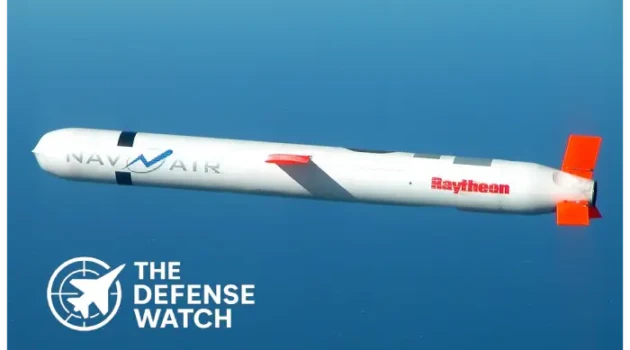
US Tomahawk Missile Strike Options Against Iran
US Tomahawk missile strike options against Iran are drawing renewed attention as regional tensions persist and Washington reviews military contingencies centered on naval power rather than manned aircraft.
US defense officials have not announced any decision to conduct strikes. However, public Pentagon planning documents, congressional assessments, and prior US military operations show that Tomahawk land attack cruise missiles remain a core tool for opening phase operations against heavily defended targets.
The approach reflects lessons from recent conflicts and decades of US strike doctrine, prioritizing standoff precision weapons that can operate outside the reach of advanced air defense systems.
Shift From Bombers to Naval Standoff Weapons
In previous high end strike scenarios, including operations against heavily defended targets, the United States relied on stealth aircraft such as the B 2 Spirit to penetrate airspace and deliver precision guided munitions.
Current planning emphasis increasingly highlights the role of US Navy surface combatants and submarines armed with Tomahawk missiles. These platforms can launch strikes from well over 1,000 miles away, reducing exposure to Iranian radar, missile, and fighter threats.
Tomahawk missiles are deployed across the US Navy fleet, including Arleigh Burke class destroyers, Ticonderoga class cruisers, and Virginia class and Ohio class submarines. This dispersal complicates enemy targeting and increases operational flexibility.
See also: US Navy Expands Virginia Class Submarine Strike Role
Tomahawk Capabilities and Accuracy
The latest Tomahawk variants, including Block IV and Block V, are designed for high precision and mission flexibility. According to US Navy and Congressional Research Service data, modern Tomahawks can strike within roughly 10 meters of designated targets under optimal conditions.
Key features include in flight retargeting, loiter capability, terrain following navigation, and the ability to receive updated coordinates after launch. These traits make the missile suitable for suppressing air defenses, command nodes, radar sites, and hardened infrastructure.
The Block V upgrade adds improved navigation resilience and enhanced effectiveness against hardened or moving targets, further expanding its utility in complex environments.
Suppression of Iranian Air Defenses
Iran maintains a layered air defense network that includes Russian supplied S 300 systems, domestically produced surface to air missiles, mobile launchers, and an extensive radar network.
US military doctrine typically prioritizes suppression of enemy air defenses in the opening hours of any major operation. Analysts note that cruise missile salvos from ships and submarines could target radar sites, missile batteries, communications hubs, and command centers simultaneously.
Such strikes are designed to degrade situational awareness and response speed rather than eliminate every system. This creates windows of reduced coverage that can be exploited by follow on operations if required.
Speed and Operational Tempo
Defense analysts often point out that large scale Tomahawk launches can be executed within hours, without the diplomatic visibility or basing requirements associated with bomber deployments.
Naval strike platforms already present in the region can act with little warning, and submarines in particular offer a high degree of ambiguity prior to launch. This allows US planners to maintain pressure while keeping options flexible.
The emphasis on speed and standoff range reflects broader US military modernization trends focused on survivability and distributed operations.
Strategic and Political Considerations
While Tomahawk missile strikes offer military advantages, they also carry political and escalation risks. Any attack on Iranian territory would have significant regional implications, potentially affecting shipping lanes, regional bases, and allied nations.
US officials consistently stress that military options are part of broader deterrence and diplomacy efforts, not standalone solutions. No public evidence indicates an imminent strike decision.
The continued visibility of Tomahawk strike planning instead signals how the United States prepares for worst case scenarios while attempting to avoid them.
Why Naval Strike Power Matters Now
The renewed focus on Tomahawk missile strike options against Iran highlights a broader shift in US force posture. Long range precision weapons launched from the sea allow Washington to project power while minimizing risk to pilots and forward based forces.
This model aligns with evolving threats, including advanced air defenses, anti access strategies, and political constraints on overseas basing.
As regional tensions fluctuate, Tomahawk armed ships and submarines remain a constant, credible element of US deterrence.
Get real time update about this post category directly on your device, subscribe now.