

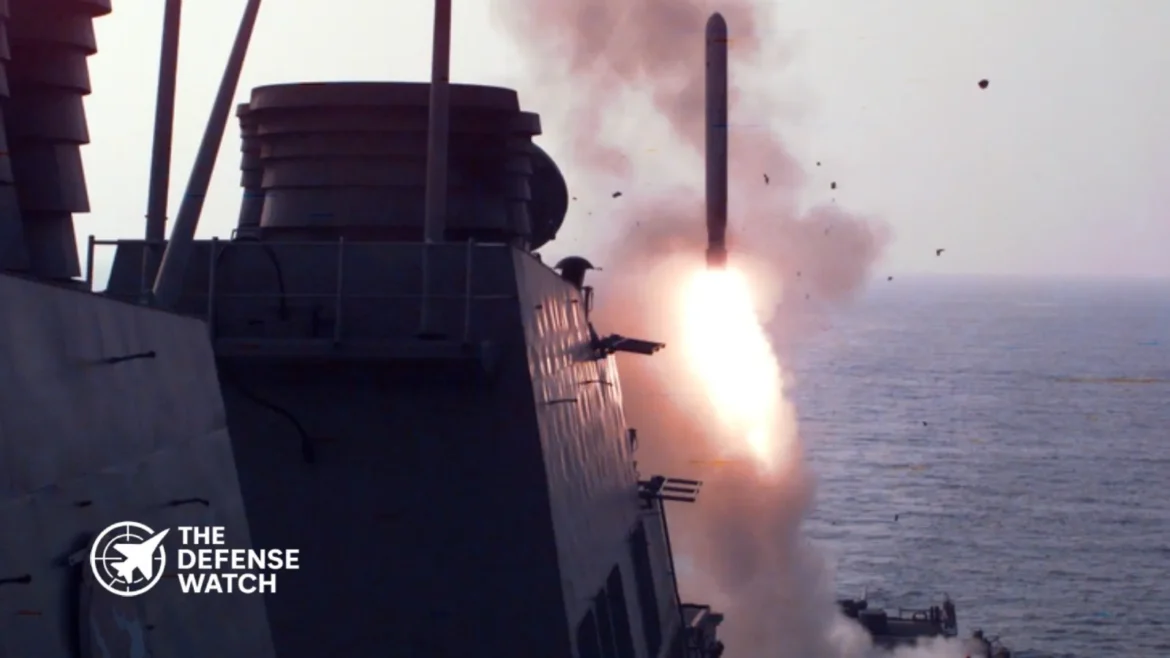
Japan Tomahawk Missile Delays Reflect US Wartime Priorities
Japan Tomahawk missile delays are emerging as a direct consequence of shifting US defense priorities, with Washington reportedly redirecting supply toward immediate operational needs tied to tensions involving Iran. According to reporting cited by Bloomberg and published via Defence Industry Europe, delivery timelines for Tokyo’s planned acquisition of the long-range cruise missiles are now under pressure.
The Tomahawk missile, a cornerstone of US long-range strike capability, has become increasingly critical amid rising geopolitical instability. As demand surges in potential conflict scenarios, the US is prioritizing its own stockpile readiness over scheduled foreign deliveries.
For Japan, this development presents a significant challenge at a time when Tokyo is accelerating efforts to enhance its deterrence posture.
- Japan is facing delays in delivery of US-made Tomahawk cruise missiles due to shifting US wartime priorities.
- The delays are linked to increased US demand amid ongoing tensions involving Iran, according to Bloomberg reporting.
- Tokyo had planned to deploy the missiles as part of its new counterstrike capability strategy.
- The US is prioritizing its own operational needs, straining production and delivery schedules for allies.
- The situation highlights growing pressure on Western defense industrial capacity amid global conflicts.
Strategic Importance Of Japan’s Tomahawk Acquisition
Japan’s planned acquisition of Tomahawk missiles is central to its evolving defense doctrine, particularly its move toward a counterstrike capability. This shift marks a major policy evolution for Tokyo, allowing it to hold adversary targets at risk beyond its immediate territory.
The missiles were expected to provide Japan with a near-term solution while domestic long-range strike systems are still under development. Any delay therefore risks creating a temporary capability gap.
Tokyo has already committed to strengthening its defense posture in response to regional threats, including North Korea’s missile program and China’s expanding military reach. The introduction of Tomahawk missiles was intended to accelerate this transition.
Delays now complicate those timelines and may force Japan to reassess interim solutions.
US Defense Production Under Strain
The Japan Tomahawk missile delays also underscore a broader issue, the growing strain on US defense industrial capacity. Multiple concurrent demands, including support for allies and replenishment of US stockpiles, are stretching production lines.
The reported prioritization linked to Iran-related contingencies reflects how quickly supply chains can shift under wartime conditions. This is not an isolated case. Similar pressures have been observed in munitions supply for Ukraine and other theaters.
The US defense sector is working to expand output, but scaling production of complex systems like cruise missiles takes time. Manufacturing constraints, workforce limitations, and supply chain dependencies all contribute to slower ramp-up rates.
As a result, allied nations relying on US systems may face increasing uncertainty in delivery schedules.
Operational And Regional Implications
From an operational standpoint, the delay in Japan Tomahawk missile deliveries could affect the pace at which Tokyo integrates long-range strike capabilities into its force structure.
This has implications for deterrence in the Indo-Pacific. A fully operational counterstrike capability is seen by Japanese planners as essential to offset evolving threats.
Any delay, even temporary, may influence strategic calculations across the region. Adversaries closely monitor such developments, particularly when they relate to alliance capabilities and readiness.
At the same time, the situation highlights the interconnected nature of global defense supply chains. A conflict or contingency in one region can directly impact military planning in another.
Broader Strategic Takeaways
The Japan Tomahawk missile delays offer a clear example of how global demand for advanced munitions is reshaping defense planning. For the United States, balancing immediate operational needs with alliance commitments is becoming increasingly complex.
For allies like Japan, the lesson is equally clear. Diversification of supply, investment in domestic production, and long-term planning are becoming critical components of national defense strategies.
The evolving situation reinforces a central reality of modern defense planning. Industrial capacity is now as important as technological capability in determining military readiness.
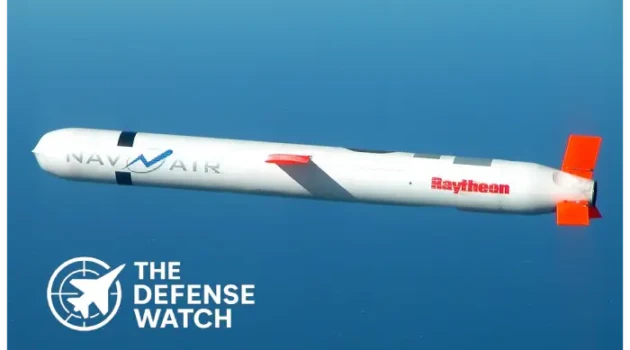

RTX Announces Historic Production Expansion Under Pentagon Framework Agreements
Raytheon, an RTX business, entered into five landmark framework agreements with the U.S. Department of War to significantly increase production capacity and speed deliveries of critical precision munitions, the company announced February 4, 2026.
(adsbygoogle = window.adsbygoogle || []).push({});The defense contractor will substantially expand manufacturing of Land Attack and Maritime Strike variants of Tomahawk cruise missiles, AMRAAM air-to-air missiles, and multiple Standard Missile interceptor variants under agreements spanning up to seven years. RTX will increase annual production of Tomahawks to more than 1,000, AMRAAMs to at least 1,900, and SM-6 to more than 500, representing two-to-four-fold increases over current production rates for several munitions.
The agreements cover production of five weapon systems: Tomahawk cruise missiles, AMRAAM missiles, Standard Missile-3 Block IB interceptors, Standard Missile-3 Block IIA interceptors, and Standard Missile-6 missiles. Production will occur at Raytheon facilities in Tucson, Arizona; Huntsville, Alabama; and Andover, Massachusetts.
Strategic Significance of Production Expansion
The framework agreements represent a significant shift in defense-industrial collaboration, according to company leadership. RTX CEO and Chairman Chris Calio stated the deals “redefine how government and industry can partner to speed the delivery of critical technologies” and align with the administration’s Acquisition Transformation Strategy.
The expansion addresses sustained growth in global demand for precision munitions as U.S. forces and allied militaries increase stockpile requirements. The Tomahawk missile system has been flight-tested over 550 times and used operationally more than 2,300 times since its introduction, establishing itself as a primary long-range strike option for U.S. naval forces.
AMRAAM missiles serve as the principal air-to-air weapon for U.S. fighter aircraft and have been deployed by more than 40 allied nations. The Standard Missile family provides layered air and missile defense capabilities for naval vessels and ground-based systems, with the SM-3 variants specifically designed for ballistic missile intercept missions.
Production Facilities and Investment Strategy
Manufacturing under the new agreements will leverage existing Raytheon infrastructure while incorporating significant facility upgrades and workforce expansion. The company has committed to continued investment in production capacity and acceleration projects beyond previous expenditure levels.
(adsbygoogle = window.adsbygoogle || []).push({});The long-term agreements incorporate a collaborative funding approach designed to preserve upfront free cash flow, allowing RTX to invest confidently to meet long-term demand, according to the company statement. The financial commitments associated with these frameworks have been incorporated into RTX’s 2026 financial outlook, which projects capital expenditures exceeding $3 billion.
The Tucson facility will serve as the primary production site for several missile variants, while Huntsville operations will support advanced interceptor manufacturing. The Andover location will contribute to component production and integration activities across multiple programs.
Weapon System Capabilities and Performance
The Tomahawk cruise missile provides precision strike capability from standoff ranges exceeding 1,000 miles, enabling attacks against heavily defended targets while keeping launch platforms outside enemy engagement zones. Both land-attack and maritime strike variants will see production increases under the new agreements.
AMRAAM missiles provide beyond-visual-range air-to-air engagement capability with active radar guidance and all-weather performance. The weapon serves as the primary air-to-air armament for F-15, F-16, F-18, and F-22 fighter aircraft across U.S. and allied air forces.
The Standard Missile-3 Block IB and Block IIA variants provide exoatmospheric intercept capability against short-to-intermediate-range ballistic missiles. The SM-3 IIA, developed in partnership with Japan, extends intercept range and altitude compared to earlier variants. Standard Missile-6 provides multi-mission capability including anti-air warfare, ballistic missile defense, and anti-surface warfare from a single weapon system.
Defense Industrial Base Implications
The production expansion represents a significant commitment to strengthening U.S. defense manufacturing infrastructure. The agreements formalize long-term production commitments that enable contractors to make facility and workforce investments with greater financial certainty.
Industry observers note the framework approach provides stability for supply chain partners and enables more efficient procurement of long-lead materials and components. The seven-year agreement duration allows for phased capacity expansion rather than rapid scaling that can strain quality control and supplier relationships.
The increased production rates will require workforce expansion across multiple facilities and skill sets, from precision machining and electronics assembly to quality assurance and systems integration. RTX has indicated the agreements support the Department of War’s objectives for industrial base strengthening and American job creation.
Strategic Context and Global Demand
The munition production expansion occurs amid heightened global tensions and increased defense spending among U.S. allies. Multiple allied nations have requested increased deliveries of American-made precision weapons to modernize their forces and replenish stocks.
Recent conflicts have demonstrated the high consumption rates of precision munitions in modern combat operations. U.S. forces and coalition partners have utilized Tomahawk cruise missiles, AMRAAM air-to-air weapons, and Standard Missile interceptors extensively in recent operations, driving requirements for expanded production capacity.
(adsbygoogle = window.adsbygoogle || []).push({});The Standard Missile family has seen particular demand growth as allied navies invest in ballistic missile defense capabilities. Japan, Australia, and several European nations operate or have ordered destroyers and frigates equipped with Aegis combat systems that utilize Standard Missile interceptors.
Naval forces globally have increased requirements for Tomahawk missiles as more platforms gain launch capability. The weapon has been integrated with Virginia-class submarines, Zumwalt-class destroyers, and multiple cruiser and destroyer classes. Allied nations including the United Kingdom and Australia have procured Tomahawk systems for their naval forces.
Program Timeline and Production Ramp
RTX has not disclosed specific timelines for reaching peak production rates under the new agreements, though the company indicated manufacturing will begin in accordance with existing facility capabilities and planned expansion activities. The seven-year framework duration suggests a multi-year ramp to full production capacity.
Industry analysts note that missile production scaling requires careful coordination of complex supply chains involving hundreds of components and subassemblies. Critical long-lead items such as rocket motors, guidance systems, and specialized electronics require their own capacity expansion to support higher production rates.
The company’s 2026 capital expenditure budget includes funding for production line expansions, equipment procurement, and facility modifications necessary to achieve target production rates. Additional workforce hiring and training will occur as production lines scale toward full capacity.
Financial and Market Impact
RTX stock has performed strongly in recent months, with shares trading near 52-week highs. The company reported fourth-quarter revenue of $24.24 billion, exceeding analyst estimates, with earnings per share of $1.55 beating consensus forecasts of $1.47.
The defense contractor maintains a diversified business portfolio spanning commercial and military aviation, missile systems, and aerospace components through its Pratt & Whitney, Collins Aerospace, and Raytheon divisions. Defense systems account for approximately 33% of total company revenue.
(adsbygoogle = window.adsbygoogle || []).push({});Analyst firms have maintained generally positive ratings on RTX shares following the munition production announcement, with price targets ranging from recent lows around $168 to highs approaching $227. The long-term framework agreements provide revenue visibility and support projections for sustained defense systems growth.
Conclusion
The five framework agreements between RTX’s Raytheon division and the U.S. Department of War represent one of the most significant defense production expansions in recent years. The commitment to more than double production of critical precision munitions addresses urgent requirements from U.S. forces and allied militaries while strengthening American defense manufacturing infrastructure.
Successful execution of the production expansion will require sustained investment in facilities, equipment, and workforce over the coming years. The agreements provide a foundation for long-term industrial base stability and position RTX as a key supplier of precision weapons to U.S. and allied forces through the next decade.

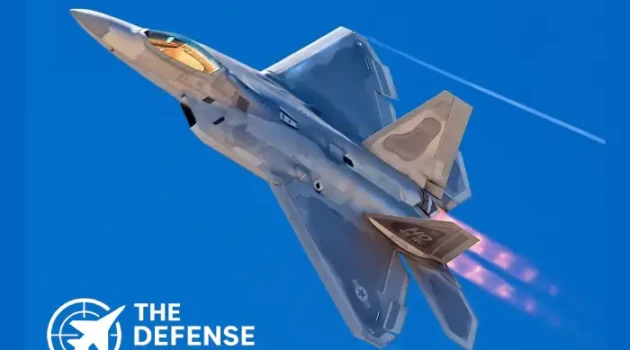

US Tomahawk Missile Strike Options Against Iran
US Tomahawk missile strike options against Iran are drawing renewed attention as regional tensions persist and Washington reviews military contingencies centered on naval power rather than manned aircraft.
(adsbygoogle = window.adsbygoogle || []).push({});US defense officials have not announced any decision to conduct strikes. However, public Pentagon planning documents, congressional assessments, and prior US military operations show that Tomahawk land attack cruise missiles remain a core tool for opening phase operations against heavily defended targets.
The approach reflects lessons from recent conflicts and decades of US strike doctrine, prioritizing standoff precision weapons that can operate outside the reach of advanced air defense systems.
Shift From Bombers to Naval Standoff Weapons
In previous high end strike scenarios, including operations against heavily defended targets, the United States relied on stealth aircraft such as the B 2 Spirit to penetrate airspace and deliver precision guided munitions.
Current planning emphasis increasingly highlights the role of US Navy surface combatants and submarines armed with Tomahawk missiles. These platforms can launch strikes from well over 1,000 miles away, reducing exposure to Iranian radar, missile, and fighter threats.
Tomahawk missiles are deployed across the US Navy fleet, including Arleigh Burke class destroyers, Ticonderoga class cruisers, and Virginia class and Ohio class submarines. This dispersal complicates enemy targeting and increases operational flexibility.
See also: US Navy Expands Virginia Class Submarine Strike Role
Tomahawk Capabilities and Accuracy
The latest Tomahawk variants, including Block IV and Block V, are designed for high precision and mission flexibility. According to US Navy and Congressional Research Service data, modern Tomahawks can strike within roughly 10 meters of designated targets under optimal conditions.
Key features include in flight retargeting, loiter capability, terrain following navigation, and the ability to receive updated coordinates after launch. These traits make the missile suitable for suppressing air defenses, command nodes, radar sites, and hardened infrastructure.
(adsbygoogle = window.adsbygoogle || []).push({});The Block V upgrade adds improved navigation resilience and enhanced effectiveness against hardened or moving targets, further expanding its utility in complex environments.
Suppression of Iranian Air Defenses
Iran maintains a layered air defense network that includes Russian supplied S 300 systems, domestically produced surface to air missiles, mobile launchers, and an extensive radar network.
US military doctrine typically prioritizes suppression of enemy air defenses in the opening hours of any major operation. Analysts note that cruise missile salvos from ships and submarines could target radar sites, missile batteries, communications hubs, and command centers simultaneously.
Such strikes are designed to degrade situational awareness and response speed rather than eliminate every system. This creates windows of reduced coverage that can be exploited by follow on operations if required.
Speed and Operational Tempo
Defense analysts often point out that large scale Tomahawk launches can be executed within hours, without the diplomatic visibility or basing requirements associated with bomber deployments.
Naval strike platforms already present in the region can act with little warning, and submarines in particular offer a high degree of ambiguity prior to launch. This allows US planners to maintain pressure while keeping options flexible.
The emphasis on speed and standoff range reflects broader US military modernization trends focused on survivability and distributed operations.
Strategic and Political Considerations
While Tomahawk missile strikes offer military advantages, they also carry political and escalation risks. Any attack on Iranian territory would have significant regional implications, potentially affecting shipping lanes, regional bases, and allied nations.
US officials consistently stress that military options are part of broader deterrence and diplomacy efforts, not standalone solutions. No public evidence indicates an imminent strike decision.
The continued visibility of Tomahawk strike planning instead signals how the United States prepares for worst case scenarios while attempting to avoid them.
Why Naval Strike Power Matters Now
The renewed focus on Tomahawk missile strike options against Iran highlights a broader shift in US force posture. Long range precision weapons launched from the sea allow Washington to project power while minimizing risk to pilots and forward based forces.
This model aligns with evolving threats, including advanced air defenses, anti access strategies, and political constraints on overseas basing.
As regional tensions fluctuate, Tomahawk armed ships and submarines remain a constant, credible element of US deterrence.
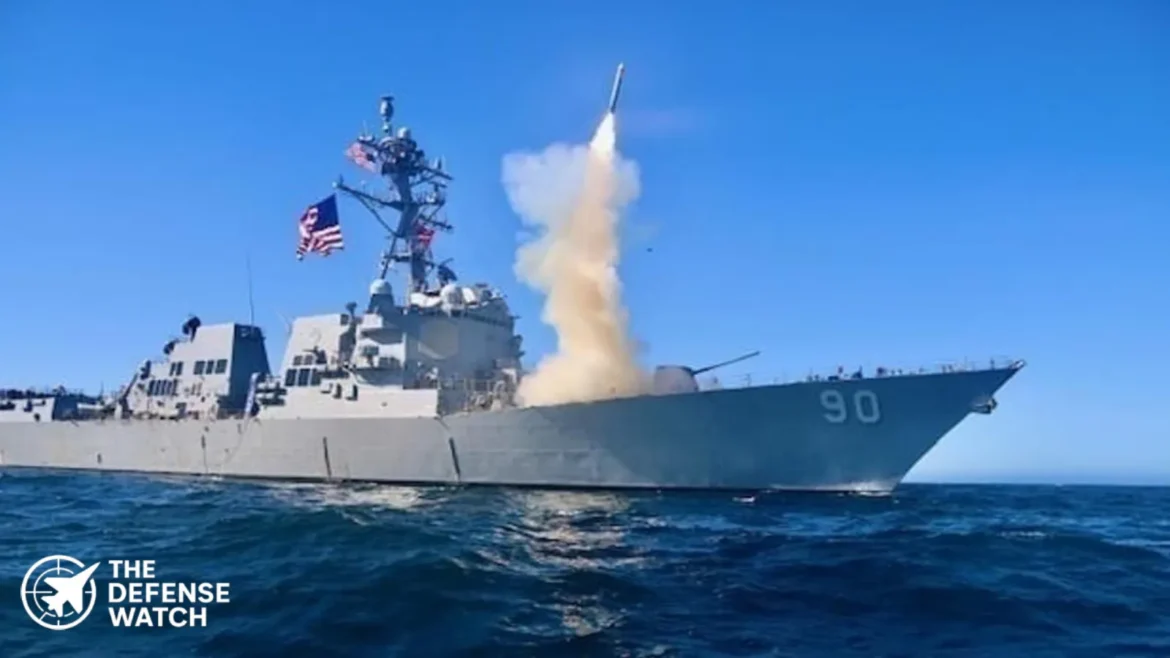
Raytheon has secured a major Tomahawk missile modernization contract as the U.S. Navy moves to extend the service life and readiness of its long range strike inventory. The Navy awarded Raytheon Co. a contract modification valued at $380.8 million, bringing the total definitized value of the program to $476.5 million, according to a U.S. Department of Defense contract announcement.
(adsbygoogle = window.adsbygoogle || []).push({});The award reinforces the Tomahawk missile’s role as a core element of U.S. naval strike capability, while highlighting the Navy’s focus on sustainment, recertification, and modernization rather than near term replacement.
Contract Details and Scope
The contract modification, identified as P00010 under contract number N0001925C0071, is structured as a fixed price incentive and firm fixed price agreement. It definitizes earlier work and expands the scope to cover Lot Five and Lot Six Tomahawk missile recertification and modernization.
Key elements of the contract include:
- Recertification and modernization of Tomahawk missiles from Lot Five and Lot Six
- Depot level operations and sustainment activities
- Procurement of recertification hardware
- Delivery of Tomahawk spares and replacement components
- Support for rotable pool assets to improve fleet availability
The work supports both U.S. service requirements and Foreign Military Sales customers, reflecting the missile’s continued relevance across allied naval forces.
Naval Air Systems Command at Patuxent River, Maryland, is the contracting activity.
Work Locations and Schedule
Contracted work will be distributed across a broad industrial base in the United States and Canada, underscoring the program’s economic footprint and supply chain complexity.
Primary work locations include:
- Tucson, Arizona, 30 percent
- Boulder, Colorado, 28 percent
- Pontiac, Michigan, 11 percent
- Lincoln, Nebraska, 6 percent
- Clearwater, Florida, 6 percent
- Irvine, California, 5 percent
- East Camden, Arkansas, 3 percent
- Keyser, West Virginia, 2 percent
Smaller portions of work will occur in Arizona, Arkansas, California, and Ontario, Canada, along with other continental U.S. locations.
The Navy expects contract performance to continue through April 2029, aligning with long term fleet sustainment plans for surface combatants and submarines equipped with Tomahawk missiles.
Funding Breakdown
Funding for the Tomahawk missile modernization contract comes from multiple procurement accounts across fiscal years 2024 and 2025, as well as Foreign Military Sales funding.
Obligated amounts at the time of award include:
- $7.3 million from fiscal 2024 Army missile procurement funds
- $4.8 million from fiscal 2024 Marine Corps procurement funds
- $202.1 million from fiscal 2024 Navy weapons procurement funds
- $155.0 million from fiscal 2025 Navy weapons procurement funds
- $99.4 million from Foreign Military Sales funds
Of the total obligated amount, $214.2 million is set to expire at the end of the current fiscal year.
The contract was not competed, reflecting Raytheon’s role as the original equipment manufacturer and sole integrator for the Tomahawk missile system.
Strategic Importance of the Tomahawk Program
The Tomahawk missile remains one of the U.S. Navy’s most flexible and widely deployed strike weapons. Capable of land attack missions from both surface ships and submarines, the missile provides commanders with a long range, precision strike option without risking manned aircraft.
Modernization and recertification efforts are essential as the Navy seeks to maintain credible strike capacity amid rising global competition. Rather than retiring older missile lots, the Navy has opted to extend their operational life through refurbishment, software updates, and component replacement.
According to Navy budget documents and Congressional testimony, Tomahawk upgrades support improved reliability, maintainability, and compatibility with evolving command and control systems.
Raytheon’s Role and Industrial Base Impact
Raytheon, now operating as part of RTX, has been the prime contractor for the Tomahawk program for decades. The company is responsible for missile production, integration, sustainment, and life cycle support.
This latest Tomahawk missile modernization contract further cements Raytheon’s position as a central player in U.S. naval strike systems. It also sustains high skill manufacturing and engineering jobs across multiple states, aligning with Pentagon goals to preserve critical defense industrial capabilities.
Defense officials have consistently emphasized the importance of maintaining production lines and sustainment expertise for proven weapons systems, especially as demand for precision munitions continues to grow.
Broader Navy Modernization Context
The Tomahawk investment comes as the Navy balances new weapon development with upgrades to existing platforms. While hypersonic weapons and next generation missiles are under development, officials have stressed that mature systems like Tomahawk will remain in service well into the next decade.
Modernization programs allow the Navy to manage costs, maintain readiness, and avoid capability gaps while newer systems progress through testing and integration.
In this context, the Raytheon Tomahawk missile modernization contract reflects a pragmatic approach to force structure and long range strike planning.