
US Report Says Australia Rejects Taiwan Defense Pledge, Threatens Nuclear Submarine Sale
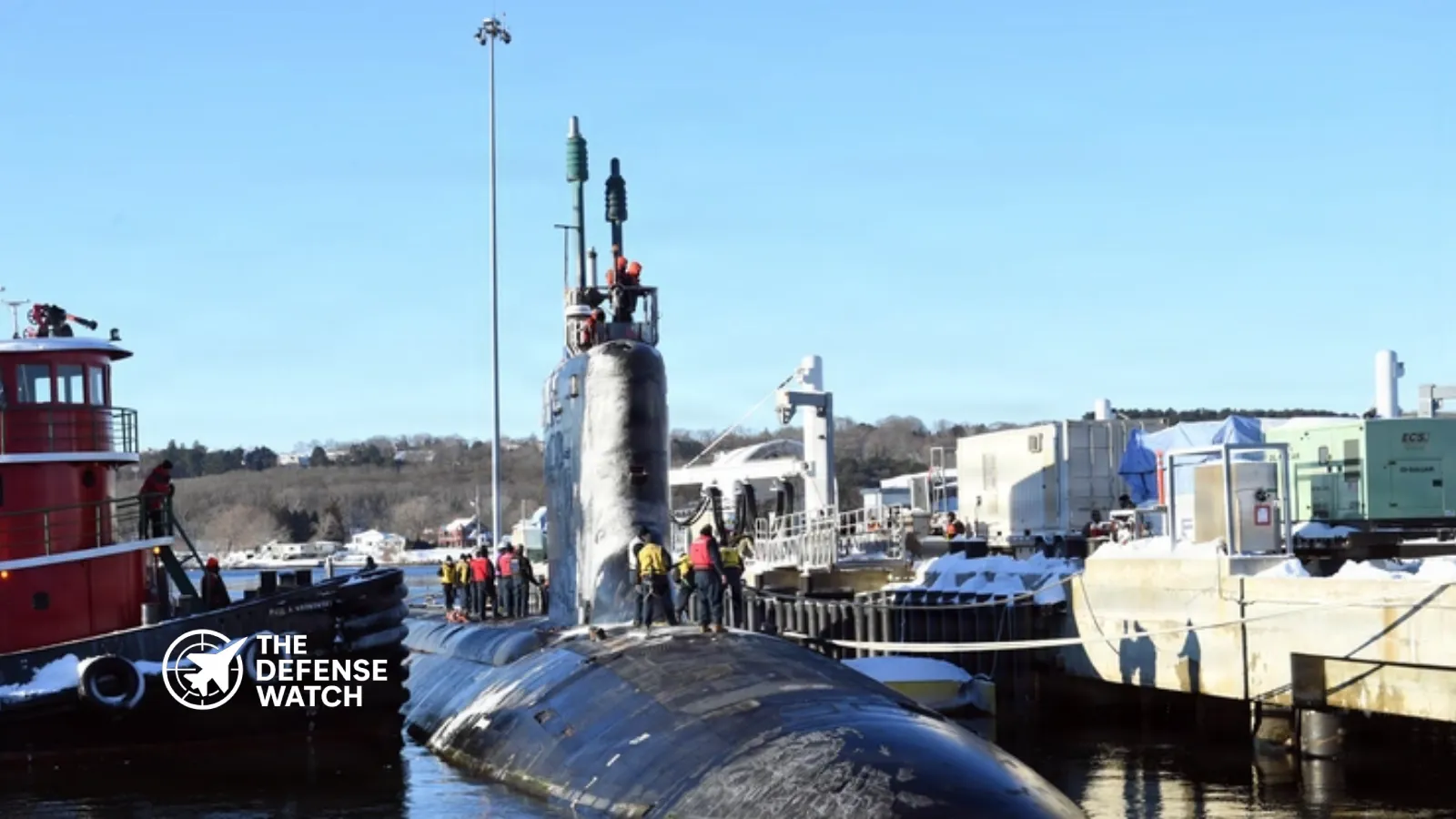
A recent US Congress Research Service (CRS) report highlights Australia’s refusal to explicitly commit to defending Taiwan if conflict with China occurs, adding new strain to the AUKUS security partnership and raising the possibility that the United States might not sell Virginia-class nuclear submarines to Australia.
The report suggests US policymakers should consider retaining control of the submarines rather than transferring them to the Royal Australian Navy, a move framed as necessary to preserve deterrence and ensure US access to advanced undersea capability in a Taiwan contingency.
Report Focuses on Taiwan Security Commitment
The CRS analysis, published in late January, cites public statements by Australian Deputy Prime Minister and Defense Minister Richard Marles noting that Australia has not promised to support the United States militarily if China and the US go to war over Taiwan.
That reticence is described as a core tension in the trilateral Australia-UK-US (AUKUS) pact, which was originally intended to boost allied capability in the Indo-Pacific by transferring nuclear-powered submarines to Australia. In practical terms, the report warns that submarines sold to Canberra might not be available for fighting in a Taiwan Strait crisis if Canberra chooses not to commit them.
Strategic and Security Concerns Over Transfer
The CRS report raises two main concerns tied to a potential submarine sale. One is allied interoperability and strategic alignment, particularly whether Australia would make its most advanced platforms available in a high-end conflict involving Taiwan. The second is information security risk, with the report warning that Australia faces frequent cyberattacks linked to China. These attacks could expose sensitive nuclear submarine technologies if shared too broadly.
US Industrial Capacity Limits
The report also highlights US Navy shipyard capacity constraints. American yards currently build about 1.2 submarines per year, requiring a significant ramp-up to meet both US Navy and allied demand. To supply Australia under the original AUKUS plan, capacity would need year-on-year growth beyond what current infrastructure supports.
Alternate Proposal: US Retains Subs, Deploys Forward
In response to these issues, the report outlines a proposal where the United States does not sell any Virginia-class submarines to Australia. Instead, the boats would remain under US Navy control but operate from Australian bases. That concept aims to keep advanced undersea capability close at hand while avoiding concerns over allied operational commitments and industrial strain.
Under this scenario, Australia could redirect funds toward other defense needs such as long-range anti-ship missiles and unmanned systems, or invest in capabilities tailored to its own territorial defense.
Broader Implications for AUKUS and Indo Pacific
This shift could reshape expectations for AUKUS. The original vision centered on deep industrial and capability sharing to counter Chinese maritime and nuclear strengths. Redefining the nuclear submarine element signals both the limits of current allied commitment frameworks and the tensions inherent in balancing national priorities within a coalition.
The debate also comes as broader Western defense planning increasingly focuses on Taiwan as a potential flashpoint. Multiple US defense reviews and media reports have highlighted growing Chinese military capability and intentions in the region, prompting allied force posture and planning adjustments.
Get real time update about this post category directly on your device, subscribe now.
