
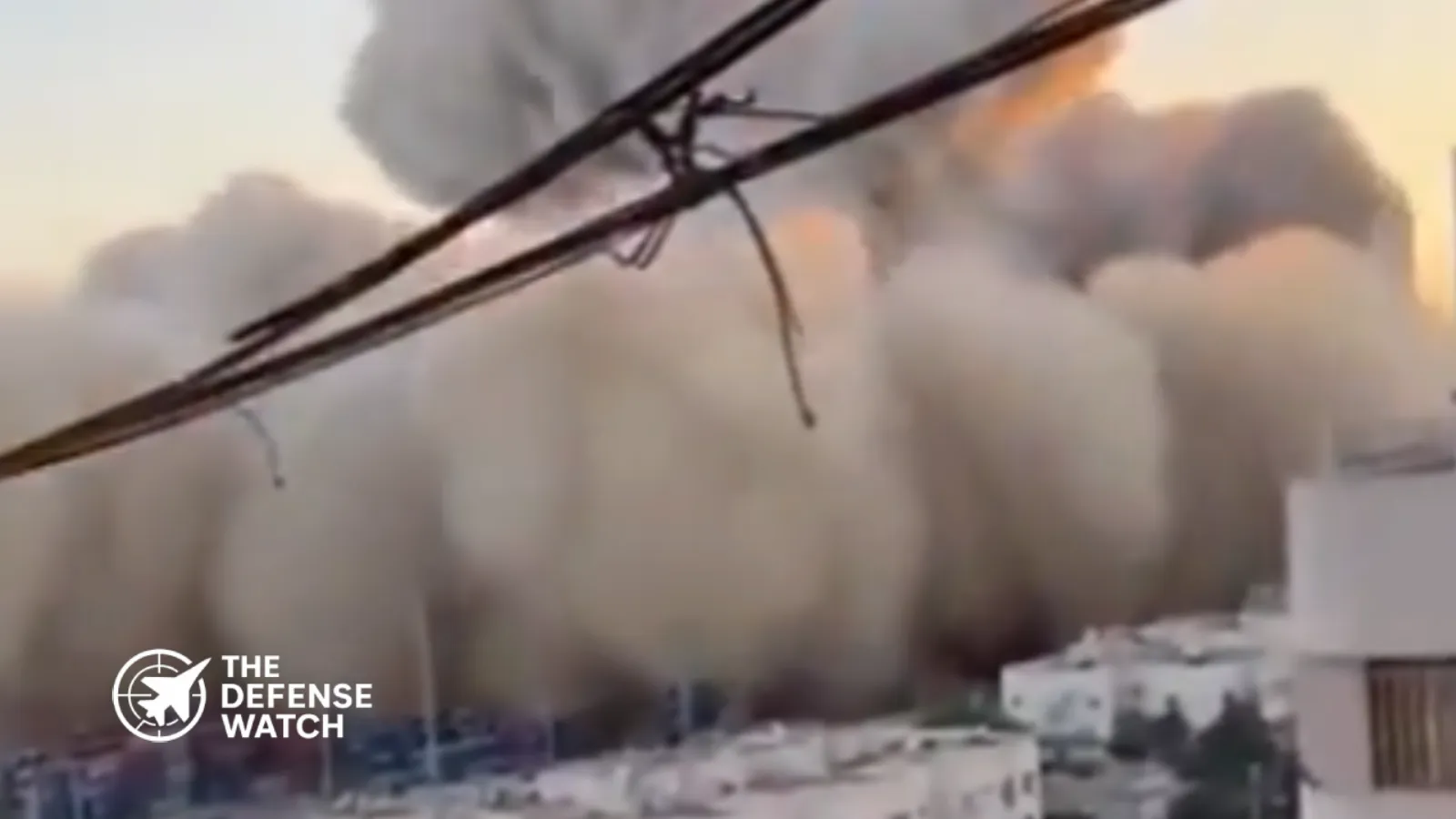
- ► U.S. Central Command confirms four American soldiers killed in action as of March 2.
- ► Fourth soldier died of wounds sustained during Iran’s initial attacks.
- ► Combat operations and response efforts remain ongoing across the theater.
- ► Identities of the fallen withheld pending family notification under DoD policy.
- ► Casualties mark a pivotal moment in the expanding U.S. military response to Iran.
U.S. Central Command Confirms Four American Soldiers Killed In Action
U.S. Central Command confirmed Monday that four American soldiers have been killed in action following Iran’s initial attacks on U.S. forces, marking a significant escalation in the ongoing regional conflict.
In a statement released from Tampa, Florida, U.S. Central Command said that as of 7:30 a.m. Eastern Time on March 2, a fourth service member had succumbed to injuries sustained during the opening phase of the Iranian assault.
The soldier had been listed in serious condition after the initial strike. The command said the identities of the fallen will remain confidential for 24 hours following notification of next of kin, in line with Department of Defense policy.
Casualties Confirmed As Operations Continue
U.S. Central Command, the unified combatant command responsible for U.S. military operations across the Middle East and parts of South and Central Asia, said main combat operations and response efforts are ongoing.
The confirmation of four American soldiers killed in action underscores the intensity of the current phase of operations. While CENTCOM did not disclose the precise location or unit affiliations, the language of the statement indicates the casualties occurred during direct hostilities stemming from Iran’s initial attacks.
Under standard Pentagon procedures, casualty notifications are conducted in person by casualty assistance officers before public release of names. The 24 hour delay reflects that policy and is consistent with past conflicts.
Strategic Implications For U.S. Forces In Theater
The announcement by U.S. Central Command carries operational and strategic weight.
First, confirmed fatalities alter the political and military calculus in Washington. Historically, American combat deaths in the region have shaped the tempo and scale of follow on operations. Public acknowledgment of soldiers killed in action often coincides with expanded rules of engagement or intensified strike packages, depending on the mission set and threat environment.
Second, the deaths signal that Iranian attacks were not symbolic or limited harassment strikes. The fact that a soldier initially listed as seriously wounded later died suggests the use of high impact munitions or precision guided systems capable of inflicting lethal damage against hardened or semi hardened positions.
Defense officials have not yet released details on the specific weapons used in the Iranian assault. However, Iran’s arsenal includes ballistic missiles, land attack cruise missiles, armed drones, and proxy force rocket systems. Past engagements documented by the Department of Defense and independent analysts have shown that even short range systems can generate significant casualties when bases are within range.
Third, the continued statement that combat operations are underway indicates the U.S. response phase remains active. That may include air operations, missile defense intercepts, force protection adjustments, and potential retaliatory strikes.
Operational Posture And Force Protection
U.S. Central Command oversees tens of thousands of U.S. personnel across multiple host nations. These forces include air expeditionary wings, naval strike groups, missile defense batteries, special operations elements, and Army brigade level formations.
In recent years, CENTCOM has placed increased emphasis on integrated air and missile defense due to the growing threat posed by Iranian drones and precision guided munitions. Systems such as Patriot batteries, Terminal High Altitude Area Defense, and ship based Aegis platforms have formed layered defensive networks across key installations.
The confirmation of American soldiers killed in action may trigger additional hardening measures, dispersal of assets, or redeployment of high value platforms. Historically, casualty events have led to rapid adjustments in base posture, including relocation of aircraft, increased counter rocket artillery systems, and expanded intelligence surveillance coverage.
Broader Regional Context
The deaths come amid escalating direct confrontation between U.S. and Iranian forces, rather than the lower intensity proxy engagements that have characterized much of the past decade.
U.S. Central Command has previously warned of increased risk to American personnel following periods of regional instability. Defense analysts note that once direct state to state hostilities produce confirmed fatalities, escalation dynamics often shift quickly.
At the same time, senior U.S. officials have consistently stated that force protection remains the top priority and that responses will be calibrated to operational objectives. The CENTCOM statement did not outline next steps but reaffirmed that combat operations and response efforts are continuing.
What Comes Next
In the immediate term, the focus remains on ongoing operations and supporting affected units and families.
In the coming days, additional briefings from the Pentagon and U.S. Central Command are likely to provide further clarity on the scope of Iranian attacks and the scale of U.S. counter operations. Lawmakers are also expected to seek classified briefings regarding force posture, casualty circumstances, and contingency planning.
For now, the confirmation of four American soldiers killed in action represents a sobering milestone in the current conflict cycle.
As U.S. Central Command continues operations, the situation remains fluid, with significant implications for regional security, U.S. military posture, and allied coordination across the Middle East theater.
Get real time update about this post category directly on your device, subscribe now.
