
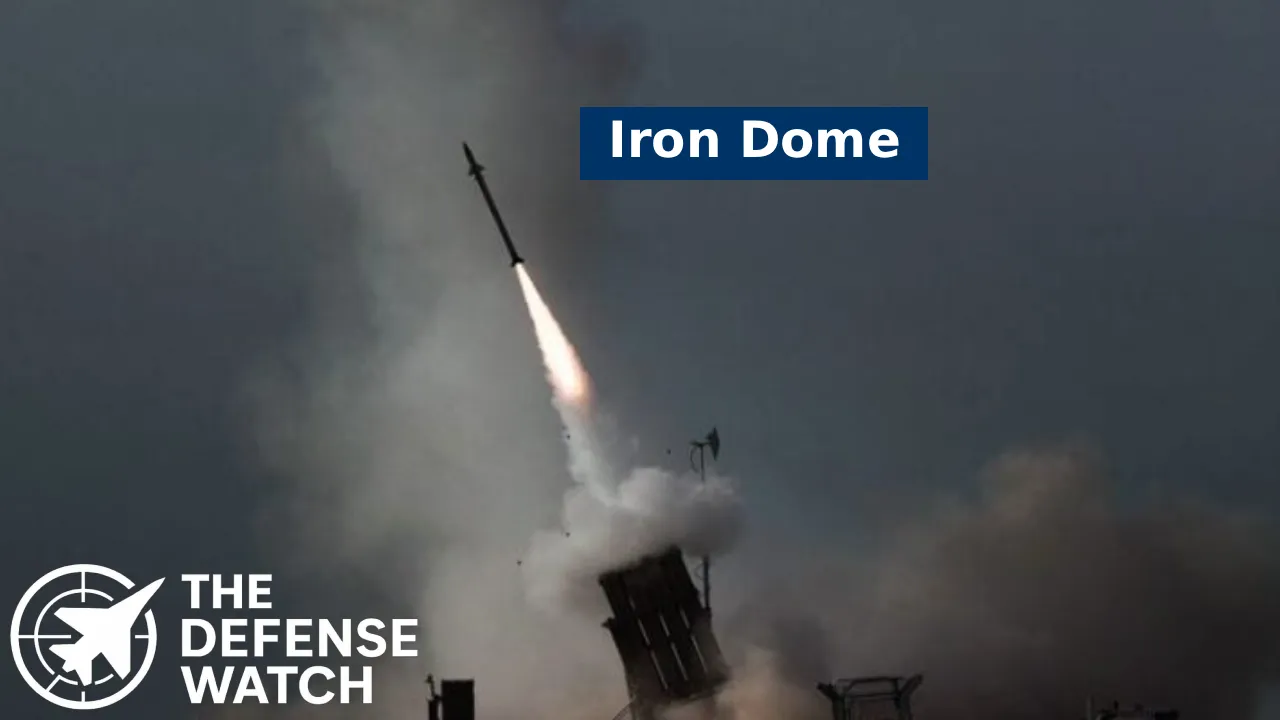
Jerusalem — Israel is rapidly scaling up production of its Iron Dome missile defense system utilizing billions of dollars in U.S. aid, the Israeli Defense Ministry announced on Nov. 20, 2025. The move comes amid heightened security concerns and the need to replenish interceptor stockpiles that were heavily used over the past two years.
Background: A Strategic Surge in Air-Defense Funding
The acceleration in Iron Dome production is being financed through a special U.S. aid package approved by the U.S. Congress in April 2024, totaling $8.7 billion. Of that amount, $5.2 billion is earmarked specifically for strengthening Israel’s air- and missile-defense capabilities — including systems like Iron Dome, David’s Sling, and the emerging Iron Beam laser system.
This is not the first time Israel has tapped into U.S. funds for Iron Dome production. Earlier in January 2025, the Defense Ministry signed a contract with Rafael Advanced Defense Systems to boost serial production of Iron Dome interceptors.
What’s Driving the Acceleration
Officials in Jerusalem pointed to the intensive use of Iron Dome interceptors during the two-year “Iron Swords” war, when thousands of rockets were launched at Israel from Gaza and Lebanon. They noted that replenishing these missile stocks is a top priority to ensure readiness for potential future conflicts.
The expanded contract with Rafael reflects this urgency. The Israeli Ministry of Defense (IMOD) said that the procurement is part of a broader push to reinforce air-defense infrastructure — not only for Iron Dome but also for other systems in its multi-layered architecture, such as David’s Sling and the high-powered Iron Beam.
Rafael leads production, working in coordination with ELTA Systems (an Israel Aerospace Industries unit) and mPrest Systems. Meanwhile, U.S. involvement has deepened: a significant portion of the manufacturing is now taking place in the United States through co-production agreements.
Official Statements and Contract Details
According to the Israeli Defense Ministry’s press release, the production expansion will include both interceptor missiles and the test infrastructure required for sustained output.
In January’s signing ceremony, IMOD’s then–Director General, Maj. Gen. (res.) Eyal Zamir, characterized the boost in Iron Dome manufacturing as “a central component in an unprecedented scope of effort … for force build-up and strengthening while fighting.” Meanwhile, Rafael’s CEO Yoav Tourgeman expressed confidence in the enduring value of both Iron Dome and David’s Sling, pledging commitment to future developments.
Strategic and Policy Implications
Experts see several key implications in this accelerated production:
- Stockpile Restoration and Deterrence: The rapid build-up ensures that Israel’s Iron Dome interceptor inventory can recover from intensive wartime use, enhancing strategic deterrence.
- Industrial Integration: The U.S.-Israel co-production model strengthens bilateral industrial ties. Under the agreement, a larger share of Iron Dome component manufacturing has shifted to U.S. firms — a requirement tied to the aid package.
- Layered Defense Future: The funding supports not just traditional interceptors, but also the maturation of newer technologies like the Iron Beam directed-energy system, which may provide a cost-efficient complement to missile-based layers.
- Geopolitical Signaling: The move underlines the depth of the U.S.–Israel strategic partnership, particularly in air defense — a critical area as regional threats evolve.
What’s Next
- Production Pace: With funding secured, the Ministry of Defense will likely continue to monitor production performance to ensure that interceptor build capacity meets projected demand.
- Deployment Scaling: Israel may deploy more Iron Dome batteries or increase readiness across its territories to match perceived threat trajectories.
- Technological Advancement: The co-investment in Iron Beam could lead to accelerated deployment of the laser-based system, potentially starting in 2026, according to Israeli officials.
- Export Opportunities: Given rising global interest, particularly in Europe, Israel may explore export paths for its Iron Dome technology, potentially leveraging U.S.-supported capacity to meet demand.
Get real time update about this post category directly on your device, subscribe now.



1 comment
[…] 2026 reserve aid package […]