
Iran Peace Talks And Missing US Pilot Crisis
Iran peace talks remain a possibility even as U.S. forces continue searching for a missing pilot following a recent military aircraft incident, underscoring the fragile balance between diplomacy and confrontation.
- Iran signals openness to diplomatic engagement despite ongoing tensions with the United States.
- U.S. forces continue search and recovery operations for a missing pilot after a reported aircraft loss.
- Incident highlights persistent risks of escalation in contested Middle East airspace.
- Event unfolds amid broader regional instability and stalled diplomatic frameworks.
- Situation tests crisis management channels between Washington and Tehran.
The Big Picture
Tensions between the United States and Iran remain a central driver of instability in the Middle East. Both countries operate in close proximity across contested air and maritime domains, particularly in and around the Persian Gulf.
Recent years have seen a mix of indirect engagement and episodic confrontation. Diplomatic channels have opened and closed repeatedly, often influenced by regional conflicts, sanctions pressure, and military incidents.
The latest development reflects a recurring pattern. Tactical incidents risk escalation, while strategic interests push both sides to keep diplomatic options alive.
What’s Happening
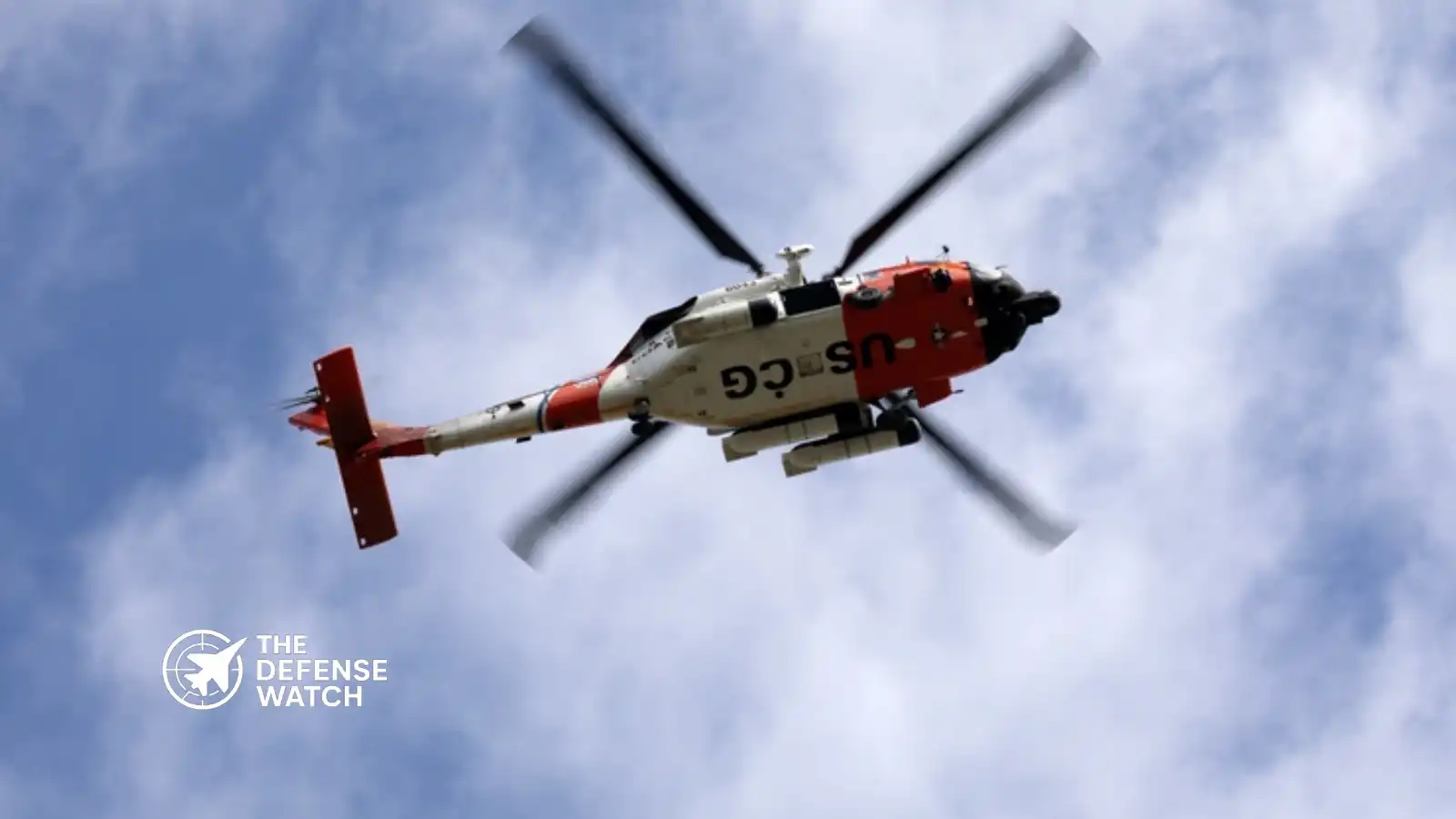
U.S. officials are actively searching for a missing pilot after a military aircraft was reportedly lost during operations in the region. The incident triggered a rapid response effort involving search and rescue assets.
At the same time, Iranian officials signaled that the door to peace talks remains open. Public statements indicate a willingness to engage diplomatically, even as tensions rise over the aviation incident.
The timing is significant. The search operation is ongoing, and details about the aircraft, mission profile, and circumstances of the loss remain limited.
Why It Matters
This development highlights the dual-track nature of U.S. Iran relations. Military friction continues, but neither side appears willing to fully abandon diplomatic engagement.
Operationally, the loss of a U.S. aircraft and the ongoing search for a missing pilot represent a serious incident. Personnel recovery missions carry inherent risks and often require coordination across multiple domains, including air, sea, and intelligence assets.
From a policy perspective, Iran’s signaling suggests an effort to avoid further escalation. Maintaining the option for talks allows Tehran to manage international perception while preserving leverage.
Strategic Implications
The incident underscores the persistent خطر of miscalculation in crowded operational environments. U.S. forces routinely operate in proximity to Iranian air defense systems and regional proxies.
For the United States, the immediate priority remains personnel recovery. Successful recovery operations reinforce credibility and demonstrate commitment to service members.
For Iran, signaling openness to talks may serve to contain escalation while avoiding direct confrontation. This approach aligns with a broader strategy of calibrated pressure combined with diplomatic flexibility.
Regionally, the situation affects Gulf security dynamics. Partner nations closely monitor U.S. responses to ensure continued deterrence credibility.
Competitor View
Iran is likely to frame the incident within its broader narrative of resisting U.S. military presence in the region. At the same time, keeping diplomatic channels open allows Tehran to avoid isolation.
Russia and China may interpret the situation as further evidence of U.S. operational vulnerability in contested environments. Both countries have emphasized the risks of forward-deployed U.S. forces operating near peer or near-peer adversaries.
Regional actors, including Gulf states, will assess whether the incident alters U.S. posture or commitment levels.
What To Watch Next
Key developments will include the outcome of the search and recovery operation. Confirmation of the pilot’s status will shape immediate U.S. responses.
Diplomatic signals from both Washington and Tehran will also be critical. Any shift toward formal talks or backchannel engagement could indicate de-escalation.
Military posture changes, including force movements or adjustments to air operations, will provide insight into evolving risk assessments.
Capability Gap
The incident highlights ongoing challenges in operating within contested airspace. Even advanced aircraft face risks from integrated air defense systems and electronic warfare environments.
Personnel recovery remains a complex mission set. It requires rapid coordination, survivability in hostile environments, and reliable intelligence support.
Limitations persist in ensuring immediate recovery in denied or heavily defended areas. These gaps continue to drive investment in next-generation rescue platforms and tactics.
Get real time update about this post category directly on your device, subscribe now.
