
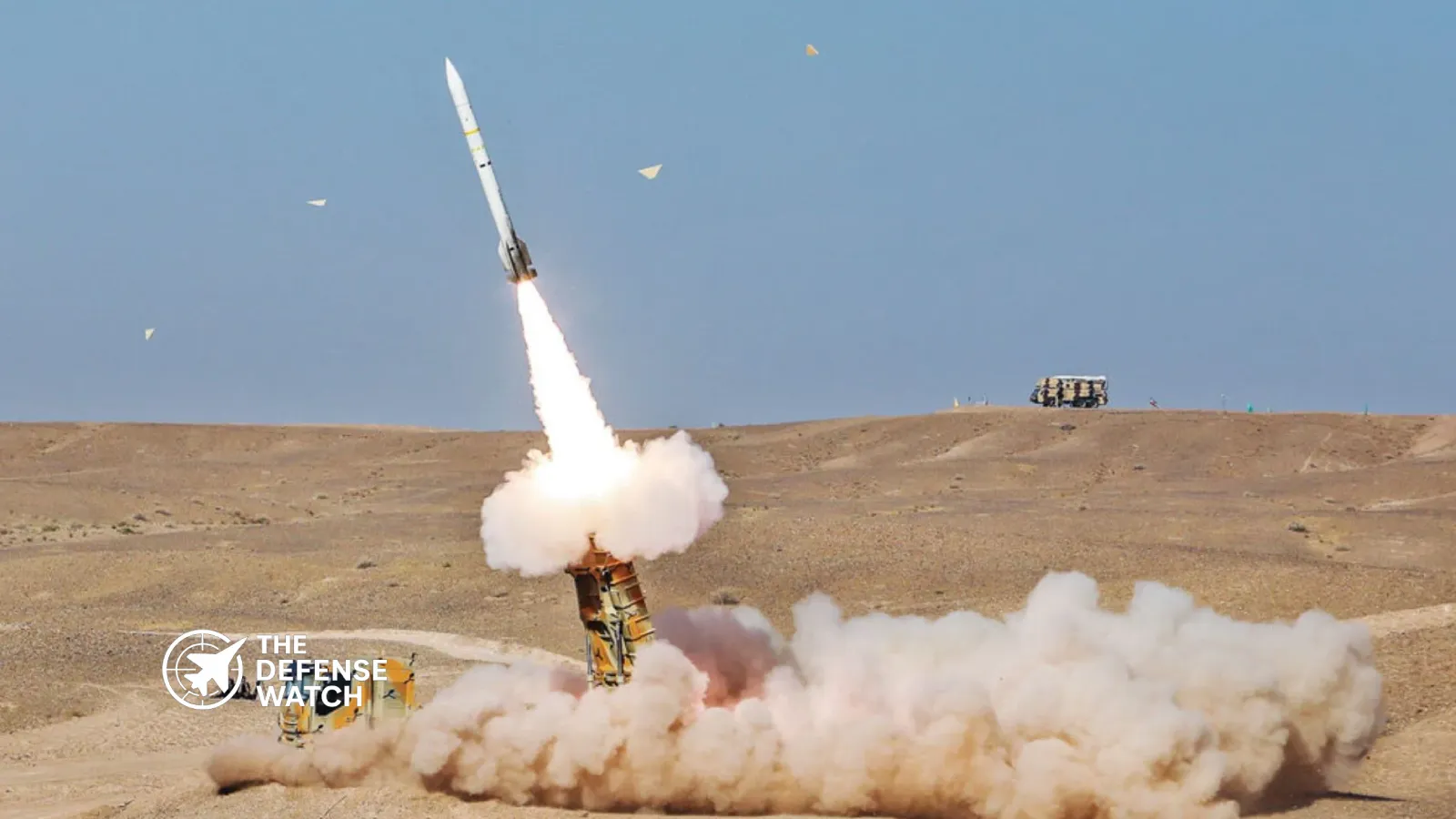
Iran Air Defense Drills Test Readiness
Iran air defense drills have entered a new phase as Israeli and U.S. strike warnings continue to shape the regional security environment. The exercises involve multiple branches of Iran’s armed forces and focus on countering air, missile, and drone threats.
The drills are being conducted across several strategic regions and are designed to test command coordination, radar coverage, and interceptor response times. Iranian officials describe the activity as defensive in nature, aimed at protecting key infrastructure and population centers.
Focus on Missile and Drone Threats
Iran air defense drills reportedly feature systems such as the Bavar 373, Khordad 15, and other domestically developed surface to air missile platforms. These systems are intended to counter fighter aircraft, cruise missiles, and unmanned aerial vehicles, which have become central to recent regional conflicts.
The exercises also emphasize electronic warfare resilience and rapid target identification, reflecting lessons drawn from recent strikes on Iranian and allied positions in the region.
Regional Pressure and U.S. Posture
The timing of the Iran air defense drills coincides with increased U.S. and Israeli military signaling. U.S. forces have reinforced air and missile defense assets across the Middle East, while Israeli officials continue to warn that military options remain available to counter perceived threats from Iran.
Defense analysts note that Iran’s drills serve both operational and messaging purposes. They are meant to improve readiness while signaling deterrence to adversaries monitoring Iran’s defensive posture.
Strategic Implications
Iran air defense drills are likely to continue as long as regional tensions remain high. While no direct military action has been confirmed, the sustained pace of exercises underscores the fragile security balance and the growing role of missile defense in Middle East military planning.
Get real time update about this post category directly on your device, subscribe now.
