
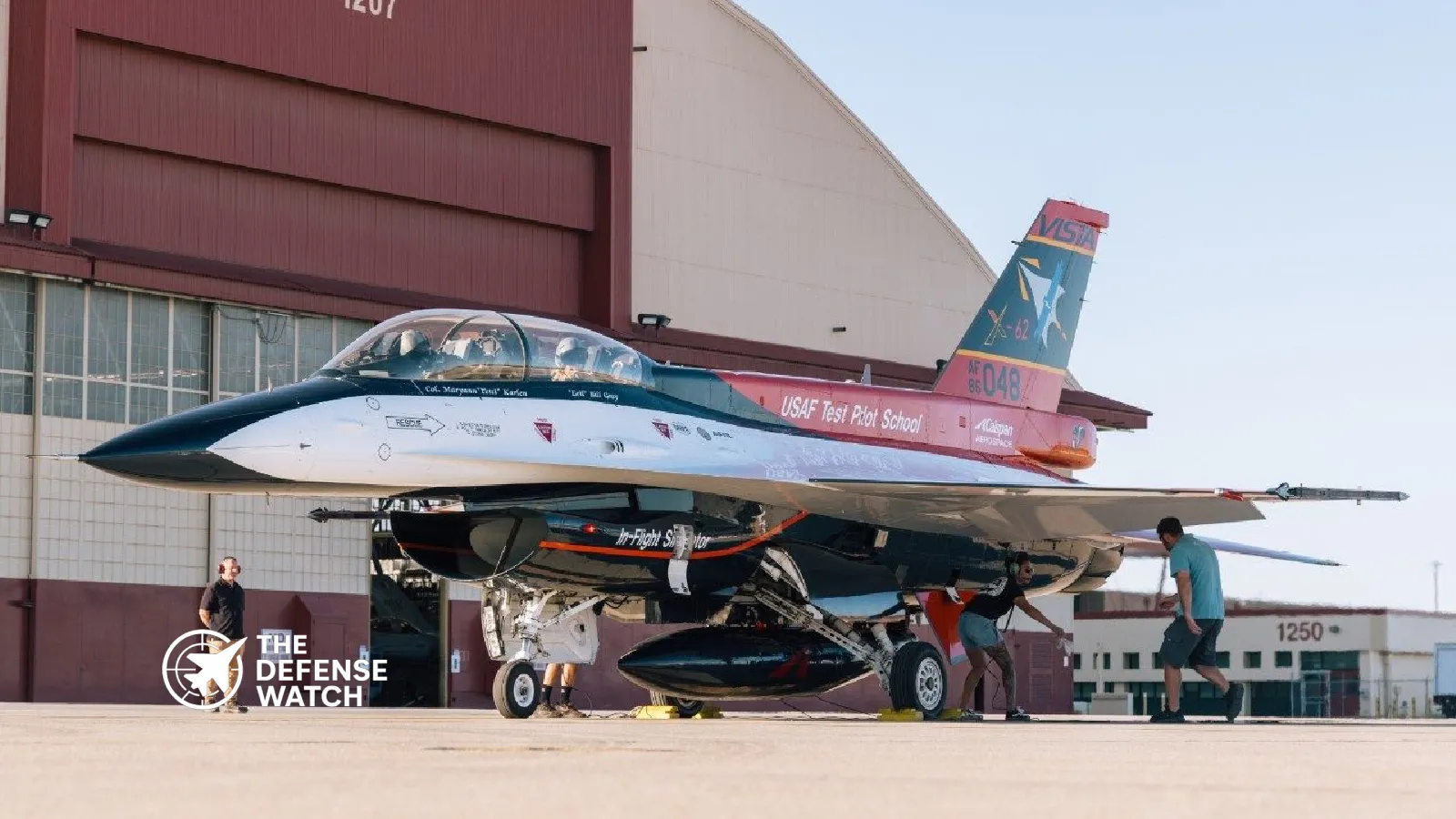
- ► Lockheed Martin is transitioning Flying Tactical AI from simulation and classroom environments into operational aircraft.
- ► The system is designed to assist pilots with tactical decision making in complex, high threat environments.
- ► AI models were trained and validated using digital simulations before flight integration.
- ► The development aligns with U.S. Department of Defense priorities for autonomy and human machine teaming.
- ► The move signals continued investment in AI enabled combat aircraft modernization.
Flying Tactical AI Moves From Simulation To Operational Cockpits
Flying Tactical AI is moving from classroom development into operational cockpits, according to new details released by Lockheed Martin, marking another step in the U.S. military’s push to embed artificial intelligence directly into combat aircraft.
The company outlined how its tactical AI systems, initially developed and refined in simulation environments and digital classrooms, are now being integrated into live flight environments. The effort reflects a broader Pentagon strategy to accelerate autonomy and decision support tools across air combat platforms.
Lockheed Martin said the transition demonstrates the maturity of its AI development pipeline, moving from academic modeling and pilot training environments into real aircraft systems designed for contested operations.
From Digital Classroom To Combat Environment
Lockheed Martin described Flying Tactical AI as a system built to assist aircrews in real time tactical scenarios. The company emphasized that early development focused on digital environments, including simulated air combat exercises and virtual mission rehearsals.
By using high fidelity models, engineers trained the AI to recognize threats, recommend maneuvers, and process battlefield data at machine speed. According to the company, this approach allowed developers to refine algorithms in controlled settings before exposing them to live flight conditions.
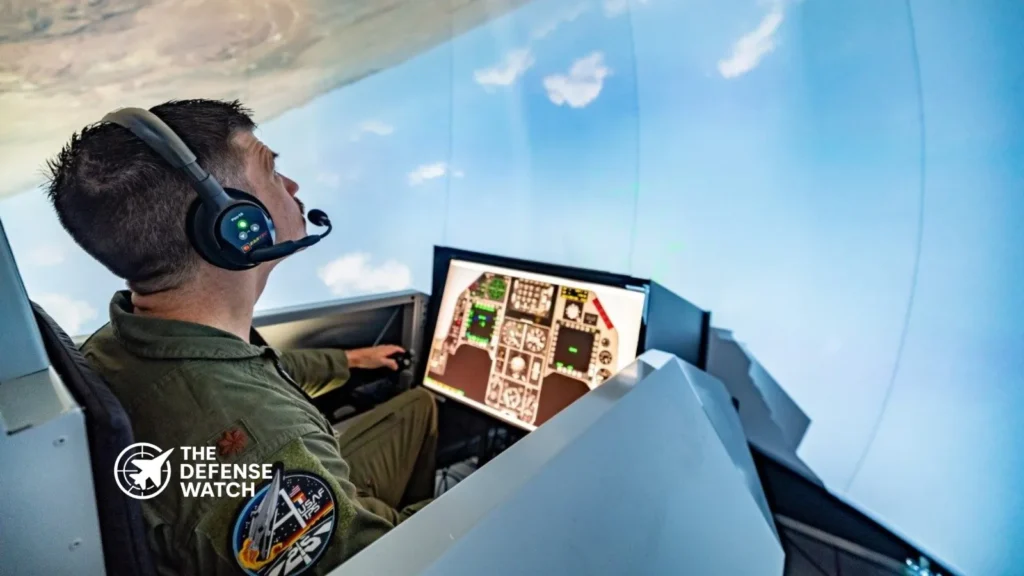
This transition from classroom to cockpit reflects a methodical development process. Simulation first. Validation second. Flight integration last.
That layered approach mirrors the broader U.S. Department of Defense emphasis on digital engineering and model based systems development, a strategy aimed at shortening acquisition timelines while reducing operational risk.
What Flying Tactical AI Actually Does
Flying Tactical AI is designed to function as a decision support tool rather than a replacement for pilots. Lockheed Martin said the system can process large volumes of sensor data and provide tactical recommendations during complex engagements.
In modern air combat, pilots must absorb data from radar, infrared sensors, electronic warfare systems, datalinks, and off board assets. The volume of information can overwhelm even experienced crews. AI based systems aim to filter, prioritize, and present relevant options in seconds.
That capability is especially relevant for fifth generation and future sixth generation aircraft, where sensor fusion already plays a central role. Integrating Flying Tactical AI builds on that architecture by adding predictive and adaptive elements to mission execution.
The U.S. Air Force and Navy have both signaled that future air dominance concepts will rely heavily on human machine teaming, including collaborative combat aircraft and autonomous systems operating alongside crewed fighters. Flying Tactical AI fits squarely within that trajectory.
Alignment With Pentagon Autonomy Strategy
The development comes as the Department of Defense accelerates adoption of artificial intelligence across operational domains. Senior defense officials have repeatedly highlighted autonomy as a force multiplier, particularly in contested environments where reaction time is critical.
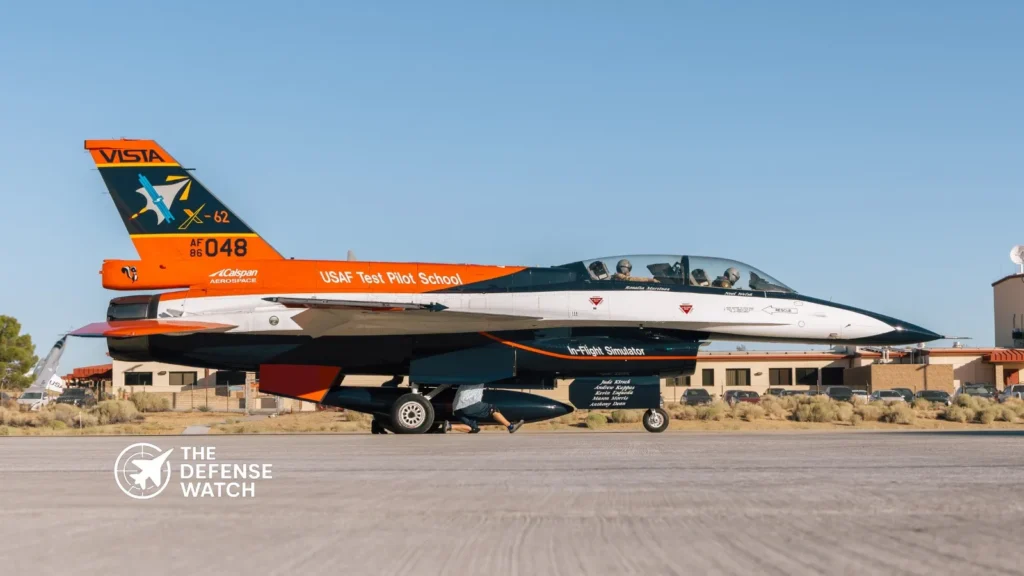
Programs such as the Air Force push for collaborative combat aircraft and broader Joint All Domain Command and Control initiatives underscore this shift. While Lockheed Martin did not detail specific aircraft platforms in its feature, the company is a prime contractor on programs including the F 35 and advanced tactical aircraft projects.
Embedding Flying Tactical AI into cockpit systems could support future upgrades across multiple fleets, depending on service requirements and certification pathways.
From a strategic perspective, the integration of AI into tactical aviation is not just about automation. It is about compressing decision cycles. In high end conflict scenarios, the side that processes information faster and acts decisively gains a measurable advantage.
Risks, Testing, And Certification Challenges
Despite the progress, integrating Flying Tactical AI into operational aircraft presents technical and regulatory hurdles.
Flight certification standards for safety critical systems are stringent. Any AI driven tool must demonstrate reliability, transparency in decision logic, and compatibility with existing avionics. There are also cybersecurity considerations, particularly for systems that interface with mission data networks.
Lockheed Martin indicated that its structured development path, beginning in classroom and simulation environments, is designed to mitigate those risks. Gradual exposure to live flight testing allows engineers to validate system behavior under real world conditions.
For military operators, trust in the system is just as important as technical performance. Pilots must understand how recommendations are generated and retain final authority over tactical decisions.
Strategic Implications For U.S. Airpower
Flying Tactical AI represents more than a software upgrade. It signals how combat aviation is evolving.
Future air combat will likely involve smaller formations of crewed aircraft supported by autonomous platforms, advanced sensors, and networked effects. In that context, AI driven tactical tools could help maintain situational awareness across distributed operations.
If successfully fielded, Flying Tactical AI could contribute to reducing pilot workload, improving reaction time, and enhancing survivability in high threat environments. It also supports long term modernization goals centered on adaptability and rapid software updates rather than purely hardware driven upgrades.
For U.S. defense planners, the shift from classroom to cockpit marks a tangible milestone. It demonstrates that AI is moving beyond experimentation and into operational aviation ecosystems.
Get real time update about this post category directly on your device, subscribe now.
