
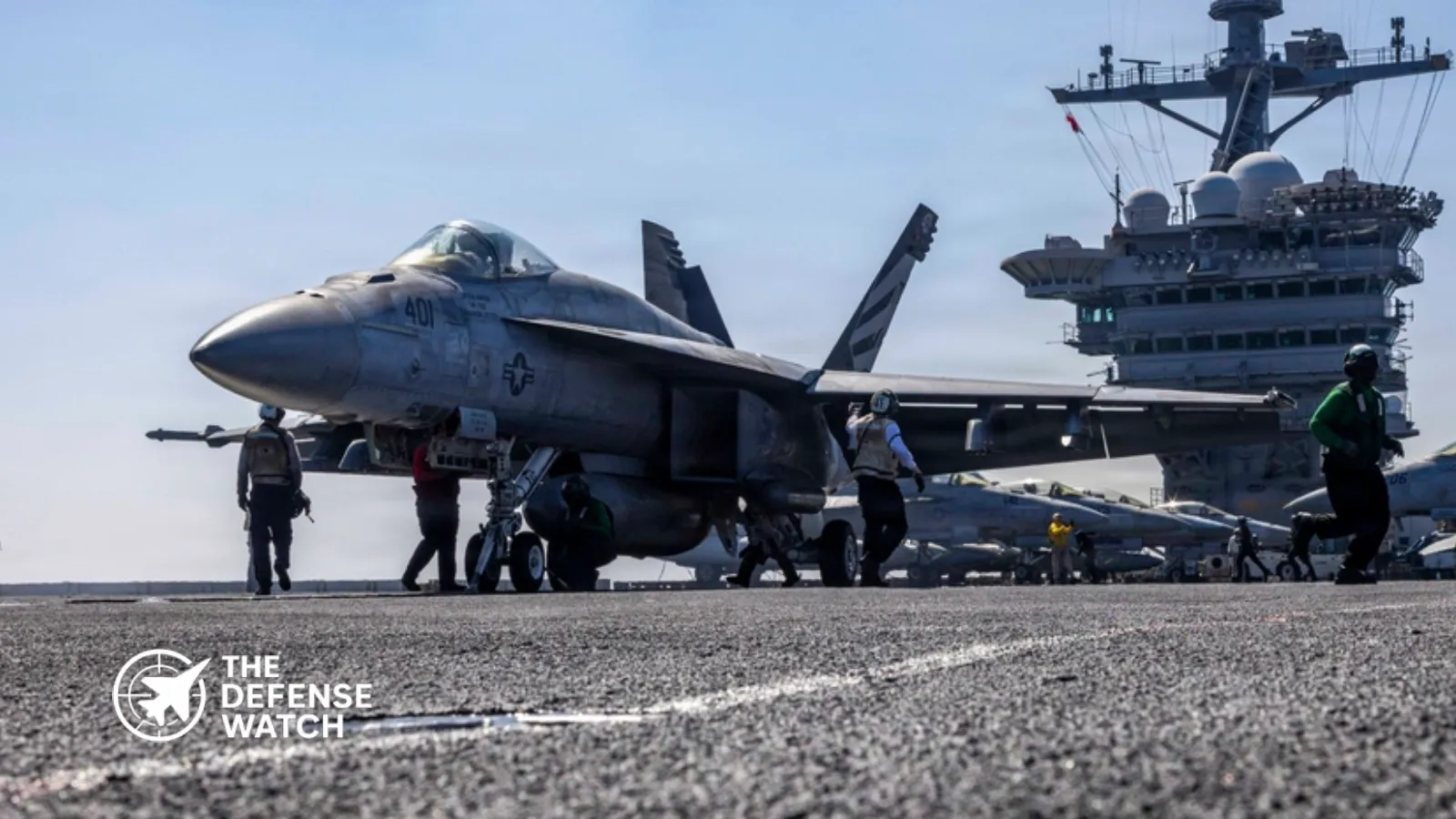
- ► US relocates personnel from Al‑Udeid Air Base in Qatar amid rising Iran tensions. :contentReference[oaicite:0]{index=0}
- ► US forces also pulled troops from facilities linked to the Navy’s Fifth Fleet in Bahrain. :contentReference[oaicite:1]{index=1}
- ► Around 30,000‑40,000 US troops remain deployed across Middle Eastern bases. :contentReference[oaicite:2]{index=2}
- ► Iran’s leadership has publicly signaled military readiness to respond to a possible attack. :contentReference[oaicite:3]{index=3}
- ► US officials frame moves as precautionary amid uncertainty over direct conflict. :contentReference[oaicite:4]{index=4}
US Moves Forces, Iran Signals Response
The United States military has begun relocating personnel at key installations in the Middle East as tensions with Iran remain high. According to reporting by The New York Times, hundreds of troops were moved from Al‑Udeid Air Base in Qatar and from facilities associated with the US Navy’s Fifth Fleet in Bahrain amid concerns over possible escalation with Tehran.
US Central Command has not publicly confirmed specifics, but the movement of forces is widely seen in defense circles as precautionary planning against potential retaliation rather than an outright drawdown. US officials have emphasized that most of the roughly 30,000 to 40,000 troops deployed across the region remain in place to maintain readiness and deterrence.
The relocations occur in the context of ongoing indirect talks between Washington and Tehran, where key nuclear and security issues have yet to be resolved. US military assets in the region, including carrier strike groups and air defense systems, remain positioned to support a range of operations if needed.
Pentagon Frames Moves as Precautionary
Pentagon sources cited by news outlets have described the personnel shifts as routine adjustments amid a heightened alert status. US defenses across bases in Iraq, Kuwait, Saudi Arabia, Jordan, and the UAE continue under standard operations with no official announcement of large‑scale evacuations.
Defense analysts note that moving forces out of potentially exposed positions can reduce risk to personnel ahead of any sharp escalation. But they also point to the continued robust US presence as evidence of strategic resolve in the face of regional security challenges.
Iran Signals Strong Defensive Posture
Iranian leadership has publicly reinforced its military readiness amid the standoff. Recent Iranian statements warned that any hostile action directed against Tehran would be met with a powerful response targeting US forces and assets across the region. These messages come alongside military drills in sensitive zones such as the Strait of Hormuz, underscoring Tehran’s dual approach of deterrence and diplomacy.
The Iranian stance reflects concerns over both the nuclear dispute and broader security dynamics involving US and allied military activities. Tehran’s rhetoric points to a posture focused on defense and regional signaling rather than unilateral escalation. Independent diplomatic channels continue to pursue avenues for de‑escalation, though progress has been uneven.
Regional Implications and Outlook
US force realignments and Iranian warnings have implications for Gulf security and global energy markets. Military planners in allied capitals are watching closely, with some governments adjusting contingency plans for transport and trade routes. The Strait of Hormuz, a critical chokepoint for oil shipments, saw heightened activity during recent Iranian drills.
Analysts caution that while precautionary troop relocations do not signal inevitable conflict, they reflect a tense strategic environment. Ongoing diplomacy, regional cooperation, and clear communication between capital governments will shape whether tensions ease or escalate further.
Get real time update about this post category directly on your device, subscribe now.
