- ► India’s Su-30MKI and Thai Gripen jets carried out a joint patrol over the eastern Indian Ocean.
- ► Aircraft from the Indian Air Force and Royal Thai Air Force participated.
- ► The patrol focused on maritime domain awareness and interoperability.
- ► The mission signals deeper India Thailand defense cooperation in the Indo Pacific.
- ► Activity comes amid expanding regional security coordination across maritime Asia.
India’s Su-30MKI And Thai Gripen Jets Conduct Indian Ocean Patrol
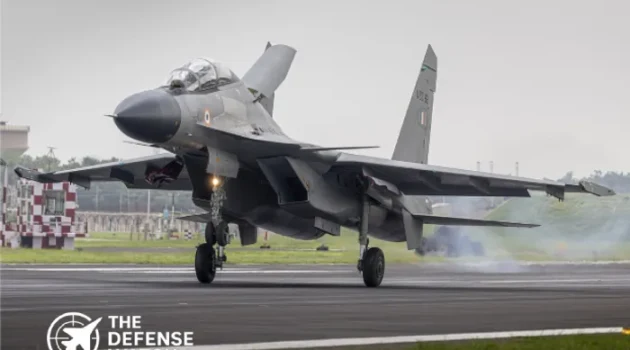
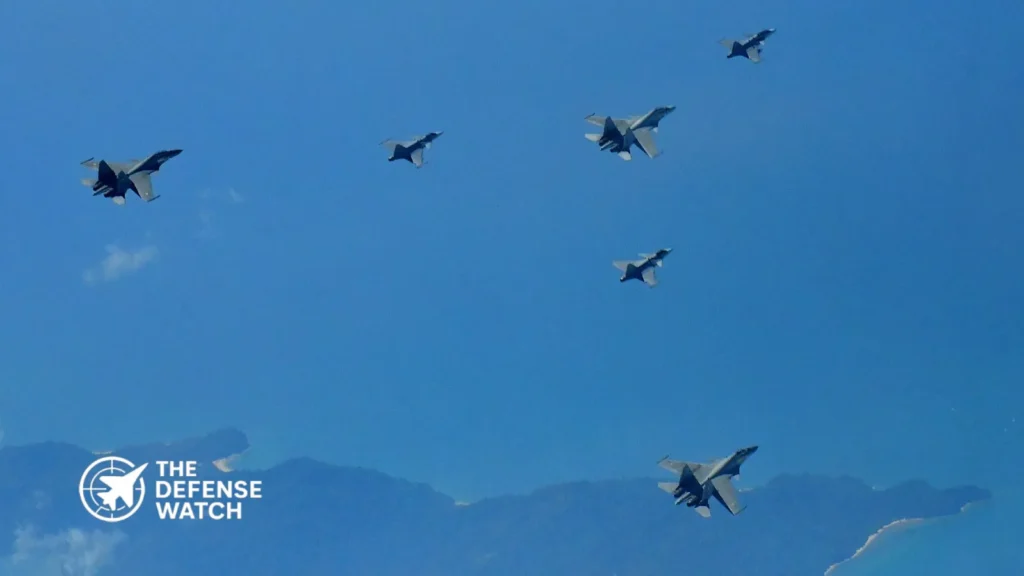
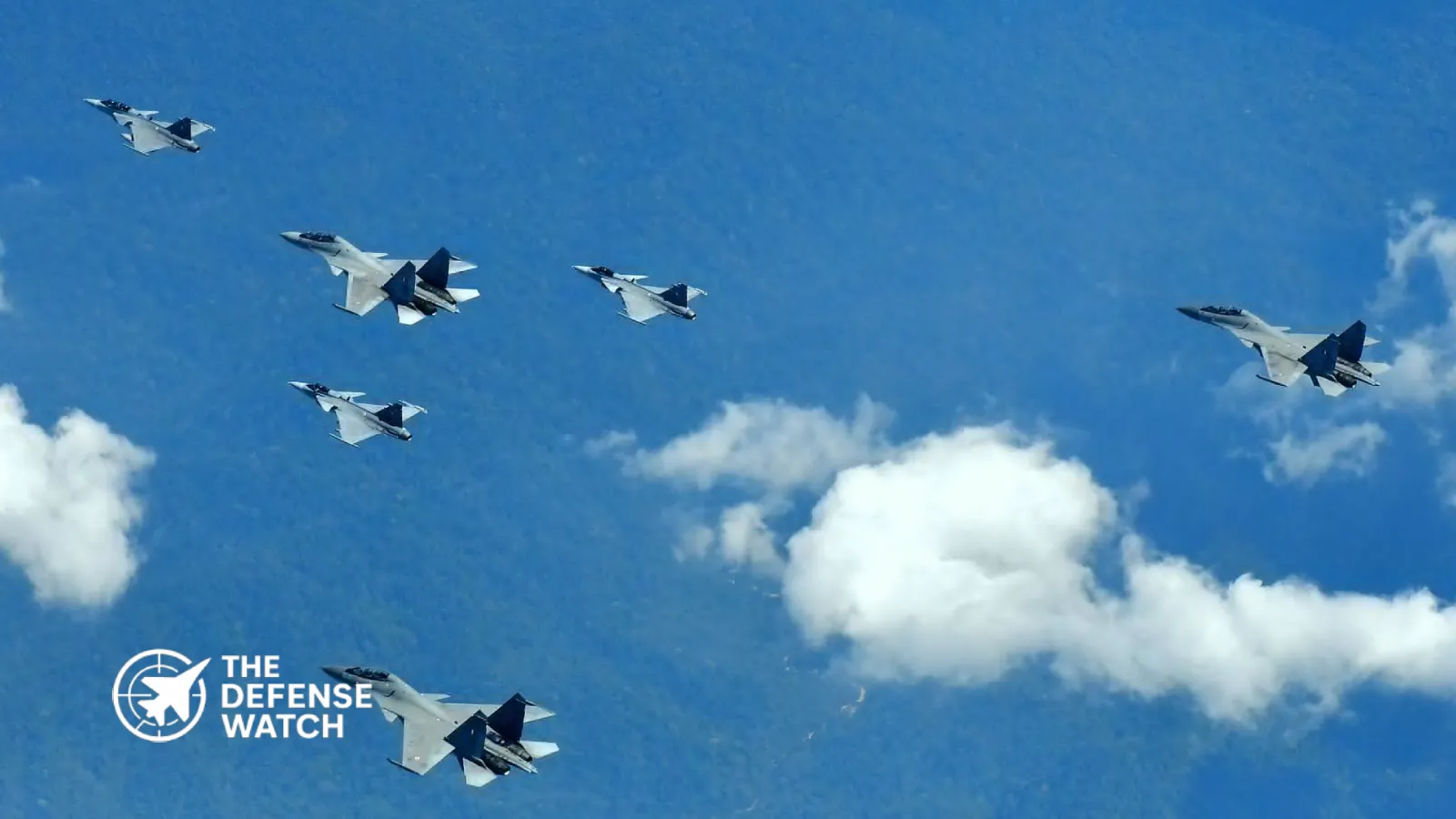
India’s Su-30MKI and Thai Gripen jets conducted a coordinated Indian Ocean patrol, underscoring growing Indo Pacific airpower cooperation between New Delhi and Bangkok.
The patrol involved aircraft from the Indian Air Force and the Royal Thai Air Force operating over key maritime corridors in the eastern Indian Ocean.
The mission reflects a broader trend of regional air forces deepening interoperability as maritime competition intensifies across the Indo Pacific.
Expanding Airpower Coordination In The Indo Pacific
The India Su-30MKI Indian Ocean patrol marks a notable step in bilateral air cooperation. The Sukhoi Su-30MKI remains the backbone of India’s air dominance fleet, optimized for long range missions, maritime strike, and air superiority roles.
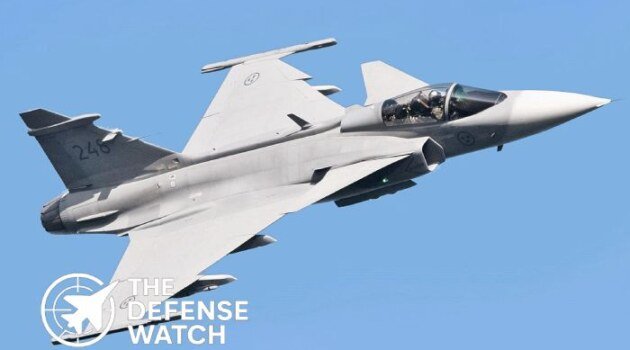
Thailand deployed its Saab JAS 39 Gripen fighters, operated by the Royal Thai Air Force. The Gripen’s network centric design and advanced data link architecture support coordinated maritime surveillance and joint mission planning.

Joint patrols over open ocean airspace require coordination in communications, refueling planning, and shared tactical procedures. These are not symbolic flyovers. They test practical interoperability.
The mission focused on enhancing maritime situational awareness and strengthening operational coordination between the two air forces.
Why The Indian Ocean Matters
The Indian Ocean sits at the center of global trade flows. Sea lanes connecting the Middle East, Africa, and Asia pass through this region. Energy shipments, commercial traffic, and naval deployments all converge here.
India has steadily expanded its maritime security footprint, aligning air and naval capabilities to protect sea lines of communication. The Su-30MKI plays a central role in maritime strike operations, often operating in coordination with the Indian Navy.
Thailand, while geographically anchored in Southeast Asia, has shown increasing interest in broader Indo Pacific security frameworks. Joint air patrols signal that Bangkok is willing to work with regional partners beyond traditional land based exercises.
This India Su-30MKI Indian Ocean patrol therefore carries strategic weight beyond the immediate tactical mission.
Platform Capabilities And Operational Implications
The Su-30MKI offers long endurance and heavy payload capacity. Its range, especially when supported by aerial refueling, allows deep maritime coverage. Equipped with advanced radar and anti ship weapon options, it serves as both a deterrent and a surveillance asset.
The Gripen, though lighter, integrates advanced avionics and real time data sharing. Its design philosophy emphasizes distributed operations and network connectivity. In a maritime context, that allows rapid sharing of targeting data and airspace coordination.
When Su-30MKI and Gripen jets operate together, the combination merges endurance and payload with agile network centric capabilities.
For regional observers, the operational takeaway is interoperability. Shared patrols improve communication protocols, standard operating procedures, and joint response readiness.
Broader Geopolitical Context
The Indo Pacific has seen a steady increase in multinational exercises, patrols, and defense dialogues. Countries are investing in partnerships aimed at ensuring freedom of navigation and maritime security.
India has deepened defense ties with Southeast Asian states as part of its Act East policy. Thailand remains an important regional actor with strategic access to key maritime corridors.
While the patrol does not represent a formal alliance shift, it reflects practical cooperation. Regularized engagements build habits of coordination that can scale during crises.
In the current security environment, airpower signaling matters. Joint patrols communicate readiness, shared interests, and mutual trust.
Strategic Assessment
From a defense modernization standpoint, the India Su-30MKI Indian Ocean patrol highlights three trends.
First, air forces are extending their role into maritime domain awareness, traditionally dominated by naval forces.
Second, mid sized powers are expanding bilateral cooperation independent of larger bloc structures.
Third, interoperability is increasingly defined by data sharing and operational integration, not just joint flight hours.
The mission also underscores how legacy heavy fighters like the Su-30MKI remain relevant when paired with modern network enabled platforms such as the Gripen.
For Washington based defense observers, the development fits within a wider Indo Pacific pattern. Regional partners are reinforcing layered security relationships, even when formal treaty alliances remain unchanged.
What Comes Next
Future patrols may expand in scope, potentially integrating maritime patrol aircraft or naval assets. If sustained, such cooperation could evolve into more complex exercises involving air defense drills or coordinated maritime strike scenarios.
For now, the India Su-30MKI Indian Ocean patrol stands as a clear indicator of growing India Thailand air cooperation in a strategically vital region.
Get real time update about this post category directly on your device, subscribe now.