Europe’s combat air sector is in the middle of its most consequential upgrade cycle since the Cold War. Legacy platforms are receiving fifth-generation-grade sensors, next-generation fighters are moving from concept to metal, and export order books are the fullest they have been in decades. This list ranks the European military aircraft setting the pace in 2026 — spanning frontline fighters, tankers, transports, and the sixth-generation programs now taking shape on the factory floor.
KEY FACTS AT A GLANCE
| Aircraft | Manufacturer | Generation | Max Speed | Combat Radius | Key Sensor | Primary Armament |
|---|---|---|---|---|---|---|
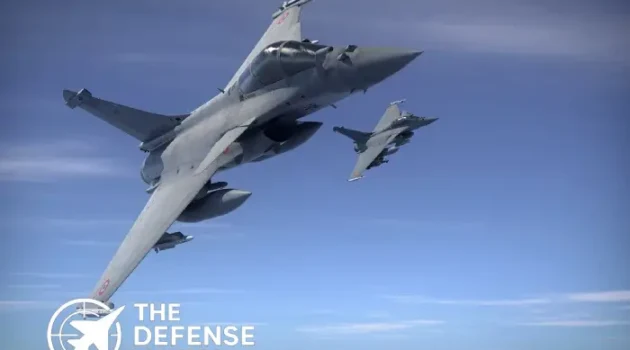
| Dassault Rafale F5 | Dassault Aviation (FR) | 4.5+ Gen | Mach 1.8 | ~1,850 km | RBE2-AESA / SPECTRA EW | Meteor, MICA NG, SCALP |
| Eurofighter Typhoon (ECRS Mk2) | BAE Systems / Leonardo / Airbus | 4.5 Gen | Mach 2.0 | ~1,390 km | ECRS Mk2 AESA (GaN) | Meteor, IRIS-T, Storm Shadow |
| Saab Gripen E/F | Saab AB (SE) | 4.5+ Gen | Mach 2.0 | ~1,500 km | Raven ES-05 AESA | Meteor, IRIS-T, RBS15 |
| GCAP/Tempest Demonstrator | Edgewing (BAE/Leonardo/JAIEC) | 6th Gen (dev.) | Classified | Classified | Distributed sensor fusion suite | Next-gen BVR + CCA control |
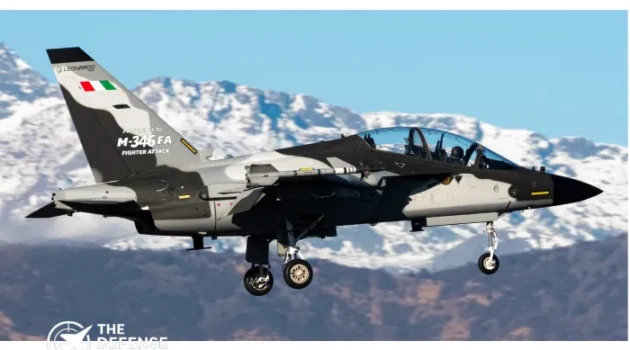
| Leonardo M-346FA | Leonardo (IT) | Light Combat | Mach 0.95 | ~556 km | Grifo-M AESA (opt.) | AIM-9, laser-guided bombs |
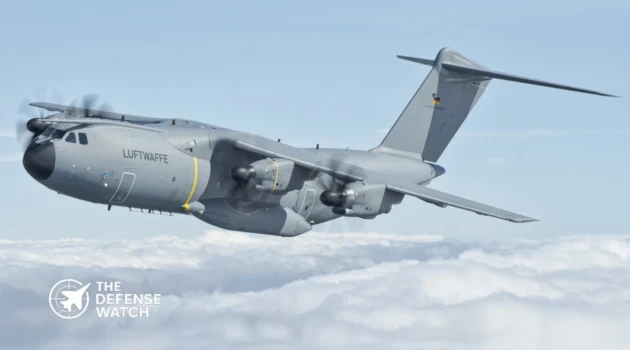
| Airbus A400M Atlas | Airbus Defence & Space | Strategic Airlift | Mach 0.72 | ~3,300 km (with load) | Defensive Aids Sub-System | N/A (airlift/tanker role) |
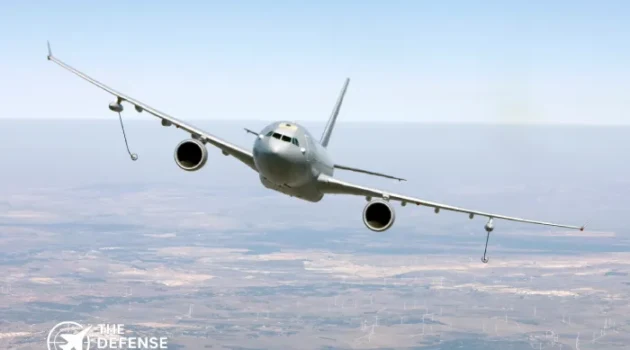
| Airbus A330 MRTT | Airbus Defence & Space | Tanker/Transport | Mach 0.86 | ~7,400 km ferry | ARBS boom + hose-drogue | N/A (refueling platform) |
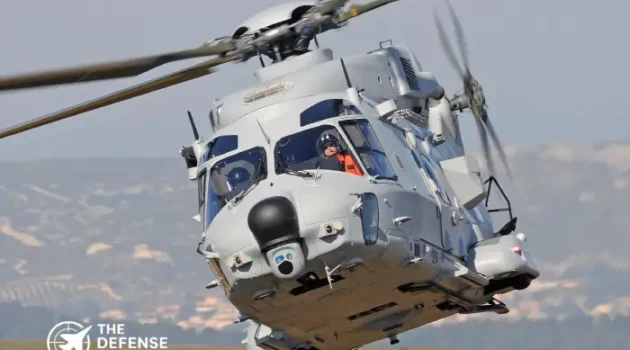
| NHIndustries NH90 | Airbus/Leonardo/Fokker | Multirole Helicopter | 300 km/h | ~450 km | FLIR/EO turret, dipping sonar (NFH) | Torpedoes, ATGMs (variant-dependent) |
| Eurodrone (Airbus/Dassault/Leonardo) | Airbus DS-led consortium | MALE RPAS | 165+ km/h | 24-hr endurance | Multi-sensor EO/IR + SAR | Precision-guided munitions |
| TAI KAAN (Turkey/NATO partner) | Turkish Aerospace | 5th Gen (dev.) | Mach 2.0 (proj.) | Classified | AESA radar (dev.) | Meteor-class BVR (planned) |
Executive Summary
2026 has been a milestone year for European military aircraft. Dassault formally launched the Rafale F5 standard, pairing a new AESA radar and uprated Safran M88 engines with a stealthy unmanned combat air vehicle derived from the nEUROn demonstrator. The Eurofighter consortium secured a £453.5 million production contract for 40 ECRS Mk2 AESA radars, closing Typhoon’s longest-standing capability gap. Saab’s Gripen E/F line is scaling toward 30+ aircraft annually as Brazil, Thailand, Colombia, and Ukraine join the customer list. Most notably, the UK-Italy-Japan GCAP/Tempest program awarded a £4.6 billion detailed-design contract to Edgewing in July 2026, with a crewed demonstrator now in final assembly — cementing Europe’s arrival in sixth-generation development.
The Top 10 Ranked
1. Dassault Rafale F5 (France) — The Rafale has evolved from an “omnirole” 4.5-gen fighter into what Dassault now markets as a 2026-era digital combat hub. The F5 standard, formally launched in October 2025, adds a next-generation radar, 20%-more-thrust M88 engines, hardened data architecture for nuclear-mission assurance, and control of a stealthy Unmanned Combat Air System derived from the nEUROn program. With France’s FCAS partnership with Germany and Spain stalled, Dassault is now charting an independent roadmap toward a “Super-Rafale” and beyond, targeting F5 entry into service between 2033 and 2035.
2. Eurofighter Typhoon — ECRS Mk2 (UK/Germany/Italy/Spain) — Nine air forces now fly the Typhoon, and its biggest weakness — the aging mechanically scanned Captor-M radar — is finally being retired. The ECRS Mk2, built by Leonardo UK and integrated by BAE Systems, uses gallium-nitride AESA modules across roughly 200 degrees of field of regard, fusing air-to-air search, ground targeting, and offensive electronic-attack jamming into a single aperture. Full-rate production of 40 units for RAF Tranche 3 jets began following a January 2026 contract award, with first flight already completed.
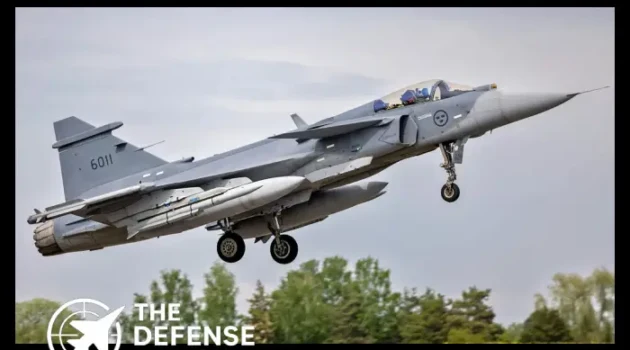
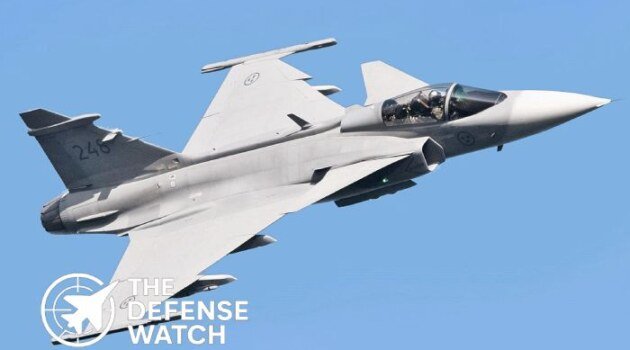
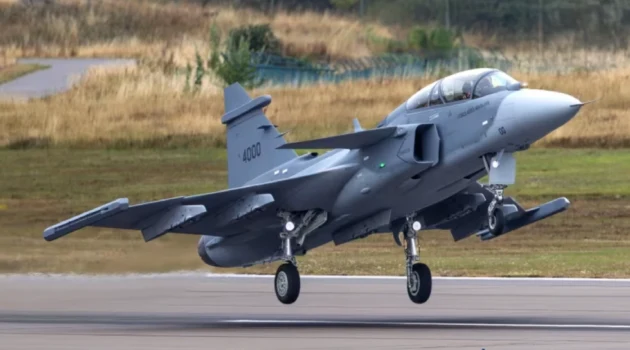
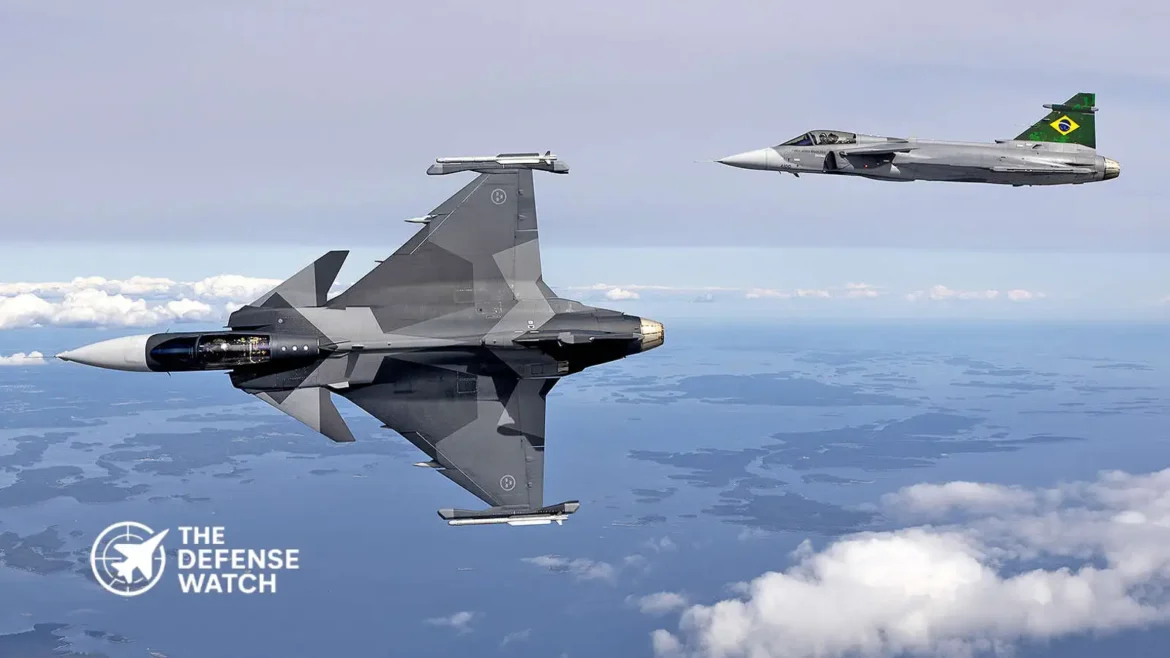
3. Saab Gripen E/F (Sweden/Brazil) — The Gripen E/F backlog has grown to 117+ firm orders across Sweden, Brazil, Colombia, and Thailand, with a Ukraine order for 16 aircraft also on the books. Brazil’s Embraer-built assembly line delivered its first locally produced Gripen E in March 2026 and rolled out the first two-seat Gripen F in June, which completed its maiden flight in August. Saab is doubling production capacity to 25–30 jets a year, powered throughout by the GE F414G engine.
4. GCAP/Tempest Demonstrator (UK, Italy, Japan) — The Global Combat Air Programme is the West’s most advanced sixth-generation effort outside the U.S. F-47. The July 2026 £4.6 billion Edgewing contract funds an 18-month detailed-design phase, and the crewed Tempest demonstrator is now in final assembly, with a flight-test aircraft targeted for 2026 and a Combat Air Demonstrator for 2027. Canada joined as the program’s first observer nation in July 2026, and entry into service remains targeted for 2035, though UK funding timelines have slipped toward the late 2030s.
5. Leonardo M-346FA (Italy) — A light combat variant of the widely exported M-346 trainer, the FA model adds an optional Grifo-M AESA radar, an integrated self-defense suite, and combat wiring for AIM-9 missiles and precision-guided munitions — making it a cost-effective bridge for air forces needing 4th-gen-adjacent capability without a full fighter budget.
6. Airbus A400M Atlas (Multinational) — Europe’s flagship strategic/tactical airlifter combines a 37-tonne payload with rough-field and low-level tactical capability, plus an air-to-air refueling role that few competitors match.
7. Airbus A330 MRTT (Multinational) — The backbone of NATO’s Multinational MRTT Fleet, offering both boom and hose-drogue refueling alongside strategic transport and medevac configurations.
8. NHIndustries NH90 (France/Germany/Italy/Netherlands) — A fly-by-wire, composite-airframe multirole helicopter fielded in naval (NFH) and tactical transport (TTH) variants across more than a dozen European air arms and navies.
9. Eurodrone (Airbus/Dassault/Leonardo) — Europe’s sovereign MALE RPAS answer to the Reaper and Bayraktar TB2, combining twin-turboprop endurance with a certifiable design for flight in unsegregated European airspace.
10. TAI KAAN (Turkey, NATO-integrated program) — Turkey’s twin-engine fifth-generation fighter, developed with European industrial input, rounds out the list as the platform to watch as it moves toward low-rate production and its first export discussions.
Technical Deep-Dive
Airframe & Stealth
Among frontline European fighters, true low-observable shaping remains limited to the developmental GCAP/Tempest and KAAN airframes, which use faceted, blended-wing designs, internal weapons bays, and advanced RAM (radar-absorbent material) coatings to minimize frontal RCS. The Rafale and Typhoon instead rely on a “reduced-signature, not stealth” philosophy — semi-recessed weapon carriage, radar-absorbent edge treatments, and composite structures — while leaning on electronic warfare to offset a higher baseline RCS. The Gripen E takes the smallest-signature approach among legacy-generation jets, prioritizing a compact frontal cross-section and canted vertical stabilizers.
Avionics & Sensor Fusion
This is where 2026’s upgrades matter most. The Typhoon’s ECRS Mk2 and Rafale’s F5-standard radar both move to gallium-nitride AESA modules for greater power efficiency and jamming resistance, paired with wide-band IRST search-and-track and comprehensive EW suites (SPECTRA on Rafale, Praetorian DASS on Typhoon). Gripen E’s Raven ES-05 AESA and its data-link-centric “smart” avionics architecture emphasize networked situational awareness over raw radar power. GCAP’s demonstrator introduces a distributed, AI-assisted sensor-fusion backbone designed from inception to command Collaborative Combat Aircraft (CCA) drone wingmen.
Propulsion
The Rafale’s Safran M88 is being uprated for roughly 20% more thrust under F5 without airframe modification. Typhoon retains its twin EJ200 engines, while Gripen E/F relies on a single GE F414G producing around 98 kN of thrust — the same engine family powering South Korea’s KF-21. GCAP’s next-generation engine core, under development by a UK-Italy-Japan consortium, is progressing toward ground testing as part of the program’s detailed-design phase.
Strategic & Export Outlook
Export momentum favors platforms offering sovereignty without US ITAR entanglement. Rafale’s order backlog exceeds 220 aircraft, including a landmark 80-jet UAE deal, ongoing Indonesian deliveries, and advancing negotiations with India for 114 more. Gripen E/F has become the preferred choice for buyers wary of both cost and political strings, with Brazil, Colombia, Thailand, and Ukraine all committed. Typhoon’s future exports likely hinge on Turkey, the Philippines, and Gulf state fleet expansions. GCAP, meanwhile, has already attracted India and Canada as dialogue/observer partners — a sign that Europe’s next-generation fighter ecosystem is positioning itself as a genuine alternative to US programs like the F-47.
Conclusion
No single European military aircraft dominates every category in 2026 — but collectively, the continent’s combat air industry has never been more competitive. The Rafale F5 and Typhoon’s ECRS Mk2 keep 4.5-generation platforms relevant against emerging threats, Gripen E/F proves that affordability and capability aren’t mutually exclusive, and GCAP/Tempest’s rapid progress from bridging contract to demonstrator assembly shows Europe is serious about sixth-generation air dominance. The regional air balance — and NATO’s collective posture toward Russia and beyond — will be shaped as much by these programs as by any single airframe.
FAQ
Which is the most advanced modern European military aircraft in 2026?In terms of pure development stage, the GCAP/Tempest demonstrator represents Europe’s most advanced sixth-generation effort. Among fielded fighters, the Eurofighter Typhoon with ECRS Mk2 and the Rafale F5 standard are the most capable in service or entering service.
Is the Rafale F5 a fifth-generation fighter?No — the F5 is officially a 4.5+ generation upgrade, though Dassault markets its sensor fusion, AI tools, and UCAV-teaming as approaching fifth-generation functionality.
When will the GCAP Tempest enter service?The stated target is 2035, though UK funding timelines disclosed in 2026 suggest a possible slip toward the late 2030s or early 2040s.
Which European fighter has the largest export backlog in 2026?The Dassault Rafale, with a firm order backlog exceeding 220 aircraft as of mid-2026.
Key Takeaways
What defense professionals need to remember about Europe’s 2026 combat air fleet
Radar Is the Real Upgrade
ECRS Mk2 and Rafale’s next-gen AESA are the single biggest capability jumps of 2026 — not new airframes.
Gripen E Wins on Value
A 117+ aircraft backlog across four export customers proves affordability still sells in 2026.
FCAS Is Effectively Dead
France is now pursuing a national Rafale F5-to-Super-Rafale path instead of the Franco-German-Spanish FCAS.
GCAP Is Moving Fast
From a bridging contract to a £4.6B detailed-design award and demonstrator assembly in a single year.
Sovereignty Sells
Buyers wary of US ITAR restrictions are driving Rafale, Gripen, and GCAP interest from India, Canada, and the Gulf.
From the Cockpit to the Console: For strategy-gaming and esports fans, this leaderboard shift will feel familiar — it’s the defense-industry equivalent of a mid-season balance patch. The Rafale and Typhoon are the “buffed legacy units” getting stat boosts (new radar, better EW) rather than being replaced outright, while GCAP/Tempest is the new S-tier unit still in the testing server, not yet live but already reshaping how everyone else plans their loadout. Just as competitive players track patch notes to stay ahead of the meta, defense planners are now tracking radar contracts and demonstrator milestones to judge who holds the regional air-power advantage.

(adsbygoogle = window.adsbygoogle || []).push({});Executive Summary:
Brazilian aerospace manufacturer Embraer has confirmed it has no plans to develop an indigenous fighter jet, choosing instead to expand its partnership with Saab on the Gripen program. The decision reinforces Brazil’s role in international combat aircraft production while avoiding the financial and technological risks associated with launching a new fighter aircraft project.
Embraer Reaffirms Commitment To Saab Gripen Partnership
Embraer Saab partnership remains central to Brazil’s military aviation strategy after Embraer CEO Francisco Gomes Neto stated that the company has no intention of developing its own fighter aircraft.
Speaking to reporters in São José dos Campos on June 10, Gomes Neto said Embraer is satisfied with its cooperation with Swedish defense company Saab and sees no need to enter the highly competitive fighter jet development market independently.
The announcement comes only months after Embraer and Saab unveiled the first Gripen fighter assembled in Brazil at Embraer’s Gavião Peixoto facility, a milestone that highlighted the success of technology transfer agreements between the two companies.
According to Embraer, the facility could support additional production if Saab secures future aircraft orders in South America or other export markets requiring expanded manufacturing capacity.
(adsbygoogle = window.adsbygoogle || []).push({});Focus Remains On C-390 Millennium And Super Tucano
Rather than pursuing a costly fighter development effort, Embraer continues to prioritize platforms where it already holds strong market positions.
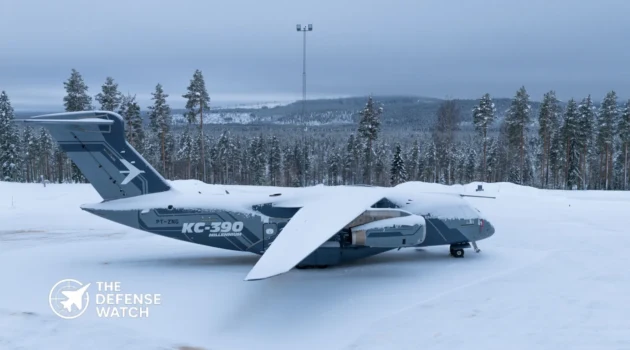
The company remains focused on expanding exports of the C-390 Millennium tactical airlifter and the A-29 Super Tucano light attack and training aircraft. Both platforms have generated growing international demand in recent years, particularly among NATO and allied nations seeking cost effective military aviation solutions.
This strategy reflects a broader industry reality. Developing a modern combat aircraft requires decades of investment, advanced industrial capabilities, and extensive government support. Even major aerospace powers often rely on multinational partnerships to share costs and technological risks.
(adsbygoogle = window.adsbygoogle || []).push({});By leveraging Saab’s fighter expertise while concentrating on transport and light attack aircraft, Embraer avoids duplicating capabilities already available through its existing alliance.
Brazil’s Gripen Program Continues To Expand
The Saab Gripen program remains one of the most significant defense industrial partnerships in Latin America.
Brazil selected the Gripen in 2014 to modernize its air force fleet. Under the agreement, Saab transferred technology and established local production capabilities through cooperation with Embraer. Fifteen aircraft from the original order are scheduled to be assembled in Brazil.
The program reached a major milestone in March 2026 when Brazil unveiled its first domestically assembled Gripen fighter, making it the first country in Latin America to assemble a supersonic combat aircraft locally.
Brazil may also expand the fleet. Swedish officials recently stated that Brazil has expressed interest in purchasing an additional 20 Gripen E and F fighters beyond the original 36 aircraft order. If approved, the aircraft would be manufactured in Brazil, further strengthening local aerospace capabilities.
- (adsbygoogle = window.adsbygoogle || []).push({});
Strategic Implications For Global Fighter Markets
The timing of Embraer’s announcement is significant.
It comes amid major uncertainty within Europe’s next generation fighter aircraft sector following the collapse of the Franco-German Future Combat Air System (FCAS) project. The program, valued at approximately €100 billion, was intended to produce a sixth generation combat aircraft for several European nations.
Following FCAS’s breakdown, Reuters reported that Airbus has increasingly explored deeper cooperation with Saab as European aerospace companies reassess future fighter development partnerships.
Against that backdrop, Embraer’s decision highlights a pragmatic approach increasingly adopted across the defense aerospace industry. Rather than launching independent fighter programs, many manufacturers are choosing collaborative models that reduce costs while preserving industrial participation.
For Brazil, continued cooperation with Saab provides access to advanced combat aviation technology while maintaining domestic manufacturing and engineering expertise.
(adsbygoogle = window.adsbygoogle || []).push({});Why Embraer’s Decision Matters
The decision underscores the growing importance of international defense industrial partnerships.
While some nations view indigenous fighter programs as symbols of strategic autonomy, such efforts often require enormous financial commitments and sustained political support. Even established aerospace powers face challenges funding next generation combat aircraft independently.
Embraer’s position suggests the company sees greater value in expanding production, technology transfer, and export opportunities through the Saab Gripen program than in pursuing a separate fighter design.
(adsbygoogle = window.adsbygoogle || []).push({});For Saab, the partnership provides a manufacturing hub in Latin America and potentially additional production capacity for future export campaigns. For Brazil, it secures long term participation in advanced combat aircraft production without assuming the risks of a standalone fighter development effort.
Conclusion
Embraer has made clear that its future in military aviation does not include developing a new fighter jet. Instead, the company is doubling down on its successful partnership with Saab, expanding Brazil’s role in Gripen production while focusing its own resources on proven platforms such as the C-390 Millennium and Super Tucano.
As global defense budgets tighten and combat aircraft programs become increasingly expensive, Embraer’s strategy reflects a broader industry trend toward international collaboration rather than independent fighter development.
- (adsbygoogle = window.adsbygoogle || []).push({});
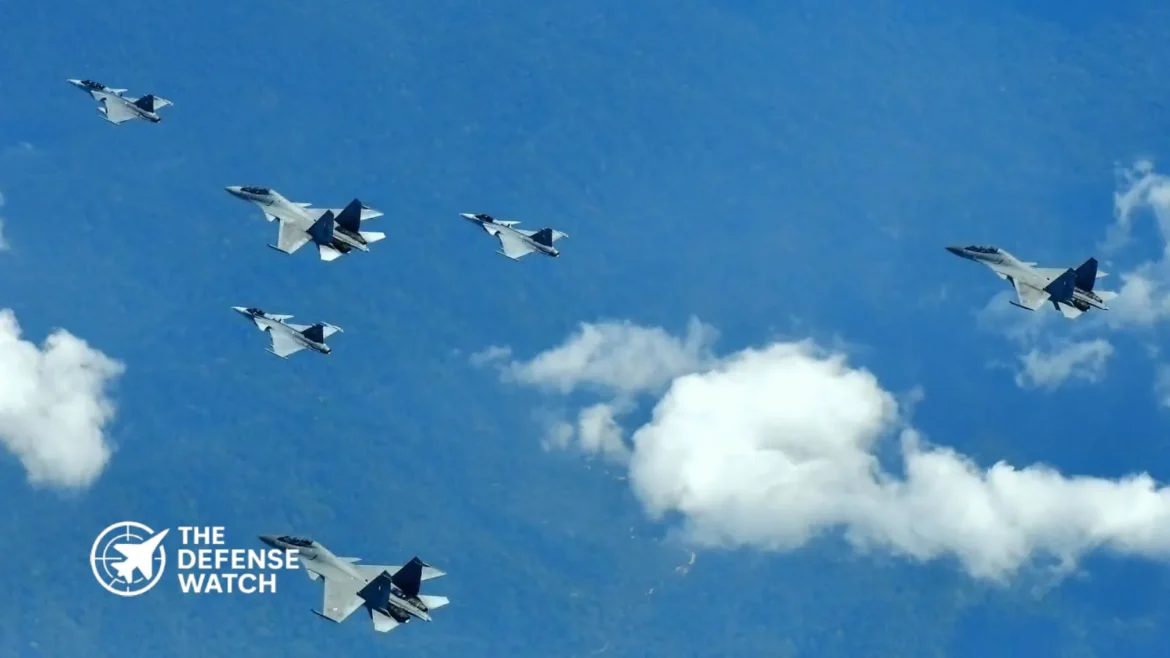
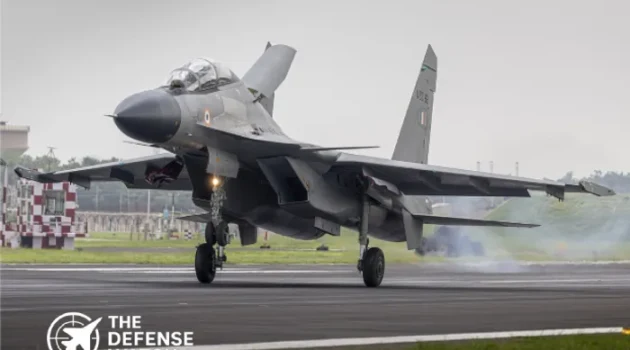
■ KEY FACTS AT A GLANCE- ► India’s Su-30MKI and Thai Gripen jets carried out a joint patrol over the eastern Indian Ocean.
- ► Aircraft from the Indian Air Force and Royal Thai Air Force participated.
- ► The patrol focused on maritime domain awareness and interoperability.
- ► The mission signals deeper India Thailand defense cooperation in the Indo Pacific.
- ► Activity comes amid expanding regional security coordination across maritime Asia.
India’s Su-30MKI And Thai Gripen Jets Conduct Indian Ocean Patrol
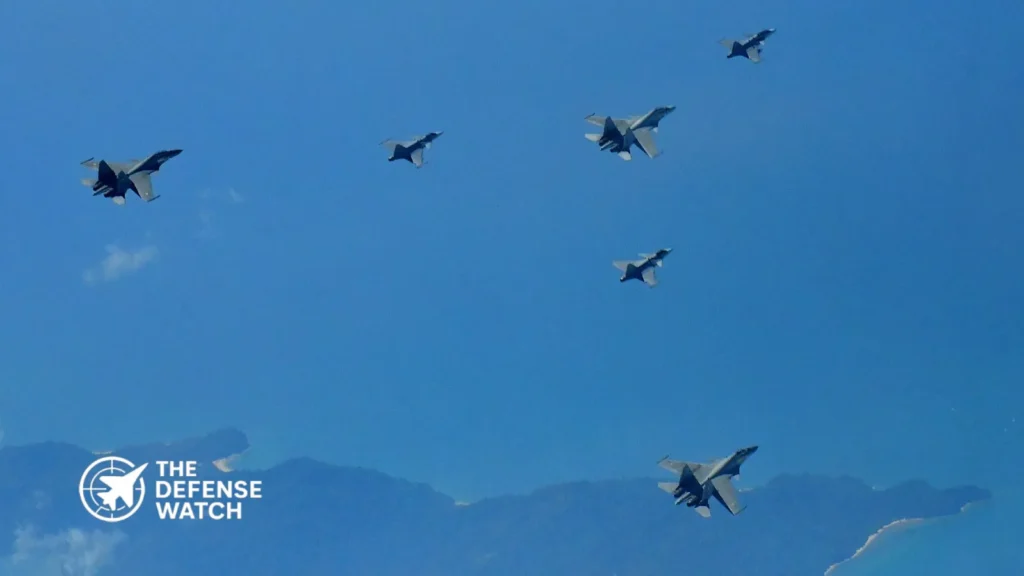
India’s Su-30MKI and Thai Gripen jets conducted a coordinated Indian Ocean patrol, underscoring growing Indo Pacific airpower cooperation between New Delhi and Bangkok.
(adsbygoogle = window.adsbygoogle || []).push({});The patrol involved aircraft from the Indian Air Force and the Royal Thai Air Force operating over key maritime corridors in the eastern Indian Ocean.
The mission reflects a broader trend of regional air forces deepening interoperability as maritime competition intensifies across the Indo Pacific.
Expanding Airpower Coordination In The Indo Pacific
The India Su-30MKI Indian Ocean patrol marks a notable step in bilateral air cooperation. The Sukhoi Su-30MKI remains the backbone of India’s air dominance fleet, optimized for long range missions, maritime strike, and air superiority roles.
Thailand deployed its Saab JAS 39 Gripen fighters, operated by the Royal Thai Air Force. The Gripen’s network centric design and advanced data link architecture support coordinated maritime surveillance and joint mission planning.

Joint patrols over open ocean airspace require coordination in communications, refueling planning, and shared tactical procedures. These are not symbolic flyovers. They test practical interoperability.
The mission focused on enhancing maritime situational awareness and strengthening operational coordination between the two air forces.
Why The Indian Ocean Matters
The Indian Ocean sits at the center of global trade flows. Sea lanes connecting the Middle East, Africa, and Asia pass through this region. Energy shipments, commercial traffic, and naval deployments all converge here.
India has steadily expanded its maritime security footprint, aligning air and naval capabilities to protect sea lines of communication. The Su-30MKI plays a central role in maritime strike operations, often operating in coordination with the Indian Navy.
Thailand, while geographically anchored in Southeast Asia, has shown increasing interest in broader Indo Pacific security frameworks. Joint air patrols signal that Bangkok is willing to work with regional partners beyond traditional land based exercises.
(adsbygoogle = window.adsbygoogle || []).push({});This India Su-30MKI Indian Ocean patrol therefore carries strategic weight beyond the immediate tactical mission.
Platform Capabilities And Operational Implications
The Su-30MKI offers long endurance and heavy payload capacity. Its range, especially when supported by aerial refueling, allows deep maritime coverage. Equipped with advanced radar and anti ship weapon options, it serves as both a deterrent and a surveillance asset.
The Gripen, though lighter, integrates advanced avionics and real time data sharing. Its design philosophy emphasizes distributed operations and network connectivity. In a maritime context, that allows rapid sharing of targeting data and airspace coordination.
When Su-30MKI and Gripen jets operate together, the combination merges endurance and payload with agile network centric capabilities.
For regional observers, the operational takeaway is interoperability. Shared patrols improve communication protocols, standard operating procedures, and joint response readiness.
Broader Geopolitical Context
The Indo Pacific has seen a steady increase in multinational exercises, patrols, and defense dialogues. Countries are investing in partnerships aimed at ensuring freedom of navigation and maritime security.
India has deepened defense ties with Southeast Asian states as part of its Act East policy. Thailand remains an important regional actor with strategic access to key maritime corridors.
While the patrol does not represent a formal alliance shift, it reflects practical cooperation. Regularized engagements build habits of coordination that can scale during crises.
In the current security environment, airpower signaling matters. Joint patrols communicate readiness, shared interests, and mutual trust.
Strategic Assessment
From a defense modernization standpoint, the India Su-30MKI Indian Ocean patrol highlights three trends.
First, air forces are extending their role into maritime domain awareness, traditionally dominated by naval forces.
(adsbygoogle = window.adsbygoogle || []).push({});Second, mid sized powers are expanding bilateral cooperation independent of larger bloc structures.
Third, interoperability is increasingly defined by data sharing and operational integration, not just joint flight hours.
The mission also underscores how legacy heavy fighters like the Su-30MKI remain relevant when paired with modern network enabled platforms such as the Gripen.
For Washington based defense observers, the development fits within a wider Indo Pacific pattern. Regional partners are reinforcing layered security relationships, even when formal treaty alliances remain unchanged.
What Comes Next
Future patrols may expand in scope, potentially integrating maritime patrol aircraft or naval assets. If sustained, such cooperation could evolve into more complex exercises involving air defense drills or coordinated maritime strike scenarios.
For now, the India Su-30MKI Indian Ocean patrol stands as a clear indicator of growing India Thailand air cooperation in a strategically vital region.
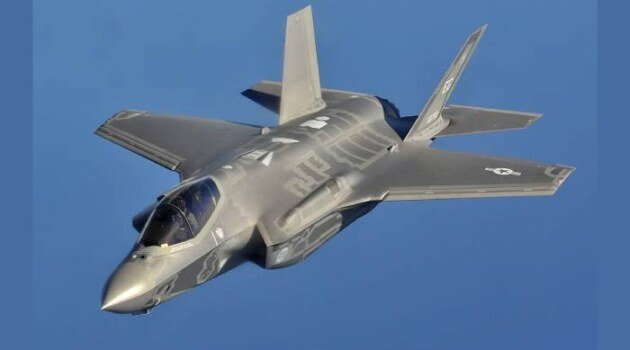
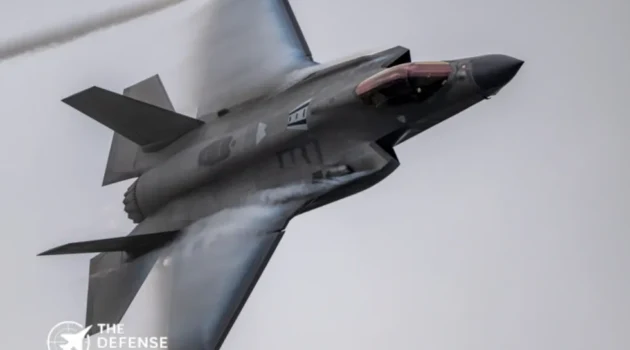
Canada Reviews Major F-35 Purchase as U.S. Relations Deteriorate
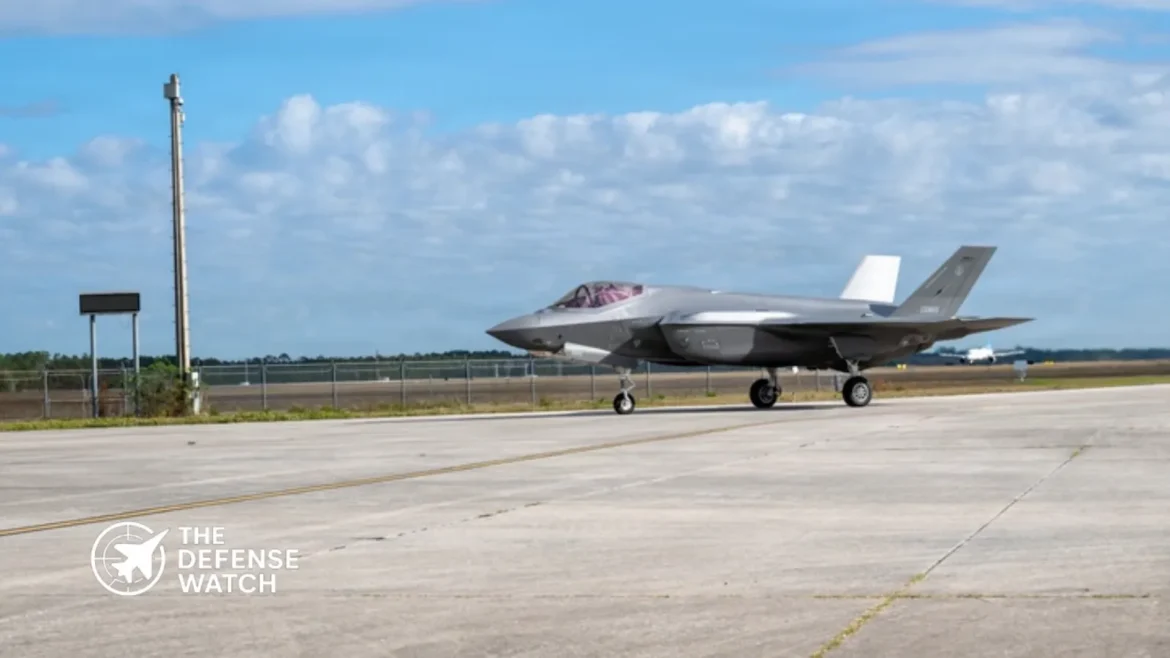
Canada is actively reevaluating its planned purchase of F-35A Lightning II fighters, with officials confirming the government remains legally committed to the first 16 aircraft while reviewing options for the remaining 72 jets. The reassessment comes as trade tensions with Washington escalate under President Trump’s return to office.
(adsbygoogle = window.adsbygoogle || []).push({});Defence Minister Bill Blair confirmed that while the contract for the first 16 F-35s remains in place, Prime Minister Mark Carney has directed the Canadian Armed Forces to determine whether the existing agreement represents the best investment for Canada’s defense needs in the current geopolitical environment.
The review marks the latest chapter in Canada’s decades-long effort to replace its aging CF-18 Hornet fleet, a procurement process that has become one of the most politically contentious defense decisions in Canadian history.
Contract Status and Financial Implications
Canada initially signed a contract valued at CAD 19 billion (USD 14.2 billion at signing) in 2023 for 88 F-35A aircraft. The first stealth fighters under this order are scheduled for delivery in 2026, with initial aircraft arriving at Luke Air Force Base in Arizona for pilot training.
However, total program costs have exceeded CAD 27 billion when including delivery delays and full operational capability requirements. The U.S. Government Accountability Office revealed in September 2025 that the Block 4 upgrade—the version Canada intends to acquire—is now USD 6 billion over budget and five years behind schedule.
Only funding for the initial 16 aircraft has been legally committed, leaving the remaining 72 jets subject to ongoing government review.
Swedish Alternative Gains Momentum
Sweden’s Saab has intensified its campaign to offer Canada an alternative procurement path. Saab submitted a bid for 72 JAS 39 Gripen multirole fighters paired with six GlobalEye airborne surveillance aircraft, positioning the package as an industrial benefits opportunity.
Saab claims the Gripen package would create 10,000 jobs in Canada through domestic assembly and sustainment partnerships, leveraging Canadian aerospace manufacturing capabilities. The Swedish proposal emphasizes local production, intellectual property transfer, and reduced dependence on U.S. supply chains for maintenance and upgrades.
Under Saab’s proposal, final assembly would occur in Canada, with maintenance performed domestically rather than requiring aircraft to return to U.S. facilities for major overhauls—a requirement of the F-35 program.
Capability Assessment and Operational Considerations
Despite the political momentum behind alternative options, leaked Canadian military evaluation documents show the F-35 significantly outperformed the Gripen E across all assessment categories. The F-35 achieved an average score of 95 percent compared to the Gripen E’s 33 percent, with particularly low marks for the Swedish fighter in mission performance and upgradability.
(adsbygoogle = window.adsbygoogle || []).push({});The Royal Canadian Air Force’s technical assessment underscored the F-35’s advantages in stealth, sensor fusion, network-centric warfare capabilities, and Arctic operations—critical factors for Canada’s vast northern territories and NORAD responsibilities.
Canadian NORAD commanders have stated they need pilots to have overmatch against high-end threats, emphasizing capability requirements over political considerations. However, they have also clarified that fighter procurement decisions remain with the civilian government.
NORAD and U.S. Pressure
U.S. Ambassador to Canada Pete Hoekstra warned that if Ottawa does not proceed with the full F-35 complement, NORAD would need to be altered. Hoekstra indicated the United States might need to fly its own F-35s more frequently into Canadian airspace to fill capability gaps.
The ambassador’s comments have drawn criticism from Canadian defense analysts who argue such pressure tactics may backfire. Andrea Charron, director of the Centre for Defence and Security Studies at the University of Manitoba, suggested the approach achieves the opposite of its intended effect.
NORAD has historically operated with different aircraft types on both sides of the border, though current integration levels favor interoperable platforms. The binational aerospace defense agreement relies on shared sensors, communication systems, and coordinated response capabilities to defend North American airspace.
Mixed Fleet Considerations
Canadian defense planners are reportedly considering a mixed fighter fleet consisting of no more than 40 F-35A stealth jets paired with up to 80 Gripen E fighters, according to recent reporting citing unnamed defense sources.
Such an approach would address political pressure to diversify defense partnerships while maintaining some fifth-generation capability. However, operating multiple platforms creates logistical strains, requiring separate mechanical expertise, distinct supply chains, and parallel training programs.
The Royal Canadian Air Force has historically resisted mixed fleet operations due to cost and complexity concerns, though it did operate multiple fighter types until the 1980s CF-18 consolidation.
Industrial Benefits and Economic Factors
Canadian companies have received contracts valued at USD 490 million from 2002 to 2012 through F-35 program participation, with total potential estimated value ranging from USD 4.8 billion to USD 6.8 billion through supply chain participation.
(adsbygoogle = window.adsbygoogle || []).push({});This existing industrial relationship complicates any decision to shift toward alternative aircraft. Canada’s participation in the F-35 program provides domestic companies opportunities to bid for international F-35 contracts, though these benefits are not guaranteed.
Saab’s offer includes guaranteed economic benefits for Canadian industry, potentially addressing concerns about industrial sovereignty and domestic aerospace sector development.
Geopolitical Context
The F-35 reassessment stems directly from rapidly deteriorating relations between Washington and Ottawa following President Trump’s renewed tariff threats and contentious trade negotiations.
Vincent Rigby, former national security adviser to the Trudeau government, stated that U.S. rhetoric has forced Canadian policymakers to rethink defense ties. The review reflects broader Canadian concerns about Washington’s reliability as a security partner under the Trump administration.
Prime Minister Carney has indicated he held discussions with French and British officials about potential F-35 alternatives signaling willingness to explore European defense partnerships as part of Canada’s strategic hedging approach.
Timeline and Decision Process
The formal review was initially expected to conclude by late September 2025, but no decision has been announced. Department of National Defence officials declined to provide a specific timeline for completion, stating only that the review is progressing in a timely manner.
Canadian Armed Forces personnel attended a ceremony at Lockheed Martin’s Texas facility in early February 2026 to mark the imminent delivery of the first F-35, indicating continued program momentum despite the ongoing political review.
Canada’s first F-35s are scheduled for delivery to Luke Air Force Base in 2026, with the first 10 pilots beginning training this year. Initial aircraft would arrive in Canada by late 2028, operating from temporary facilities while permanent infrastructure is completed by 2030-2031.
Strategic Implications
The Canadian review represents a potential inflection point for international F-35 partnerships. Canada is officially the first customer to openly reevaluate its F-35 order in the Trump era, raising questions about whether other nations may follow suit.
Any decision to reduce F-35 orders would send a significant foreign policy signal regarding Canada’s defense alignment and willingness to diversify security partnerships beyond traditional U.S. dependence.
However, the technical capabilities gap between fourth and fifth-generation fighters, combined with existing Canadian industrial participation in the F-35 program, creates substantial pressure to maintain the original procurement plan despite political considerations.
The outcome of Canada’s F-35 review will likely shape North American defense cooperation and bilateral relations for decades, setting precedents for how middle-power allies navigate defense procurement amid great power competition and alliance uncertainty.
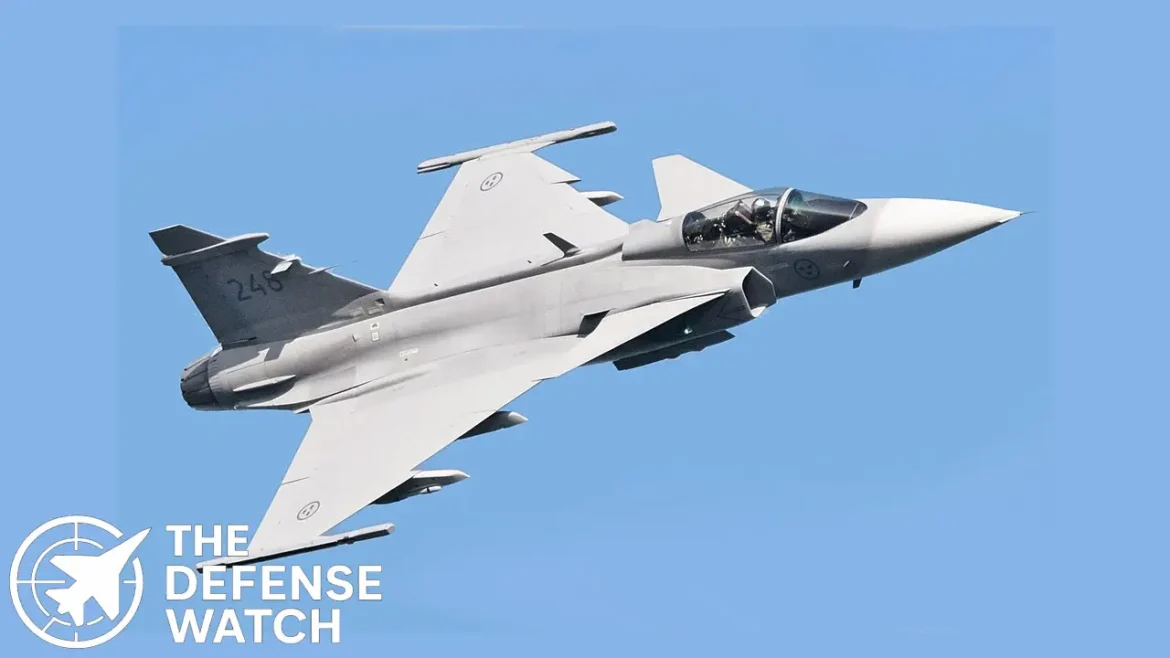
Saab JAS 39 Gripen — Sweden’s Pride in the Sky
The Saab JAS 39 Gripen stands as one of Europe’s most remarkable achievements in modern combat aviation. Developed by Saab AB in Sweden, the Gripen was designed to meet the demanding requirements of a 21st-century air force—speed, versatility, and cost efficiency. As a lightweight multirole fighter, it has earned global recognition for its balance of advanced technology and affordability, making it a preferred choice for nations seeking high-end performance without the price tag of fifth-generation jets.
A Vision of Independence and Innovation
Sweden’s decision to build its own fighter aircraft stemmed from a national policy of strategic independence. During the Cold War, Stockholm recognized the need for an aircraft that could operate from short, improvised runways and adapt to both defensive and offensive missions.
The result was the JAS 39 Gripen, where “JAS” stands for Jakt (Fighter), Attack, and Spaning (Reconnaissance)—a true multirole concept that replaced several older aircraft types in Swedish service.
Engineering and Design Philosophy
The Gripen’s design reflects Sweden’s focus on efficiency and smart engineering. With a delta wing and canard configuration, the aircraft achieves exceptional agility and short takeoff capability. It can operate from road bases as short as 800 meters—a critical advantage for dispersed operations.
Under its streamlined airframe lies a General Electric F404-derived RM12 engine, delivering a thrust-to-weight ratio that enables speeds up to Mach 2. The Gripen’s fly-by-wire control system, combined with advanced aerodynamics, ensures superior maneuverability and pilot control even in demanding flight conditions.
Avionics and Combat Systems
Modern Gripen variants—especially the Gripen E/F—boast some of the most sophisticated avionics in the 4.5-generation class. The aircraft features the Raven ES-05 active electronically scanned array (AESA) radar, IRST (Infrared Search and Track), and a modular avionics architecture that allows easy software and hardware upgrades.
Weapons integration is equally impressive. The Gripen can carry an extensive array of air-to-air missiles (Meteor, IRIS-T, AIM-9, AIM-120), air-to-ground precision munitions, and anti-ship missiles. Its Link 16 datalink and sensor fusion capabilities make it a true network-enabled asset.
Gripen E: The Next Generation
The latest variant, Gripen E, takes the platform into a new era of capability. It includes the GE F414G engine, offering 20% more thrust, an AESA radar, an electronic warfare (EW) suite, and a new wide-area cockpit display.
Gripen E also introduces advanced sensor fusion and artificial intelligence-assisted systems for enhanced situational awareness. Despite its advanced systems, it maintains a low operational cost—estimated to be one-third that of the F-35 Lightning II—making it one of the most cost-effective combat aircraft in the world.

Operational Users and Export Success
The Gripen serves as the backbone of the Swedish Air Force, but it has also found success abroad. Nations such as Brazil, the Czech Republic, Hungary, Thailand, and South Africa have adopted the Gripen due to its reliability and ease of maintenance.
In Brazil, the Gripen E/F (locally designated F-39E/F) is being co-produced under a technology transfer partnership—a move that strengthens Brazil’s domestic aerospace capabilities.
Gripen in the Future Battlespace
With the rise of network-centric warfare, the Saab JAS 39 Gripen remains relevant through its adaptability. Saab continues to evolve the platform with new datalink systems, electronic warfare capabilities, and AI-assisted mission planning tools.
Furthermore, the Gripen’s integration with swarm drones, EW pods, and stealth countermeasures demonstrates its ability to operate effectively in high-threat environments.
As global tensions rise and nations seek affordable yet potent airpower solutions, the Gripen offers an ideal balance between performance, technology, and sustainment.
Strategic Context and Analysis
In an era dominated by fifth-generation aircraft like the F-35 and Su-57, the Saab JAS 39 Gripen remains a pragmatic alternative for smaller nations. Its interoperability with NATO systems, low operational footprint, and indigenous upgrade roadmap ensure it continues to hold a niche in global defense markets.
Analysts note that the Gripen’s design philosophy—focusing on survivability, ease of maintenance, and flexibility—aligns with the modern doctrine of distributed air operations, where survivability depends on mobility and readiness rather than sheer stealth.
Conclusion
The Saab JAS 39 Gripen exemplifies Sweden’s philosophy of smart defense innovation. Combining high performance, modular design, and economic efficiency, the Gripen remains a cornerstone of modern airpower for middle-sized air forces worldwide. As global security challenges evolve, this Swedish-made fighter continues to prove that agility and intelligence can rival brute force in the skies.
FAQs
What makes the Saab JAS 39 Gripen unique?Its ability to operate from short runways, advanced avionics, and low lifecycle costs make it one of the most efficient 4.5-generation fighters in service.
Which countries operate the Gripen?Sweden, Brazil, Czech Republic, Hungary, South Africa, and Thailand currently operate different Gripen variants.
How does Gripen compare to the F-35?While the F-35 offers stealth, the Gripen delivers lower costs, easier maintenance, and superior operational flexibility for smaller air forces.
What is the newest version of the Gripen?The Gripen E/F, equipped with the GE F414G engine, AESA radar, and advanced EW suite.