
What Happened — Radar Lock-On Near Okinawa
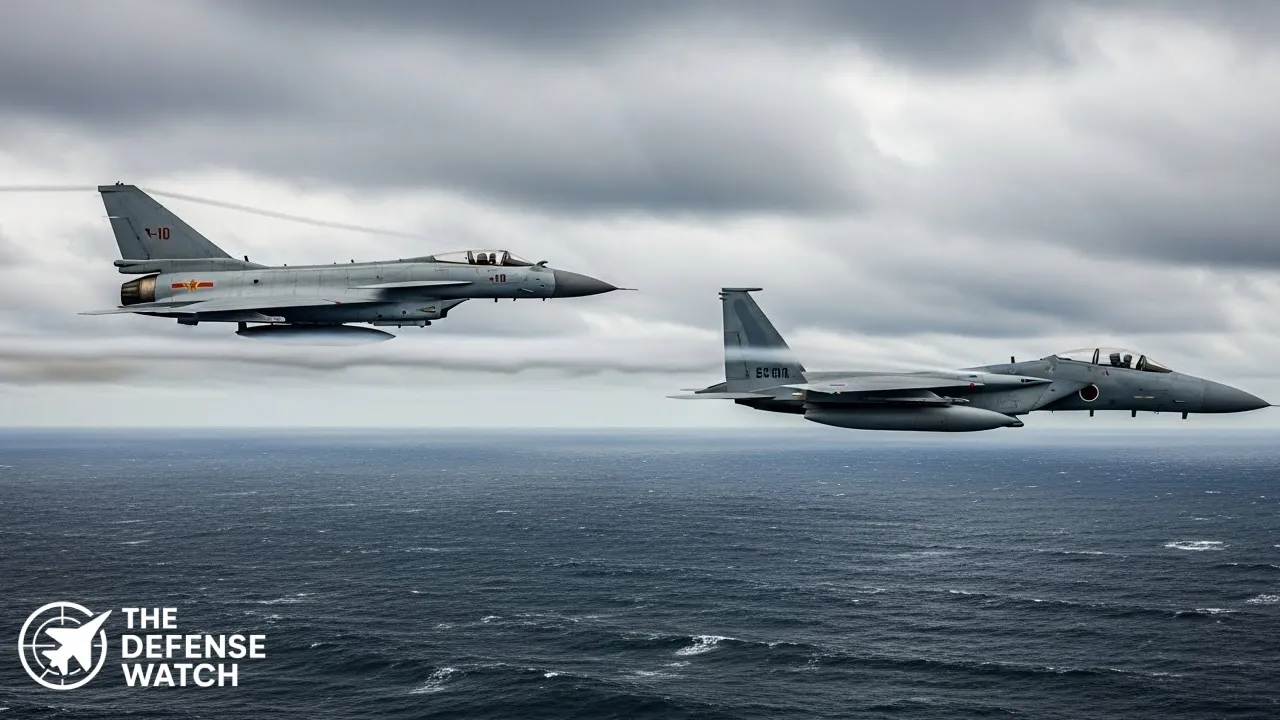
Japan publicly accused China of targeting Japanese defense aircraft with fire-control radar near the southern Okinawa islands — a serious escalation in aerial encounters. The claim surfaced following two separate incidents earlier this week, prompting Tokyo to lodge a formal diplomatic protest.
According to Japanese Defense Minister Shinjiro Koizumi, the Chinese warplanes used fire-control radar — a capability linked to weapons targeting — putting Japanese flights under immediate threat. In response, the Chinese Ministry of Defense dismissed the claims, asserting Japanese aircraft had repeatedly flown near Chinese naval operations, creating dangerous situations.
Why It Matters — A Dangerous Precedent in Air Encounters
Repeated radar lock-ons mark a dangerous turn in aerial encounters between China and Japan. Fire-control radar is not used for simple surveillance; it is typically employed when a platform prepares to engage a target. For Japan to publicly accuse China of such actions suggests Tokyo views the incidents not as routine aerial transits or “show of force” manoeuvres, but as potential preludes to combat conditions.
This matters especially given East Asia’s already tense security environment. With overlapping maritime and air claims — around the East China Sea and the contested Senkaku/Diaoyu islands — such incidents risk triggering unintended escalation.
Moreover, the public nature of the protest signals Tokyo’s intent to elevate the issue diplomatically, potentially drawing in allies and shaping regional response.
Details of the Incidents
Radar Lock-On Allegations
- Japanese authorities say two separate incidents occurred “this week,” involving Chinese fighter aircraft locking fire-control radar onto Japanese jets.
- The encounters reportedly took place near the southern Okinawa islands — a region often traversed by both Japanese and Chinese military aircraft.
- Japanese Defense Minister Shinjiro Koizumi described the acts as “extremely dangerous and provocative,” and lodged a formal protest with Beijing.
China’s Denial and Counter-Claims
- Beijing rejected the radar-lock allegations, stating Japanese aircraft had repeatedly flown near Chinese naval forces operating in the area. These actions, China argues, created the “dangerous” conditions that resulted in warnings.
- A Chinese military spokesman — reportedly Wang Shuoming — said Chinese forces were conducting previously announced maritime exercises. According to him, any Chinese response was defensive and consistent with operational norms.
Strategic and Policy Implications
Risk of Escalation and Miscalculation
When fire-control radar is used, even if no weapons are launched, the risk of miscalculation escalates dramatically. Japanese jets would likely take evasive or defensive actions — which in turn may trigger further response. Over time, repeated incidents could erode the unspoken norms that have kept aerial confrontations from escalating into conflict.
For Tokyo, publicising the incidents serves a dual purpose: it signals resolve, and lays the groundwork for diplomatic or allied pressure on Beijing. But it also constrains Japanese operational behaviour — if jets systematically avoid contested zones to reduce risk, Tokyo may lose aerial reach.
Regional Deterrence and Signalling
For China, the denial and counter-accusations fit a pattern of asserting control: by framing Japanese flights as provocative, Beijing positions itself as enforcing its maritime and airspace sovereignty. This sends a message not only to Japan, but to other regional actors — that Chinese military presence will be actively defended.
At the same time, Tokyo’s choice to publicise the radar-locks suggests an intent to internationalise the issue. If repeated, Japan might seek to rally allied support — especially under collective defense frameworks or via forums like the Quad — framing Chinese actions as destabilizing.
Implications for Air Safety and Rules of Engagement
Persistent radar lock-ons could degrade established norms around air-to-air conduct. Civilian-piloted transport aircraft (from Japan or third-party nations) could inadvertently find themselves in danger zone — raising regional aviation safety concerns.
It may also force updates to bilateral or multilateral “air-safety communication” protocols. Allies might increase patrols, implement convoy or escort strategies, or review rules of engagement to prevent dangerous close-in behavior.
What to Watch Next — Signals, Policy, and Military Patterns
Monitoring for Follow-On Incidents
It will be critical to observe whether more radar-lock episodes occur, whether involving Japanese or third-party aircraft. A pattern would likely signal a new standard in China’s approach to airspace control — with broad implications.
Diplomatic Fallout and Alliances Response
Tokyo may seek to raise the issue in international forums or among regional partners. Watch for statements from NATO members, U.S. Pacific Command, or Indo-Pacific allies condemning the alleged Chinese behaviour.
The Japanese government may also push for updated protocols or formal agreements with regional players to increase transparency and reduce risk of air incidents.
Strategic Signalling from Beijing
How China articulates its defense and airspace posture in the coming days will be telling. If Beijing frames future incidents as defensive reactions to foreign “provocations,” it may attempt to normalise radar lock-ons.
Alternatively, China might offer restrained rhetoric or even limited engagement to avoid diplomatic fallout — especially if it perceives reputational or economic costs.
Conclusion — A Turning Point in Air Confrontations
The radar lock-on incidents reported by Japan mark a potential turning point in aerial interactions between China and Japan. By publicly naming and protesting China’s actions, Tokyo signals a willingness to treat such events not as isolated incidents, but as violations of established air-safety norms.
If similar encounters continue, the region may see a gradual erosion of the tacit understanding that has governed military aviation over contested seas and airspaces. The coming days will reveal whether this becomes an isolated flashpoint — or the start of a more confrontational aerial doctrine.
Get real time update about this post category directly on your device, subscribe now.
