Table of Contents
US Air Force Extends F-117 Nighthawk Operations to 2034
The United States Air Force plans to keep its retired F-117 Nighthawk stealth aircraft flying through at least 2034, extending the operational life of the iconic jet more than 25 years after it was officially withdrawn from frontline service. The decision reflects the aircraft’s continued value in testing, training, and threat replication roles, particularly as the US military prepares for future high end conflicts involving advanced air defenses.
According to budget and planning documents referenced in recent defense reporting, the Air Force intends to fund sustainment and limited operations of a small fleet of F-117 aircraft stored at Tonopah Test Range in Nevada. These aircraft, though no longer considered combat assets, continue to fly regularly under a classified program that supports both US and allied training needs.
The move underscores how legacy stealth platforms remain relevant as the Pentagon works to prepare pilots and systems for encounters with increasingly capable adversary air defense networks.
Background of the F-117 Nighthawk Program
The F-117 Nighthawk holds a unique place in aviation history. Developed in secrecy during the Cold War, it was the world’s first operational stealth combat aircraft. Designed by Lockheed’s Skunk Works, the jet relied on faceted surfaces and radar absorbing materials to minimize its radar signature, allowing it to penetrate heavily defended airspace.
The aircraft entered operational service in the early 1980s and achieved global attention during the 1991 Gulf War, where it flew precision strike missions against heavily defended targets in Iraq. The F-117 later saw combat use in the Balkans and during early operations in Afghanistan.
Despite its success, the aircraft was officially retired in 2008 as newer stealth platforms such as the B-2 Spirit and later the F-22 Raptor became available. Advances in stealth shaping and materials also made the angular F-117 design less efficient compared to newer aircraft.
However, retirement did not mean the end of flight operations.
Why Retired F-117 Jets Are Still Flying
Since its official retirement, the US Air Force has maintained a small number of F-117 Nighthawk aircraft in a condition that allows limited flight operations. These aircraft are not part of combat squadrons and are not deployable in wartime strike roles.
Instead, they are used primarily for training and testing. One of the key missions involves acting as realistic adversary or surrogate stealth targets. Modern US and allied air defense systems, fighter radars, and infrared sensors need real world exposure to low observable aircraft to validate detection and tracking performance.

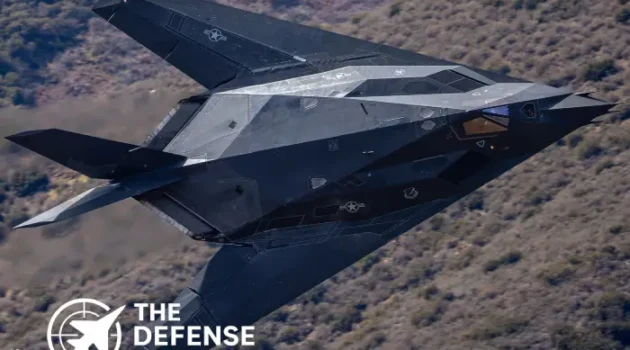
F-117. Image Credit: Creative Commons The F-117 Nighthawk offers a cost effective way to provide that experience without risking newer and more expensive stealth assets such as the F-35 or B-21 Raider. Its unique radar and infrared signature differs from modern stealth designs, giving sensor operators valuable data across a wider range of scenarios.
In addition, the aircraft supports development and evaluation of next generation sensors, radars, and command and control systems. By flying against these systems in controlled environments, engineers can refine detection algorithms and improve integration across air and missile defense networks.
Budget Signals Confirm Long Term Sustainment
The plan to keep the F-117 fleet active until 2034 is supported by funding allocations within Air Force budget documents. These include line items for sustainment, spare parts, and contractor support associated with the aircraft.
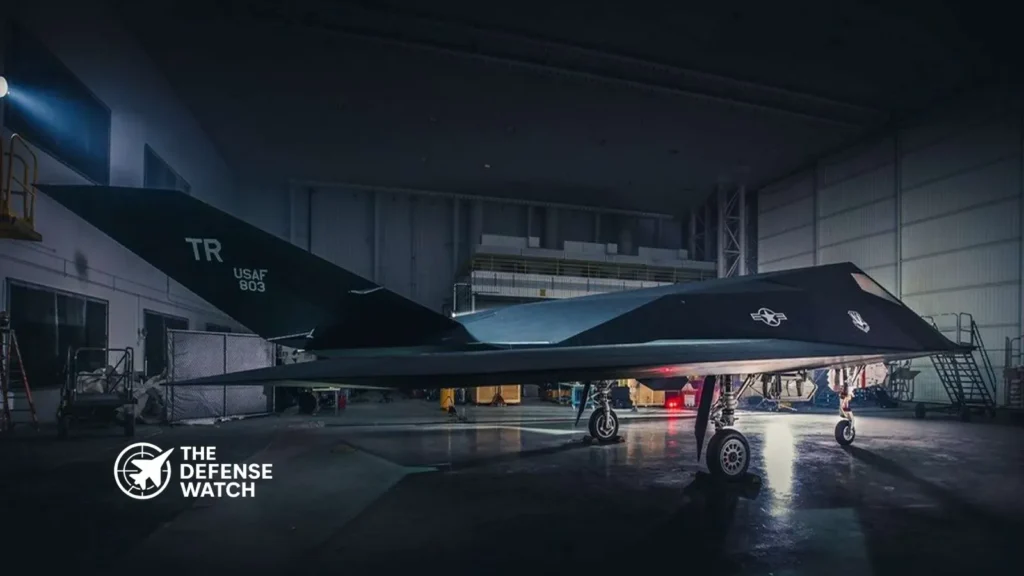
While the Air Force has not publicly detailed the size of the active fleet, estimates suggest that around a dozen airframes remain in flyable condition. The aircraft operate from secure locations, primarily Tonopah Test Range Airport, a facility long associated with classified aviation programs.
The continued funding indicates that the Air Force sees enduring value in the platform, particularly during a period of rapid modernization and shifting threat environments. As near peer competitors invest heavily in advanced surface to air missile systems and counter stealth technologies, realistic training becomes increasingly critical.
Role in Preparing for Future Conflicts
The decision to extend F-117 operations aligns with broader US Air Force efforts to prepare for contested airspace in future conflicts. Potential adversaries are deploying layered air defense systems that combine long range radars, infrared sensors, electronic warfare, and networked command systems.
Training against stealth aircraft helps air defense units, fighter pilots, and joint forces understand both the strengths and limitations of low observable technology. It also supports development of tactics designed to counter stealth threats, knowledge that is essential for US forces operating alongside allies.
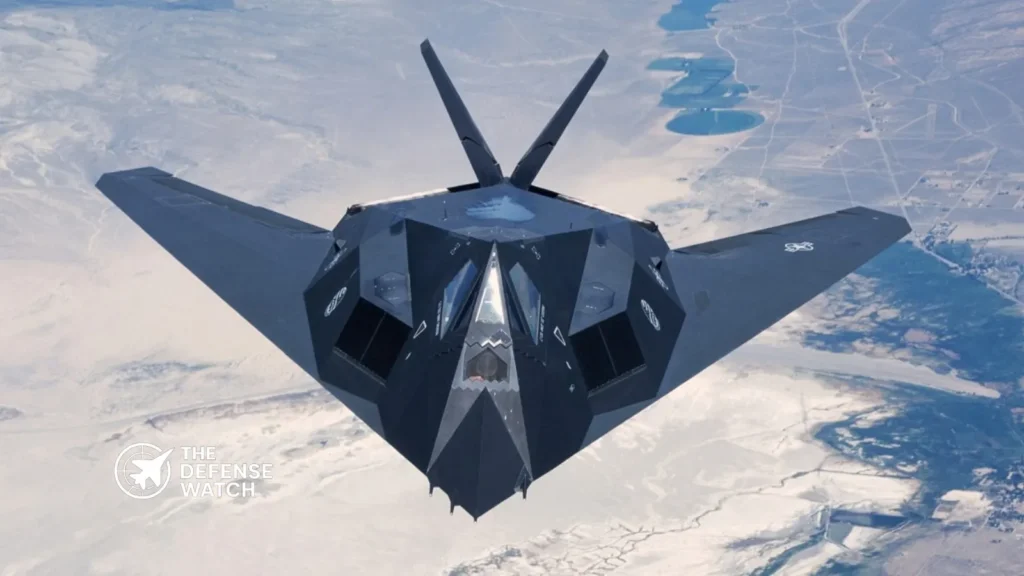
F-117. Image Credit: Creative Commons From a policy perspective, maintaining the F-117 fleet provides flexibility. It allows the Air Force to preserve newer stealth aircraft for frontline missions while still meeting demanding training and test requirements.
Defense analysts have also noted that the F-117 offers insights into how older stealth designs interact with modern sensors, information that could prove valuable in assessing the survivability of both legacy and emerging platforms.
What Comes Next for the F-117 Fleet
Under current plans, the F-117 Nighthawk will continue flying in limited roles through at least 2034. Beyond that date, the Air Force has not indicated whether operations will end or transition to alternative platforms.
Future systems, including uncrewed stealth aircraft and advanced digital simulators, may eventually reduce the need for manned legacy jets. However, real world flight data remains difficult to replicate fully in virtual environments.
For now, the continued presence of the F-117 in the skies serves as a reminder that even retired aircraft can play a meaningful role in shaping modern military readiness.
Get real time update about this post category directly on your device, subscribe now.