U.S. Deploys F-15E Strike Eagles To Undisclosed Middle East Base
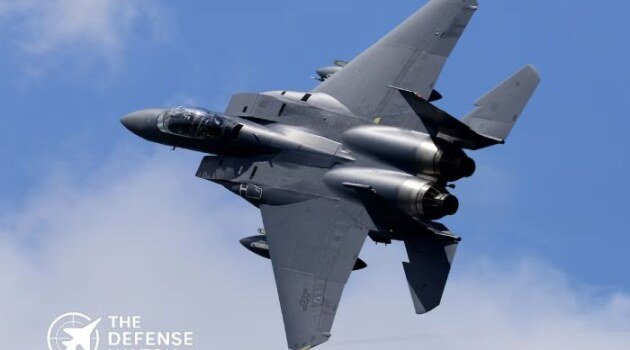
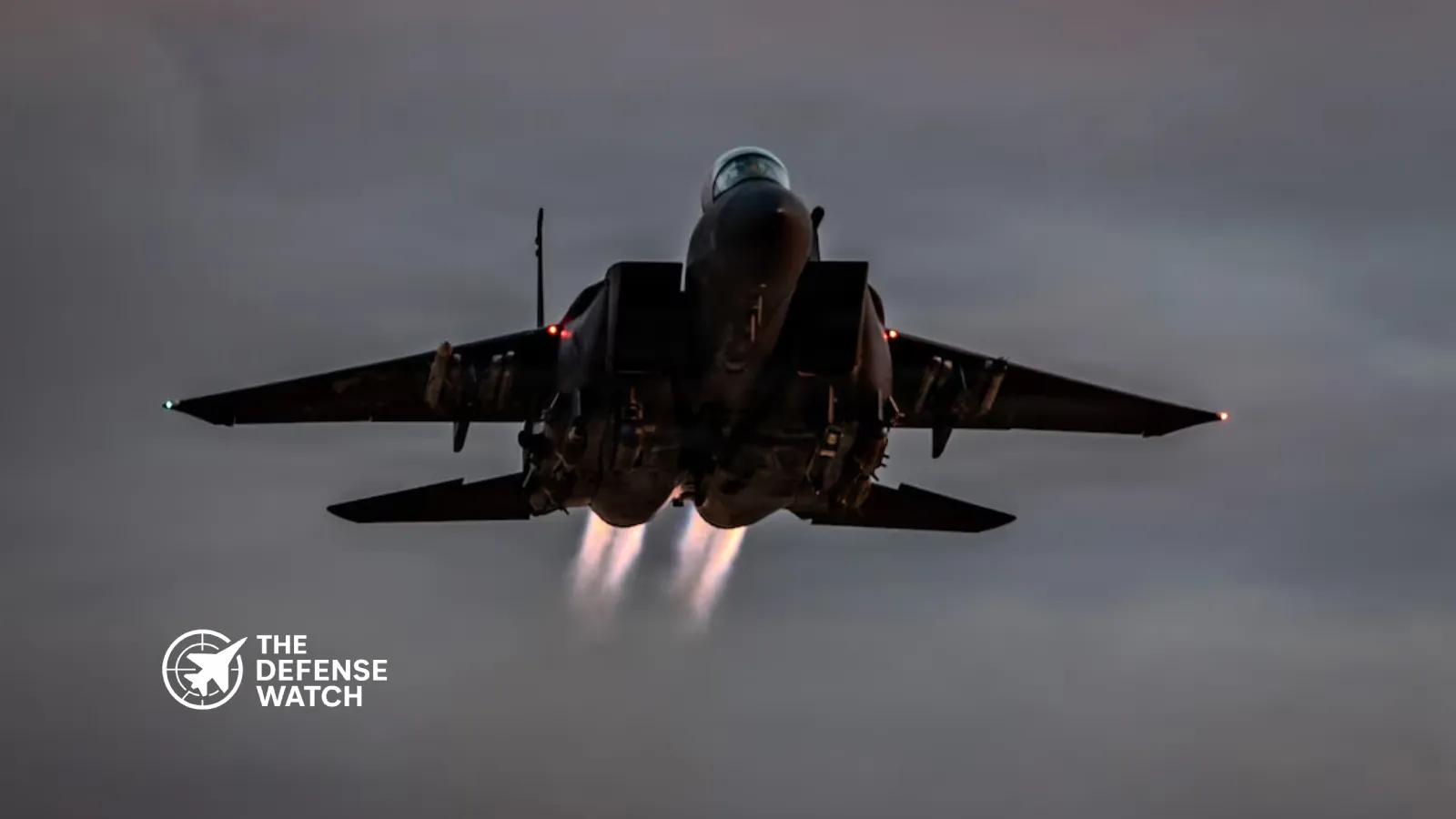
U.S. Central Command says F-15E Strike Eagles have deployed to an undisclosed base in the Middle East to strengthen strike options against ISIS and support deterrence posture toward Iran, according to official statements and imagery released by U.S. military channels.
Short-range threats from militia drones, a persistent Islamic State insurgent footprint and rising pressure from Iranian proxy groups have shaped CENTCOM’s recent posture adjustments, officials said.
Deployment Details And Unit Involved
The aircraft involved are tied to the 494th Expeditionary Fighter Squadron, a Strike Eagle unit forward-deployed from RAF Lakenheath in the United Kingdom. Open-source flight tracking suggests a standard 12-aircraft detachment, supported by KC-135 aerial refueling assets to reach the CENTCOM area of responsibility without advanced notice.
CENTCOM framed the deployment as part of a readiness and stability measure, emphasizing that exact base locations and mission specifics remain restricted for operational security.
Why F-15E Strike Eagles
The F-15E Strike Eagle remains a mainstay for long-range multirole missions. Powered by twin Pratt & Whitney afterburning engines, the aircraft couples high speed and altitude capability with long range, especially when paired with aerial refueling. Its payload capacity and advanced sensors support both precision strike and air defense missions.
Strike Eagles carry a mix of air-to-air and air-to-ground munitions, including AIM-120 AMRAAM and AIM-9 Sidewinder missiles for air defense, guided bombs such as JDAM variants for precision strike, and targeting pods that support accurate delivery in complex environments.
The aircraft’s advanced electronic warfare suite (EPAWSS) helps detect and counter layered threats, a key factor in contested airspace where adversaries use surface-to-air systems and unmanned aerial systems.
Operational Context
This deployment aligns with a broader U.S. effort to reinforce airpower in the Middle East. The region has seen a mix of ISIS activity, militia threats and tensions tied to Iranian regional posture. U.S. air operations, including long-range precision strikes in Syria and Iraq against ISIS targets, remain ongoing.
In recent months, U.S. military activity has included aerial readiness exercises and deployments of other air assets, aiming to demonstrate rapid response capability and forward presence amid evolving security challenges.
Regional Deterrence And Strike Capability
Forward-deployed F-15Es enhance the U.S. ability to generate sorties quickly across sectors of the Middle East. Their presence signals that the Air Force can sustain both counterterrorism and high-end deterrence missions, bridging the gap between rotational forces and a larger permanent footprint.
These fighters offer commanders options from air defense to precision deep strike, complementing ISR and tanker support already operating in the region. Their range and payload help compress adversary decision cycles and support partner forces when stability threats rise.
Broader U.S. Airpower Posture
The deployment reflects the Pentagon’s continued emphasis on maintaining forward airpower in volatile environments. While exact operational details remain restricted by CENTCOM, the integration of F-15Es into Middle East operations underscores the role of tactical air assets in layered deterrence and counterterrorism efforts.
Get real time update about this post category directly on your device, subscribe now.