

Air Forces Central Validates Combat Readiness Through Regional Exercise
Ninth Air Force (Air Forces Central) has initiated a multi-day readiness exercise designed to demonstrate the U.S. military’s ability to deploy, disperse, and sustain combat airpower across the U.S. Central Command area of responsibility, according to an official announcement from AFCENT public affairs.
The exercise represents a comprehensive validation of operational procedures critical to maintaining air superiority in a contested environment. AFCENT forces will test rapid personnel and aircraft movement, conduct operations from contingency locations with minimal logistical footprints, and demonstrate integrated command and control capabilities across the expansive CENTCOM region.
“Our Airmen are proving they can disperse, operate, and generate combat sorties under demanding conditions—safely, precisely and alongside our partners,” said Lt. Gen. Derek France, AFCENT commander and Combined Forces Air Component commander for CENTCOM, in the official statement.
Exercise Objectives Focus on Dispersed Operations and Regional Integration
The AFCENT readiness exercise targets four primary operational areas that align with contemporary air warfare requirements and evolving threat environments in the Middle East and Central Asia.
Rapid Movement Validation
U.S. forces will validate procedures for quickly repositioning personnel and aircraft to multiple locations throughout the theater. This capability proves essential for maintaining operational flexibility against potential adversaries who might target concentrated military installations.
Contingency Location Operations
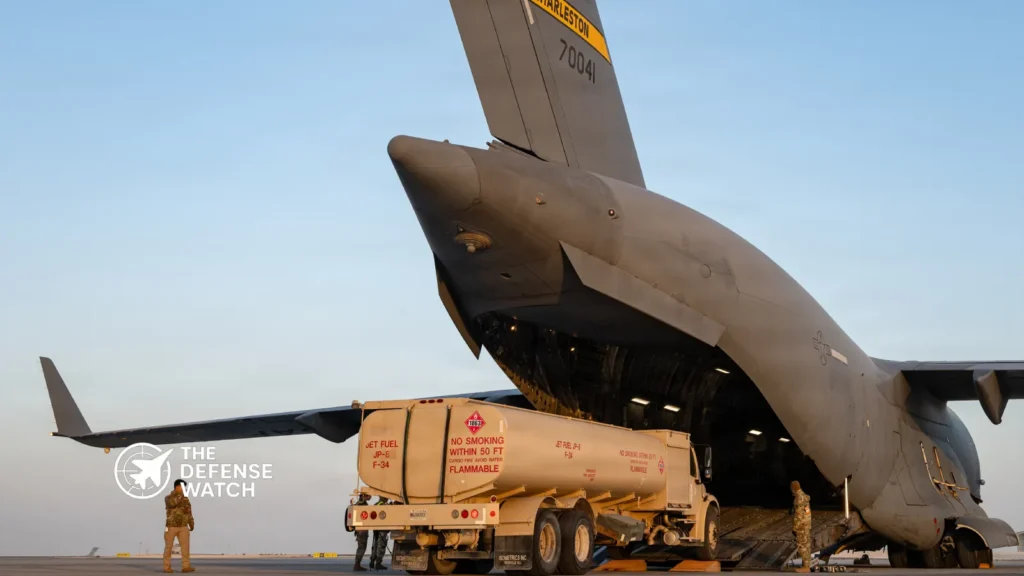
Teams will deploy to various forward operating locations to establish rapid set-up, launch, and recovery procedures. The exercise emphasizes efficient support packages that can operate effectively with reduced logistical footprints—a critical capability for austere environments.

Multinational Command and Control
The training event will test integrated command and control systems across large geographic areas, incorporating partner nation forces and coordination mechanisms. This element strengthens interoperability with regional allies and enhances coalition warfare capabilities.
Sovereignty and Safety Protocols
All activities will proceed with host-nation approval and close coordination with civil and military aviation authorities throughout the region. AFCENT emphasized that safety, precision, and respect for partner sovereignty remain paramount considerations during execution.
Strategic Context: Agile Combat Employment in CENTCOM
The exercise reflects broader U.S. Air Force modernization efforts focused on Agile Combat Employment (ACE) doctrine. This operational concept emphasizes dispersing forces across multiple locations to complicate adversary targeting while maintaining the ability to mass effects when required.
The CENTCOM area of responsibility presents unique challenges for dispersed operations. The region encompasses diverse terrain, political environments, and infrastructure capabilities across 21 nations spanning from Northeast Africa through the Middle East to Central and South Asia.
Recent geopolitical developments in the region have underscored the importance of maintaining credible airpower presence while reducing vulnerability to precision strike capabilities that potential adversaries continue developing.
Lt. Gen. France’s statement emphasized that the exercise reinforces deterrence objectives: “This exercise reinforces peace through strength by fielding a credible, combat-ready, and responsible presence designed to deter aggression, reduce the risk of miscalculation and assure partners.”
Operational Capabilities Under Assessment
The multi-day exercise will evaluate several operational capabilities essential for modern air warfare in contested environments.
Aircraft and Personnel Dispersal
The ability to quickly redistribute combat aircraft and support personnel across multiple locations reduces vulnerability to massed strikes against concentrated bases. This dispersal capability also complicates adversary intelligence collection and targeting processes.
Logistics Sustainment
Operating from contingency locations with minimal footprints tests logistics chains, maintenance capabilities, and supply distribution systems. Success in this area demonstrates the Air Force’s ability to sustain operations without reliance on major established bases.
Partner Integration
The exercise provides opportunities to validate coordination procedures with regional partner air forces. Multinational interoperability enhances combined defensive capabilities and demonstrates alliance cohesion to potential adversaries.
Tactical Adaptability
By practicing tactics, techniques, and procedures in a rapidly evolving operational environment, participating units sharpen their ability to adapt to changing conditions and mission requirements.
Regional Partnership Emphasis
AFCENT’s statement highlighted the exercise’s role in strengthening partnerships throughout the CENTCOM region. The United States maintains security cooperation relationships with numerous Middle Eastern and Central Asian nations, many of which host U.S. forces or provide access to military facilities.
These partnerships enable the dispersed operations model that the exercise validates. Access to multiple locations across the theater provides operational flexibility that concentrated basing structures cannot match.
The exercise also serves diplomatic objectives by demonstrating U.S. commitment to regional security and reassuring partners about American capabilities and resolve. Visible, professional military operations conducted with host-nation approval can strengthen bilateral relationships and enhance allied confidence.
Implications for Regional Security Architecture
The readiness exercise occurs amid evolving security dynamics throughout the CENTCOM area of responsibility. Regional tensions, ongoing conflicts, and great power competition continue shaping the strategic environment.
U.S. airpower remains central to security architecture across the Middle East. American combat aircraft provide deterrence against potential aggression, support counterterrorism operations, and enable freedom of navigation in critical maritime chokepoints.
The dispersed operations concept that this exercise tests responds to adversary development of advanced precision strike capabilities, including ballistic and cruise missiles that could threaten concentrated military installations. By demonstrating the ability to operate from multiple dispersed locations, U.S. forces complicate adversary targeting and reduce vulnerability.
France’s reference to deterring aggression and reducing miscalculation risk reflects concerns about regional escalation dynamics. Credible, visible combat readiness can prevent conflicts by convincing potential adversaries that military action would prove costly and unsuccessful.
Documentation and Transparency
AFCENT announced that imagery from the exercise will be available through the Defense Visual Information Distribution Service (DVIDS) at the command’s official page. This transparency measure allows public visibility into U.S. military training activities while demonstrating professionalism to international audiences.
Public documentation of military exercises serves multiple purposes. It provides accountability to American taxpayers, demonstrates operational capabilities to allies and adversaries, and counters potential disinformation about U.S. military activities in the region.
The commitment to document the exercise also reflects confidence in operational procedures and force professionalism. By inviting media coverage, AFCENT signals that its forces can execute complex operations under scrutiny while maintaining safety and effectiveness standards.
Broader Air Force Modernization Context
This AFCENT readiness exercise aligns with Air Force-wide efforts to adapt to evolving threat environments and operational concepts. The service has prioritized developing distributed operations capabilities that reduce vulnerability while maintaining combat effectiveness.
Similar exercises have occurred in other combatant command regions as the Air Force validates ACE concepts globally. These training events provide data on operational effectiveness, identify capability gaps, and refine procedures before they might be required in actual contingencies.
Investment in dispersed operations capabilities requires balanced resource allocation across multiple areas: infrastructure at dispersed locations, transportable logistics packages, secure communications networks, and trained personnel capable of operating in austere environments with reduced support.
The exercise tests not only hardware and infrastructure but also the doctrine, organization, training, and leadership necessary for distributed operations success. Human factors often prove more challenging than technical capabilities in complex operational environments.
Training Value for Participating Forces
For Airmen participating in the exercise, the training provides invaluable experience in demanding operational conditions. The ability to deploy rapidly, establish operations at contingency locations, and execute combat missions with minimal support develops individual and unit proficiency essential for real-world contingencies.
Multi-day exercises stress personnel and systems in ways that routine operations cannot replicate. Fatigue, equipment limitations, coordination challenges, and uncertainty all factor into realistic training scenarios that prepare forces for actual combat conditions.
Integration with partner nation forces exposes U.S. personnel to different operational procedures, equipment, and communication protocols. This experience enhances cultural awareness and builds relationships that prove valuable during coalition operations.
The exercise also provides leadership opportunities at multiple levels. Junior officers and enlisted personnel gain experience making decisions in dynamic environments, while senior leaders validate command and control procedures across distributed operations.
Conclusion
The AFCENT multi-day readiness exercise demonstrates the U.S. Air Force’s commitment to maintaining combat-ready forces capable of operating effectively across the challenging CENTCOM region. By validating dispersed operations procedures, strengthening partner relationships, and testing rapid response capabilities, the exercise enhances deterrence and readiness.
As regional security dynamics continue evolving, the ability to deploy, disperse, and sustain airpower across multiple locations provides operational flexibility essential for modern warfare. The exercise results will inform future training requirements, capability development, and operational planning throughout Air Forces Central.
Get real time update about this post category directly on your device, subscribe now.
