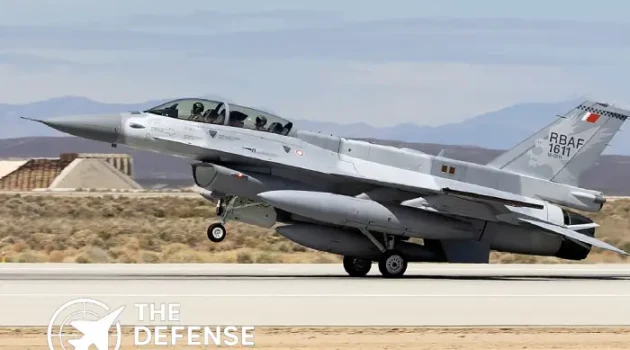
Peru F 16V Block 70 Fighter Deal Signals Strategic Shift
Peru is set to acquire 24 F 16V Block 70 fighter jets, overturning a previous tender that selected Sweden’s Saab Gripen, according to multiple defense and government sources. The decision marks a significant shift in Lima’s defense procurement strategy, emphasizing long term logistics support, financing flexibility, and closer military ties with the United States over upfront acquisition cost.
An official announcement is expected after Peru’s 2026 general elections, with the total value of the program estimated at approximately 7 billion dollars.
Peru Reverses Gripen Decision
Peru’s original fighter competition favored Saab’s Gripen E, largely due to its lower acquisition cost and competitive operating expenses. However, senior defense and government officials have since reassessed the broader implications of the selection, particularly in terms of sustainment, interoperability, and strategic alignment.
The revised decision reflects growing interest in a comprehensive US backed package that extends beyond aircraft delivery. The F 16V Block 70 offer reportedly includes long term logistics support, training pipelines, weapons integration, and access to Foreign Military Financing options unavailable under the Swedish proposal.
Defense analysts note that lifecycle support and fleet availability have become decisive factors for air forces facing aging inventories and constrained maintenance infrastructure.
Strategic Weight of the F 16V Block 70
The F 16V Block 70 represents the most advanced new production variant of the Fighting Falcon, featuring the AN APG 83 active electronically scanned array radar, advanced mission computers, and a modernized electronic warfare suite. The platform is already in service or on order with multiple US partners, including Taiwan, Slovakia, Bulgaria, and Morocco.
For Peru, the selection offers immediate interoperability with US and regional partners, access to a global sustainment ecosystem, and compatibility with a wide range of US and NATO standard munitions. While Peru is not a NATO member, alignment with US operated systems significantly reduces long term operational risk.
The aircraft would replace Peru’s aging MiG 29 and Mirage 2000 fleets, both of which face increasing maintenance challenges and limited upgrade paths.
Financing and Logistics Drive the Decision
Despite Gripen’s lower sticker price, officials involved in the process have emphasized that the US offer provides stronger financing mechanisms, predictable sustainment, and deeper institutional support. Foreign Military Sales structures typically include long term training, spare parts pipelines, and upgrade access that smaller suppliers struggle to match at scale.
The United States also offers political backing and continuity across decades, a factor increasingly valued by air forces seeking to avoid supply chain disruptions and platform orphaning.
Industry observers point out that several Latin American air forces have recently prioritized proven platforms with established logistics networks over newer but less widely supported alternatives.
Major Non NATO Ally Status Looms
The move aligns with expectations that Peru may soon be designated a Major Non NATO Ally of the United States, a status that would formalize defense cooperation and expand access to US military technology, financing, and training programs.
Such a designation would further reinforce the logic behind selecting a US built fighter and could open the door to additional cooperation in intelligence sharing, joint exercises, and regional security initiatives.
While Peruvian officials have not formally confirmed the timeline, defense sources indicate the designation is actively under consideration in Washington.
Regional and Geopolitical Implications
Peru’s decision adds to a growing trend of Latin American air forces deepening defense ties with the United States amid rising concerns over fleet readiness, regional security, and long term sustainment costs.
The acquisition would position Peru among the most capable air forces in South America, improving air policing, maritime strike, and deterrence capabilities. It also reinforces US influence in a region where European and non Western suppliers have sought to expand their footprint.
For Saab, the reversal underscores the challenges European manufacturers face when competing against US backed strategic packages rather than standalone aircraft offers.
What Comes Next
Final contract negotiations and congressional notifications are expected to follow Peru’s 2026 elections. If approved, aircraft deliveries would likely begin in the late 2020s, subject to production slots and training timelines.
Until a formal announcement is made, both governments are expected to remain cautious in public statements. However, defense and industry sources view the outcome as largely settled.
Get real time update about this post category directly on your device, subscribe now.