
GCAP Fighter Program Gains Financial Momentum
The GCAP fighter program is moving forward as the United Kingdom begins unlocking funding to sustain development of its next-generation combat aircraft.
British officials are working through internal budget processes to ensure steady financial support for the Global Combat Air Programme, a trilateral initiative with Japan and Italy aimed at delivering a sixth-generation fighter by 2035.
The funding progress comes at a critical stage, as partner nations transition from early concept work toward more intensive development and industrial alignment.
- The UK is finalizing funding mechanisms to sustain the GCAP sixth-generation fighter program.
- GCAP is a trilateral effort between the UK, Japan, and Italy targeting service entry by 2035.
- The program aims to replace aging Eurofighter Typhoon fleets and maintain advanced air superiority.
- Funding flows are beginning despite broader UK defense budget pressures and fiscal constraints.
- GCAP represents one of the most ambitious multinational combat aircraft programs in Europe.
The Big Picture
Europe is accelerating efforts to field sixth-generation air combat systems as global competition intensifies. The GCAP fighter program reflects a broader shift among U.S. allies to maintain technological parity with emerging threats, particularly in the Indo-Pacific and Euro-Atlantic theaters.
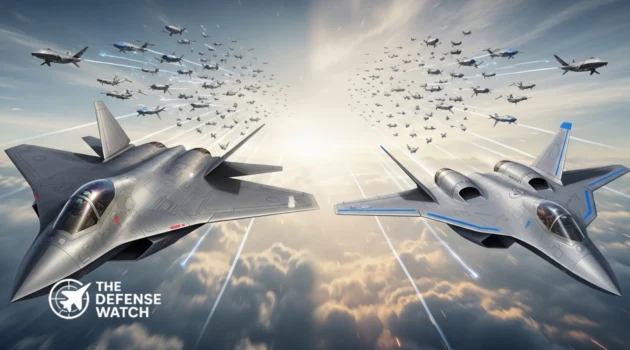
The United States continues to advance its own Next Generation Air Dominance program, while France, Germany, and Spain are pursuing the Future Combat Air System. GCAP positions the UK and its partners as a parallel center of advanced combat aviation development.
The program also reinforces defense industrial cooperation between Europe and Asia, linking British and Italian aerospace capabilities with Japan’s growing defense technology base.
What’s Happening
The UK government has begun allocating funding streams to sustain GCAP development, even as it navigates broader fiscal pressures within its defense budget.
Officials are reportedly refining how funding will be structured over the coming years, ensuring predictable investment for industry partners. This includes major defense contractors responsible for propulsion, avionics, and advanced sensors.

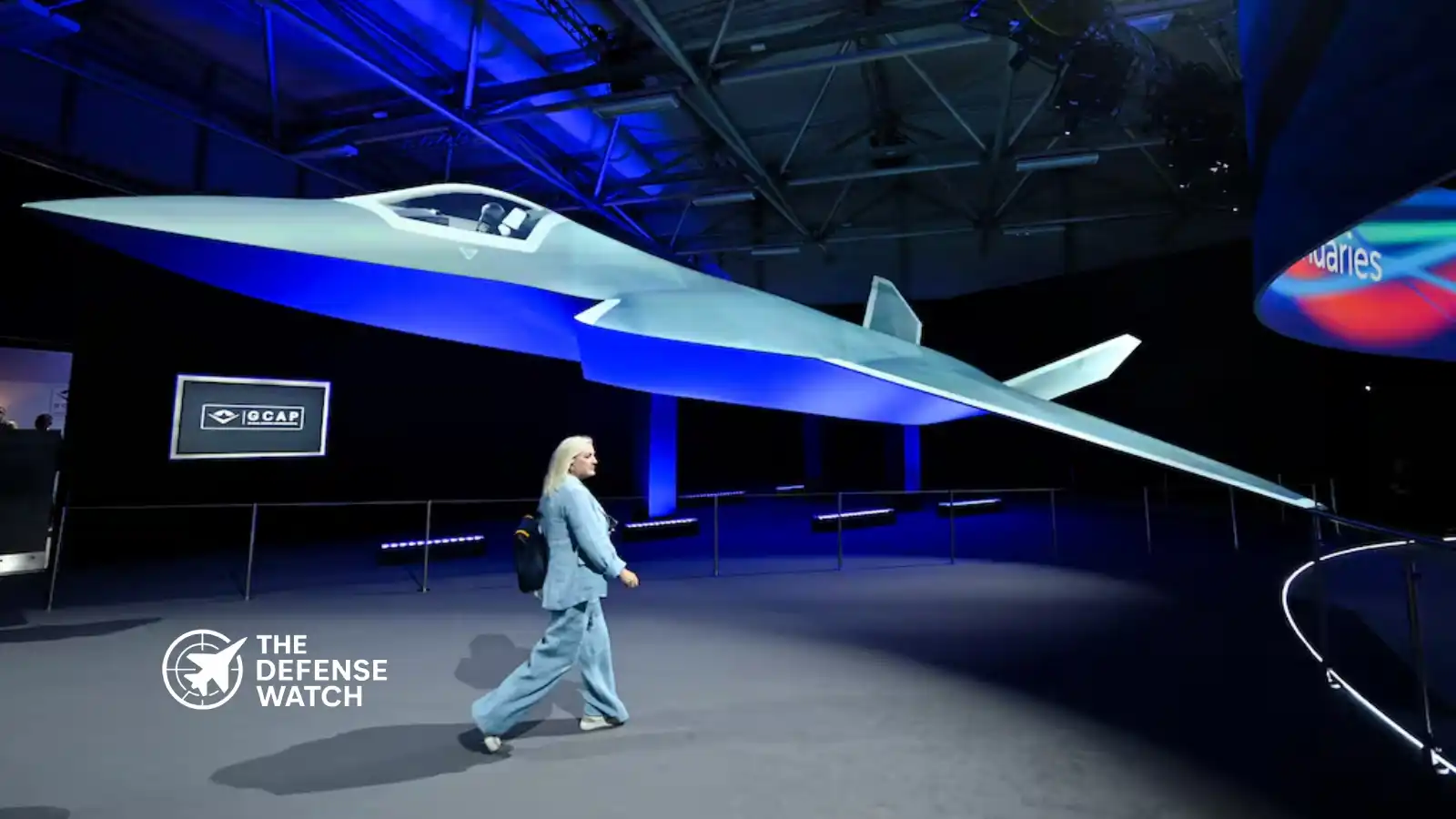
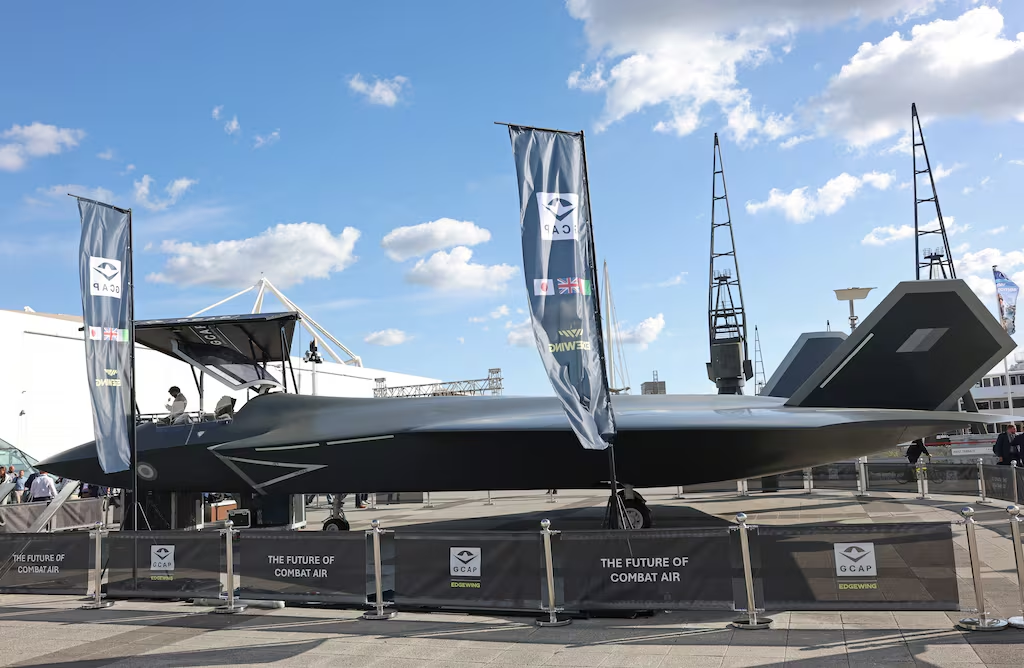
A design model for the Global Combat Air Programme (GCAP) fighter jet is displayed at the Defence and Security Equipment International (DSEI) arms fair in London on Sept. 9, 2025. (Reuters/Toby Melville) GCAP remains a joint effort between the United Kingdom, Japan, and Italy, formally announced in 2022. The program aims to deliver a stealthy, networked, and highly survivable fighter aircraft capable of operating in contested environments.
The target in-service date remains 2035, a timeline that requires sustained funding discipline across all partner nations.
Why It Matters
Stable funding is the single most critical factor in determining whether the GCAP fighter program meets its timeline.
Sixth-generation fighters require long development cycles, often spanning more than a decade. Any disruption in funding can delay key milestones such as prototype testing, systems integration, and production ramp-up.
The UK’s effort to secure financing signals political commitment to maintaining sovereign and allied airpower capabilities. It also reassures industry partners that the program will not face near-term cancellation risks.
This is particularly important given the scale of investment required, which is expected to reach tens of billions of dollars over the program’s lifecycle.
Strategic Implications
GCAP strengthens NATO-aligned airpower by ensuring that European allies retain access to advanced combat aircraft beyond the current generation.
The program enhances deterrence by signaling that partner nations are willing to invest in high-end capabilities designed for peer conflict scenarios. These include advanced stealth, sensor fusion, artificial intelligence-assisted decision-making, and collaborative combat with unmanned systems.
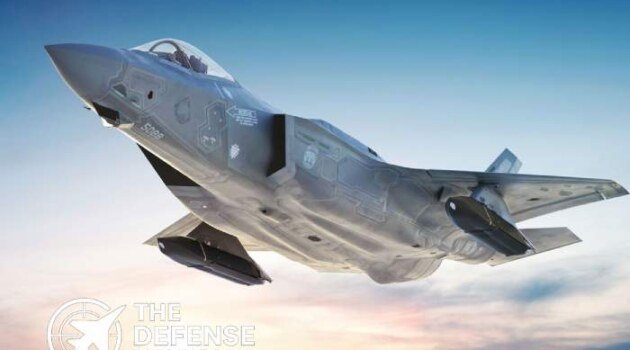
GCAP also diversifies the global fighter market, reducing reliance on U.S.-built platforms such as the F-35. While interoperability with U.S. systems remains essential, independent development gives allies greater operational flexibility.
Competitor View
China and Russia are likely to view the GCAP fighter program as part of a broader Western effort to sustain technological superiority in air combat.
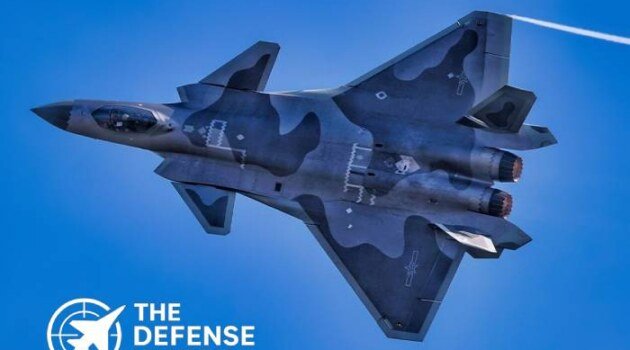
China is advancing its own next-generation fighter concepts alongside existing fifth-generation platforms like the J-20. Russia continues work on programs such as the Su-57 and future designs, despite industrial and financial constraints.
From Beijing’s perspective, GCAP’s integration with Japan introduces a direct Indo-Pacific dimension, potentially affecting regional military balances.
What To Watch Next
Program milestones over the next several years will determine whether GCAP stays on track.
Observers should monitor prototype development timelines, engine testing progress, and the establishment of joint industrial structures among the three partner nations.
Funding stability across all partners will remain a key indicator. Any divergence in national priorities could affect the program’s schedule or scope.
Formal contracts, industrial workshare agreements, and technology demonstrations are expected to accelerate as the program moves deeper into development.
Capability Gap
The GCAP fighter program aims to close a growing capability gap in advanced air combat.
Current fourth-generation platforms such as the Eurofighter Typhoon face limitations in contested environments dominated by advanced air defenses and electronic warfare systems.
Fifth-generation aircraft address many of these challenges, but sixth-generation systems are expected to go further by integrating manned-unmanned teaming, enhanced stealth, and real-time data fusion across multiple domains.
However, the program faces inherent risks. These include cost growth, technological complexity, and the challenge of coordinating three national defense industries with differing requirements.
The Bottom Line
The UK’s move to secure funding for the GCAP fighter program signals firm commitment to sixth-generation airpower and reinforces allied efforts to maintain long-term air superiority.
Get real time update about this post category directly on your device, subscribe now.





This website uses cookies to improve your experience. We'll assume you're ok with this, but you can opt-out if you wish. Accept Read More