
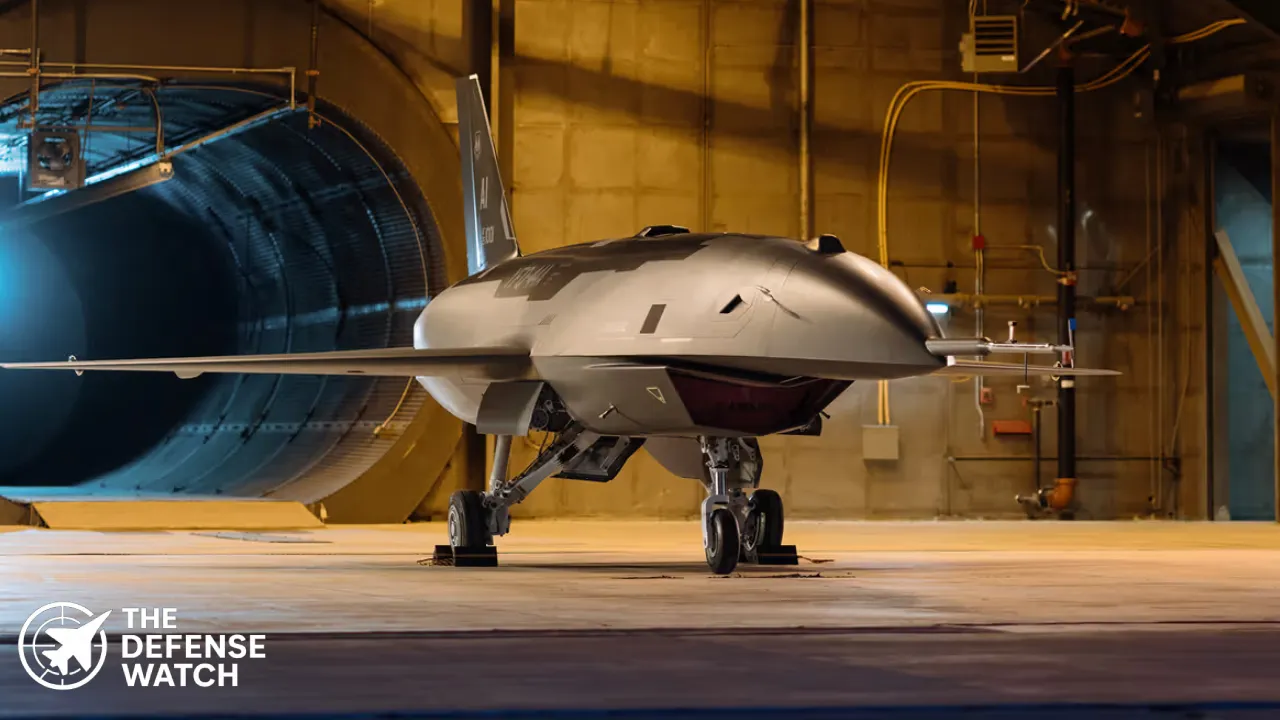
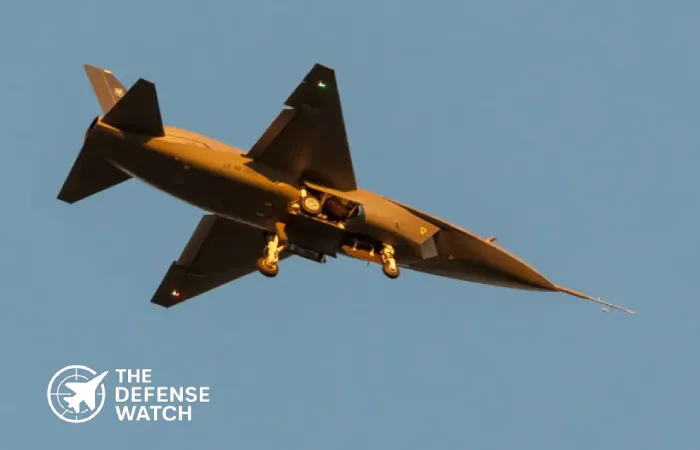
Anduril’s YFQ-44A Drone Wingman Completes First Flight in Key CCA Milestone
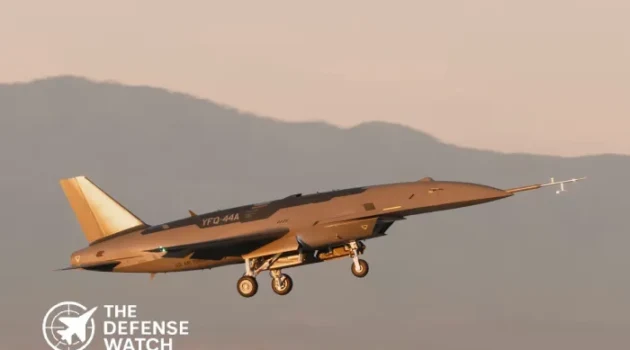
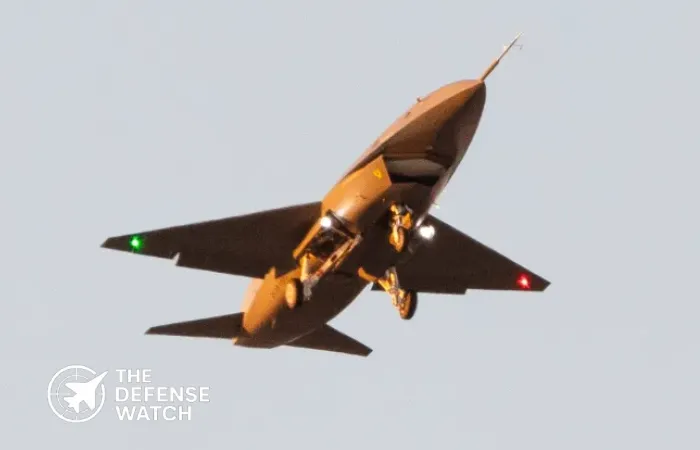
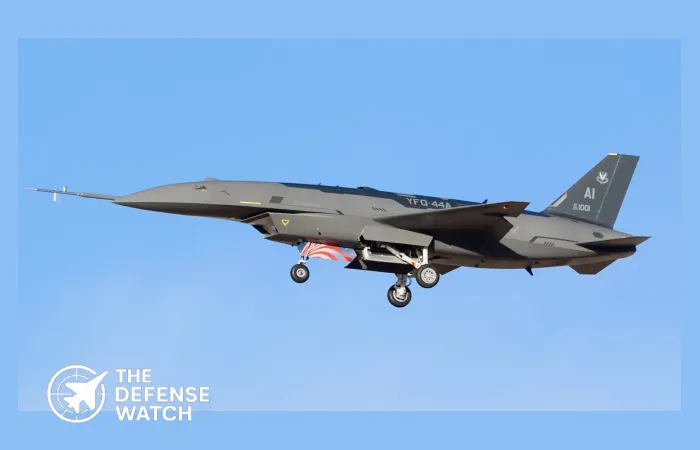
Anduril Industries has successfully conducted the first flight of its YFQ-44A autonomous drone, marking a major milestone in the U.S. Air Force’s Collaborative Combat Aircraft (CCA) program. The company confirmed the achievement this week, noting that the prototype performed as expected during its inaugural sortie at a U.S. test range.
A Milestone for the CCA Program
The YFQ-44A is one of the Air Force’s leading prototypes under development for the CCA effort—an initiative designed to field autonomous “loyal wingman” aircraft capable of operating alongside crewed fighters such as the F-35A and next-generation platforms. The successful flight demonstrates steady progress toward developing unmanned systems that can conduct sensing, strike support, electronic warfare, and distributed operations.
According to Anduril, the test flight validated core aerodynamics, autonomy software, and safety architectures that will inform later risk-reduction phases. While specific flight parameters were not disclosed, the company described the data collected as “high-quality and mission-relevant.”
Background: The Rise of Autonomous Combat Aviation
The CCA program is one of the U.S. Air Force’s most ambitious modernization efforts. The initiative seeks to introduce an operational fleet of affordable, expendable, and highly autonomous drones that can support or augment piloted aircraft during combat missions. These systems are designed to be modular, AI-enabled, and adaptable to a range of missions—from reconnaissance to kinetic engagements.

Anduril’s YFQ-44A is part of a competitive field that includes multiple defense contractors working on parallel CCA prototypes. The Air Force expects operational platforms to enter service later in the decade, with the first production awards anticipated within the next few years.
Technical Features and Development Goals
While detailed specifications of the YFQ-44A remain undisclosed for security reasons, Anduril has emphasized several foundational design principles:
- Autonomous mission execution: The drone is built to operate with limited human supervision, leveraging advanced onboard processing and AI-driven decision-making.
- Open-architecture mission systems: The platform is designed to support rapid payload integration and capability upgrades.
- Cost-efficient production: CCA systems must be affordable at scale, enabling the Air Force to field them in large numbers for distributed operations.
The company stated that the first flight marks the beginning of a broader series of test sorties focused on validating control laws, sensor integration, and collaborative behaviors between unmanned and manned aircraft.
Industry and Air Force Perspectives
U.S. Air Force officials have repeatedly emphasized the importance of the CCA initiative in future air warfare concepts. The service envisions operational units deploying multiple autonomous wingmen per crewed aircraft, enabling greater mission flexibility, survivability, and target coverage.
Defense industry analysts note that Anduril’s rapid development approach—leveraging digital engineering, modular systems, and commercial software practices—positions the company as a disruptive competitor in the traditionally hardware-driven aerospace sector.
The YFQ-44A’s flight also illustrates the Air Force’s shift toward fielding systems at a faster pace, echoing recent service guidance prioritizing speed over extended development timelines. Industry experts say that early flight demonstrations help reduce program risk and strengthen the company’s position in future down-select phases.
What Comes Next
With the first flight completed, Anduril will now proceed with envelope expansion, integrated payload testing, and multi-vehicle autonomy trials. The company plans to increase flight tempo as the program advances toward more complex demonstrations, including teaming operations with crewed fighters and other CCA prototypes.
The Air Force has indicated that the next major step for the CCA program will involve selecting companies for low-rate production development, following competitive evaluations of autonomy performance, cost, mission adaptability, and manufacturing readiness.
The YFQ-44A’s successful first flight brings the service closer to fielding autonomous wingmen capable of supporting combat airpower in contested environments—an operational shift that could reshape U.S. aerial warfare strategy in the years ahead.
Get real time update about this post category directly on your device, subscribe now.


6 comments
[…] AFB to the maintenance facility at Northrop Grumman in Palmdale, California. This move marked a key milestone toward full structural […]
[…] key part of the demonstration was the use of a live Infrared Search and Track sensor supplied by Anduril to passively detect and range the piloted target aircraft. Based on that data, the onboard autonomy […]
[…] Loyal Wingman Compatibility: GCAP will command and control unmanned combat air vehicles (UCAVs) functioning as “loyal wingmen,” extending sensor range and weapon deployment options. […]
[…] reliably with the Albatroz Vortex airframe. This real-world validation is essential for jet-powered UAV programs because it tests aerodynamic and structural integration that cannot be fully replicated in ground […]
[…] Key characteristics highlighted by Anduril include extended range, autonomous navigation, and the ability to operate with limited or no direct human control for long periods. These features align closely with U.S. Navy and broader Department of Defense requirements for distributed sensing and persistent maritime awareness. […]
[…] and cost than previous aircraft generations due to their integration of artificial intelligence, loyal wingman drones, combat cloud networks, and advanced stealth […]