The United States Space Force (USSF) confirmed that it has awarded 18 Other Transaction Authority (OTA) contracts for space-based interceptor (SBI) technology under the Golden Dome initiative.
The move marks the first concrete contract awards in what the USSF described as a “fast-paced effort” to build and deploy a space-based missile defense layer.
Context: What Is Golden Dome
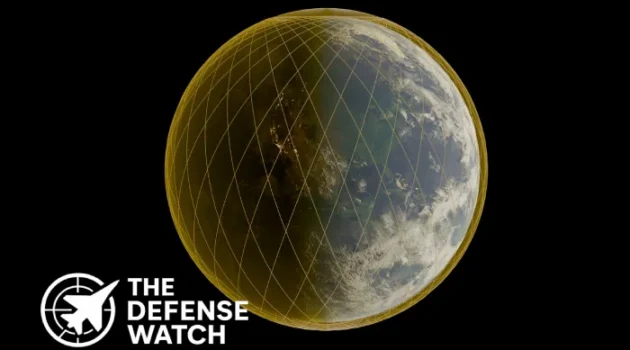
Golden Dome is a sweeping U.S. missile defense plan that aims to build a multi-layer shield combining satellites, interceptors, sensors, and ground-based systems.
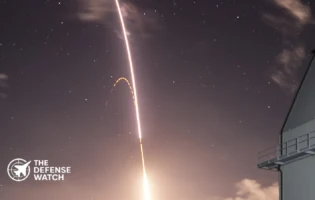
Its purpose is to detect, track, and intercept ballistic, hypersonic, and other missile threats – potentially during their boost phase or in long-range flight.
Under Golden Dome, the SBI element refers to satellites or space-based platforms equipped with interceptors capable of neutralizing missiles early, shortly after launch — a major shift from traditional ground-based or sea-based missile defense.
Since its public unveiling in 2025, Golden Dome has drawn comparisons to earlier strategic plans that envisioned orbital defense — but modern threats such as hypersonic missiles have given the proposal renewed urgency.
Details of the Contract Awards
First Major Step in SBI Prototyping
According to USSF officials, the 18 OTA contracts cover the development of prototype SBIs and related systems including command, control, and fire-control software.
The procurement is structured under a competitive Other Transaction Agreement process, allowing greater flexibility than traditional acquisition, especially for cutting-edge space technologies.
USSF did not publicly name all winning contractors, citing enhanced security measures tied to the sensitive nature of the program.
However, sources familiar with early Golden Dome contracts indicate firms such as Lockheed Martin, Northrop Grumman, Anduril Industries, and True Anomaly were among the initial contractors selected.
System Architecture and Additional Work Streams
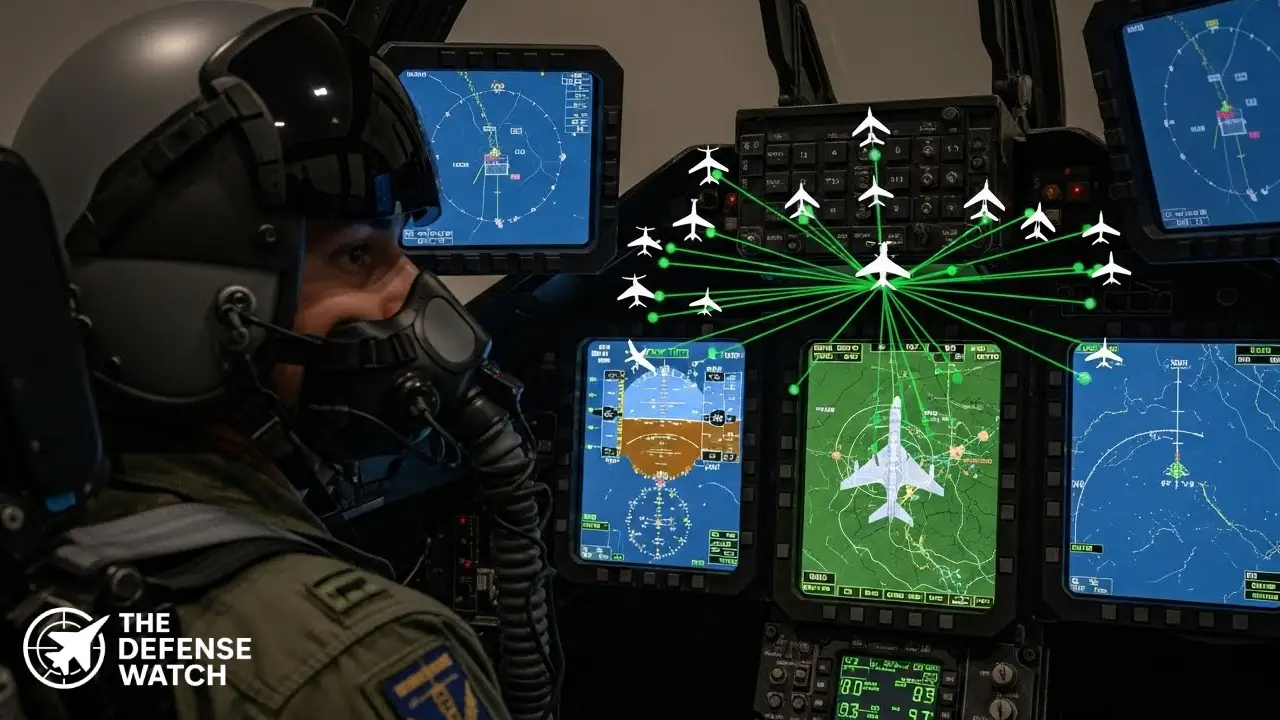
Beyond interceptors, Golden Dome’s architecture also calls for expanded capabilities in sensing, data transport, missile warning and tracking, and integration of fire-control networks to coordinate launches.
USSF says more contracts for these sensing, tracking, and communication layers are forthcoming as the program advances.
According to public reporting, these initial interceptor contracts may be modest in size — some reportedly worth as little as around $120,000 per prototype for ground demonstrations.
Yet the larger prize lies ahead: afterward, successful bidders could compete for full production contracts worth billions annually.
Additionally, firms like Lockheed Martin have indicated they plan to conduct an on-orbit interceptor demonstration by 2028 as part of Golden Dome.
Significance: What This Means for U.S. Missile Defense
This round of contracts represents a transition in U.S. missile defense strategy — from mostly ground- or sea-based systems to a space-based, globally persistent shield. The SBI layer aims to give the U.S. the ability to strike ballistic or hypersonic threats early, ideally in their boost phase, lowering the risk of impact on the homeland.
By issuing 18 contracts, USSF signals serious commitment to rapidly advancing the technology. The mixed roster of legacy defense firms (Lockheed, Northrop) plus newer “commercial space” players (Anduril, True Anomaly) reflects a shift toward faster, more innovative procurement approaches.
Development of accompanying sensor, tracking and command-control capabilities suggests Golden Dome is envisioned not as a narrow add-on, but as a fully integrated architecture that fuses orbital interceptors with real-time missile warning and data infrastructure.
Challenges and What Comes Next
Despite the milestone, significant technical and programmatic challenges remain. Deploying effective SBIs will require accurate missile detection, tracking, targeting, and kill capability — a tall order in space, especially against highly maneuverable hypersonic missiles.
Furthermore contract values to date are small, and the true cost of prototyping, on-orbit testing, and fielding a global constellation could be enormous. Public estimates for full implementation run as high as hundreds of billions of dollars over decades.
Still, the 18 new awards represent progress. USSF may soon add more contracts for sensing satellites, data networks, and fire-control systems. Companies will begin building prototypes, possibly followed by on-orbit tests as early as 2028.
As the architecture matures, observers will be watching closely to see whether SBIs can live up to the ambitious promises of Golden Dome, and whether the vision of a global orbital shield will reshape deterrence.