

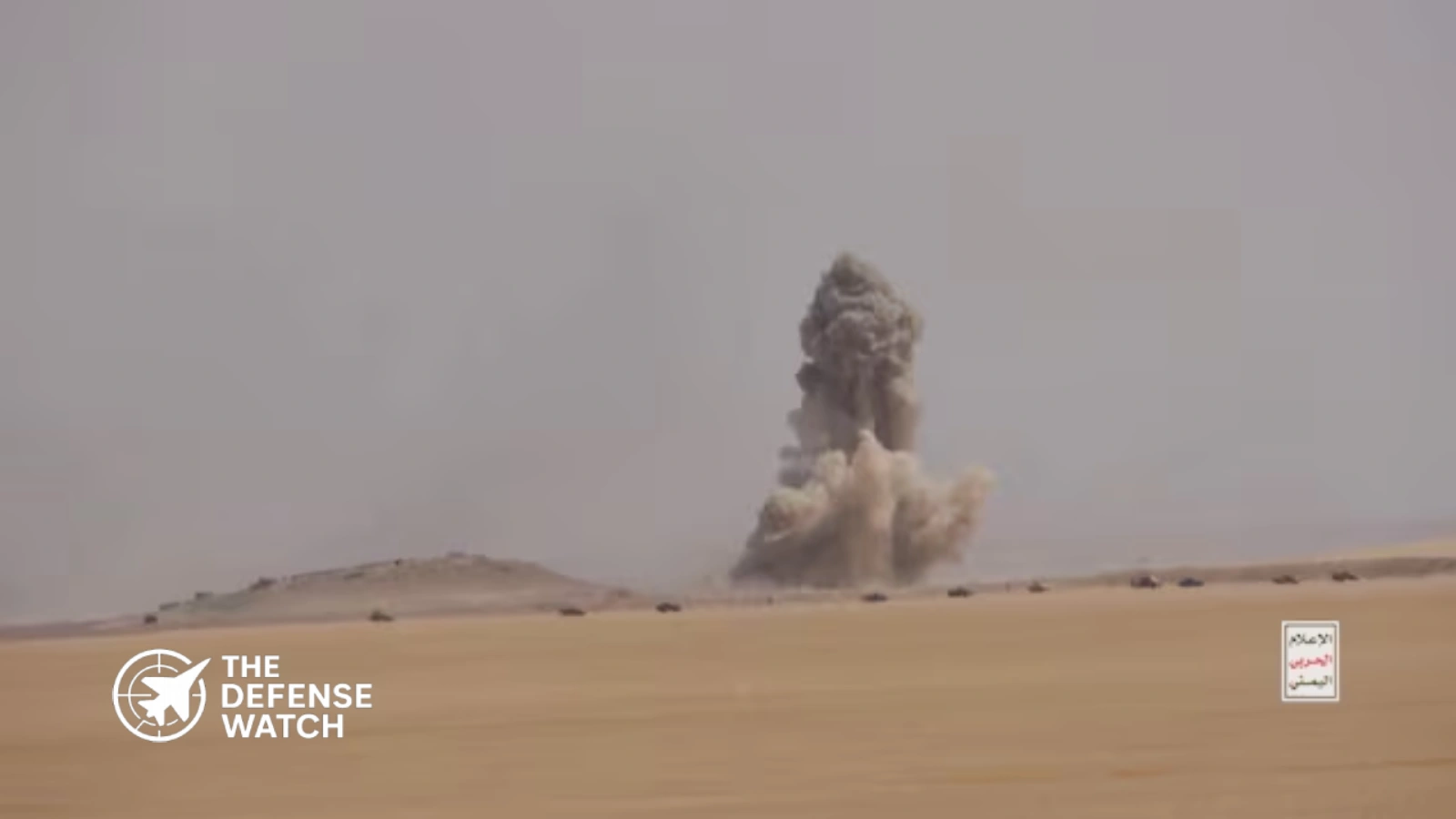
The interception comes amid a renewed wave of Houthi attacks against Saudi targets and rising security concerns around critical infrastructure and airspace.
Takeaways
Saudi Arabia says its air defenses intercepted a Houthi drone south of Mecca before it entered the city’s prohibited airspace, while Houthi officials deny targeting the holy city.
Saudi Air Defenses Intercept Houthi Drone Near Mecca
Saudi air defenses destroyed a Houthi drone south of Mecca before it entered the holy city’s prohibited airspace, according to Saudi-led coalition spokesman Maj. Gen. Turki al-Malki. The interception took place Tuesday evening and was reported by Saudi authorities on Wednesday, Sept. 16.
The incident comes as Saudi Arabia faces a renewed series of attacks linked to the Yemen conflict. Reuters reported that the latest interception occurred during a broader escalation involving Houthi attacks on Saudi targets and growing security concerns across the region.
Saudi authorities said the drone was destroyed before entering Mecca’s restricted airspace. The Saudi account identifies the incident as a significant air defense engagement because of the location near one of Islam’s holiest cities.
Saudi Account Of The Interception
According to the Saudi-led coalition, the drone was detected south of Mecca and intercepted before it could enter prohibited airspace.
Saudi Arabia has not publicly identified the drone’s specific model, launch location, payload, flight path or the air defense system used to destroy it. Those details remain undisclosed.
That distinction is important because the available reporting establishes the interception, but does not provide enough technical information to determine the exact type of unmanned aircraft or the specific interceptor used.
Saudi Press Agency reporting confirms that the Royal Saudi Air Defense Forces intercepted and destroyed the drone while it was attempting to enter the airspace of Makkah.
Houthis Deny Targeting Mecca
Houthi officials have denied that the group targeted Mecca.
Reuters reported that Mohammed al-Farah, a member of the Houthi political bureau, rejected the Saudi allegation and said the claim was false in comments carried by the Houthi-run SABA news agency.
As a result, the available evidence supports reporting that a drone was intercepted south of Mecca and that Saudi authorities attributed it to the Houthis. The stated intention to target the holy city remains disputed.
That distinction should remain clear in coverage because the Saudi and Houthi accounts differ on the intended target.
Why The Location Matters
Mecca is home to the Grand Mosque and is the destination for millions of Muslim pilgrims. Saudi authorities have therefore maintained stringent security restrictions around the city and its airspace.
Al-Malki described Mecca’s security as a red line, according to Reuters.
The reported interception also illustrates a broader challenge for Saudi air defenses. Unmanned aircraft can provide an attacking force with a relatively low-cost way to threaten infrastructure, military facilities and population centers.
For the defender, the problem involves more than simply destroying individual drones. A modern counter-drone architecture generally depends on early detection, tracking, identification and the selection of an appropriate defeat mechanism.
The Saudi government has not disclosed enough information about this particular engagement to establish which combination of sensors, command-and-control systems or interceptors was involved.
Saudi Arabia Faces Wider Drone And Missile Threats
The Mecca incident follows other attacks involving Saudi territory.
Reuters reported that Houthi forces announced attacks against Saudi targets during the previous week, including an attack on an air base on Monday. Saudi coalition officials said that attack wounded 13 civilians.
The renewed attacks come after years in which fighting between Saudi Arabia and the Houthis had substantially declined under a ceasefire and reduced cross-border hostilities.
Reuters reported that the conflict has intensified again after Houthi forces pushed back forces aligned with Yemen’s internationally recognized government earlier this month. Saudi Arabia has subsequently become more directly involved in the renewed fighting.
The security challenge also extends beyond individual military installations.
Saudi Arabia recently reported attacks against its East-West Pipeline, a major oil transportation route connecting production areas in the kingdom’s east with the Red Sea. Saudi authorities attributed that attack to drones launched from Iraq and said the strikes caused casualties and damage.
These incidents demonstrate why Saudi air defense requirements extend across a large geographic area and include both conventional military targets and critical infrastructure.
Air Defense Implications
The latest Saudi air defenses interception provides a useful example of the operational value of layered air defense around sensitive locations.
A drone approaching a protected area can be difficult to defeat if it remains undetected until the final stages of its flight. Effective defense therefore depends on creating enough detection and engagement opportunities before the aircraft reaches its protected target area.
The available reporting does not establish how far from Mecca the drone was detected or how long the Saudi defense network tracked it before engagement.
It also does not identify whether the engagement relied on a surface-to-air missile, gun-based system, electronic warfare equipment or another counter-unmanned aircraft method.
That information gap prevents a reliable assessment of the technical performance of the specific Saudi system involved.
Nevertheless, the successful interception indicates that Saudi Arabia’s air defense network was able to detect and defeat the reported unmanned threat before it entered the restricted airspace over Mecca.
The 2017 Precedent
The latest incident follows a previous Houthi missile launch toward the Mecca area in 2017.
Reuters reported that al-Malki described the September 2026 drone interception as the second Houthi attempt to target Mecca following a ballistic missile launch in July 2017.
Saudi Press Agency reporting from July 2017 also documented the interception of a ballistic missile launched toward the Mecca region.
The two incidents differ technically. The 2017 incident involved a ballistic missile, while the latest reported engagement involved an unmanned aircraft. That difference matters for air defense because drones and ballistic missiles present different detection, tracking and engagement challenges.
What Comes Next
The immediate operational significance of the latest incident is that Saudi air defenses prevented the reported drone from entering Mecca’s prohibited airspace.
The longer-term significance will depend on whether similar attacks continue and how Saudi Arabia adapts its counter-drone and wider air defense architecture.
Saudi authorities have not released technical details about the intercepted aircraft or the weapon system that destroyed it. Without those details, claims about the drone’s capabilities, payload or intended mission cannot be independently established from the current reporting.
For now, the confirmed picture is narrower: Saudi authorities say a Houthi drone was intercepted south of Mecca on Tuesday evening, the drone was destroyed before entering restricted airspace, and Houthi officials deny that Mecca was the intended target.
The incident adds another layer to an increasingly complex air defense environment in Saudi Arabia, where military sites, major cities and energy infrastructure are all exposed to different forms of unmanned and missile threats.
