
Takeaways
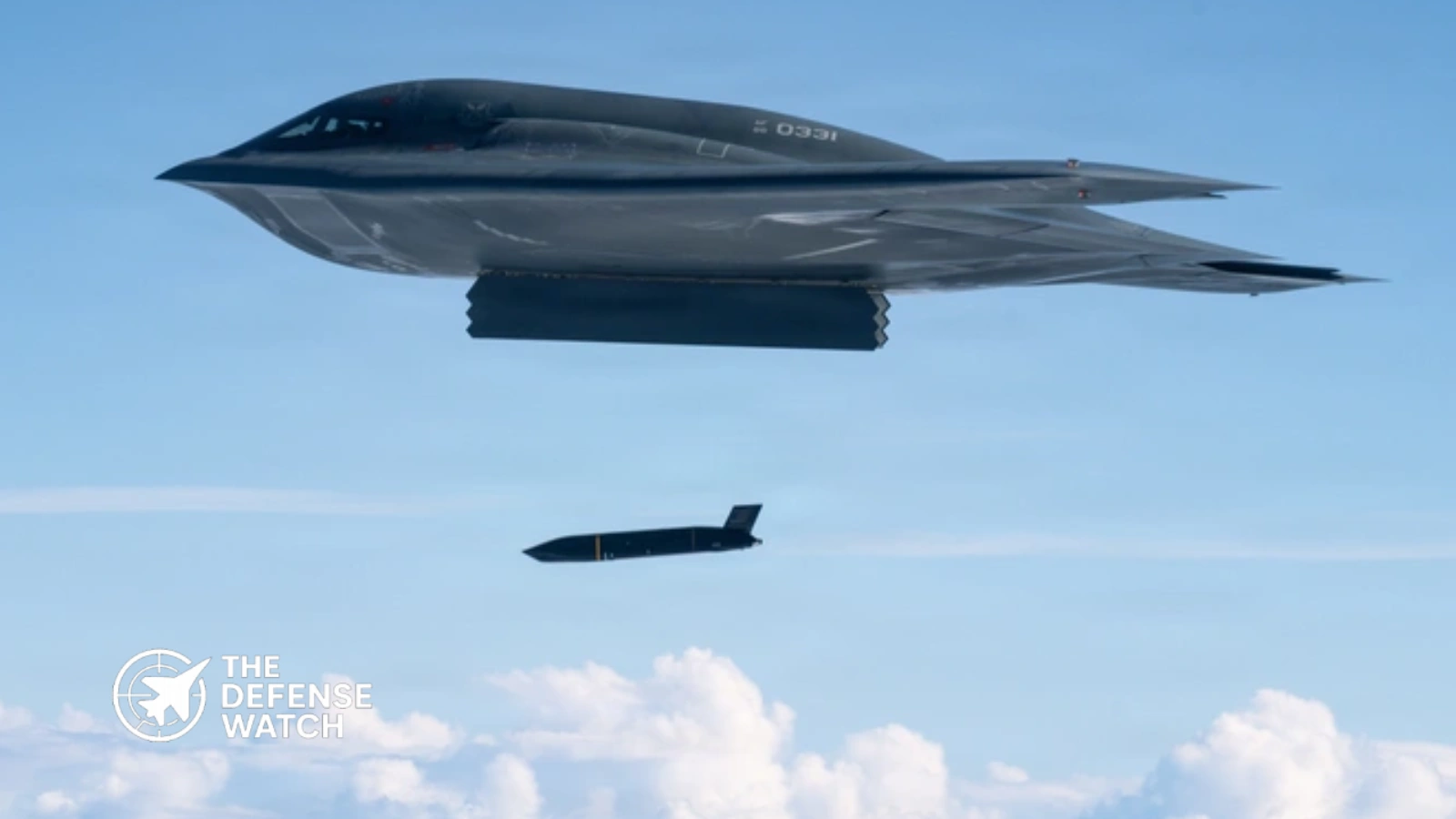
The latest contract modification continues the U.S. large lot procurement strategy for JASSM and LRASM while supporting higher production capacity for two closely related long-range strike weapons.
Lockheed Martin Receives $825.98 Million JASSM and LRASM Contract Modification
Lockheed Martin Missiles and Fire Control has received an $825,975,480 contract modification for JASSM and LRASM large lot procurement, according to the U.S. Department of Defense contract announcement. The modification, designated P00020 under contract FA8682-24-C-B001, increases the cumulative face value of the contract to $10,480,052,550 from $9,654,077,070.
- Takeaways
- Lockheed Martin Receives $825.98 Million JASSM and LRASM Contract Modification
- Contract Modification and Funding
- JASSM and LRASM Share a Common Production Base
- JASSM Provides Long-Range Air-to-Surface Strike
- LRASM Extends the Same Architecture Into Maritime Warfare
- Why the Large Lot Strategy Matters
- Production Capacity Is Becoming a Strategic Requirement
- Strategic Implications for U.S. Long-Range Strike
- What the $10.48 Billion Contract Signals
- Contract Details at a Glance
- Bottom Line
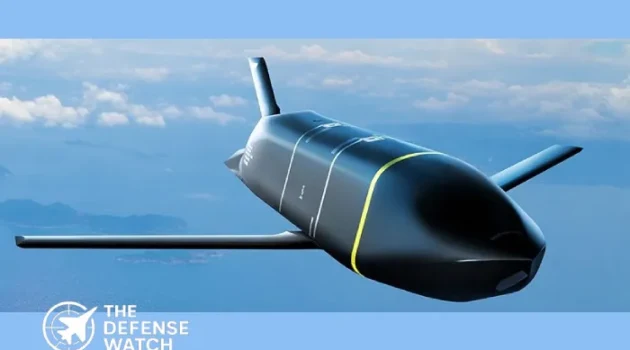
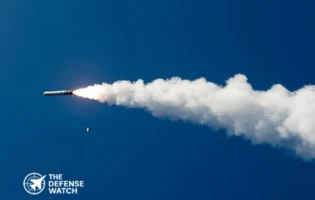
The award continues a U.S. procurement effort centered on the AGM-158 family of long-range cruise missiles, which includes the Joint Air-to-Surface Standoff Missile and the Long Range Anti-Ship Missile.
The contracting activity is the Air Force Life Cycle Management Center at Eglin Air Force Base, Florida. Work will be performed in Orlando, Florida, and is scheduled for completion on July 31, 2030.
Contract Modification and Funding
The latest modification represents roughly $826 million in additional contract value.
The award announcement identifies multiple funding sources, reflecting the joint-service and international demand associated with the JASSM and LRASM programs.
Funding Source Amount FY2024 missile procurement $2.15 million FY2024 Navy weapons procurement $1.45 million FY2025 Navy weapons procurement $219.51 million FY2025 missile procurement $0.38 million FY2026 missile procurement $72.77 million FY2026 Navy weapons procurement $49.22 million FY2026 research, development, test and evaluation $4.16 million FY2026 operations and maintenance $0.69 million Foreign Military Sales $11.07 million Total listed obligations $361.40 million The listed obligations therefore account for about $361.4 million at the time of award, while the full $825.98 million represents the value of the contract modification.
That distinction is important because contract face value and the amount obligated at award are not the same measure. The former reflects the modification’s contractual value, while the latter represents funding committed against the contract at that point.
JASSM and LRASM Share a Common Production Base
The procurement is significant because JASSM and LRASM are closely related weapons rather than independent missile programs.
The Air Force describes LRASM as being derived from the AGM-158B JASSM-ER and notes that the two weapons share more than 70% hardware commonality. They are also produced on the same assembly line.
This commonality allows procurement and manufacturing activities for the two missile families to be coordinated.
For the U.S. military, that arrangement has an important industrial-base advantage. Production resources, manufacturing equipment, suppliers and procurement planning can support both air-to-surface and anti-surface warfare requirements rather than being maintained as entirely separate production ecosystems.
The FY2026 Air Force procurement documentation specifically states that JASSM and LRASM are procured under the same large lot procurement contract. It identifies Lockheed Martin as the manufacturer and shows a combined FY2026 minimum sustained production rate of 396 missiles, although the allocation between JASSM and LRASM varies according to program requirements.
JASSM Provides Long-Range Air-to-Surface Strike
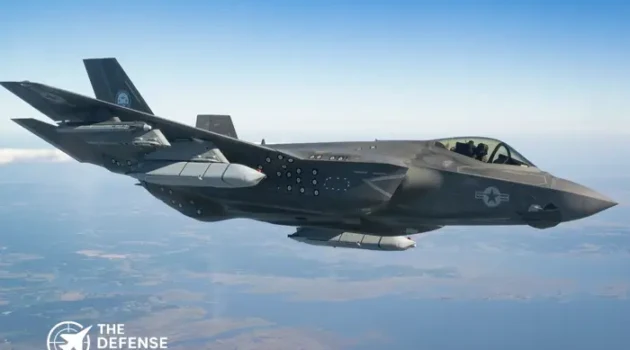
JASSM is designed to give U.S. and allied aircraft a standoff strike option against targets defended by sophisticated air-defense systems.
The weapon family includes multiple configurations, with the Air Force’s FY2026 procurement documentation identifying AGM-158B-2, AGM-158B-3 and AGM-158D variants within the program. The same documentation states that JASSM Lots 23 and 24 form part of the large lot procurement strategy.
Lockheed Martin identifies the AGM-158B-2 as incorporating upgrades including a modernized Missile Control Unit, updated software and the JASSM GPS Anti-Jam Receiver version 5.
The broader importance of the program is its role in providing aircraft with the ability to attack targets without relying on close approach to the target area.
That standoff function becomes increasingly important as the United States plans for operations against opponents equipped with layered integrated air-defense networks and long-range sensors.
LRASM Extends the Same Architecture Into Maritime Warfare
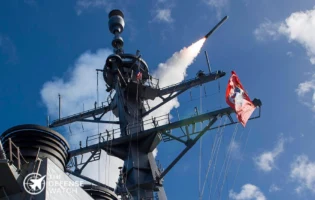
LRASM adapts the AGM-158 design lineage for a different operational problem: attacking high-value surface targets in contested maritime environments.
The Pentagon’s FY2026 weapons documentation describes LRASM as a Navy-led joint Navy and Air Force precision-guided anti-ship missile derived from JASSM-ER. It incorporates a multimodal sensor suite, weapons datalink, enhanced GPS anti-jam capabilities and a 1,000-pound penetrator/blast-fragmentation warhead.
LRASM achieved Early Operational Capability on the B-1B Lancer in December 2018 and on the F/A-18E/F Super Hornet in November 2019, according to the same Pentagon documentation.
The Navy is also procuring the LRASM C-3 Extended Range variant. The FY2026 budget documentation says C-3 includes rewritten software, an improved datalink and additional survivability features.
This gives the United States a weapon family capable of supporting both long-range land-attack and anti-surface missions while retaining significant commonality in production.
Why the Large Lot Strategy Matters
The latest award is part of a broader shift in U.S. weapons procurement toward increasing production capacity rather than treating individual missile lots as isolated purchases.
The Air Force’s FY2026 budget documents say the JASSM and LRASM multiyear procurement strategy was initiated under the Large Lot Procurement concept. The approach is intended to create efficiencies by coordinating production across related programs and using economic order quantities to buy materials in larger volumes.
That approach also addresses a less visible constraint on missile production: the supply chain.
The Air Force identifies long-lead materials, including microelectronics and rare-earth elements, as areas where advance procurement can reduce delivery risk and mitigate obsolescence.
This means a large contract is not simply a mechanism for ordering more completed missiles. It can also provide manufacturers and suppliers with the financial visibility needed to procure components, maintain tooling and expand manufacturing capacity.
Production Capacity Is Becoming a Strategic Requirement
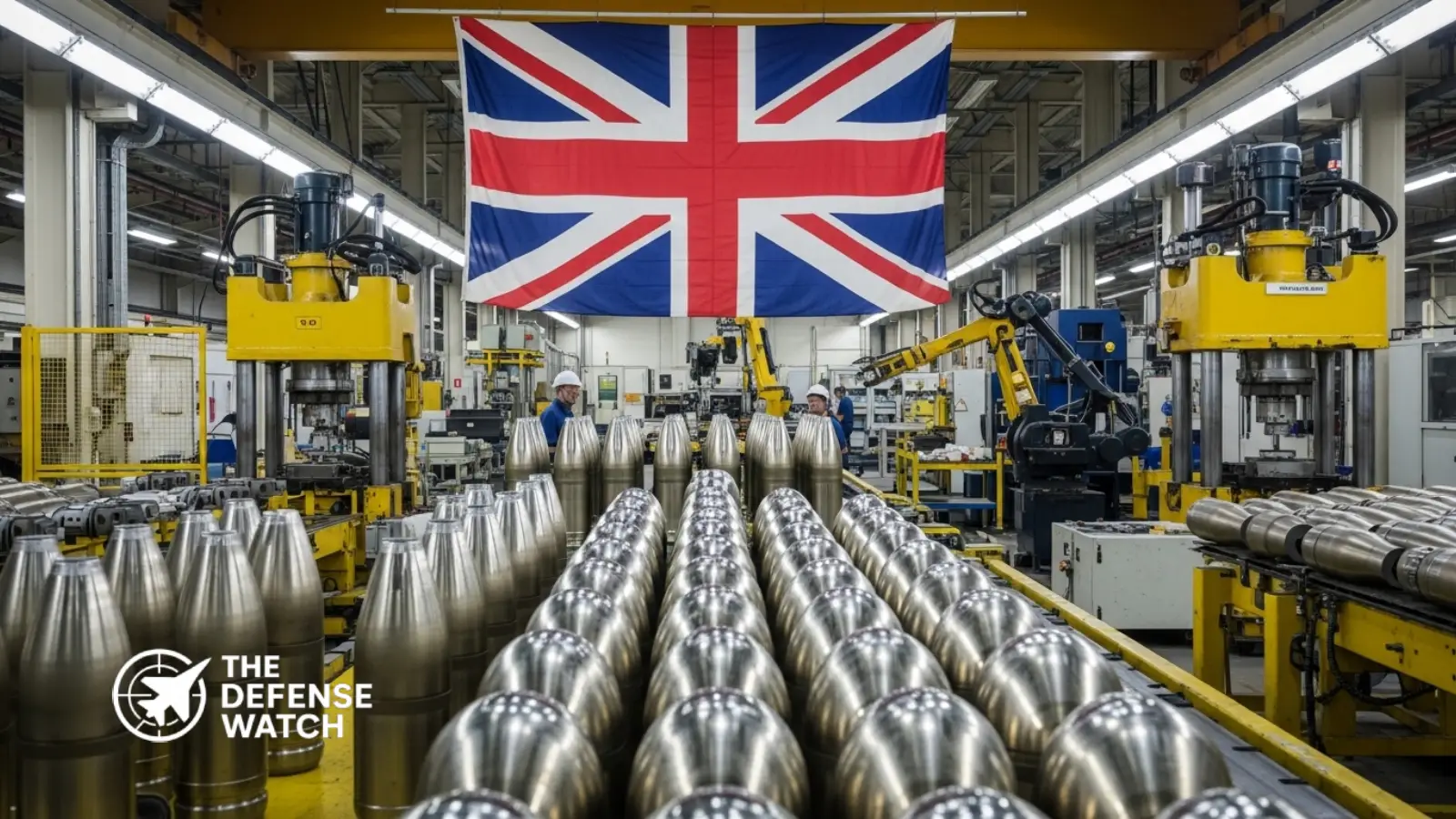
Lockheed Martin has been expanding its manufacturing infrastructure for JASSM and LRASM as U.S. demand increases.
The company said in 2024 that it had added a 225,000-square-foot advanced manufacturing facility to support higher production quantities. The facility includes automated manufacturing processes, a robotic paint line and factory-model forecasting capabilities.
The company’s more recent production information also identifies continued investment in supply-chain capacity and manufacturing infrastructure for JASSM and LRASM.
The production challenge is not limited to the final assembly line. Modern cruise missiles depend on a network of specialized suppliers producing electronics, propulsion components, guidance hardware, structures, warheads and other components.
A sustained increase in procurement therefore requires capacity across the supply chain rather than simply adding more assembly workers.
Strategic Implications for U.S. Long-Range Strike
The contract comes as the United States is placing greater emphasis on the ability to conduct precision strikes from outside the engagement zones of sophisticated adversary defenses.
JASSM contributes to the air-to-surface portion of that requirement, while LRASM addresses the maritime dimension.
The combination is particularly relevant to a U.S. force expected to operate across large geographic areas where aircraft and naval forces may need to engage targets at extended distances while facing increasingly capable sensors, electronic warfare systems and air defenses.
The production architecture also matters. A missile that is highly capable but difficult to replace at scale presents a different operational problem from a weapon supported by a mature, expanding industrial base.
The Pentagon’s procurement documents indicate that the U.S. government is therefore using multiyear procurement, large lot purchases and advance procurement mechanisms to improve production stability for these weapons.
What the $10.48 Billion Contract Signals
The increase in cumulative contract value to $10.48 billion should not be interpreted as a single-year purchase of missiles.
Instead, it reflects the scale of the broader procurement framework supporting JASSM and LRASM over multiple fiscal years.
The latest modification extends that procurement effort through July 2030, providing a long planning horizon for production and associated program activities.
The combination of large lot procurement, common production infrastructure and multiyear funding is intended to give the U.S. military greater access to long-range precision weapons while giving industry a clearer basis for maintaining and expanding manufacturing capacity.
For JASSM and LRASM, the central issue is therefore not simply how many missiles are purchased in one contract action. It is whether the U.S. defense industrial base can sustain the production rates required for a prolonged high-demand environment.
The latest Lockheed Martin award represents another step in that effort.
Contract Details at a Glance
Item Details Contractor Lockheed Martin Missiles and Fire Control Location Orlando, Florida Contract FA8682-24-C-B001 Modification P00020 Modification Value $825,975,480 Previous Cumulative Value $9,654,077,070 New Cumulative Value $10,480,052,550 Programs JASSM and LRASM Contracting Activity Air Force Life Cycle Management Center Contracting Location Eglin Air Force Base, Florida Expected Completion July 31, 2030 Funding Missile procurement, Navy weapons procurement, RDT&E, O&M and FMS Bottom Line
The $825.98 million JASSM and LRASM contract modification reinforces a U.S. strategy focused on maintaining and expanding production of long-range precision weapons.
JASSM and LRASM benefit from substantial design and manufacturing commonality, allowing the Air Force and Navy to use a shared industrial base for complementary land-attack and anti-surface missions.
The larger significance of the award is its connection to the U.S. military’s broader effort to increase munition availability. By combining large lot procurement with multiyear planning, advance material purchases and expanded manufacturing capacity, the program is structured to support sustained production rather than short-term procurement spikes.
With the cumulative contract value now exceeding $10.48 billion and work extending through July 2030, JASSM and LRASM remain central elements of the U.S. long-range conventional strike and maritime strike inventory.