Finland is expanding its ground-based air defense network as Nordic security cooperation and demand for protection against evolving aerial threats continue to grow.
- Takeaways
- Saab RBS 70 NG Deal Strengthens Finland Air Defense
- Finland Upgrades An Existing Air Defense Capability
- RBS 70 NG Adds Automatic Target Tracking
- Laser Guidance Provides An Alternative To Radio-Based Control
- Built For A Layered Air Defense Network
- Growing Nordic Demand For Ground-Based Air Defense
- What The Finland Order Means
Takeaways
Finland has ordered Saab’s RBS 70 NG short-range air defense system in a SEK 1.2 billion deal, upgrading a capability it has operated since 2008.
Saab RBS 70 NG Deal Strengthens Finland Air Defense
The Saab RBS 70 NG Finland deal gives the Finnish Defence Forces a new-generation short-range air defense capability under a contract worth SEK 1.2 billion, Saab announced August 28. The order was placed by the Finnish Defence Forces Logistics Command and represents an upgrade from the earlier RBS 70 system already used by Finland.
The contract also establishes a framework for potential additional purchases of RBS 70 NG systems, along with training, spare parts and maintenance equipment. Saab said the arrangement is intended to support Finland’s continued development of its ground-based air defense capability.
The announcement comes as Finland and Sweden deepen their defense cooperation. Reuters reported August 28 that Sweden would deploy Gripen fighter aircraft and a corvette to Finland through at least the end of 2026 to support territorial surveillance and defense. The report also noted Saab’s RBS 70 NG contract with Finland, placing the purchase within a broader period of increased Nordic defense cooperation.
Finland Upgrades An Existing Air Defense Capability
Finland has operated the earlier RBS 70 system since 2008. Moving to the RBS 70 NG therefore gives Finnish forces a newer configuration while building on an established weapon system and existing user experience.
That continuity can be important for military modernization because upgrading an existing capability can reduce the need to create an entirely new training and support structure. Saab’s latest system retains the core laser-guided concept while adding improved sensors and operator assistance.
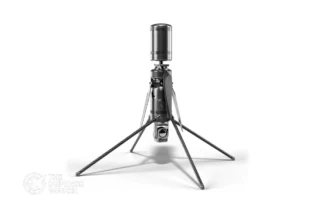
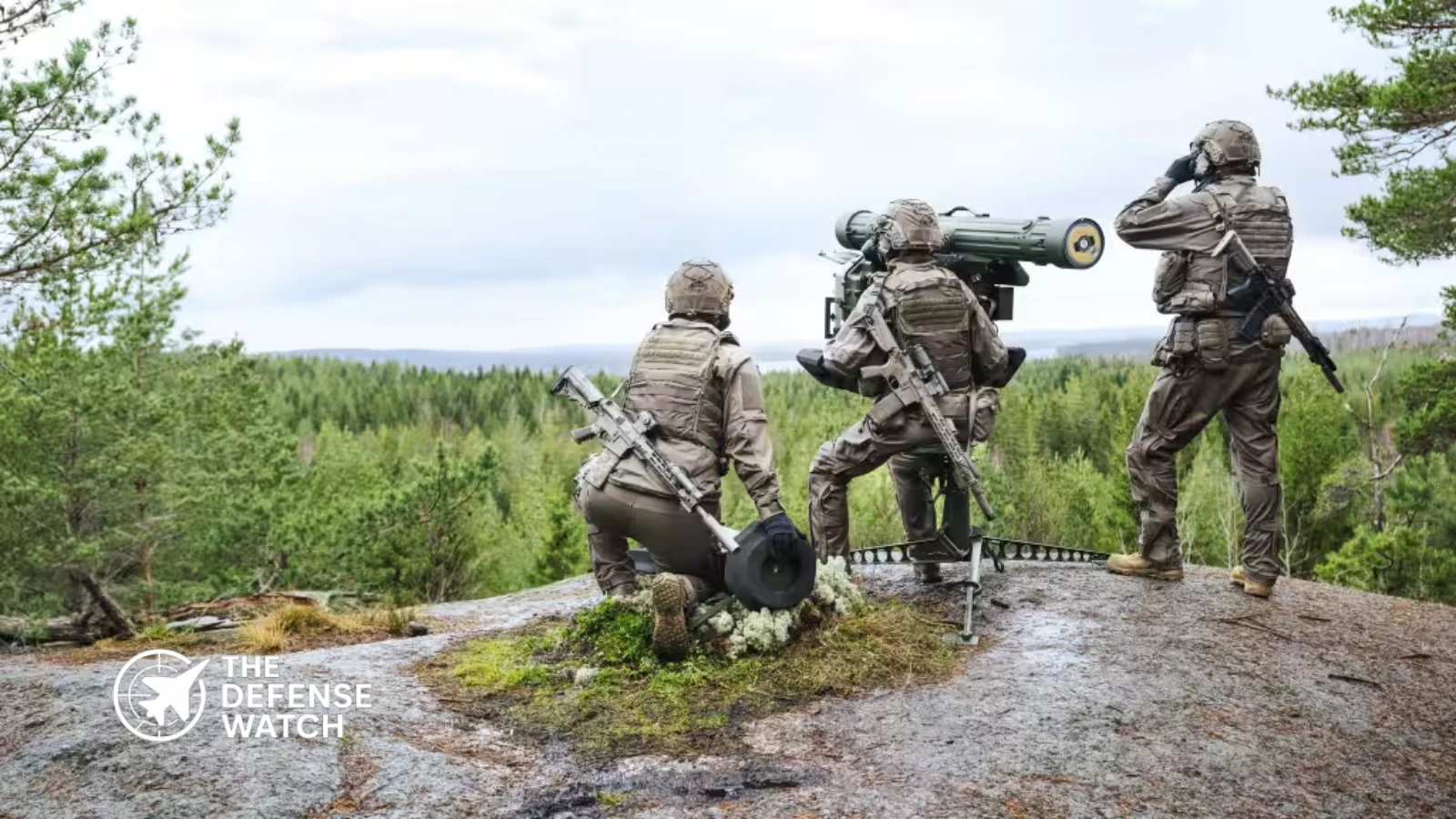
Saab describes the RBS 70 NG as a short-range ground-based air defense system designed for operations against aerial targets. The company lists an effective range of more than 9 kilometers and altitude coverage from ground level to 5,000 meters. The BOLIDE missile can reach a maximum speed of Mach 2, according to Saab.
RBS 70 NG Adds Automatic Target Tracking
One of the major differences between the original RBS 70 and the RBS 70 NG is the updated sighting and tracking system.
The RBS 70 NG incorporates an automatic target tracker that assists the operator during an engagement. Saab says the tracker can increase hit probability by helping maintain the target during the engagement sequence. The system also incorporates high-resolution thermal imaging, allowing it to operate during both daytime and nighttime conditions.
The system can also provide operator aids for target acquisition and reaction time. These features are significant for a short-range air defense weapon because engagements can develop quickly, leaving operators limited time to identify, track and engage an aerial threat.
The RBS 70 NG retains manual control options, while its automated tracking functions are designed to support the operator rather than replace the human decision-making process.
Laser Guidance Provides An Alternative To Radio-Based Control
The RBS 70 NG uses laser beam riding guidance. Saab describes this guidance method as unjammable because the missile follows a laser guidance channel rather than relying on a conventional radio-frequency command link.
This characteristic can be particularly relevant in environments where electronic warfare is a concern. Instead of transmitting commands to the missile through a radio link, the operator keeps the target within the sighting system while the missile follows the laser beam.
That does not make the overall system immune to electronic warfare or other countermeasures. Detection, target acquisition and engagement still depend on the complete air defense architecture and operating environment. However, the guidance method gives the RBS 70 NG a distinct design approach for short-range engagements.
Built For A Layered Air Defense Network
The Saab RBS 70 NG Finland acquisition should be viewed as part of a broader layered air defense structure rather than as a standalone answer to every aerial threat.
Short-range systems can provide localized protection for military units, infrastructure and other defended areas. They can complement longer-range air defense systems by covering lower-altitude approaches and providing another engagement layer.
Saab says the RBS 70 NG can operate independently or be integrated with surveillance radars and other firing units. The system can also be configured for vehicle-mounted applications, providing flexibility in how it is deployed.
This flexibility is relevant to Finland, where defense planning places strong emphasis on mobility and the ability to operate across a large national territory.
Growing Nordic Demand For Ground-Based Air Defense
Finland’s decision also comes amid broader European investment in short-range air defense.
Saab has received several recent RBS 70 NG orders from European customers. In March 2025, Latvia signed a framework agreement for the system and placed an initial SEK 2.1 billion order, with deliveries scheduled from 2026 through 2030. Sweden also ordered RBS 70 NG systems in 2025 under a contract worth approximately SEK 1.5 billion.
The pattern reflects growing attention to ground-based air defense capabilities that can address a range of aerial threats while operating alongside larger air defense networks.
For Finland, the latest acquisition is especially notable because it upgrades a capability already familiar to its armed forces. The RBS 70 NG adds improved tracking, thermal imaging and other operator-assistance features while retaining the laser-guided architecture of the RBS 70 family.
What The Finland Order Means
The immediate value of the Saab RBS 70 NG Finland contract is the modernization of Finland’s short-range air defense capability. The SEK 1.2 billion initial order also creates room for additional purchases and sustainment-related equipment under the new agreement.
The system’s automatic target tracker, day and night capability and laser beam riding guidance provide Finland with an updated short-range weapon designed for a changing aerial threat environment.
The acquisition also strengthens an existing relationship between Finland and Saab rather than introducing an entirely unfamiliar air defense system. That could simplify the transition for personnel already experienced with the RBS 70 family, although specific delivery schedules and quantities for the Finnish order have not been publicly disclosed by Saab in its announcement.
Finland’s RBS 70 NG purchase therefore represents a focused modernization of short-range air defense, adding newer sensors and tracking functions to a system already established within the Finnish Defence Forces.