Israel Lebanon Ceasefire Talks Could Mark A Regional Turning Point
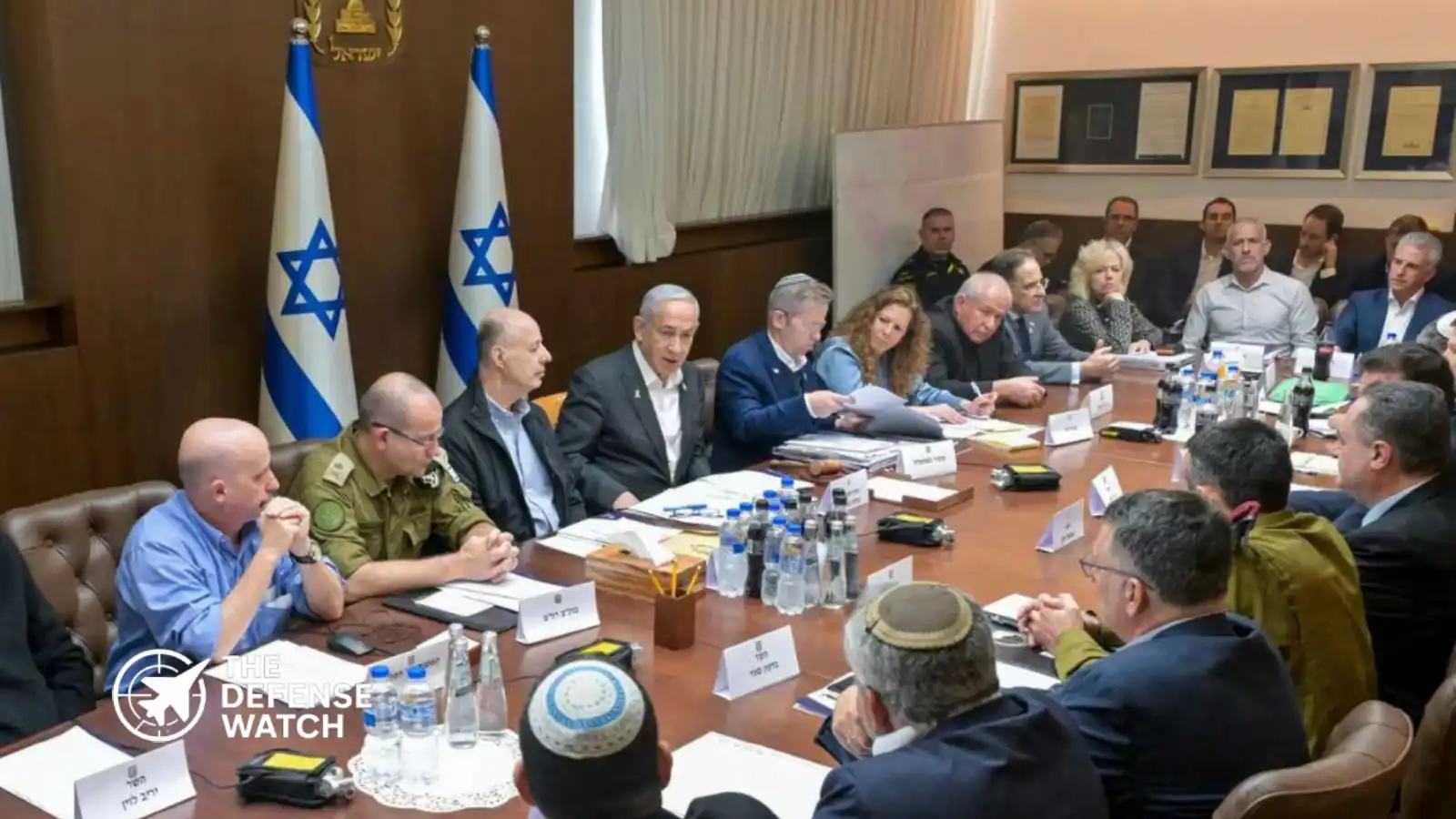
Israel Lebanon ceasefire talks gained momentum as Israeli leaders discussed a potential halt to fighting in Lebanon, while U.S. officials expressed optimism that broader Middle East diplomacy may be nearing a breakthrough. Reuters reported that Israel’s cabinet met to consider ceasefire options after more than six weeks of conflict with Iran-backed Hezbollah.
The negotiations matter well beyond the Israel-Lebanon border. The Lebanon front has become one of the most dangerous spillover arenas of the wider regional crisis, increasing pressure on Washington and its partners to contain escalation.
- Israel’s cabinet met to discuss a possible ceasefire in Lebanon after more than six weeks of fighting with Hezbollah.
- U.S. officials said a temporary 10-day ceasefire framework was under discussion to enable broader negotiations.
- Lebanon’s government would be expected to prevent attacks from armed groups under reported terms.
- The Lebanon front has complicated parallel diplomacy tied to Iran and regional security.
- Markets are closely watching the Strait of Hormuz and wider energy supply risks.
Why The Lebanon Front Matters Strategically
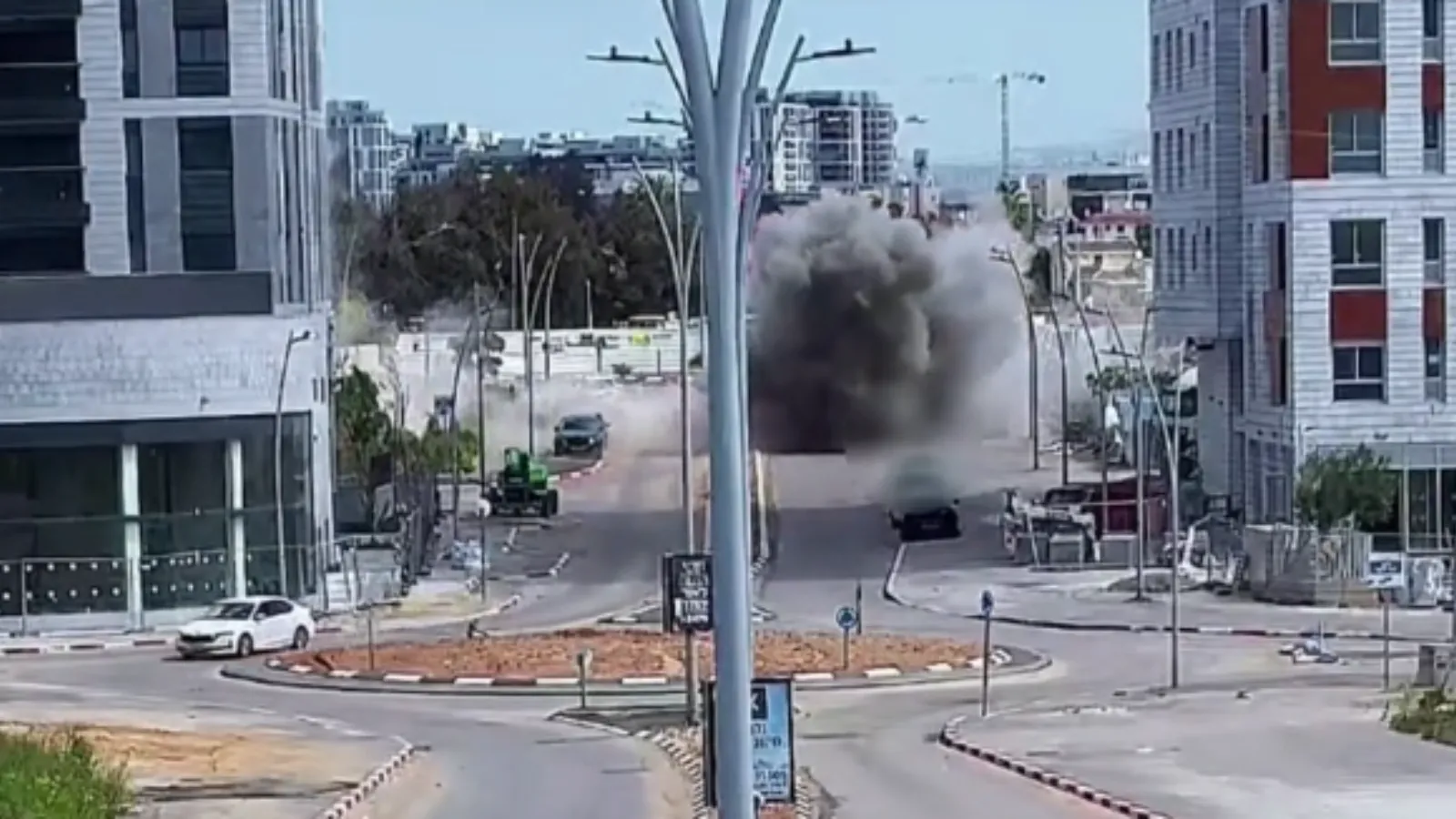
A ceasefire in Lebanon would reduce immediate missile and drone threats along Israel’s northern border and could lower the risk of a larger regional war. Hezbollah remains one of the most heavily armed non-state forces in the region, with significant rocket, missile, and unmanned system capabilities.
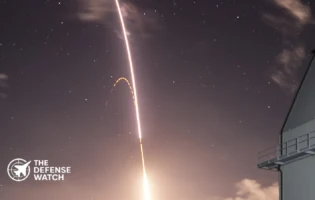
From a defense perspective, a pause in fighting would also allow both sides to reassess force posture, replenish interceptors, and reposition surveillance assets. Israel has relied heavily on layered air defense systems during repeated cross-border attacks, while Hezbollah has attempted to stretch those defenses through volume and timing.
That makes any ceasefire more than a political gesture. It would create an operational reset.
U.S. Diplomacy And The Reported 10-Day Truce
According to Reuters, U.S. officials said a 10-day Israel-Lebanon ceasefire could begin with the option of extension by mutual agreement. The framework is reportedly intended to create space for talks on a lasting peace and border security arrangement.
President Donald Trump also said Israeli Prime Minister Benjamin Netanyahu and Lebanese President Joseph Aoun had agreed to begin a temporary ceasefire, according to Reuters reporting.
If implemented, even a short truce would be notable because direct Israeli-Lebanese engagement has historically been rare and politically difficult.
Obstacles Remain
Despite the diplomatic momentum, Hezbollah signaled that any arrangement must not permit Israeli freedom of movement inside Lebanon. Reuters reported the group said Israeli forces operating in Lebanese territory would justify continued resistance.
That highlights the central problem. A ceasefire can pause strikes, but unresolved issues such as troop positions, border monitoring, Hezbollah’s military role, and enforcement mechanisms can quickly reopen conflict.
What To Watch Next
Analysts will focus on five near-term indicators:
- Whether both governments publicly confirm terms
- Whether Hezbollah accepts or tolerates the arrangement
- Border strike activity in the first 48 hours
- U.S. follow-on diplomacy after the pause begins
- Oil market reaction tied to Hormuz shipping risks
If these indicators hold positive, the ceasefire could become the first building block of wider de-escalation.
Defense And Geopolitical Assessment
For military planners, a Lebanon ceasefire would free Israeli resources currently tied to the northern front. For Washington, it could reduce pressure on regional deployments and maritime security operations. For Lebanon, it may create urgently needed humanitarian and economic breathing room.
Still, temporary truces often fail when political aims remain unresolved. The next phase depends less on headlines and more on enforcement.