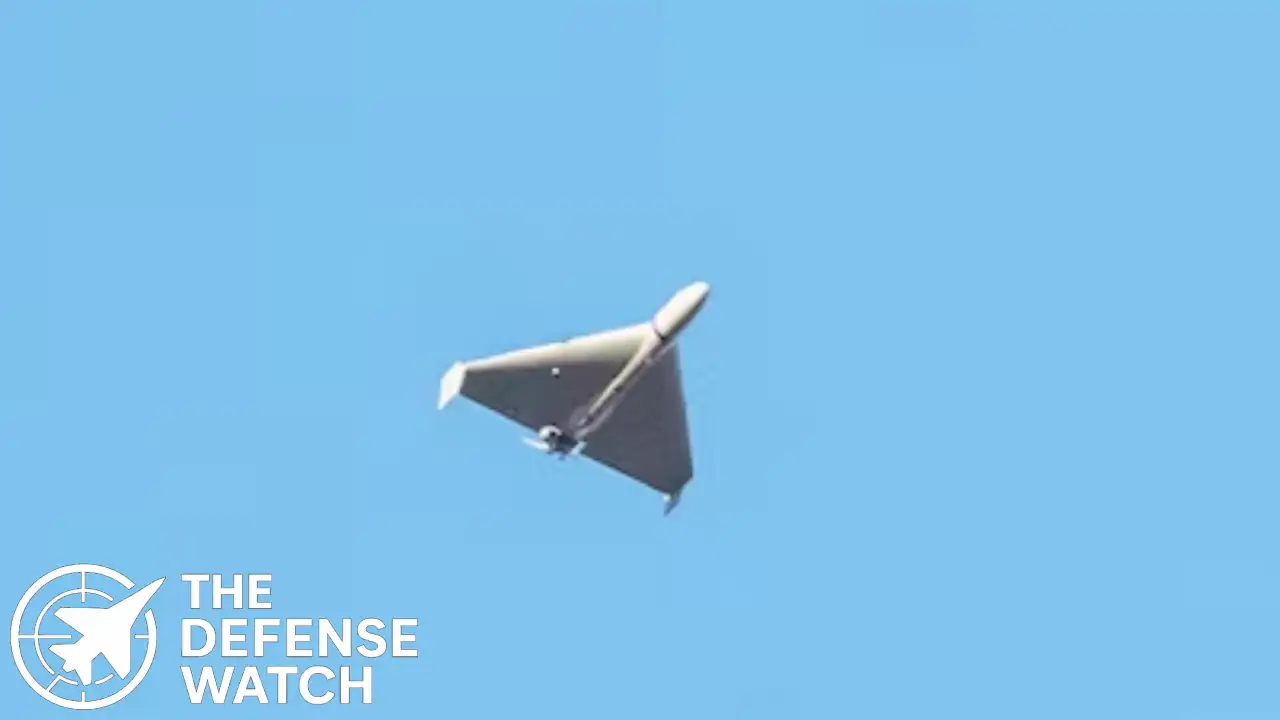
- The UK has received more than 8,000 drones since 2024, according to official disclosures.
- The majority of systems are small, tactical UAVs designed for surveillance and frontline support.
- Procurement is heavily influenced by lessons learned from the war in Ukraine.
- The UK is prioritizing rapid acquisition and scalability over traditional long-cycle programs.
- Drone integration is reshaping British Army doctrine and operational planning.
UK Drone Fleet Expansion Accelerates Past 8,000 Units
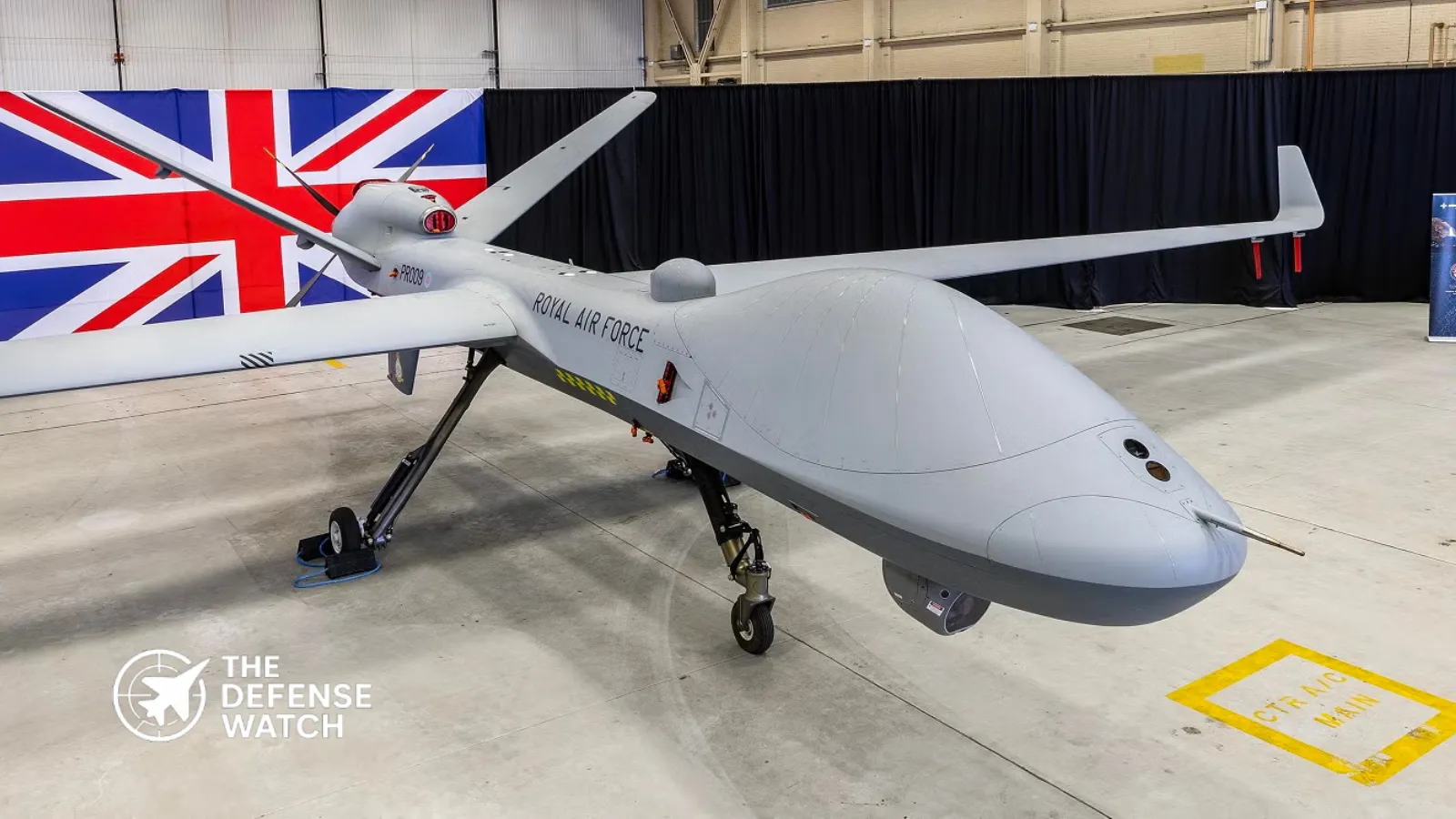
The UK drone fleet expansion has surpassed 8,000 units since 2024, marking a significant shift in British military procurement toward unmanned systems, according to reporting by UK Defence Journal.
The figure reflects a rapid scaling effort across the British Armed Forces, particularly the Army, which is adapting to lessons drawn from high-intensity conflicts such as Ukraine. Rather than focusing solely on large, high-end platforms, the UK is investing heavily in small, cost-effective drones that can be deployed in large numbers.
This approach signals a broader doctrinal transition, where mass, attritability, and real-time battlefield awareness are increasingly prioritized over traditional force structures.
Shift Toward Mass and Tactical Utility
The majority of the newly acquired systems fall into the category of small unmanned aerial vehicles, including quadcopters and lightweight reconnaissance drones. These platforms are typically used for intelligence, surveillance, target acquisition, and battlefield coordination.
Officials indicate that the emphasis is on rapid deployment and ease of use at the unit level. Unlike legacy systems that require extensive training and infrastructure, these drones can often be operated by small teams with minimal preparation.
This shift reflects a key lesson from Ukraine, where commercially derived drones have played a decisive role in reconnaissance and targeting. The UK appears to be institutionalizing this model by integrating similar capabilities into its standard force structure.
From an operational standpoint, this allows for persistent surveillance across wide areas, faster decision-making, and improved coordination between ground units and indirect fire systems.
Procurement Strategy Driven by Urgency
The scale and speed of the UK drone fleet expansion highlight a departure from traditional defense procurement cycles. Instead of multi-year development programs, the Ministry of Defence is increasingly adopting rapid acquisition pathways.
This includes off-the-shelf purchases, iterative upgrades, and close collaboration with industry partners to field capabilities quickly. The focus is on adaptability, ensuring that systems can evolve in response to emerging threats.
Such an approach also mitigates the risk of technological obsolescence, a growing concern in a domain where advancements occur at a rapid pace.
However, this strategy introduces new challenges. Managing a large and diverse drone inventory requires robust logistics, training, and integration frameworks. Ensuring interoperability across different platforms and units remains a critical task.
Operational Implications for the British Army
The integration of thousands of drones is already reshaping how the British Army operates. Units are increasingly equipped with organic UAV capabilities, reducing reliance on centralized assets.
This decentralization enhances situational awareness at the tactical level, allowing commanders to make faster and more informed decisions. It also supports distributed operations, a key component of modern military doctrine.
In addition, drones are enabling more precise targeting and reducing the need for large-scale maneuver operations. This aligns with a broader trend toward networked warfare, where information dominance plays a central role.
The UK drone fleet expansion also has implications for training and doctrine. Soldiers must now be proficient not only in traditional combat skills but also in operating and countering unmanned systems.
Strategic Context and Future Outlook
The rapid growth of the UK drone fleet expansion reflects a wider global trend. Armed forces worldwide are investing heavily in UAVs as they become essential tools for modern warfare.
For the UK, this effort is part of a broader modernization agenda aimed at enhancing readiness and resilience in an increasingly contested security environment.
Looking ahead, the focus is likely to shift toward integrating drones with other emerging technologies, including artificial intelligence, electronic warfare, and autonomous systems. This could further enhance their effectiveness while reducing the burden on human operators.
At the same time, counter-drone capabilities will become increasingly important, as adversaries adopt similar technologies.