US Iran Dialogue Persists After Islamabad Talks
The US Iran dialogue Islamabad talks underscore a cautious but deliberate effort by both Washington and Tehran to prevent further escalation, even as core disagreements remain unresolved. Officials from both sides indicated that diplomatic channels remain open following recent indirect discussions held in Islamabad.
This development comes at a time of heightened geopolitical strain across the Middle East, where overlapping conflicts and strategic rivalries continue to shape military postures and alliance dynamics.
- US and Iran held indirect talks in Islamabad aimed at reducing tensions and exploring diplomatic pathways.
- Both sides signaled willingness to keep dialogue open despite no immediate breakthrough.
- Discussions come amid heightened regional instability and ongoing disputes over nuclear and security issues.
- Islamabad’s role highlights Pakistan’s emerging position as a diplomatic intermediary in regional conflicts.
- Analysts view continued engagement as a strategic move to prevent escalation rather than resolve core disputes.
Limited Progress, But Strategic Significance
While the Islamabad discussions yielded no concrete agreements, their significance lies in the willingness of both sides to continue dialogue. The US Iran dialogue Islamabad talks reflect a broader strategic calculation.
For Washington, maintaining communication channels helps reduce the risk of miscalculation, particularly in contested environments such as the Persian Gulf and broader regional theaters. For Tehran, engagement provides an opportunity to ease economic and political pressure without making immediate concessions.
The talks, facilitated through intermediaries, did not produce a breakthrough. However, both parties avoided hardline rhetoric and instead emphasized the importance of continued engagement, signaling a shared interest in managing tensions rather than escalating them.
Reuters reports that officials characterized the talks as constructive, even if incremental. This aligns with a pattern seen in previous indirect negotiations, where progress is often measured in tone and continuity rather than immediate outcomes.
From a defense and security perspective, sustained dialogue can serve as a stabilizing factor. It lowers the probability of rapid escalation, especially in scenarios involving proxy forces, maritime incidents, or airspace violations.
Islamabad’s Emerging Role in Regional Diplomacy
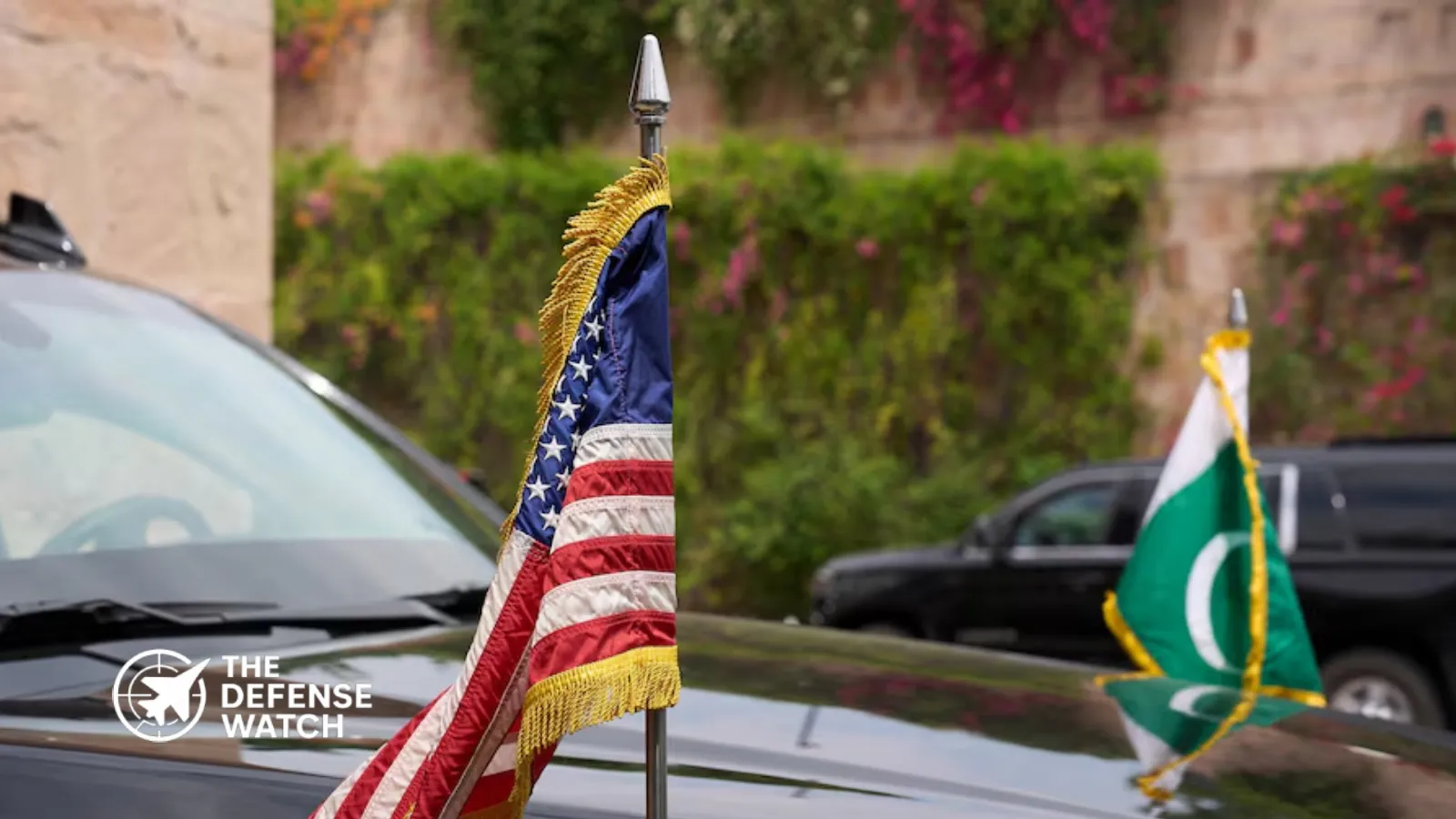
The choice of Islamabad as the venue is notable. Pakistan has increasingly positioned itself as a neutral intermediary capable of facilitating sensitive discussions between rival states.
The US Iran dialogue Islamabad talks highlight Islamabad’s growing diplomatic relevance, particularly in bridging communication gaps between adversarial actors. Pakistan’s relationships with both Washington and Tehran allow it to serve as a credible host for such engagements.
This development also reflects a broader trend in regional diplomacy, where middle powers are stepping into mediation roles traditionally dominated by larger global actors.
From a strategic standpoint, this diversification of diplomatic venues reduces reliance on a single negotiation channel and provides flexibility in managing complex geopolitical disputes.
Persistent Friction Points Remain
Despite the continuation of dialogue, several critical issues continue to divide the United States and Iran. These include Iran’s nuclear program, regional military activities, and sanctions imposed by Washington.
The US Iran dialogue Islamabad talks did not resolve these underlying disputes. Instead, they reinforced the reality that both sides are managing conflict rather than resolving it.
Military dynamics remain a key concern. Iran’s network of allied groups across the Middle East, combined with US military deployments in the region, creates a complex security environment where localized incidents can escalate rapidly.
In this context, diplomatic engagement functions as a risk management tool. It allows both sides to communicate red lines and reduce the likelihood of unintended confrontation.
Strategic Calculations Driving Continued Engagement
The decision to keep dialogue open reflects broader strategic considerations on both sides.
For the United States, maintaining stability in the Middle East remains a priority, particularly as it balances global commitments in Europe and the Indo-Pacific. Avoiding a direct confrontation with Iran allows Washington to allocate resources more efficiently while maintaining deterrence.
For Iran, engagement offers a pathway to mitigate economic pressure and avoid further isolation. It also provides an opportunity to shape the narrative around its regional role and strategic intentions.
The US Iran dialogue Islamabad talks therefore represent a calculated move by both parties. Rather than signaling rapprochement, they indicate a mutual recognition of the costs associated with escalation.
Implications for Regional Security
From a defense and geopolitical perspective, the continuation of dialogue has several implications.
First, it reduces immediate escalation risks in key operational environments, including maritime routes and contested airspace. Second, it provides a framework for crisis communication, which is critical in preventing incidents from spiraling into broader conflict.
However, the absence of substantive agreements means that underlying tensions remain unresolved. Military planners on both sides are likely to continue preparing for a range of scenarios, including deterrence operations and contingency responses.
The US Iran dialogue Islamabad talks should therefore be viewed as part of a broader stability mechanism rather than a resolution pathway.
Outlook: Managed Tension Likely to Continue
Looking ahead, the trajectory of US Iran relations is likely to remain characterized by managed tension. Continued dialogue may help stabilize the situation in the short term, but significant breakthroughs appear unlikely without shifts in core policy positions.
The Islamabad talks demonstrate that both sides recognize the importance of communication. However, they also highlight the limits of diplomacy in addressing deeply entrenched strategic differences.
For defense observers, the key takeaway is clear. Engagement and deterrence will continue to operate in parallel, shaping a complex and evolving security landscape across the Middle East.