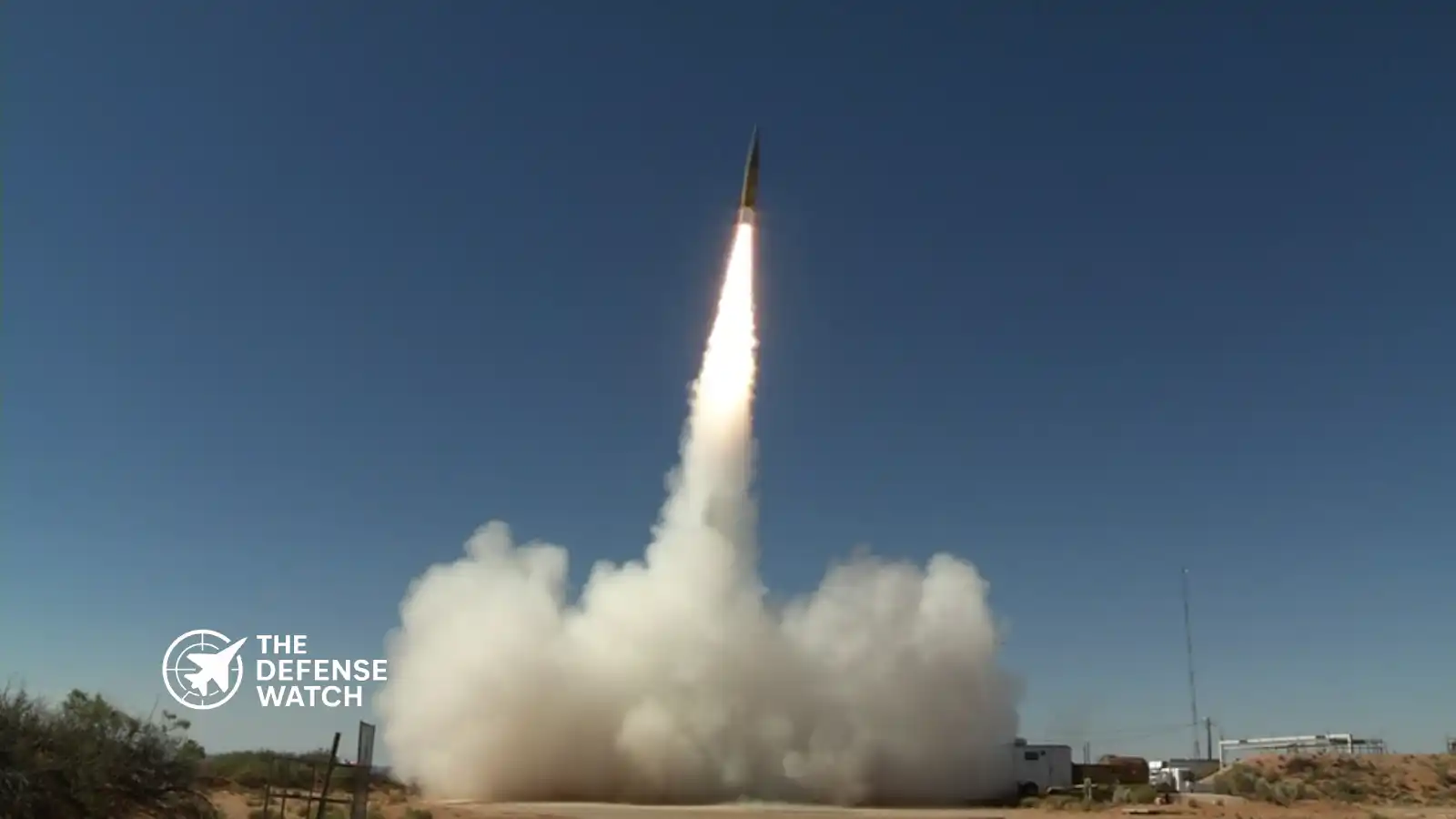
Spain Hypersonic Weapons Development Gains Strategic Priority
Spain hypersonic weapons development has emerged as a central pillar of Madrid’s new defense innovation strategy, signaling a shift toward advanced strike capabilities and greater technological autonomy. The initiative reflects growing urgency within Europe to address emerging threats from near-peer adversaries equipped with next-generation weapons systems.
- Spain has prioritized hypersonic weapons development in its new national defense innovation strategy.
- The effort focuses on high-speed, maneuverable strike systems capable of penetrating advanced air defenses.
- The move aligns with broader NATO concerns over Russian and Chinese hypersonic advancements.
- Development will be driven through national R&D programs and collaboration with European partners.
- Spain aims to reduce reliance on external suppliers and strengthen sovereign defense capabilities.
The Spanish government’s updated framework emphasizes investment in disruptive technologies, with hypersonic systems identified as a critical area for research, development, and eventual operational deployment.
The Big Picture
European defense planners are accelerating efforts to close capability gaps in high-end warfare domains. Hypersonic weapons, defined by speeds exceeding Mach 5 and the ability to maneuver unpredictably, are reshaping deterrence dynamics.
Russia has already fielded operational hypersonic systems such as the Kinzhal and Zircon, while China continues to expand its arsenal. NATO, by contrast, remains in earlier stages of development and integration.
Spain’s decision to prioritize hypersonic weapons development reflects a broader European push to keep pace with these advancements. It also aligns with NATO’s emphasis on high-speed strike, missile defense integration, and resilience against advanced threats.
What’s Happening
Spain has formally incorporated hypersonic weapons development into its national defense innovation strategy. The initiative focuses on advancing indigenous capabilities through research programs, industrial partnerships, and collaboration within the European defense ecosystem.
The strategy identifies hypersonic systems as a key technology area alongside artificial intelligence, cyber capabilities, and advanced sensors.
Spanish defense institutions and industry are expected to play a central role in developing these systems, with potential coordination through European Union defense initiatives such as the European Defence Fund.
The effort remains in the early stages, with no confirmed operational system or deployment timeline publicly disclosed.
Why It Matters
Hypersonic weapons introduce a new level of operational complexity for missile defense systems. Their speed and maneuverability reduce warning times and complicate interception, making them a high-value capability in both conventional and strategic scenarios.
Spain hypersonic weapons development supports several key objectives:
Strengthening NATO’s collective deterrence posture
Enhancing Spain’s ability to contribute to high-end coalition operations
Reducing dependence on non-European defense suppliers
Advancing domestic aerospace and defense industries
The move also reflects a recognition that future conflicts will likely involve contested air and missile environments where traditional systems may face limitations.
Strategic Implications
Spain’s investment in hypersonic technologies reinforces Europe’s gradual shift toward strategic autonomy in defense. By developing indigenous capabilities, Madrid reduces reliance on external partners while contributing to a more balanced transatlantic defense relationship.
The initiative could also support interoperability within NATO by enabling Spain to integrate advanced strike capabilities into alliance operations.
At a regional level, Spain’s move may encourage other European nations to accelerate similar programs, strengthening collective capabilities but also increasing competition within the defense industrial base.
Competitor View
Russia is likely to view European hypersonic development as a delayed but expected response to its own deployments. Moscow has emphasized hypersonic weapons as a key component of its deterrence strategy, particularly against NATO missile defenses.
China may interpret Spain’s move as part of a broader Western effort to close the technological gap in high-speed weapons systems. Beijing has invested heavily in hypersonic glide vehicles and testing infrastructure, positioning itself as a global leader in the field.
Regional actors in the Middle East and North Africa could also monitor these developments closely, particularly as European defense capabilities evolve.
What To Watch Next
Spain’s hypersonic weapons development will likely progress through several key phases:
Initial research and concept validation
Prototype development and testing
Integration with existing platforms and command systems
Potential participation in multinational European programs
Observers should watch for announcements related to funding allocations, industrial partnerships, and test milestones.
Collaboration with other European nations will be a critical factor in determining the pace and scale of progress.
Capability Gap
Spain’s initiative addresses a clear capability gap within NATO’s European members. While the alliance maintains advanced air and missile defense systems, it lacks a fully operational, widely deployed hypersonic strike capability.
However, significant challenges remain:
High development costs and technical complexity
Limited testing infrastructure within Europe
Integration challenges with existing military systems
Uncertain timelines for operational deployment
These factors may slow progress, particularly compared to more mature programs in Russia and China.
The Bottom Line
Spain hypersonic weapons development marks a strategic step toward closing Europe’s high-speed strike capability gap and strengthening NATO’s long-term deterrence posture.
Get real time update about this post category directly on your device, subscribe now.