Iran Claims MQ-9 Reaper Shootdowns In Operation Epic Fury
Iran MQ-9 Reaper shootdown claims are drawing renewed attention to the survivability of U.S. unmanned systems in contested airspace, following Tehran’s assertion that it downed 16 drones during what it described as Operation Epic Fury.
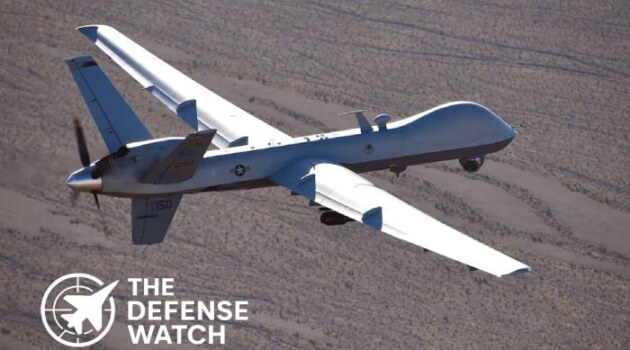
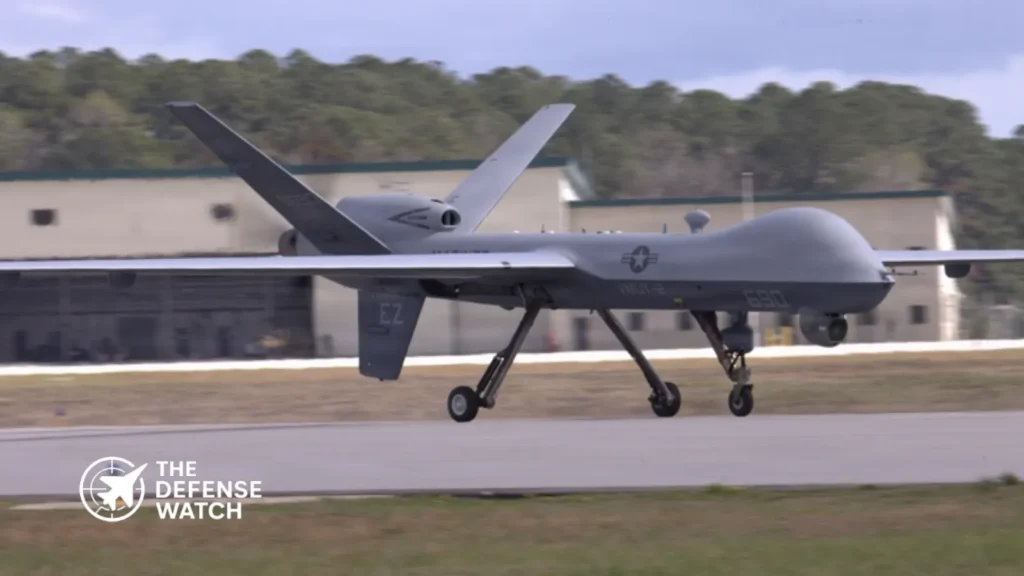
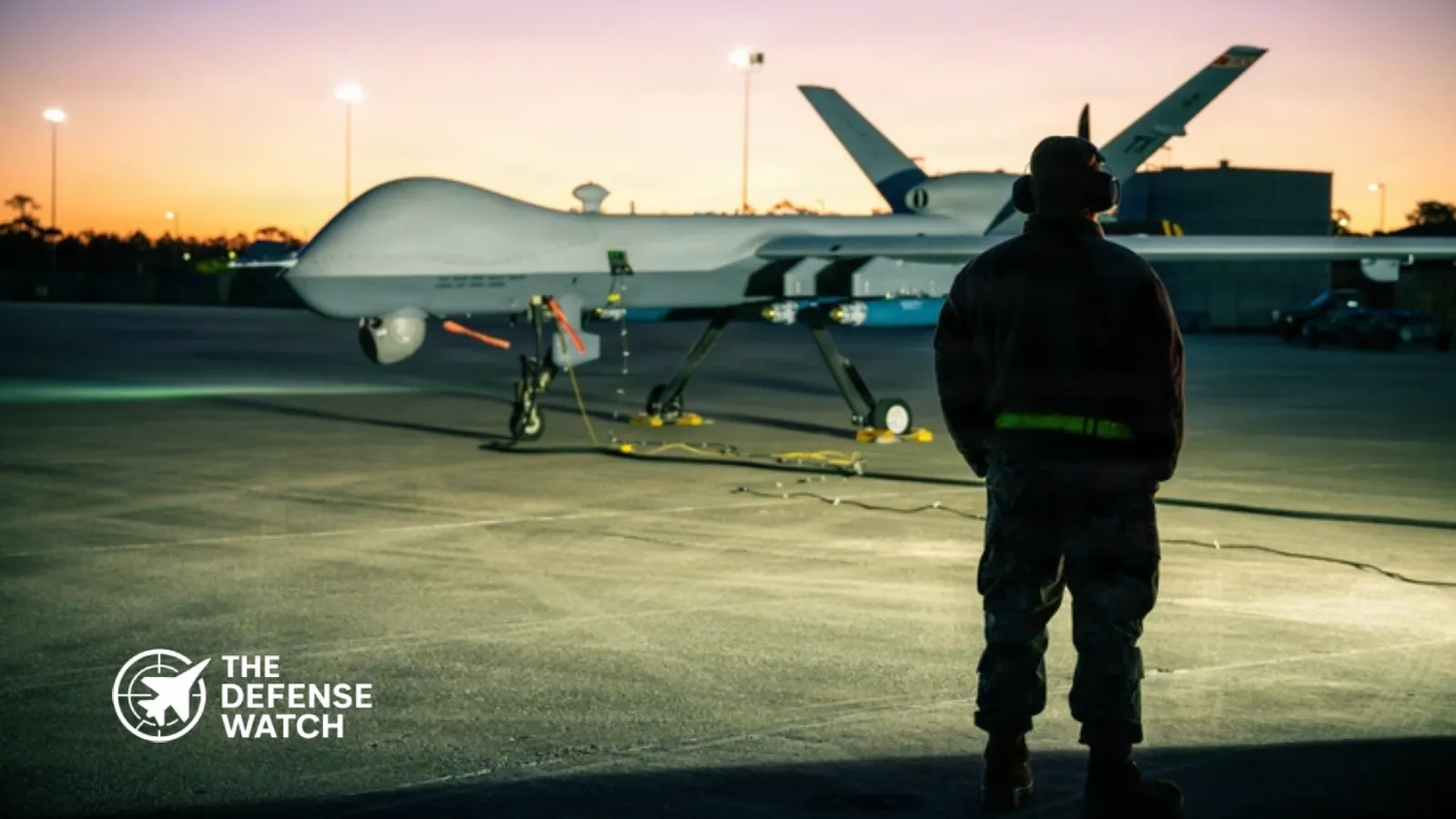
Iranian officials said their air defense forces successfully intercepted multiple U.S. MQ-9 Reaper unmanned aerial vehicles during recent operations. The MQ-9, produced by General Atomics Aeronautical Systems, is widely used by the United States for intelligence, surveillance, reconnaissance, and precision strike missions.
If accurate, the scale of the reported losses would mark one of the most significant single-episode attrition events involving U.S. unmanned systems in recent years.
However, U.S. officials have not publicly confirmed the figures, and independent verification remains limited. Analysts note that such claims often require corroboration through satellite imagery, wreckage evidence, or official acknowledgment.
- Iran claims it shot down 16 U.S. MQ-9 Reaper drones during Operation Epic Fury.
- The reported losses are valued at approximately $1.82 billion based on unit costs.
- MQ-9 Reaper drones are a core U.S. ISR and strike platform used across the Middle East.
- Iran has invested heavily in layered air defense systems and counter-UAV technologies.
- Independent confirmation of the claims remains limited as of reporting.
Strategic Implications For U.S. Drone Operations
The Iran MQ-9 Reaper shootdown narrative highlights a broader shift in the operational environment for medium-altitude, long-endurance drones. Systems like the MQ-9 were originally designed for permissive or lightly contested airspace, where advanced air defenses are limited.
Iran’s evolving integrated air defense network complicates that model.
Tehran has invested in a mix of domestically developed and imported systems, including radar-guided surface-to-air missiles, electronic warfare capabilities, and short-range air defenses optimized for counter-UAV missions. These systems are increasingly tailored to detect and engage slow-moving, high-signature platforms such as the MQ-9.
From an operational standpoint, repeated or large-scale losses could force adjustments in how and where U.S. forces deploy unmanned systems. This may include greater reliance on stealthier platforms, stand-off operations, or increased use of electronic warfare support.
Cost And Capability Considerations
Each MQ-9 Reaper is estimated to cost tens of millions of dollars depending on configuration and support systems. A loss of 16 aircraft, if confirmed, would represent a substantial financial and operational impact.

Beyond cost, the MQ-9 plays a critical role in persistent surveillance and targeted strike missions. Its ability to loiter for extended periods provides commanders with real-time intelligence and rapid response options.
Losing multiple platforms in a short timeframe could degrade situational awareness in key theaters, particularly in regions where drone coverage is central to counterterrorism and force protection missions.
Evolving Air Defense Versus UAV Dynamics
The reported Iran MQ-9 Reaper shootdown claims reflect a wider trend seen in recent conflicts, where air defense systems are adapting quickly to counter drones of all sizes.
From Eastern Europe to the Middle East, militaries are deploying layered defenses that combine radar, infrared tracking, electronic warfare, and kinetic interceptors. This multi-layered approach increases the probability of detecting and neutralizing UAVs that were once considered difficult targets.
For the United States, this trend reinforces the need to evolve drone doctrine. Future systems are expected to emphasize reduced radar signatures, autonomous operations, and networked survivability.
Information Gaps And Verification Challenges
As with many conflict-related claims, the Iran MQ-9 Reaper shootdown reports must be viewed in context. Public information remains incomplete, and both state and non-state actors often use information operations to shape narratives.
Defense analysts typically look for corroborating indicators such as imagery, official acknowledgments, or third-party intelligence assessments before confirming such incidents.
Until then, the claims remain part of an ongoing information environment shaped by strategic messaging as much as battlefield realities.