Canada Reviews Major F-35 Purchase as U.S. Relations Deteriorate
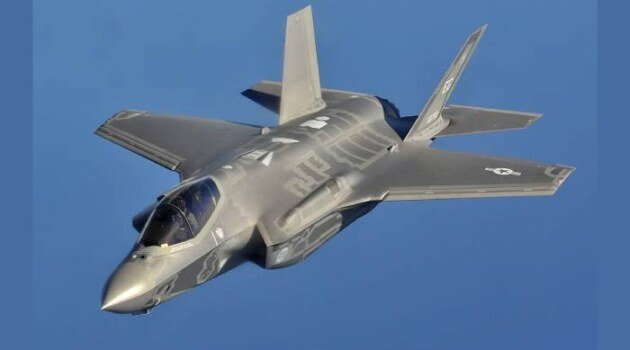
Canada is actively reevaluating its planned purchase of F-35A Lightning II fighters, with officials confirming the government remains legally committed to the first 16 aircraft while reviewing options for the remaining 72 jets. The reassessment comes as trade tensions with Washington escalate under President Trump’s return to office.
Defence Minister Bill Blair confirmed that while the contract for the first 16 F-35s remains in place, Prime Minister Mark Carney has directed the Canadian Armed Forces to determine whether the existing agreement represents the best investment for Canada’s defense needs in the current geopolitical environment.
The review marks the latest chapter in Canada’s decades-long effort to replace its aging CF-18 Hornet fleet, a procurement process that has become one of the most politically contentious defense decisions in Canadian history.
Contract Status and Financial Implications
Canada initially signed a contract valued at CAD 19 billion (USD 14.2 billion at signing) in 2023 for 88 F-35A aircraft. The first stealth fighters under this order are scheduled for delivery in 2026, with initial aircraft arriving at Luke Air Force Base in Arizona for pilot training.
However, total program costs have exceeded CAD 27 billion when including delivery delays and full operational capability requirements. The U.S. Government Accountability Office revealed in September 2025 that the Block 4 upgrade—the version Canada intends to acquire—is now USD 6 billion over budget and five years behind schedule.
Only funding for the initial 16 aircraft has been legally committed, leaving the remaining 72 jets subject to ongoing government review.
Swedish Alternative Gains Momentum
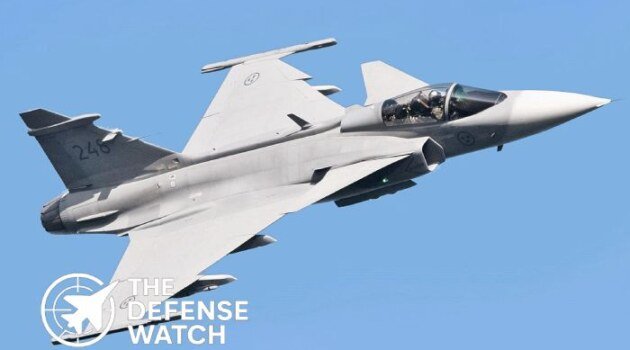
Sweden’s Saab has intensified its campaign to offer Canada an alternative procurement path. Saab submitted a bid for 72 JAS 39 Gripen multirole fighters paired with six GlobalEye airborne surveillance aircraft, positioning the package as an industrial benefits opportunity.
Saab claims the Gripen package would create 10,000 jobs in Canada through domestic assembly and sustainment partnerships, leveraging Canadian aerospace manufacturing capabilities. The Swedish proposal emphasizes local production, intellectual property transfer, and reduced dependence on U.S. supply chains for maintenance and upgrades.
Under Saab’s proposal, final assembly would occur in Canada, with maintenance performed domestically rather than requiring aircraft to return to U.S. facilities for major overhauls—a requirement of the F-35 program.
Capability Assessment and Operational Considerations
Despite the political momentum behind alternative options, leaked Canadian military evaluation documents show the F-35 significantly outperformed the Gripen E across all assessment categories. The F-35 achieved an average score of 95 percent compared to the Gripen E’s 33 percent, with particularly low marks for the Swedish fighter in mission performance and upgradability.
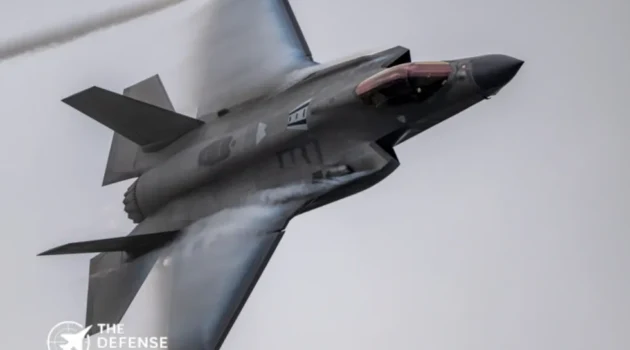
(adsbygoogle = window.adsbygoogle || []).push({});The Royal Canadian Air Force’s technical assessment underscored the F-35’s advantages in stealth, sensor fusion, network-centric warfare capabilities, and Arctic operations—critical factors for Canada’s vast northern territories and NORAD responsibilities.
Canadian NORAD commanders have stated they need pilots to have overmatch against high-end threats, emphasizing capability requirements over political considerations. However, they have also clarified that fighter procurement decisions remain with the civilian government.
NORAD and U.S. Pressure
U.S. Ambassador to Canada Pete Hoekstra warned that if Ottawa does not proceed with the full F-35 complement, NORAD would need to be altered. Hoekstra indicated the United States might need to fly its own F-35s more frequently into Canadian airspace to fill capability gaps.
The ambassador’s comments have drawn criticism from Canadian defense analysts who argue such pressure tactics may backfire. Andrea Charron, director of the Centre for Defence and Security Studies at the University of Manitoba, suggested the approach achieves the opposite of its intended effect.
NORAD has historically operated with different aircraft types on both sides of the border, though current integration levels favor interoperable platforms. The binational aerospace defense agreement relies on shared sensors, communication systems, and coordinated response capabilities to defend North American airspace.
Mixed Fleet Considerations
Canadian defense planners are reportedly considering a mixed fighter fleet consisting of no more than 40 F-35A stealth jets paired with up to 80 Gripen E fighters, according to recent reporting citing unnamed defense sources.
Such an approach would address political pressure to diversify defense partnerships while maintaining some fifth-generation capability. However, operating multiple platforms creates logistical strains, requiring separate mechanical expertise, distinct supply chains, and parallel training programs.
The Royal Canadian Air Force has historically resisted mixed fleet operations due to cost and complexity concerns, though it did operate multiple fighter types until the 1980s CF-18 consolidation.
Industrial Benefits and Economic Factors
Canadian companies have received contracts valued at USD 490 million from 2002 to 2012 through F-35 program participation, with total potential estimated value ranging from USD 4.8 billion to USD 6.8 billion through supply chain participation.
(adsbygoogle = window.adsbygoogle || []).push({});This existing industrial relationship complicates any decision to shift toward alternative aircraft. Canada’s participation in the F-35 program provides domestic companies opportunities to bid for international F-35 contracts, though these benefits are not guaranteed.
Saab’s offer includes guaranteed economic benefits for Canadian industry, potentially addressing concerns about industrial sovereignty and domestic aerospace sector development.
Geopolitical Context
The F-35 reassessment stems directly from rapidly deteriorating relations between Washington and Ottawa following President Trump’s renewed tariff threats and contentious trade negotiations.
Vincent Rigby, former national security adviser to the Trudeau government, stated that U.S. rhetoric has forced Canadian policymakers to rethink defense ties. The review reflects broader Canadian concerns about Washington’s reliability as a security partner under the Trump administration.
Prime Minister Carney has indicated he held discussions with French and British officials about potential F-35 alternatives signaling willingness to explore European defense partnerships as part of Canada’s strategic hedging approach.
Timeline and Decision Process
The formal review was initially expected to conclude by late September 2025, but no decision has been announced. Department of National Defence officials declined to provide a specific timeline for completion, stating only that the review is progressing in a timely manner.
Canadian Armed Forces personnel attended a ceremony at Lockheed Martin’s Texas facility in early February 2026 to mark the imminent delivery of the first F-35, indicating continued program momentum despite the ongoing political review.
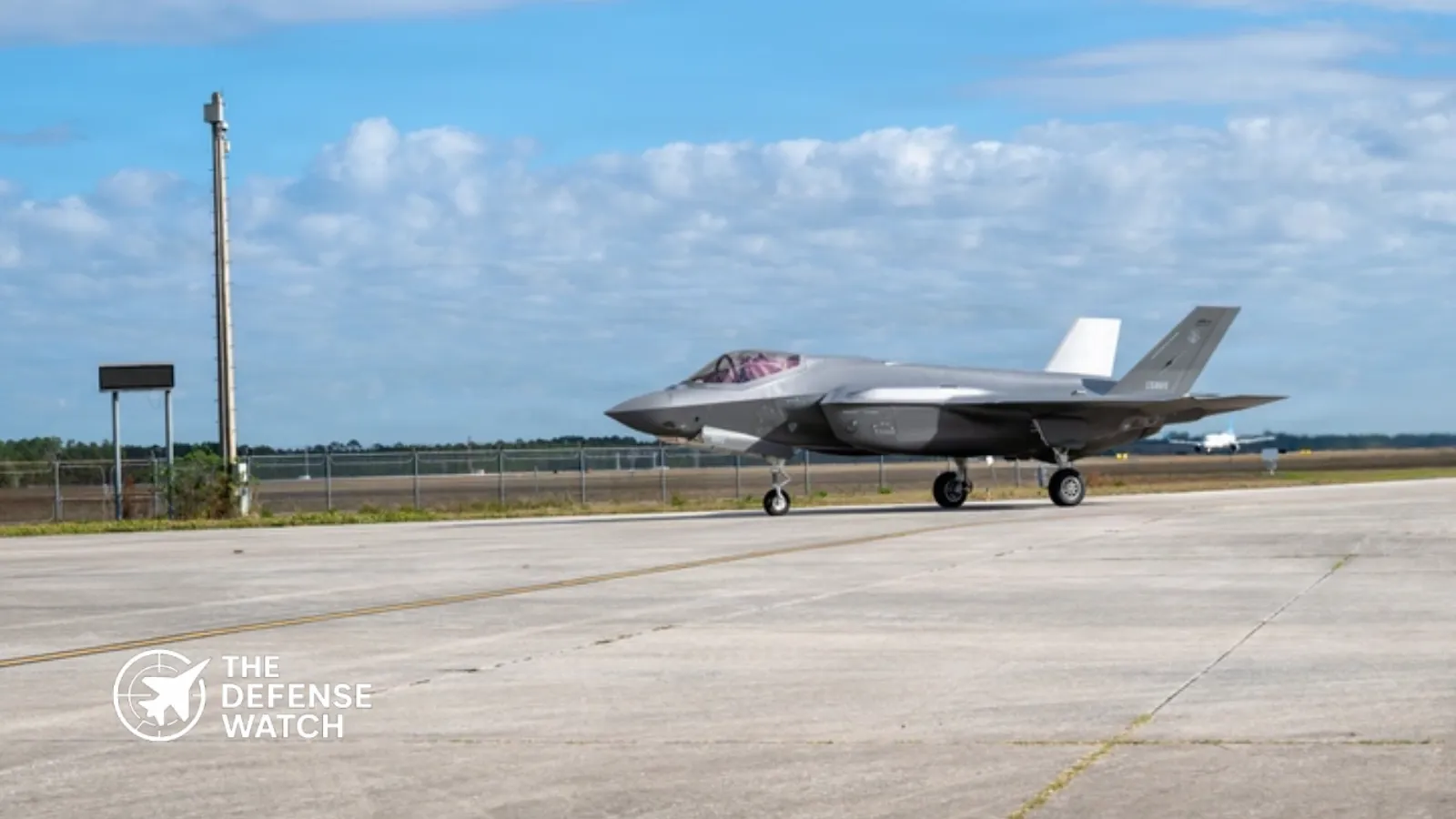
Canada’s first F-35s are scheduled for delivery to Luke Air Force Base in 2026, with the first 10 pilots beginning training this year. Initial aircraft would arrive in Canada by late 2028, operating from temporary facilities while permanent infrastructure is completed by 2030-2031.
Strategic Implications
The Canadian review represents a potential inflection point for international F-35 partnerships. Canada is officially the first customer to openly reevaluate its F-35 order in the Trump era, raising questions about whether other nations may follow suit.
Any decision to reduce F-35 orders would send a significant foreign policy signal regarding Canada’s defense alignment and willingness to diversify security partnerships beyond traditional U.S. dependence.
However, the technical capabilities gap between fourth and fifth-generation fighters, combined with existing Canadian industrial participation in the F-35 program, creates substantial pressure to maintain the original procurement plan despite political considerations.
The outcome of Canada’s F-35 review will likely shape North American defense cooperation and bilateral relations for decades, setting precedents for how middle-power allies navigate defense procurement amid great power competition and alliance uncertainty.