Escalating Military Posture in Strategic Theater
The US Middle East air defenses are undergoing significant reinforcement as the Pentagon positions advanced missile defense systems across the region, according to multiple defense intelligence sources. This strategic deployment comes as American military planners prepare contingency options for potential strikes against Iranian targets in response to recent attacks on US forces and interests.
The Biden administration has authorized the repositioning of Patriot missile batteries, THAAD (Terminal High Altitude Area Defense) systems, and additional air defense assets to protect American personnel and regional allies. Defense officials, speaking on condition of anonymity, confirmed the enhanced defensive posture represents one of the most substantial US military buildups in the Middle East since 2020.
Strategic Deployment of Advanced Defense Systems
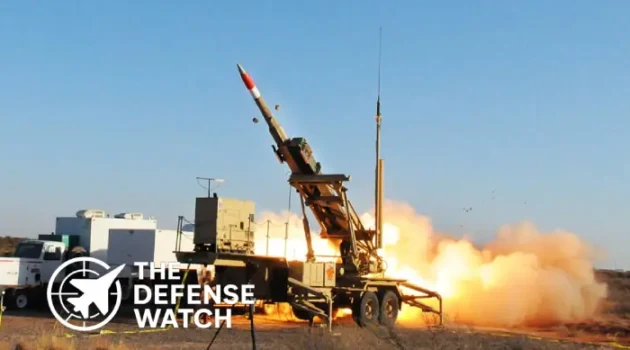
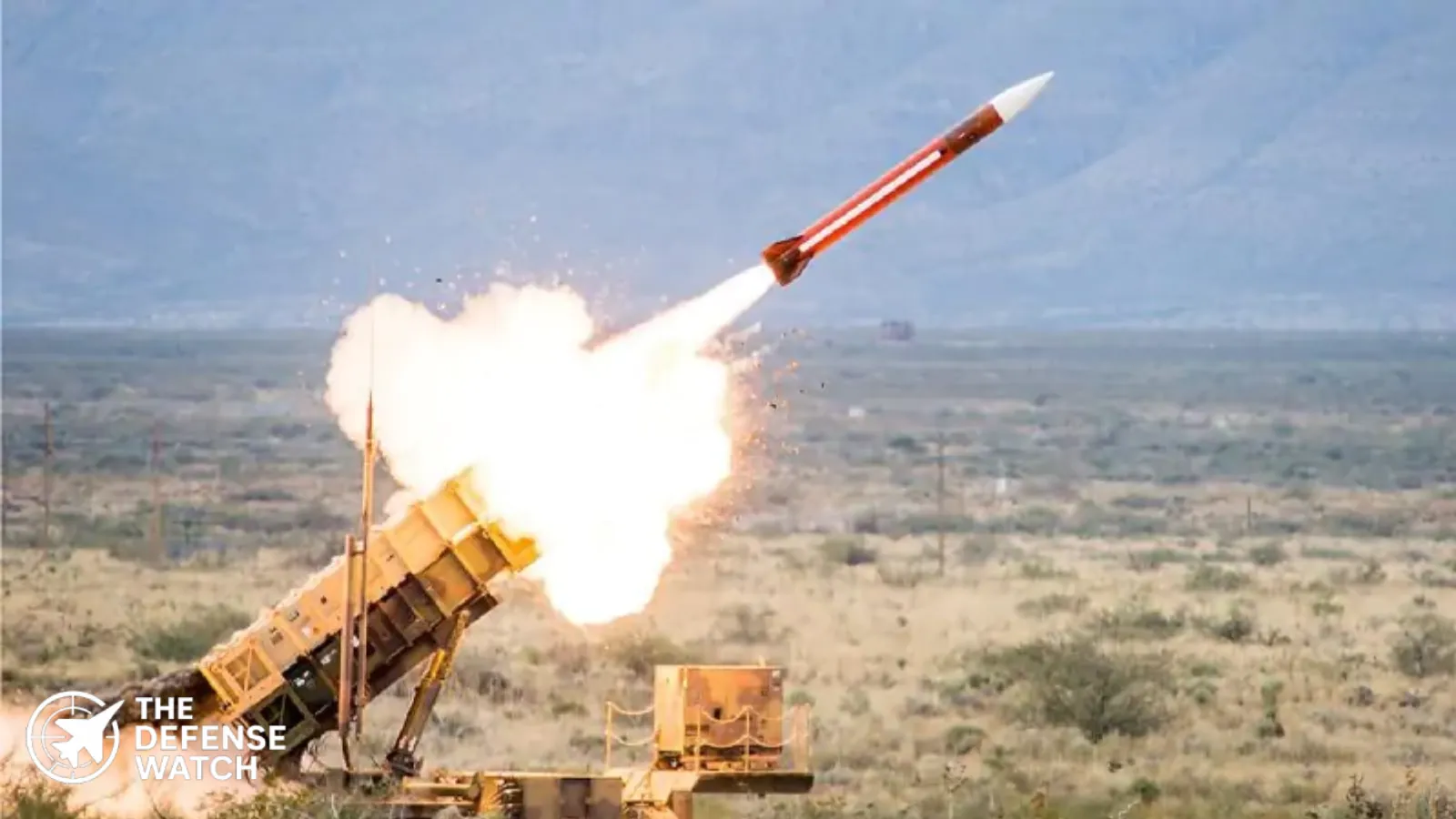
The Pentagon Iran strike preparations include a comprehensive layered defense architecture designed to counter potential retaliatory capabilities. According to sources familiar with the deployment, the United States has moved at least three Patriot missile battery systems to undisclosed locations in Iraq and the broader Persian Gulf region.
Additionally, a THAAD battery—capable of intercepting ballistic missiles at high altitudes—has been repositioned to enhance coverage of critical infrastructure and coalition bases. The US Central Command (CENTCOM) has not publicly disclosed specific locations for operational security reasons, but defense analysts indicate the systems are strategically placed to provide overlapping coverage zones.
This is a prudent defensive measure to protect our forces and facilities,” a senior defense official stated, emphasizing that the deployments are designed to deter aggression and defend against potential Iranian missile and drone attacks.
Context: Rising Tensions with Iran
The enhanced military posture follows a series of attacks attributed to Iranian-backed militia groups targeting American forces in Iraq and Syria. Over the past six months, US installations have faced more than 150 rocket and drone attacks, resulting in injuries to American service members.
Intelligence assessments suggest Iran has significantly expanded its ballistic missile arsenal and unmanned aerial vehicle capabilities. The Islamic Revolutionary Guard Corps (IRGC) has demonstrated advanced precision-strike capabilities in recent regional operations, raising concerns among US military planners about potential retaliatory strikes should Washington authorize offensive action.
According to the International Institute for Strategic Studies (IISS), Iran’s missile inventory includes medium-range ballistic missiles capable of reaching targets throughout the Middle East, including all US bases in the region.
Air Defense Network Architecture
The Middle East missile defense systems now form a comprehensive defensive umbrella integrating multiple complementary platforms:
Patriot PAC-3 Systems: Designed to intercept tactical ballistic missiles, cruise missiles, and aircraft at medium to high altitudes. The PAC-3 variant uses hit-to-kill technology for enhanced precision.
THAAD Batteries: Provide upper-tier defense against medium and intermediate-range ballistic missiles during their terminal phase, operating at altitudes up to 150 kilometers.
Aegis-equipped Naval Assets: US Navy destroyers with Aegis Combat Systems provide mobile sea-based missile defense, capable of tracking and intercepting threats across broad areas.
Counter-UAS Platforms: Specialized counter-unmanned aircraft systems have been deployed to address the growing threat from Iranian-made drones and loitering munitions.
This integrated approach creates overlapping defensive layers, increasing the probability of successfully intercepting incoming threats while providing redundancy against saturation attacks.
(adsbygoogle = window.adsbygoogle || []).push({});Regional Allied Coordination
Defense coordination with regional partners has intensified as part of the broader deterrence strategy. The United States has conducted joint air defense exercises with Saudi Arabia, the United Arab Emirates, and Jordan in recent weeks, according to CENTCOM statements.
Israel, which maintains its own sophisticated multi-layered air defense network including Iron Dome, David’s Sling, and Arrow systems, has reportedly increased intelligence sharing with US forces regarding Iranian capabilities and potential threat vectors.
Gulf Cooperation Council (GCC) member states have also enhanced their readiness levels, with several countries activating integrated air defense coordination centers that link national systems with US platforms.
Strategic Implications and Deterrence Calculus
Military analysts emphasize that the US military response to Iran preparations serve dual purposes: protecting American forces while signaling resolve to Tehran. Dr. Michael Knights, a senior fellow at The Washington Institute for Near East Policy, noted that such deployments historically precede either military operations or intensive diplomatic negotiations.
“The United States is demonstrating it can defend its forces while maintaining offensive options,” Knights stated in a recent analysis. “This creates a credible deterrent against Iranian escalation while preserving flexibility for decision-makers.”
The deployment timing coincides with ongoing diplomatic efforts to address Iran’s nuclear program and regional activities. However, defense officials stress that military preparations proceed independently of diplomatic tracks, maintaining readiness for multiple contingencies.
Operational Readiness and Force Protection
The American forces Middle East deployment includes not only defensive systems but also enhanced force protection measures at military installations. CENTCOM has implemented increased security protocols, including expanded perimeter defenses, additional counter-drone capabilities, and hardened shelters for personnel.
Intelligence, surveillance, and reconnaissance (ISR) assets have been augmented to provide early warning of potential attacks. US Air Force RQ-4 Global Hawk high-altitude reconnaissance drones now maintain continuous coverage of critical areas, while space-based surveillance systems track potential launch preparations.
Force protection measures also include dispersing aircraft and critical assets to reduce vulnerability to precision strikes, a tactic employed successfully during previous periods of heightened tension.
Iranian Capabilities and Threat Assessment
Iran’s military posture includes an estimated 3,000 ballistic missiles of various ranges, according to the Defense Intelligence Agency. The Shahab-3 medium-range ballistic missile, with an approximate range of 1,300 kilometers, can reach most US installations in the region.
More concerning to defense planners are Iran’s Fateh-110 and Zolfaghar short-range ballistic missiles, which have demonstrated improved accuracy in recent years. These weapons can be launched from mobile platforms, complicating pre-emptive targeting.
(adsbygoogle = window.adsbygoogle || []).push({});Iran has also proliferated advanced unmanned systems, including the Shahed-136 loitering munition, which has been used extensively in regional conflicts. These relatively low-cost platforms can saturate defenses through swarm tactics, presenting unique challenges for traditional air defense systems.
Historical Precedent and Strategic Patterns
The current buildup mirrors previous US military postures before operations in the region. In January 2020, following the US strike that killed IRGC Quds Force commander Qasem Soleimani, the Pentagon deployed additional Patriot batteries and augmented naval assets to defend against anticipated Iranian retaliation.
Iran responded with ballistic missile strikes against Al-Asad Air Base in Iraq, causing traumatic brain injuries to more than 100 American service members despite no fatalities. The attack demonstrated Iranian precision capabilities and willingness to directly target US forces.
Defense analysts note that current preparations suggest decision-makers are anticipating similar or potentially more severe retaliatory scenarios.
Diplomatic Dimensions and Congressional Oversight
The military buildup has drawn attention from congressional oversight committees. Several members of the Senate Armed Services Committee have requested classified briefings on the scope and objectives of the deployments.
Some lawmakers have expressed concern about potential military escalation absent clear congressional authorization, while others support robust force protection measures for deployed personnel.
The administration has maintained that current deployments fall within existing authorities for force protection and do not necessarily indicate imminent offensive operations. However, defense officials acknowledge that contingency planning includes multiple options across the escalation spectrum.
Impact on Regional Stability
The enhanced US military presence contributes to a complex regional security environment. While intended to deter Iranian aggression, the deployments may also influence calculations by other regional actors, including Israel and Gulf states, regarding their own security postures.
Regional security experts warn that the current trajectory could lead to miscalculation or unintended escalation if not carefully managed through diplomatic channels alongside military preparations.