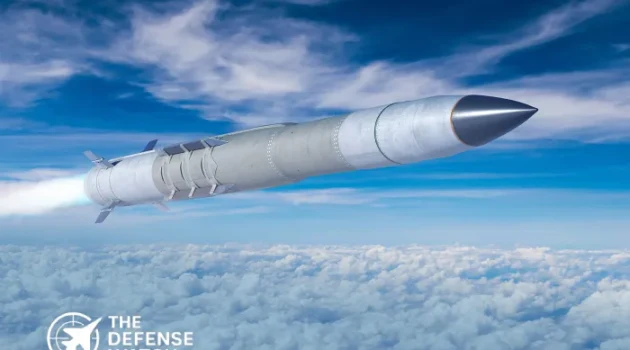
State Department Clears Major Patriot Missile Sale
The U.S. State Department has approved a potential $9 billion Foreign Military Sale of 730 PAC-3 Missile Segment Enhancement (MSE) interceptors to Saudi Arabia, marking one of the largest air defense transactions in recent years. The Defense Security Cooperation Agency (DSCA) notified Congress of the proposed sale on January 31, according to official notifications.
The comprehensive package includes PAC-3 MSE missiles, associated equipment, technical support, training, logistics services, and classified software documentation. Saudi Arabia requested the advanced interceptors to modernize its integrated air and missile defense architecture against evolving threats in the Gulf region.
Strategic Rationale Behind the Sale
According to DSCA, the proposed sale directly supports U.S. foreign policy objectives by strengthening the defensive capabilities of a major non-NATO ally that contributes to regional stability. The agency stated that enhanced air defense systems will help Saudi Arabia address current and emerging threats while maintaining operational readiness.
The PAC-3 MSE represents the latest generation of the Patriot missile family, featuring hit-to-kill technology designed to intercept tactical ballistic missiles, cruise missiles, and advanced aircraft threats. The system provides significantly improved range and altitude capabilities compared to earlier Patriot variants.
U.S. officials emphasized that the sale will improve Saudi Arabia’s contribution to integrated air and missile defense operations within the U.S. Central Command area of responsibility. The enhanced capability is expected to protect both Saudi and allied forces operating in the region.
Technical Capabilities and Integration
The PAC-3 MSE employs kinetic energy to destroy incoming threats, eliminating the need for traditional explosive warheads. This hit-to-kill approach provides greater effectiveness against maneuvering targets and reduces collateral damage risks.
Lockheed Martin serves as the prime contractor for PAC-3 MSE production, with Boeing providing critical seeker components. Boeing recently expanded its Huntsville, Alabama facility to increase PAC-3 seeker production capacity by more than 30 percent to meet growing global demand.
The missiles will integrate with Saudi Arabia’s existing Patriot infrastructure, which has been upgraded over multiple decades through previous Foreign Military Sales programs. The Kingdom operates multiple Patriot fire units deployed at strategic locations throughout the country.
Regional Security Context
The approval comes as Gulf states face persistent threats from ballistic missiles, unmanned aerial systems, and cruise missiles. Saudi Arabia has intercepted numerous cross-border attacks in recent years, demonstrating the operational necessity of advanced air defense capabilities.
The DSCA notification stated that the sale will not alter the basic military balance in the region. Officials confirmed that Saudi Arabia possesses the technical capacity and trained personnel to absorb the new systems without difficulty.
Congressional notification marks the beginning of a 30-day review period during which lawmakers can raise objections to the proposed sale. The transaction will only proceed following Congressional approval and completion of final contract negotiations.
Production and Delivery Timeline
While specific delivery schedules were not disclosed in the DSCA notification, PAC-3 MSE production timelines typically extend over several years for large-quantity orders. Lockheed Martin has recently announced capacity expansion initiatives to accelerate interceptor production rates.
The company broke ground on a new production facility designed to increase output of both PAC-3 MSE and Terminal High Altitude Area Defense (THAAD) interceptors. These expansion efforts respond to increased demand from U.S. and allied forces worldwide.
Industry analysts note that the $9 billion package value includes not only the 730 interceptors but also extensive support infrastructure, training programs, spare parts, and multi-year logistics support. The total program cost reflects the comprehensive nature of major Foreign Military Sales.
(adsbygoogle = window.adsbygoogle || []).push({});Allied Air Defense Network
Saudi Arabia’s Patriot modernization aligns with broader regional air defense architecture developments. Multiple Gulf Cooperation Council nations operate Patriot systems, creating an interconnected defensive network across the Arabian Peninsula.
The enhanced capabilities will enable more effective coordination with U.S. forces stationed in the region and support combined air defense operations. Integration with command and control systems allows for rapid threat data sharing across the network.
U.S. Central Command maintains significant air defense assets in the Gulf region, including Patriot batteries, THAAD systems, and naval-based Aegis ballistic missile defense platforms. The Saudi acquisition complements these existing capabilities.
Congressional Review Process
The proposed sale now enters the mandatory Congressional review period, during which the Senate Foreign Relations Committee and House Foreign Affairs Committee will examine the transaction details. Lawmakers typically assess arms sales based on regional security implications, human rights considerations, and strategic alignment with U.S. interests.
Previous Patriot sales to Saudi Arabia have generally received bipartisan Congressional support, reflecting the strategic importance of Gulf security partnerships. However, individual members of Congress may raise specific concerns during the review period.
The State Department must address any Congressional inquiries before final contract implementation can proceed. Once approved, the Defense Security Cooperation Agency will work with Lockheed Martin to establish production schedules and delivery milestones.
(adsbygoogle = window.adsbygoogle || []).push({});Global Patriot Modernization Trend
The Saudi acquisition reflects a global trend toward air defense modernization as nations confront increasingly sophisticated missile threats. Multiple countries have requested PAC-3 MSE upgrades in recent years, including Poland, Romania, Sweden, and Taiwan.
U.S. Army forces are also transitioning their Patriot inventory to the MSE configuration, phasing out older PAC-2 and PAC-3 variants. The Army has emphasized the importance of maintaining common interceptor stocks with key allies to enable interoperability and simplified logistics.
International PAC-3 MSE sales provide important benefits to U.S. defense industrial base sustainment. Larger production runs reduce per-unit costs and help maintain critical manufacturing skills and capacity.