- ► The US ambassador to Portugal publicly urged Lisbon to consider acquiring F-35 fighter jets.
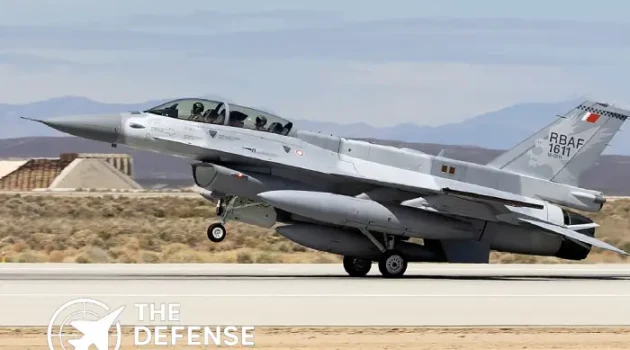
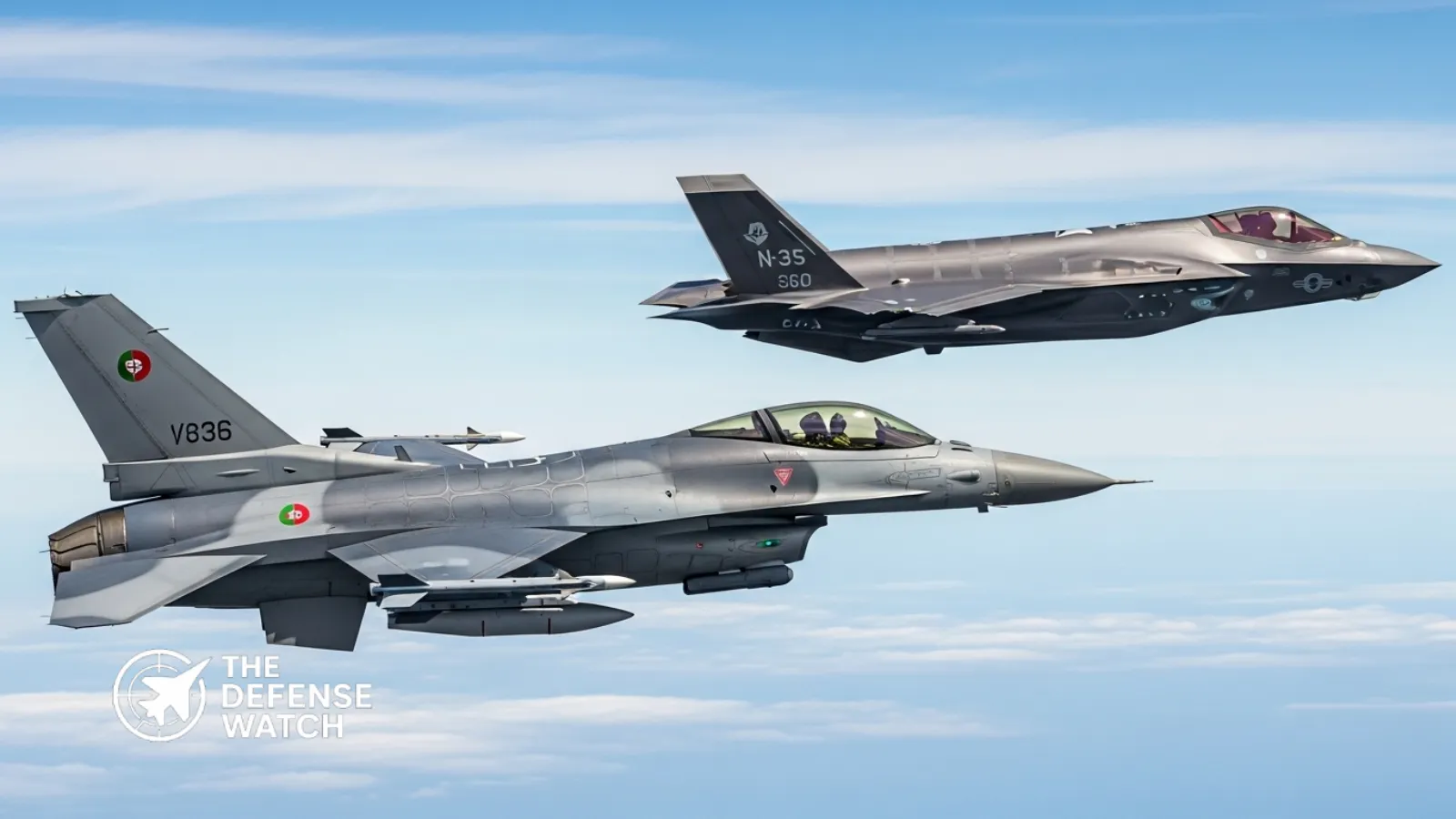
- ► Portugal currently operates F-16 aircraft that are approaching long term replacement planning.
- ► The F-35 is operated by multiple NATO allies across Europe, including Italy, the Netherlands, and the UK.
- ► Washington framed the proposal as strengthening NATO interoperability and airpower integration.
- ► Lisbon has not announced a formal fighter replacement decision.
US Ambassador Urges Portugal To Buy F-35 Fighter Jets
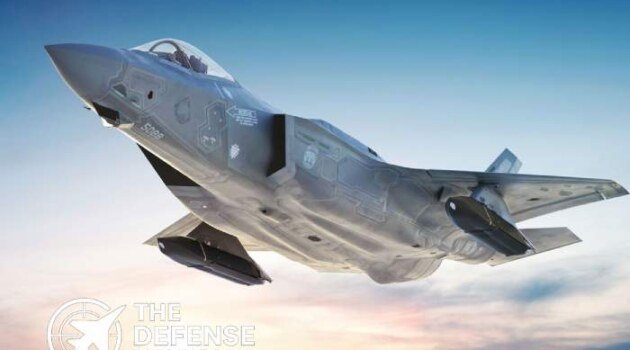
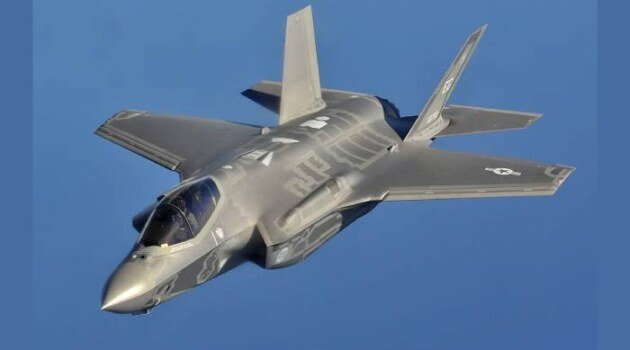
The F-35 fighter jets are at the center of renewed defense discussions between Washington and Lisbon, after the US ambassador to Portugal publicly encouraged the country to consider joining what he described as the top tier of allied air forces.
According to a report by Reuters, the ambassador said Portugal should look at acquiring the F-35 Lightning II as it evaluates the future of its combat aviation fleet. The remarks come as Portugal continues to operate upgraded F-16 Fighting Falcon aircraft, which will eventually require replacement or deep modernization.
While no formal procurement decision has been announced, the public nature of the comments underscores Washington’s interest in aligning Portuguese airpower with the broader NATO shift toward fifth generation platforms.
Strategic Context Behind The F-35 Fighter Jets Push
The F-35 fighter jets have become the backbone of NATO’s next generation airpower strategy. European operators now include Italy, the Netherlands, Norway, Denmark, Poland, Belgium, Finland, Germany, Switzerland, and the United Kingdom. Many of these countries are either replacing legacy F-16 fleets or supplementing Eurofighter and other fourth generation aircraft.
From a US perspective, expanding F-35 adoption enhances interoperability. The aircraft’s sensor fusion, secure data links, and low observable design enable joint operations across air, land, sea, cyber, and space domains. For smaller NATO air forces such as Portugal’s, integration into this network could offer operational advantages that go beyond basic air policing.
Portugal’s air force has relied on F-16s since the 1990s. Though upgraded under Mid Life Update programs, the aircraft will face structural and capability limits over the coming decade. Any replacement program would require long term financial planning and parliamentary approval.
Budget Realities And Political Considerations
Defense spending remains a central factor. Portugal, like several southern European allies, has faced pressure to meet NATO’s two percent of GDP defense spending benchmark. A fleet of F-35 fighter jets would represent one of the largest defense investments in the country’s recent history.
Acquisition costs, sustainment expenses, infrastructure upgrades, pilot training, and industrial participation agreements would all shape the debate. The F-35 program also involves strict security and data handling requirements, which may influence national policy discussions.
Lisbon could also examine European alternatives, such as advanced Eurofighter variants or participation in future European sixth generation fighter programs. However, those programs remain years from operational deployment, while the F-35 is already fielded at scale.
NATO Interoperability And Operational Impact
The core argument advanced by US officials centers on interoperability. F-35 fighter jets are designed to operate as information nodes within a coalition network. In a NATO scenario, Portuguese F-35s could seamlessly share targeting data with allied aircraft, naval vessels, and ground based air defense systems.
This network centric capability has been tested in multinational exercises across Europe. According to NATO officials, fifth generation aircraft have played increasing roles in Baltic Air Policing missions and joint exercises aimed at deterring Russian aggression.
For Portugal, whose strategic location includes Atlantic sea lanes and proximity to Africa, modern airpower also supports maritime security and expeditionary commitments.
What Happens Next
There is no confirmed procurement timeline. The Reuters report indicates the ambassador’s remarks were advisory rather than linked to an active contract negotiation. Any move toward F-35 fighter jets would require a structured defense review, cost analysis, and formal request through the US Foreign Military Sales process.
Still, the public endorsement reflects broader geopolitical dynamics. As NATO modernizes in response to the war in Ukraine and evolving security threats, alliance members are under increasing pressure to align capabilities.
Whether Portugal ultimately selects the F-35 or another platform, the discussion signals that Lisbon’s next fighter decision will carry strategic weight well beyond national borders.
Get real time update about this post category directly on your device, subscribe now.