
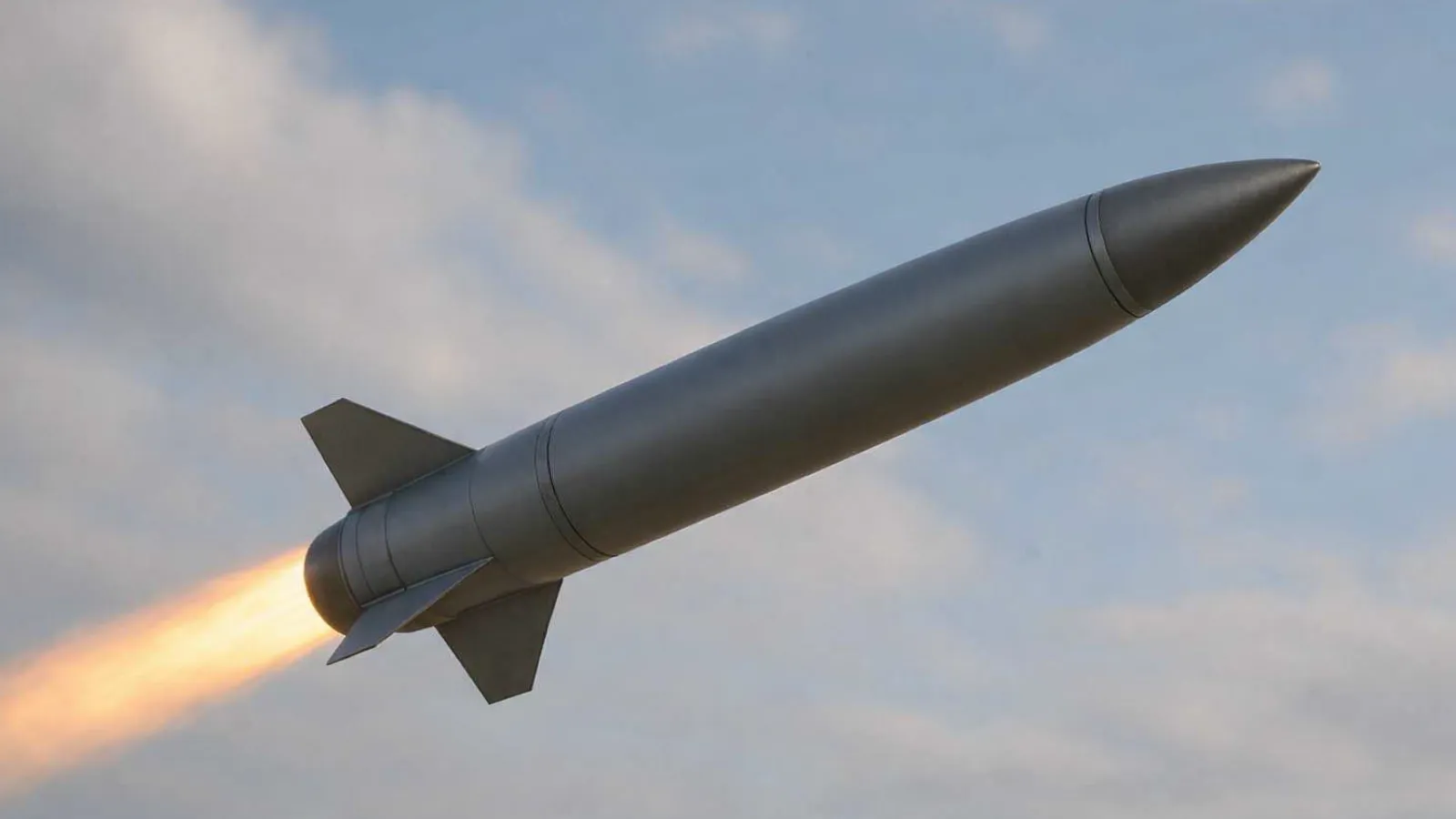
- ► UK Nightfall procurement plans have not been formally confirmed by the British government.
- ► Parliamentary questions sought clarity on timelines and funding for Nightfall.
- ► Ministers reiterated that UK air defense capabilities are under continuous review.
- ► The debate comes amid heightened focus on integrated air and missile defense across NATO.
- ► No contract award, production schedule, or delivery timeline has been disclosed.
UK Nightfall Procurement Plans Under Scrutiny
UK Nightfall procurement plans are drawing renewed attention after the British government declined to provide detailed answers on whether it intends to move forward with the program. The issue surfaced in Parliament, where ministers were asked to clarify the status of Nightfall and the broader modernization of the United Kingdom’s ground based air defense network.
The government response offered no firm commitment, instead reiterating that air defense capabilities are kept under constant review as part of defense planning processes. No procurement timeline, contract award, or budget allocation was confirmed.
The lack of clarity comes at a time when European security dynamics remain tense following Russia’s full scale invasion of Ukraine and sustained missile and drone campaigns targeting critical infrastructure. NATO members, including the United Kingdom, have increased focus on integrated air and missile defense in response.
Parliamentary Pressure And Strategic Context
Members of Parliament raised concerns about the future of the UK Nightfall procurement plans, seeking transparency on whether the program remains active or has been delayed. The Ministry of Defence has not publicly defined Nightfall’s full technical scope, but it is understood to be associated with modernizing the British Army’s ground based air defense capabilities.
At present, the British Army fields systems such as Sky Sabre, designed to intercept aircraft, drones, and certain missile threats. However, evolving battlefield trends, particularly the widespread use of low cost drones and cruise missiles, have prompted calls for layered and scalable air defense networks.
The government’s response emphasized that capability decisions are aligned with the Integrated Review and subsequent defense updates. Yet the absence of firm statements on UK Nightfall procurement plans leaves open questions about prioritization and funding.
From an analytical standpoint, ambiguity in procurement messaging can reflect several realities. Programs may be in early assessment phases, awaiting spending review outcomes, or subject to classified capability considerations. However, in a high threat environment, delayed clarity can also complicate industry planning and allied coordination.
Air Defense Modernization And NATO Commitments
The United Kingdom is a core NATO member and contributes to alliance air policing and missile defense missions. Integrated air and missile defense has become central to NATO planning, especially after the war in Ukraine demonstrated the scale and persistence of modern aerial threats.
Across Europe, several nations have accelerated procurement of ground based air defense systems. Germany’s European Sky Shield Initiative and Poland’s missile defense expansion underscore a regional shift toward layered protection.
In this context, UK Nightfall procurement plans carry broader strategic weight. If Nightfall represents a next generation air defense capability, delays or uncertainty could affect the United Kingdom’s ability to align with allied architecture and shared defense frameworks.
Defense analysts note that air defense modernization requires long lead times, including radar integration, interceptor procurement, training pipelines, and command and control networks. Clear policy signals help sustain industrial capacity and interoperability planning.
Budget Pressures And Policy Signals
Defense procurement decisions in the United Kingdom are shaped by fiscal constraints and competing modernization priorities, including naval expansion, combat air development, and nuclear deterrent sustainment.
The Ministry of Defence has repeatedly stated that it must balance readiness with long term transformation. In that context, UK Nightfall procurement plans may be weighed against other capital intensive programs.
Still, ground based air defense has gained renewed prominence across NATO. The experience of Ukraine has reinforced that even advanced air forces require resilient, layered surface based defenses to protect infrastructure and deployed forces.
Without confirmed funding lines or contractual milestones, it remains unclear whether Nightfall is a near term acquisition, a mid term concept, or a placeholder for future capability evolution.
What Comes Next
For now, UK Nightfall procurement plans remain undefined in public documentation. Parliamentary scrutiny suggests that lawmakers are seeking greater transparency on timelines and investment levels.
Future defense spending reviews and formal procurement announcements will likely determine whether Nightfall becomes a central pillar of British air defense modernization or remains an aspirational framework.
Until then, the government’s silence underscores the tension between operational security, fiscal discipline, and the growing demand for credible air and missile defense in Europe’s evolving threat environment.
Get real time update about this post category directly on your device, subscribe now.
