
Table of Contents
Top 10 Most Powerful Army in the World 2025
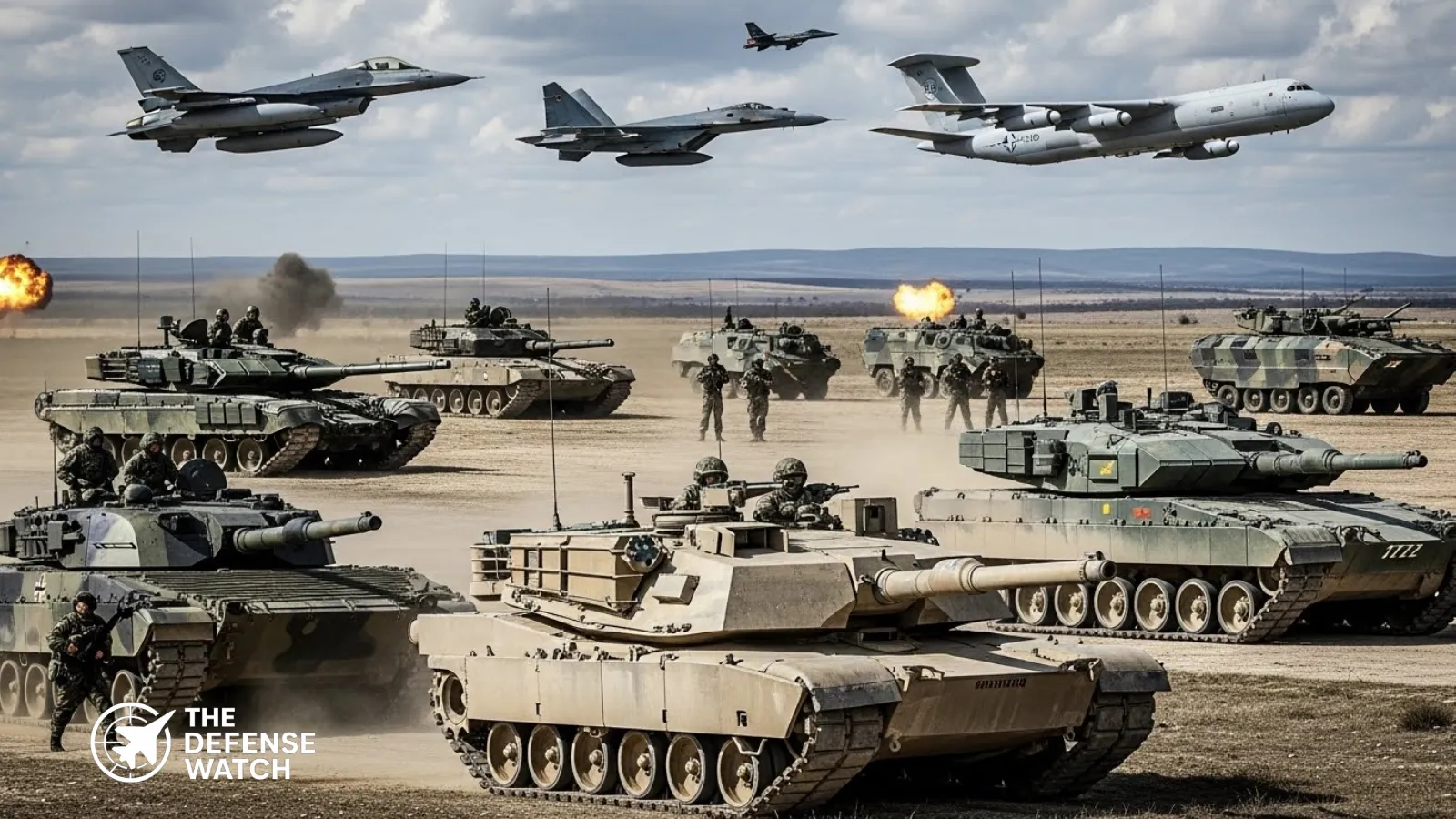
The Top 10 Most Powerful Army in the World reflects more than troop numbers or weapons counts. Military power today is shaped by defense budgets, combat experience, nuclear forces, logistics, alliances, and the ability to operate across land, sea, air, space, and cyberspace. As of today, global military rankings remain fluid, driven by conflicts in Ukraine and Gaza, rising tensions in the Indo Pacific, and expanding defense spending across NATO and Asia.
This explainer examines the most powerful army in the world using widely accepted defense metrics, including data from the International Institute for Strategic Studies, SIPRI, and open source defense reporting. Rankings focus on overall military power, not just ground forces.
How Military Power Is Measured
Before ranking the most powerful army in the world, it is important to understand the criteria used.
Key factors include:
- Defense spending and industrial base
- Size and readiness of active duty forces
- Airpower and naval strength
- Nuclear weapons and missile forces
- Combat experience and operational reach
- Logistics, command structure, and alliances
No single factor determines dominance. Modern warfare rewards balance and sustainment.
1. United States, The Most Powerful Army in the World
The United States remains the most powerful army in the world by a wide margin.
The US defense budget exceeds 880 billion dollars annually, larger than the next ten countries combined. The US military fields unmatched airpower, global naval reach, and advanced space and cyber forces.
Key strengths include:
- Over 1.3 million active duty personnel
- 11 nuclear powered aircraft carriers
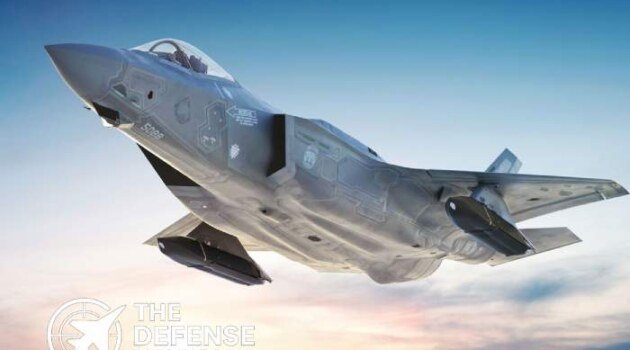
- Fifth generation fighters like the F 22 and F 35
- Global logistics and basing network
- The most advanced ISR and satellite systems
The US Army itself operates modern armored formations, long range fires, and missile defense units. Joint integration across services remains its decisive advantage.
2. Russia
Russia maintains the second most powerful army in the world despite heavy losses in Ukraine.
Moscow fields the largest nuclear arsenal and retains strong missile forces, including intercontinental ballistic missiles and hypersonic glide vehicles. Russia also has deep experience in electronic warfare and air defense.
Key characteristics:
- Large standing army and reserves
- Advanced air defense systems such as S 400
- Strong artillery and rocket forces
- Nuclear triad across land, sea, and air
However, prolonged combat operations have exposed weaknesses in logistics, training, and precision strike capacity.
3. China
China operates the fastest growing military force globally and is closing the gap with the United States.
The People’s Liberation Army focuses on regional dominance, particularly around Taiwan and the South China Sea. China now fields the world’s largest navy by hull count.
Strengths include:
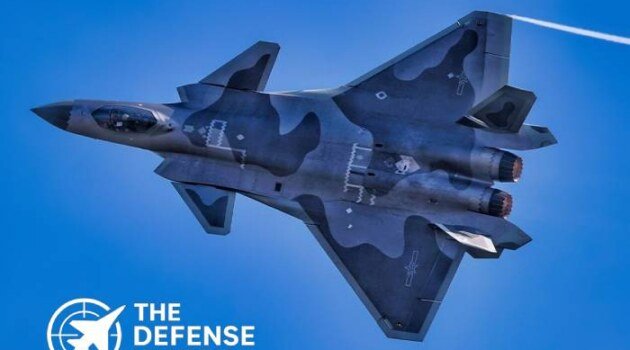
- Over 2 million active personnel
- Rapid shipbuilding and missile production
- Advanced anti ship and ballistic missiles
- Expanding space and cyber warfare units
China’s military power is increasingly built around denying access to US forces rather than global power projection.
4. India
India ranks among the top 10 most powerful army in the world due to its manpower, regional reach, and nuclear capability.
The Indian Armed Forces focus on threats from Pakistan and China, while also expanding naval power in the Indian Ocean.
Key elements:
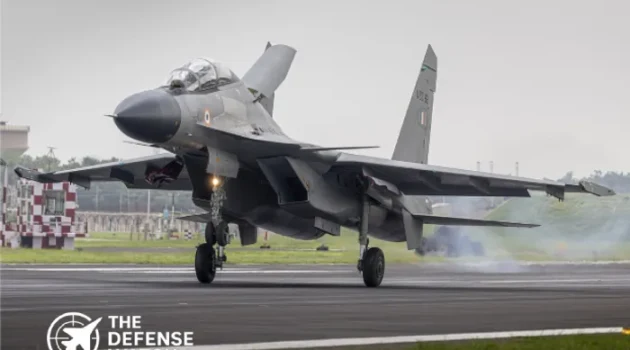
- One of the world’s largest standing armies
- Indigenous missile and fighter programs
- Nuclear armed ballistic missiles
- Growing defense manufacturing sector
Modernization remains uneven, but India’s strategic depth and demographics provide long term strength.
5. South Korea
South Korea maintains a highly trained and technologically advanced military. Mandatory service ensures a ready reserve, while domestic defense firms supply modern tanks, artillery, and missile systems.
Key points:
- Strong missile defense and electronics warfare
- Integrated operations with US forces
- Modern armored and mechanized units
South Korea’s readiness and alliance integration make it a key military power in Northeast Asia.
6. United Kingdom
The UK maintains a small but highly capable force with global reach.
Strengths:
- Nuclear armed submarines (Trident)
- Two aircraft carriers and advanced aircraft
- Elite special forces and expeditionary capabilities
London’s military relies on NATO integration and elite, highly trained units for global operations.
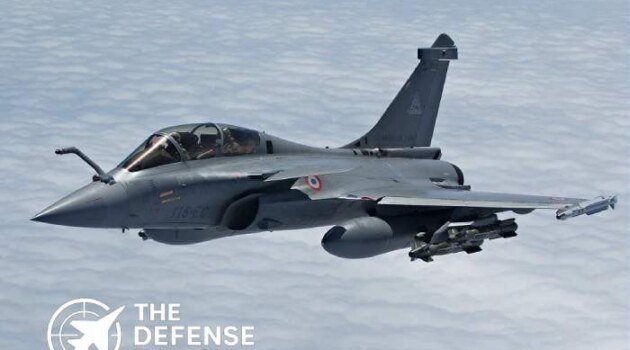
7. France
France combines an independent nuclear deterrent with global expeditionary capabilities.
Key features:
- Rafale fighter jets and nuclear-capable ballistic submarines
- Overseas bases supporting global operations
- Leadership in EU defense initiatives
France remains a major military power due to technology, doctrine, and expeditionary reach.
8. Japan
Japan emphasizes high-tech self-defense with advanced naval, air, and missile systems. Rising defense spending addresses regional threats from China and North Korea.
Highlights:
- Aegis equipped destroyers and submarines
- F-35 fighter fleet
- Missile defense, cyber, and space-based intelligence
- Strong US alliance
Japan focuses on technological superiority and readiness over large-scale offensive forces.
9. Turkey
Turkey combines large standing forces with growing indigenous defense capabilities, including drones and missiles.
Strengths:
- Bayraktar drones and domestically produced missiles
- Strategic geographic location controlling Europe, Black Sea, and Middle East access
- NATO integration and regional operational experience
Turkey’s industrial base and combat experience make it a key regional power.
10. Italy
Italy maintains a modern, NATO-integrated military capable of expeditionary operations.
Highlights:
- Aircraft carriers and advanced surface combatants
- Eurofighter Typhoon air force
- Contributions to NATO, EU, and UN missions
Italy focuses on balanced forces, alliance integration, and maritime power projection.
Analysis, How the Rankings Are Shifting
The updated top 10 most powerful army in the world list highlights a clear shift in how military power is defined. Traditional measures such as troop numbers and armored formations still matter, but they no longer dominate rankings on their own. Technology, alliance integration, industrial capacity, and the ability to sustain operations are now decisive factors.
Japan’s position reflects the growing weight of high end naval and air power in the Indo Pacific. While Japan does not maintain large offensive ground forces, its investments in missile defense, advanced fighters, submarines, and space based surveillance significantly raise the cost of aggression against it. Close operational integration with US forces effectively amplifies Japan’s military strength beyond what raw numbers suggest.
Turkey’s ranking underscores the rising importance of indigenous defense production and recent combat experience. Ankara’s use of domestically produced drones, precision munitions, and armored vehicles in real world operations has reshaped regional battlefields. Control of key geographic chokepoints and NATO membership further increase Turkey’s strategic value, even as political friction complicates alliance cohesion.
Italy’s inclusion reflects the continued relevance of balanced, alliance ready forces in modern warfare. Rather than focusing on mass or regional dominance, Italy contributes naval power, air assets, and command capabilities to NATO and multinational missions. Aircraft carriers, modern surface combatants, and integrated air power give Rome outsized influence in the Mediterranean security environment.
Overall, these rankings show that the most powerful army in the world is no longer defined solely by the capacity to fight a single large scale war. Power now depends on adaptability, industrial depth, interoperability with allies, and the ability to operate across multiple domains, including cyber and space. As defense budgets rise and military doctrines evolve, future rankings are likely to reward flexibility and sustainment over sheer size.
FAQs
What is the most powerful army in the world in 2025?The United States remains the most powerful army in the world due to unmatched budget, technology, and global reach.
Does nuclear capability define military power?Nuclear weapons are a strategic deterrent, but conventional strength, technology, and alliances determine operational effectiveness.
Why is China not ranked first?China lacks the global logistics, overseas bases, and alliance network that extend US military influence worldwide.
Can smaller countries be effective militarily?Yes, countries like Japan and Italy demonstrate that technology, doctrine, and alliances can outweigh size.
Will the rankings change soon?Yes. Rising defense budgets, new technologies, and ongoing conflicts may reshape global military power in the coming decade.
Get real time update about this post category directly on your device, subscribe now.



1 comment
[…] warning of military technical countermeasures is deliberately vague, a common feature of Moscow’s strategic messaging. Such measures could range from additional troop deployments and missile systems to […]