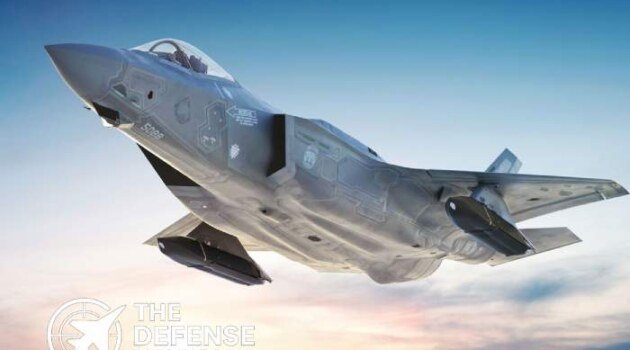
- ► EU defense commissioner publicly labeled the FCAS fighter jet project a failure.
- ► FCAS is a joint program led by France, Germany, and Spain to develop a sixth generation fighter system.
- ► The program has faced delays, industrial disputes, and cost growth concerns.
- ► FCAS aims to replace Rafale and Eurofighter fleets in the 2040 timeframe.
- ► Criticism raises fresh questions about Europe’s defense industrial coordination.
EU Defense Commissioner Calls FCAS Fighter Jet Project A Failure As Europe’s Airpower Plans Face Scrutiny
The FCAS fighter jet project is facing renewed pressure after the European Union’s defense commissioner publicly described the program as a failure, intensifying debate over Europe’s ability to deliver a next generation combat aircraft on schedule.
The remarks, reported by Euractiv, mark one of the strongest public criticisms yet of the Future Combat Air System, Europe’s flagship sixth generation fighter initiative led by Airbus, Dassault Aviation, and Indra.
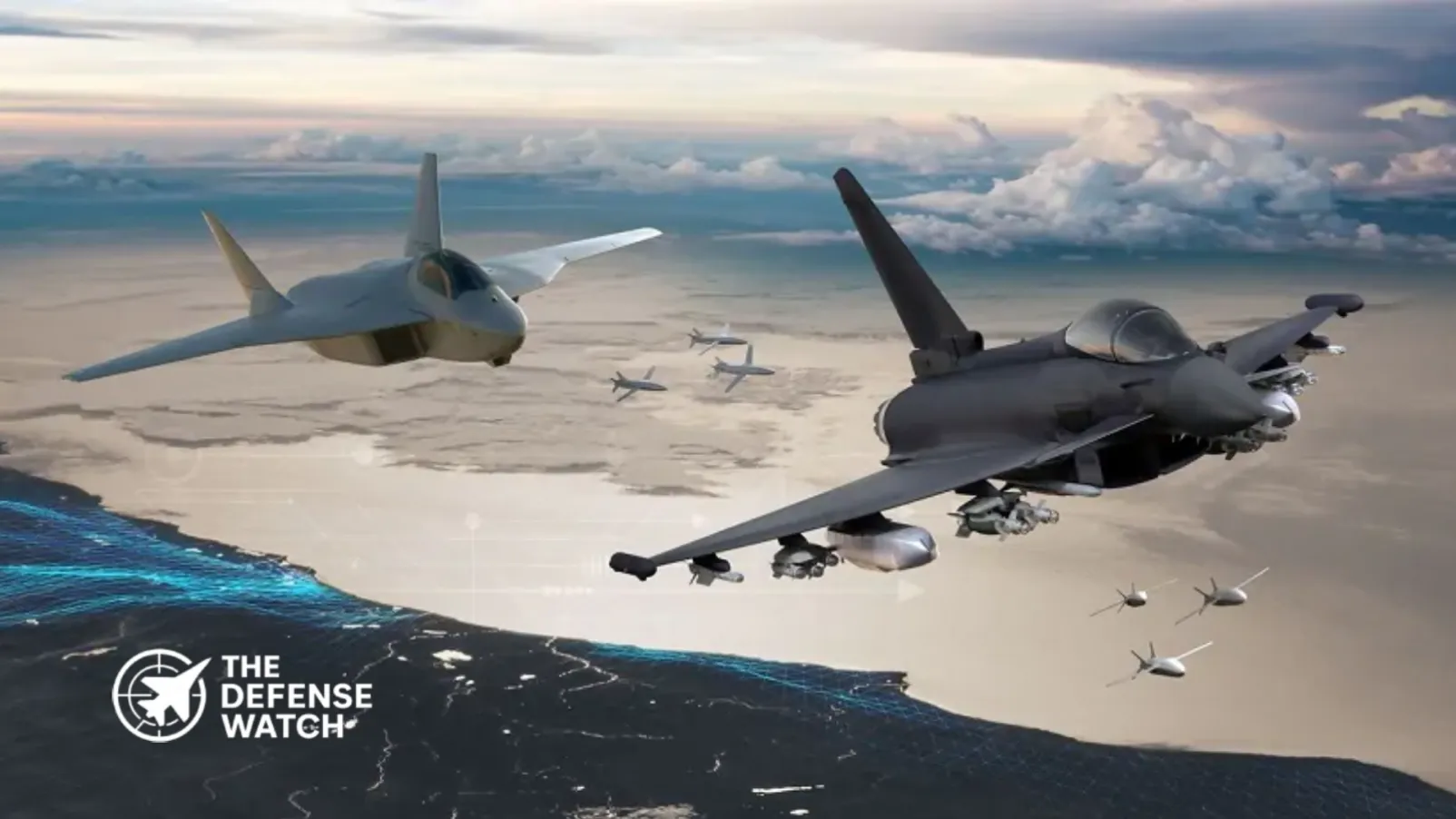
The program, commonly known as FCAS, is designed to replace France’s Dassault Rafale and Germany’s Eurofighter Typhoon beginning in the 2040s.
Growing Political Frustration In Brussels
The unusually blunt assessment reflects mounting concern inside the European Commission about fragmentation across the continent’s defense industry.
The Future Combat Air System is not just a fighter aircraft. It is intended as a networked system of systems, centered on a next generation fighter supported by unmanned remote carriers, advanced sensors, and a secure combat cloud.
However, repeated disagreements between industrial partners have slowed progress. Disputes over intellectual property rights, workshare allocations, and program leadership have created friction, particularly between Airbus and Dassault Aviation.
From Brussels’ perspective, these delays risk undermining Europe’s strategic autonomy goals at a time when transatlantic security dynamics are shifting.
Strategic Context: Why FCAS Matters
The FCAS fighter jet project is central to Europe’s long term airpower strategy.
France views FCAS as essential to maintaining sovereign combat aircraft design capability, including nuclear delivery options. Germany sees it as a pillar of its industrial base and future NATO commitments. Spain joined later, seeking a role in high end aerospace development.
But the program exists alongside a parallel British led effort, the Global Combat Air Programme, which includes the United Kingdom, Italy, and Japan. The split has long raised concerns about duplication of effort and fragmented investment.
For Washington observers, the issue goes beyond industrial politics. A delayed or weakened FCAS could widen Europe’s dependence on U.S. platforms such as the F-35 Lightning II, already widely adopted across NATO.
That dynamic carries implications for interoperability, procurement budgets, and long term alliance burden sharing.
Delays And Industrial Friction
The FCAS fighter jet project formally entered its demonstrator phase after protracted negotiations. Yet even this milestone followed years of stalled talks over technology ownership and control of flight critical systems.
Dassault Aviation, which leads the new generation fighter element, has insisted on design authority over core flight systems. Airbus, representing German industrial interests, has sought a more balanced structure.
These tensions highlight a deeper structural challenge. Unlike U.S. programs led by a single prime contractor, FCAS is built on a multi national governance framework that requires political and industrial consensus at nearly every stage.
That structure aims to preserve national sovereignty but often slows decision making.
From an operational standpoint, time is critical. Rafale and Eurofighter fleets will require upgrades to remain viable into the 2040s. Any slippage in FCAS timelines increases pressure on interim modernization efforts.
Budget Pressures And Capability Gaps
European defense spending has risen sharply since 2022, according to NATO data. Yet funding growth alone does not guarantee program execution.
Large collaborative programs are inherently complex. Cost growth, evolving requirements, and export policy differences can strain partnerships.
The commissioner’s comments appear intended as a warning. Without stronger coordination, Europe risks missing its window to field a competitive sixth generation fighter while the United States advances next generation air dominance concepts.
The FCAS fighter jet project must therefore navigate both technological ambition and political realities.
What Comes Next
Public criticism from Brussels may inject urgency into negotiations among partner nations. It could also trigger calls for structural reform in how major European defense programs are managed.
Whether the description of failure becomes a turning point or simply another chapter in a long running industrial dispute remains to be seen.
For now, the statement underscores a central tension in European defense policy. Strategic autonomy requires cooperation. But cooperation among sovereign states often proves harder than expected.
The coming years will determine whether the FCAS fighter jet project regains momentum or reinforces doubts about Europe’s ability to execute large scale, next generation combat aviation programs.
Get real time update about this post category directly on your device, subscribe now.