
Workforce Crisis in U.S. Shipbuilding
Shipbuilders need to hire 250,000 workers over the next decade to build the Navy’s planned Golden Fleet of new surface combatants and support major shipbuilding programs, U.S. Secretary of the Navy John Phelan said at the Surface Navy Association symposium in Arlington, Va.
The figure reflects a significant ramp-up in labor demand to meet expanded production goals while offsetting high attrition among experienced tradespeople. Currently, roughly 25% of the shipyard workforce is eligible for retirement within five years, highlighting an aging industrial base that must be replenished to sustain future naval construction.
Shipbuilding Labor Gap and the Golden Fleet Drive
At the January event, SecNav Phelan underscored that people remain the essential element in ship construction despite advances in automation and digital tools. “Systems don’t build ships. People do,” he said, stressing the need for robust recruitment and training pipelines across the industrial base.
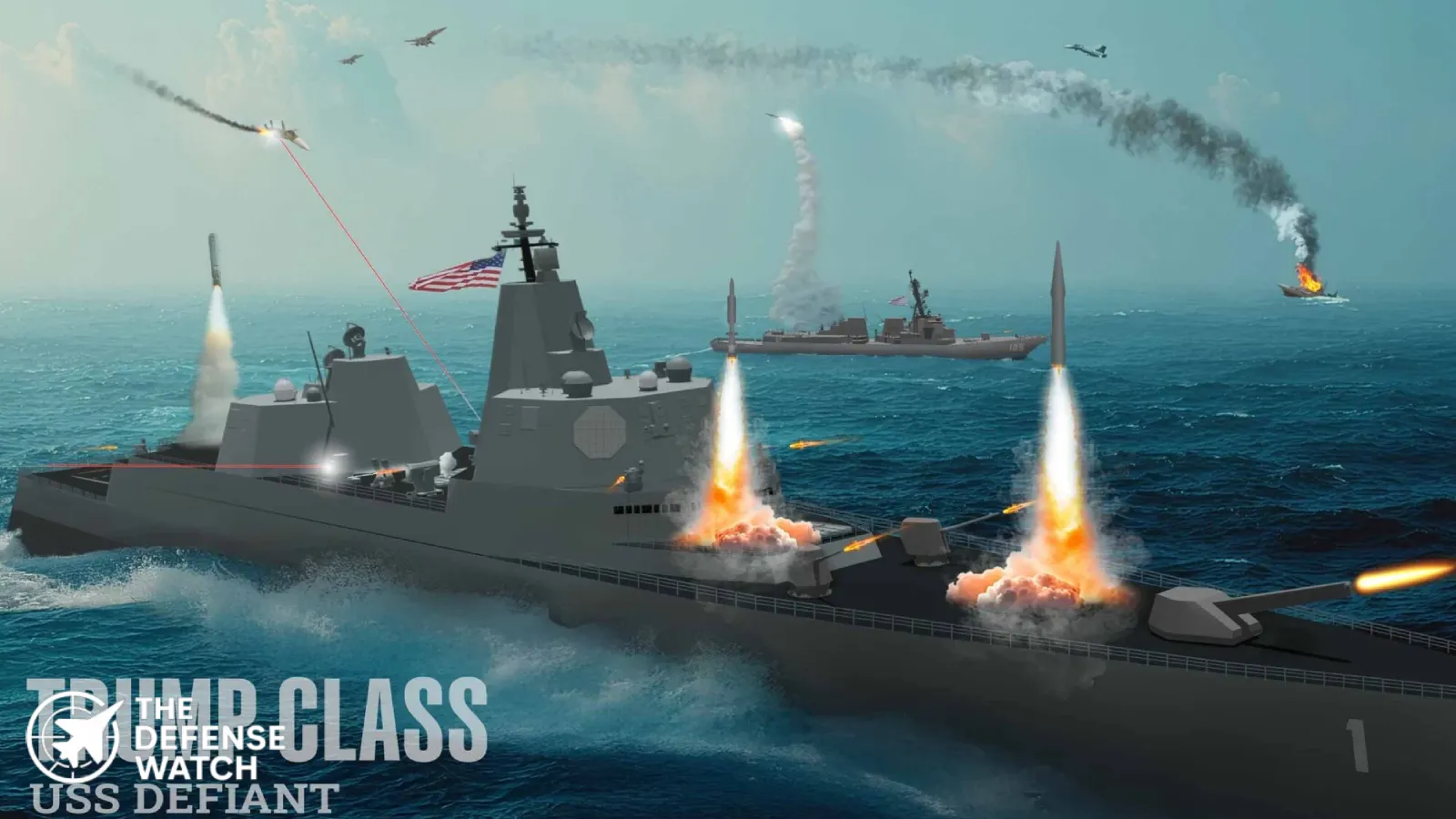
The Golden Fleet initiative, tied to broader surface combatant plans recently affirmed by senior leaders, is expected to accelerate hull production requirements and place unprecedented demands on both public and private yards.
Industrial Base Realities: Retirement, Recruitment, Retention
Workforce challenges are not new, but they are intensifying. Across seven major shipbuilders, attrition and competition with other sectors for skilled labor are cited as persistent barriers to growth. A Government Accountability Office report noted demographic shifts and a generational pull away from manufacturing careers as central factors constraining the shipbuilding labor market.
To attract and retain talent, Navy and industry leaders emphasize the importance of vocational training, apprenticeships, and partnerships with community colleges and local workforce systems. Investments in Talent Pipeline Programs are underway, with regional events already producing thousands of new hires nationwide.
Training Pipeline and Workforce Initiatives
To address the shortfall, Navy-backed workforce development initiatives seek to expand skilled trade training and integrate advanced manufacturing skills into curricula. These efforts are intended to cultivate a pipeline that complements traditional maritime and engineering education while shortening time to productivity for new hires.
Programs like the Navy’s Talent Pipeline Program have recorded measurable growth in skilled labor placements and collaborations with employers, signaling a broader push to strengthen recruitment and retention across the maritime industrial base.
Outlook: Workforce Expansion as Strategic Priority
The call to hire 250,000 workers over the next decade highlights a pivotal juncture for the U.S. naval shipbuilding enterprise. With the surface combatant fleet expansion and modernization priorities front and center, securing a trained and stable workforce has emerged as a strategic imperative — not just a staffing challenge.
As the Navy continues to outline requirements and production plans for the Golden Fleet, workforce development will remain integral to achieving delivery schedules, quality standards, and industrial base resilience in the years ahead.
Get real time update about this post category directly on your device, subscribe now.
