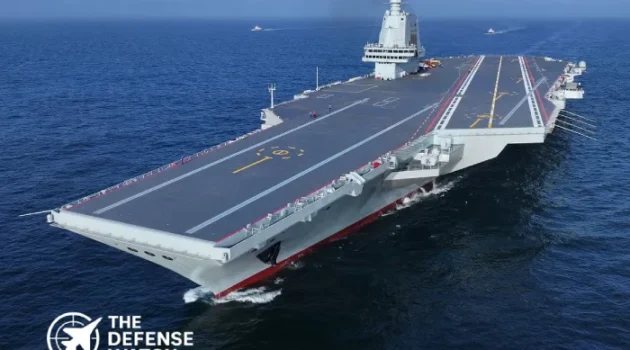
- ► China’s newest aircraft carrier is the Fujian, also known as the Type 003 carrier.
- ► Unlike earlier carriers, Fujian uses an electromagnetic aircraft launch system instead of a ski jump ramp.
- ► Analysts question whether its conventional power plant can sustain high sortie rates during intensive operations.
- ► Deck layout and aircraft handling efficiency are also under scrutiny.
- ► The carrier is central to China’s long term blue water naval strategy.
China’s New Aircraft Carrier Design Flaw Raises Operational Concerns
China’s new aircraft carrier design flaw is drawing growing attention among naval analysts, as the PLA Navy pushes forward with its most advanced flattop to date. The vessel in question, widely known as the Fujian, represents a major technological leap for China’s carrier program. Yet structural and operational questions continue to surface, potentially limiting the ship’s long term effectiveness.
The discussion centers on how design decisions, particularly involving the carrier’s launch system and deck configuration, may affect sortie generation rates, aircraft handling efficiency, and overall survivability in high intensity conflict scenarios.
From Ski Jump to Catapult: A Major Transition
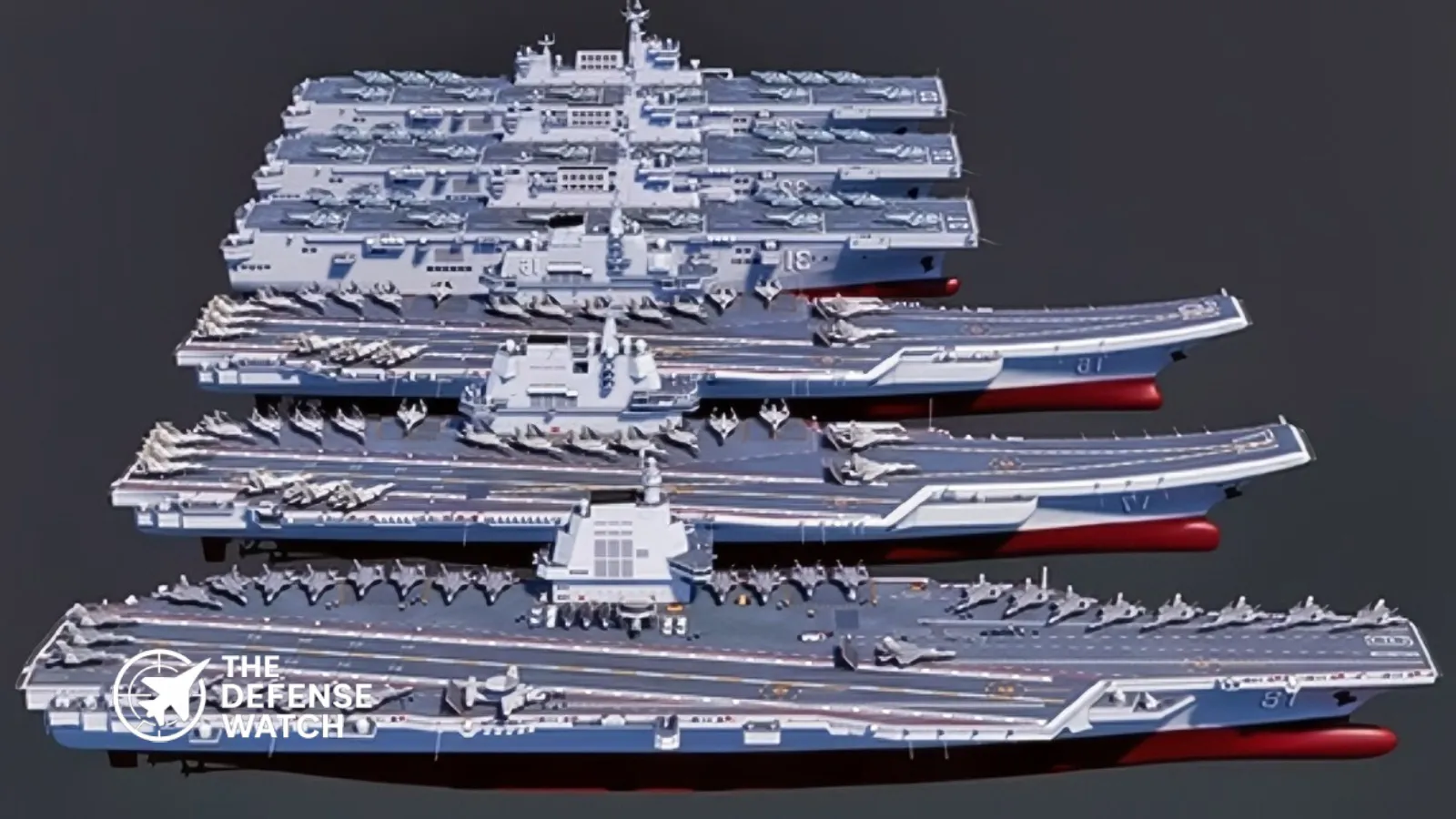
China’s earlier carriers, Liaoning and Shandong, used ski jump ramps for launching aircraft. While simpler, that configuration limits takeoff weight, reducing fuel and weapons loads for carrier borne fighters.
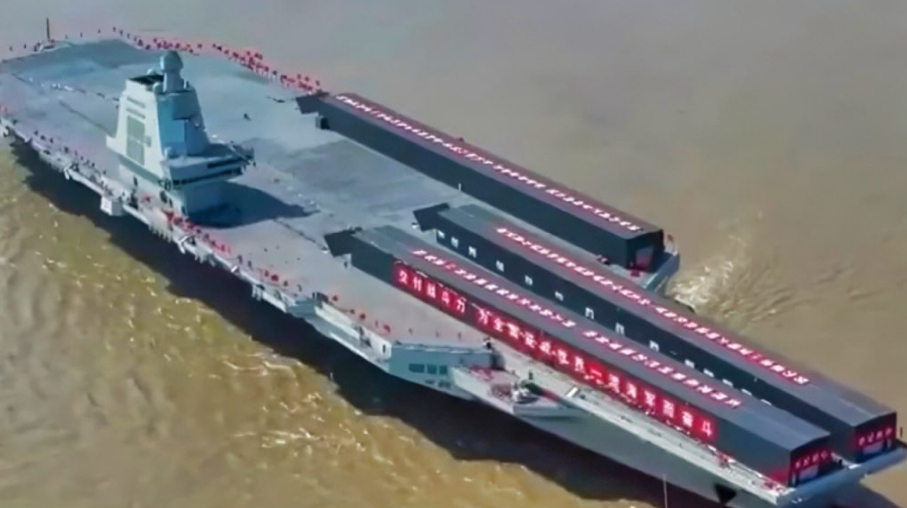
With Fujian, Beijing moved to an electromagnetic aircraft launch system, similar in concept to the EMALS technology deployed on the U.S. Navy’s USS Gerald R. Ford. This transition was intended to boost launch efficiency, support heavier aircraft, and enable fixed wing airborne early warning platforms.
However, integrating such a system into a conventionally powered hull introduces complexity. Unlike U.S. nuclear powered carriers, Fujian must rely on conventional propulsion to generate sufficient electrical power. That dynamic may constrain sustained high tempo flight operations.
The Core Design Concern
At the center of the China’s new aircraft carrier design flaw debate is how power generation, deck layout, and structural design interact.
Reports suggest that electrical output margins may be tighter than optimal for prolonged catapult intensive operations. In practical terms, this could limit the rate at which aircraft are launched during surge scenarios. In a peer level conflict, sortie rate often determines combat effectiveness more than platform count alone.
Another concern relates to deck space and aircraft handling. Modern carriers depend on carefully optimized deck choreography. Small inefficiencies compound rapidly during combat. If deck movement patterns are constrained by layout compromises, operational tempo suffers.
While Beijing has not acknowledged any issues publicly, the absence of extensive at sea operational history leaves open questions about long term reliability under sustained stress.
Implications for PLA Navy Strategy
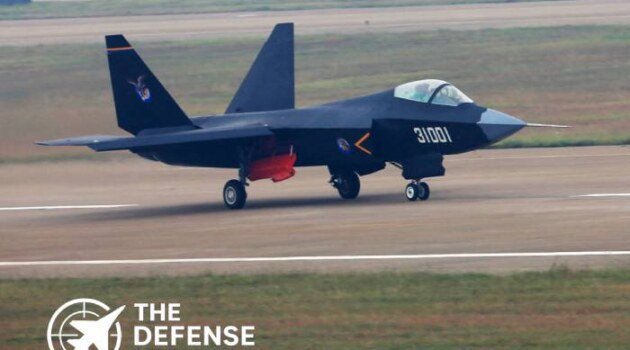
The People’s Liberation Army Navy views aircraft carriers as central to extending maritime influence beyond the first island chain. Fujian is expected to operate the carrier variant of the Shenyang J-15, and potentially a next generation stealth aircraft derived from the Shenyang FC-31.
If launch rates or electrical reliability limit sustained air operations, the carrier’s deterrent value could be reduced. Power projection missions depend on endurance, not just initial capability.
That said, early generation design friction is not unusual. The U.S. Navy faced well documented integration challenges during the early deployment of USS Gerald R. Ford. Over time, engineering refinements improved performance.
China may follow a similar trajectory, using Fujian as a stepping stone toward a future nuclear powered carrier class.
Analysis: A Transitional Platform or Structural Constraint?
There are two ways to interpret the China’s new aircraft carrier design flaw issue.
First, it may reflect a transitional stage in China’s naval modernization. Shifting from ski jump carriers to advanced catapult systems in a single generational leap is ambitious. Technical friction is expected. If so, the lessons learned could inform the design of China’s next carrier, potentially rumored to be nuclear powered.
Second, if the flaw stems from deeper structural compromises in hull design or power architecture, correcting it may require significant redesign in future vessels. That would delay China’s timeline for achieving carrier parity with the United States.
It is also important to consider doctrine. China’s carriers may initially operate under protective layers of land based anti ship missile systems and long range aviation, rather than independently projecting power globally. In that scenario, slightly lower sortie rates may be operationally acceptable in the near term.
Still, long term ambitions clearly point toward blue water capability. For that, reliability and sustained operational tempo are non negotiable.
The Broader Naval Balance
The evolution of China’s carrier fleet has strategic implications for the Indo Pacific balance of power. The United States currently operates eleven nuclear powered aircraft carriers. China operates two ski jump carriers and is preparing Fujian for full operational deployment.
Even if Fujian faces limitations, its existence marks a significant shift in regional naval capability. It enhances Beijing’s ability to conduct joint operations, support amphibious forces, and project air power farther from mainland bases.
The question is not whether China can field carriers. It already has. The question is how effective those carriers will be in contested, high intensity scenarios.
If the design flaw proves manageable, Fujian could become the foundation for a more capable future fleet. If not, it may highlight the difficulty of compressing decades of carrier development into a single technological jump.
Conclusion
China’s new aircraft carrier design flaw underscores the complexity of modern naval aviation. The Fujian represents a bold technological advance for the PLA Navy, but ambition alone does not guarantee operational success.
As sea trials continue and air wing integration progresses, clearer data will emerge about sustained launch rates, electrical resilience, and combat readiness. Until then, analysts will continue to scrutinize how design decisions made today shape China’s maritime power tomorrow.
FAQs
What is the name of China’s newest aircraft carrier?China’s newest carrier is the Fujian, also known as the Type 003 aircraft carrier.
What is the main design concern with Fujian?Analysts question whether its power generation and deck configuration can sustain high sortie rates using electromagnetic catapults.
How does Fujian differ from earlier Chinese carriers?Unlike Liaoning and Shandong, Fujian uses an electromagnetic catapult system instead of a ski jump ramp.
Does this flaw make the carrier ineffective?Not necessarily. It may limit sustained operations, but long term improvements could address current constraints.
Will China build nuclear powered carriers next?Many analysts expect China to eventually field nuclear powered carriers to improve endurance and power generation capacity.
Get real time update about this post category directly on your device, subscribe now.